
Sauces & Condiments
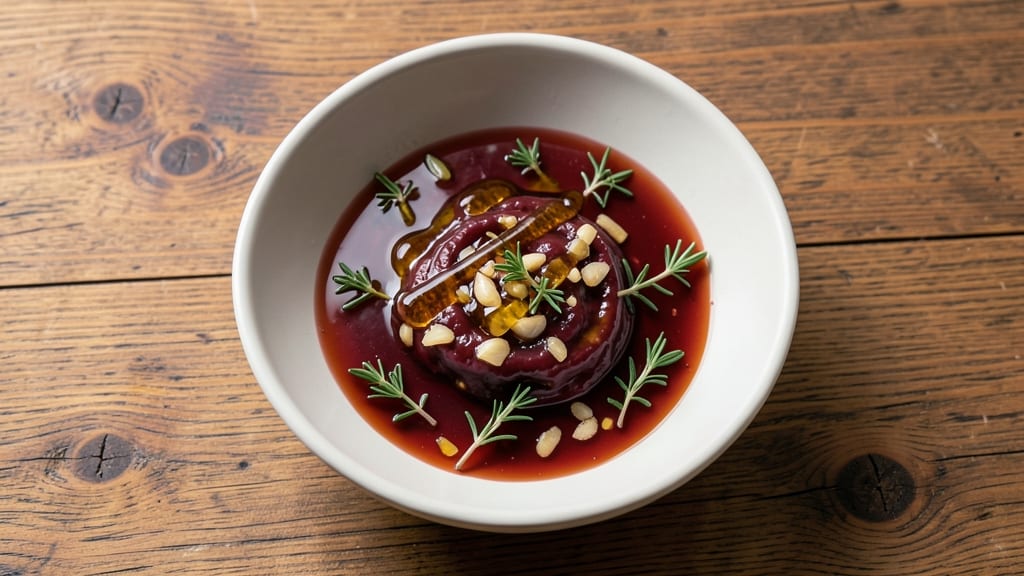
This classic red wine vinaigrette transforms simple salads into restaurant-worthy dishes with just five ingredients and five minutes of work. The secret lies in balancing bold red wine's acidity with Dijon mustard and fresh herbs, creating a dressing that clings perfectly to greens without overpowering them.
I developed this version after testing countless store-bought alternatives that always fell flat—too sweet, too thin, or lacking depth.
The magic happens when you whisk together red wine vinegar, olive oil, and Dijon mustard in precise proportions to create a stable emulsion. Fresh thyme and shallots add herbal complexity that elevates basic greens into something sophisticated, while a touch of honey rounds out the sharpness.
This isn't just a salad dressing; it's a flavor multiplier that works equally well on roasted vegetables, grilled meats, or even as a marinade.
What you'll end up with is a vibrant, tangy dressing that's rich enough to stand alone but balanced enough to complement any dish. The red wine vinegar adds depth without overpowering, while the Dijon mustard creates a silky texture that coats every bite.
Unlike many vinaigrettes, this one stays fresh for up to a week in the refrigerator, making it perfect for meal prep.
For added versatility, you can customize it with different herbs—basil for Italian flavors, tarragon for French, or parsley for a cleaner taste. The key is maintaining that perfect balance of acid, fat, and freshness. Let's get started on this timeless dressing that will become your go-to for any dish.
Ingredients for classic red wine vinaigrette
Five ingredients, five minutes—this bold dressing turns simple salads into restaurant-worthy bites.
| Ingredient | Amount | Notes |
|---|---|---|
| Red Wine Vinegar 🍷 | ½ cup | Dry, bold variety preferred |
| Extra-Virgin Olive Oil 🫒 | ¾ cup | High quality, fruity flavor |
| Dijon Mustard 🍯 | 1 tbsp | Whole grain preferred |
| Fresh Thyme Leaves 🌿 | ¼ cup | Packed, stems removed |
| Shallots 🧅 | 2 whole | Minced, not sliced |
| Honey 🍯 | 1 tsp | Light or wildflower |
| Sea Salt 🧂 | ½ tsp | Fine grain preferred |
| Black Pepper 🌶️ | ¼ tsp | Freshly ground |
The red wine vinegar is non-negotiable here. Look for dry, bold varieties at the store—avoid the sweet cooking wine kind. Trader Joe's and Whole Foods carry great options, or grab a bottle from the wine aisle. Fresh thyme is ideal, but if you're using dried, cut the amount to one-third since it's more concentrated. Shallots add depth that regular onions can't match—peel and mince them finely for the best texture. For the olive oil, avoid the cheap stuff—this is where the flavor really shines.
No red wine vinegar? Balsamic vinegar with a splash of lemon juice works in a pinch, but it'll taste different. Dijon mustard is key for that silky texture—substitute with whole-grain mustard if that's all you have. Honey can be swapped for maple syrup or agave, but honey's floral notes play well with the thyme. If you're sensitive to acidity, reduce the vinegar by 1 teaspoon and add 1 extra teaspoon of olive oil to balance. The dressing should coat the back of a spoon but still pour easily—adjust ratios if needed.
This keeps beautifully in the fridge for up to a week if stored in an airtight jar. For longer storage, freeze portions in ice cube trays—thaw and whisk before using. I always make extra because it disappears fast. Double the batch if you're prepping for the week ahead. The flavor actually improves after a day or two as everything mellows together. If it separates, just give it a good whisk before using—it'll come back together.
Why You'll Love This Recipe
- Five-Ingredient Magic: I swear by this combo—no fancy techniques, just whisking vinegar, oil, mustard, and minced shallots until it sings. The thyme leaves? Tiny but mighty, adding that earthy punch that makes it taste like you made it, not a jar.
- Bright & Tangy: That first pour of red wine vinegar hits different—sharp, bold, but balanced by the Dijon’s creamy bite and olive oil’s richness. Honestly, it’s the kind of dressing that makes a simple salad feel like a restaurant dish.
- Weeknight Workhorse: Drizzle it over greens for lunch, toss it with roasted veggies for dinner, or use it as a marinade for chicken. I’ve even glopped it on avocado toast when I’m lazy. It’s the one dressing that never lets me down.
- Lasts All Week: Make a double batch—it keeps in the fridge for ages without separating (thanks, Dijon mustard). Between us, I’ve had this same jar for six days straight, and it’s still the star of every meal. Budget win.
Step-by-step instructions for classic red wine vinaigrette
Here's how to make a timeless vinaigrette that delivers perfect balance every time.
Finely Mince the Shallots
Start by peeling and mincing the 2 whole shallots as finely as possible. I like to use a sharp chef's knife and chop them into a paste-like consistency—this prevents any sharp flavors from overpowering the delicate balance. Place the minced shallots in a small bowl and set aside. The smaller the pieces, the more evenly they'll distribute throughout the dressing.
If you're worried about getting too fine, don't stress—you can always adjust the flavor later. The key here is consistency. When the shallots are properly minced, they'll dissolve completely into the dressing, creating a smooth, flavorful base. Take your time with this step; it makes all the difference in the final texture.
Whisk Together Vinegar, Mustard, and Honey
In a medium bowl, combine the 0.5 cup red wine vinegar, 1 tablespoon Dijon mustard, and 1 teaspoon honey. Use a whisk to blend these ingredients thoroughly until the honey is fully incorporated and the mixture is smooth. The mustard helps emulsify the dressing later, while the honey adds a subtle sweetness that balances the acidity of the vinegar.
Here's the thing—don't rush this step. The mustard needs to dissolve completely, and the honey should be fully integrated. If you see any streaks of honey, keep whisking until it disappears. This mixture should look uniform and slightly thickened, almost like a light syrup. Once it's smooth, set it aside for the next step.
Gradually Incorporate the Olive Oil
With the whisk still in the bowl, slowly drizzle in the 0.75 cup extra-virgin olive oil while continuing to whisk vigorously. Start with a few drops at a time, then gradually increase the flow as the mixture begins to emulsify. This slow addition is critical—it prevents the oil from separating and ensures a silky, stable dressing. You'll know you're on the right track when the mixture starts to thicken and hold its shape.
I like to whisk for about 2-3 minutes at this stage, until the dressing looks glossy and creamy. If it starts to look too thick, add a splash of water or a tiny bit more vinegar to loosen it. The goal is a smooth, pourable consistency that clings beautifully to greens or salads. Don't worry if it's not perfect yet—we'll refine it further in the next step.
Add Thyme, Salt, and Pepper
Now, stir in the 0.25 cup fresh thyme leaves, 0.5 teaspoon sea salt, and 0.25 teaspoon black pepper. The thyme should be finely chopped or torn into small pieces so it distributes evenly. Taste the dressing at this point—it should be tangy, slightly sweet, and herbal. Adjust the seasoning if needed; you might want a touch more salt or a hint of extra vinegar to balance the flavors.
Real talk: This is where the classic profile comes together. The thyme adds an earthy depth, the salt enhances all the flavors, and the pepper brings a subtle warmth. Give it a good stir to ensure everything is evenly distributed. If you're using this dressing immediately, you can stop here. But for the best flavor, let it rest for at least 15 minutes before using—this allows the ingredients to fully meld together.
Rest and Adjust for Perfect Balance
Cover the bowl with plastic wrap and let the dressing rest for at least 15 minutes, or up to an hour if you have time. This resting period is crucial—it allows the flavors to develop and the dressing to reach its full potential. After resting, give it one final taste and adjust the seasoning if needed. You might find it needs a tiny bit more salt, a splash of vinegar, or even a drizzle of olive oil to achieve the perfect balance.
Once you're happy with the flavor, transfer the dressing to a clean jar or bottle with a tight-fitting lid. Store it in the refrigerator for up to 1 week, shaking gently before each use. This classic red wine vinaigrette will elevate any salad, roasted vegetables, or grilled meats with its bold yet balanced profile. You've got this—it's easier than it looks!
Pro Tips For Making Classic Red Wine Vinaigrette
- Whisk in stages: Start by mixing the red wine vinegar, Dijon mustard, and minced shallots first—this emulsifies the mustard properly before adding oil. I learned this the hard way when my vinaigrette broke into greasy puddles because I dumped everything in at once.
- Use room-temp oil: Cold olive oil from the fridge will make your vinaigrette stiffen up. Let that bottle sit out for 30 minutes before measuring—it flows better and blends smoother. (Yes, even if you’re impatient like me.)
- Pulse thyme, don’t chop: Tear thyme leaves between your fingers instead of chopping them—this releases more aroma without turning your dressing into a chunky mess. My grandmother swore by this, and she was right: the flavor is brighter.
- Salt the shallots: Toss minced shallots with a pinch of salt and let them sit for 5 minutes before adding to the vinaigrette. This draws out moisture and mellows their bite—skip it, and you’ll taste raw onion sharpness in every bite.
Regional styles of these flavors
French Rustic Twist
In France, this vinaigrette becomes a vinaigrette à l'estragon, where I replace thyme with 1 tablespoon chopped fresh tarragon and add 1 teaspoon grated shallot peel for depth. The French version often includes 1 teaspoon capers for briny contrast—perfect for goat cheese salads or grilled lamb.
I've found that using aged balsamic vinegar (like San Marzano) instead of red wine vinegar adds a subtle caramel note that pairs beautifully with roasted vegetables. 🌿
Italian Herb Garden
Southern Italian cooks transform this into a salsa verde by swapping red wine vinegar for lemon juice and adding ¼ cup chopped parsley, 2 tablespoons chopped basil, and 1 minced garlic clove.
The Italians often include 1 anchovy fillet (finely chopped) for umami depth—trust me, it disappears into the dressing. This version works perfectly with Caprese salads or as a marinade for grilled chicken. The key is to use extra-virgin olive oil from Liguria for its peppery finish. 🍋
Spanish Sherry Infusion
Spanish cuisine brings fino sherry vinegar to the party, replacing red wine vinegar in equal parts. I add ½ teaspoon smoked paprika and 1 teaspoon chopped rosemary for a smoky, earthy profile that pairs wonderfully with roasted peppers and Manchego cheese.
The Spanish often serve this with pan con tomate or as a drizzle over grilled swordfish. For extra authenticity, finish with a pinch of saffron threads steeped in 1 teaspoon warm water—it adds a luxurious golden hue and floral note. 🍷
American BBQ Fusion
In the American South, this vinaigrette gets a smoky twist by adding 1 tablespoon hot sauce (like Crystal) and ½ teaspoon smoked salt. I replace thyme with 1 tablespoon chopped cilantro and add 1 teaspoon lime zest for brightness.
This version works amazingly as a marinade for pulled pork or as a dipping sauce for fried green tomatoes. The secret is to use apple cider vinegar instead of red wine vinegar for a tangier profile. 🔥
Mediterranean Lemon-Garlic
Greek and Turkish kitchens often use this base as a tzatziki-inspired dressing by adding ¼ cup Greek yogurt and 1 minced garlic clove. The lemon-garlic twist replaces red wine vinegar with lemon juice and swaps thyme for dill and mint leaves.
This lighter version pairs perfectly with grilled halloumi cheese or cucumber salads. For extra richness, drizzle in 1 teaspoon olive tapenade before serving. 🌞
Nordic Mustard-Apple
Scandinavian cooks take this vinaigrette in a different direction by adding 2 tablespoons finely grated apple (like Granny Smith) and ½ teaspoon caraway seeds, lightly toasted. The red wine vinegar is reduced to ¼ cup and balanced with ½ cup apple cider vinegar for a sweeter, fruitier profile.
This version works beautifully with beet salads or as a glaze for roasted pork tenderloin. The caraway adds an unexpected but delightful earthy note. ❄️
Nutrition facts
Frequently asked questions
Why does my vinaigrette separate after a few days?
Vinaigrettes naturally separate because oil and vinegar don't mix—it's normal! The Dijon mustard in this recipe acts as an emulsifier, but if it separates, simply whisk vigorously before using. For a more stable dressing, add 1 teaspoon of honey or corn syrup to help bind the ingredients. Store in a clean, dry jar with a tight lid to prevent contamination.
Can I make this without Dijon mustard?
Swap the Dijon for 1 tablespoon of whole-grain mustard or even 1 teaspoon of mayonnaise for extra stability. If you're avoiding mustard entirely, whisk in 1 extra teaspoon of honey or maple syrup to help emulsify the oil and vinegar. The flavor will still be delicious, though the texture may be slightly less silky.
How much dressing should I make for a salad?
For a standard 8-cup salad, use about 2-3 tablespoons of dressing—enough to lightly coat the greens without making them soggy. This recipe makes roughly 1.5 cups, perfect for 2-3 salads or as a marinade. If your greens are hearty (like kale or spinach), start with 1 tablespoon per 4 cups and adjust to taste.
What’s the best way to store leftover dressing?
Transfer to an airtight jar or bottle and refrigerate for up to 1 week. Before using, give it a good shake or whisk—it should come back together easily. For longer storage, freeze portions in ice cube trays. Thaw overnight in the fridge and whisk to restore consistency. Avoid storing in metal containers, as vinegar can react with the metal.
Can I use this dressing on non-salad dishes?
This versatile dressing works as a marinade for grilled chicken or fish, a drizzle for roasted vegetables, or even a dip for crudités. The acidity tenderizes meats, while the herbs add depth to roasted dishes. For marinades, use a 1:3 ratio (1 part dressing to 3 parts oil) to prevent over-acidifying the protein.