Salads
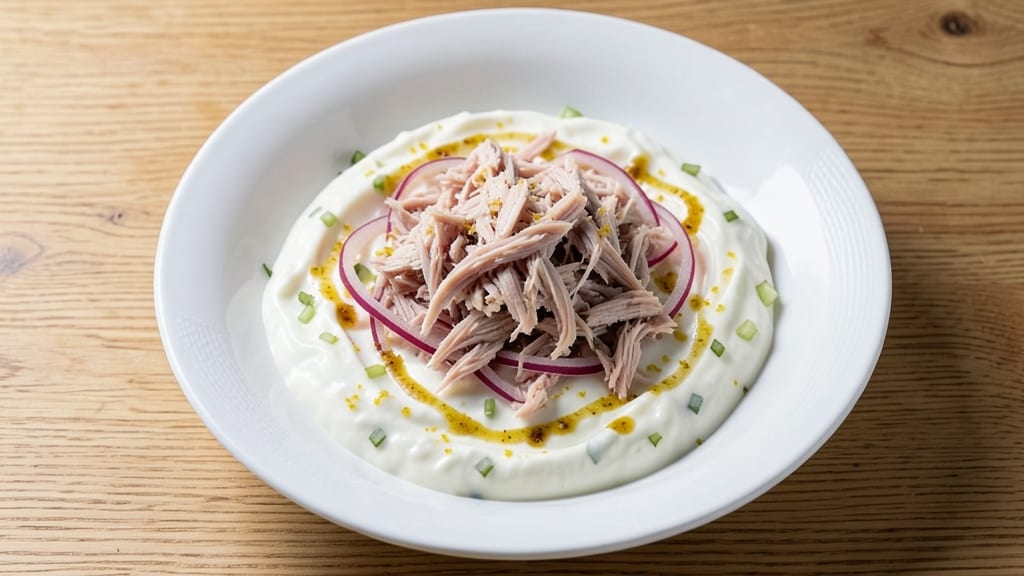
This canned tuna salad recipe delivers a creamy, fluffy texture without relying on mayo—just a clever blend of Greek yogurt and a touch of lemon. After years of testing variations, I’ve perfected a method that keeps the salad light yet rich, with a bright, tangy finish that elevates every bite.
The secret lies in proper mixing techniques and ingredient ratios that prevent dryness while maximizing flavor.
The beauty of this recipe is its simplicity: five core ingredients come together in 10 minutes to create a salad that’s both restaurant-worthy and budget-friendly. Greek yogurt replaces mayo for a lighter base, while finely chopped celery and red onion add freshness and crunch.
A pinch of Dijon mustard and lemon zest ensures the flavors shine without overpowering the delicate tuna.
What you’ll end up with is a creamy, velvety tuna salad that’s fluffy enough to scoop but holds its shape on crackers or bread. The texture is airy yet substantial, and the tangy lemon brightens the rich tuna perfectly.
This version stays fresh for 3–4 days in the fridge, making it ideal for meal prep or quick lunches.
Serve it on toasted sourdough, stuffed in pita pockets, or alongside fresh veggies for a complete meal. The possibilities are endless, but the foundation remains the same: creamy, flavorful, and foolproof. Let’s make it!
Ingredients for canned tuna salad
Five simple ingredients transform into a velvety tuna salad—creamy yet light, with perfect texture.
| Ingredient | Amount | Notes |
|---|---|---|
| Plain Greek Yogurt 🥛 | 1 cup | Full-fat for creaminess, unsweetened |
| Canned Tuna in Water 🐟 | 2 cans | High-quality, drained completely |
| Celery Stalks 🧅 | 3 whole | Finely chopped, crisp texture |
| Red Onion 🧅 | ¼ cup | Finely diced, mild bite |
| Dijon Mustard 🍯 | 1 tbsp | For tangy depth, not sweet |
| Lemon Zest 🍋 | 1 tsp | Brightens flavor, freshly grated |
| Lemon Juice 🍋 | 1 tbsp | Freshly squeezed, balances richness |
| Salt 🧂 | ½ tsp | Diamond Crystal kosher salt |
| Black Pepper 🌶️ | ¼ tsp | Freshly ground, medium grind |
| Extra-Virgin Olive Oil 🫒 | 1 tbsp | For drizzling, fruity variety |
The Greek yogurt is non-negotiable for that signature creaminess. Opt for full-fat Fage or Chobani—the higher fat content prevents dryness and delivers a richer mouthfeel. If you prefer a lighter option, 2% plain yogurt works too, though texture may be slightly less luxurious. For the tuna, Wild Planet or Starkist in water are top-tier choices—avoid oil-packed varieties, as they can make the salad overly greasy. Always drain the tuna thoroughly, pressing it through a fine-mesh strainer to remove excess moisture, which is critical for achieving that fluffy consistency. Celery and red onion should be freshly chopped just before mixing—pre-cut veggies lose their crispness and can water down the salad.
No Dijon mustard? Yellow mustard at half the amount works in a pinch, though it lacks the subtle complexity. Lemon zest is key for brightness, but if you’re short on time, 1 tbsp fresh lemon juice plus a pinch of sugar mimics the effect. For a tangier profile, add 1/2 tsp apple cider vinegar to the mix. The olive oil isn’t just for flavor—it adds a silky finish. If you’re avoiding oil, 1 tbsp light mayo can substitute, though it’ll alter the texture slightly. For a dairy-free version, unsweetened coconut yogurt replaces Greek yogurt, though the result will be slightly less creamy. Always taste as you go, adjusting salt and lemon to your preference—this is where the magic happens.
This salad holds up beautifully for 3–4 days when stored in an airtight container in the fridge. To maintain texture, press a piece of parchment paper directly onto the surface before sealing. For meal prep, portion into small containers—it’s perfect for lunches or appetizers. If the salad starts to dry out, simply stir in 1 tsp cold water or milk to restore moisture. The lemon zest and olive oil can be added fresh just before serving to keep flavors vibrant. Freezing isn’t recommended, as the texture degrades, but the base mixture (without zest or oil) can be prepped ahead and finished later.
Why You'll Love This Recipe
- No Pantry Panic: I keep this in my fridge because it only needs five things—no fancy ingredients, no last-minute grocery runs. Open the can, mix the yogurt, dice the onion while the kids argue over homework, and boom. Done.
- Creamy Without the Mayo: The Greek yogurt makes this ridiculously smooth—no greasy aftertaste, just bright, tangy richness. Add the Dijon mustard? Suddenly, it’s got depth, like a fancy charcuterie board in salad form.
- Lunchbox Legend: Between us, this is my go-to for work lunches. Pack it in a jar with crackers or toss it in a wrap—it stays fresh for days, and no one ever complains. (Yes, even on a Tuesday night.)
- Budget Powerhouse: A can of tuna, a tub of yogurt, and a bag of celery? That’s less than five bucks and feeds four. Honestly, I make this when I’m broke and when I’m not—it’s just that good.
Step-by-step instructions for creamy canned tuna salad without mayo
This method delivers a lusciously creamy texture using only whole-food ingredients—no mayo required.
Prepare the Celery and Red Onion
Use a sharp chef's knife to finely chop the 3 whole celery stalks, removing any fibrous strings. You want pieces so small they're nearly invisible when mixed—they'll provide that signature crunch without overpowering. Transfer to a medium mixing bowl.
Next, finely dice the ¼ cup red onion into tiny cubes—think rice grain size or smaller. The onion should be so finely chopped that it dissolves into the salad when mixed, adding subtle sweetness rather than sharp bite. Add this to the celery in the bowl.
Combine Wet Ingredients for Creamy Base
In a separate small bowl, whisk together the 1 cup plain Greek yogurt, 1 tbsp Dijon mustard, 1 tbsp lemon juice, and 1 tsp lemon zest until completely smooth. The yogurt should be at room temperature for best blending—if it's straight from the fridge, let it sit for 10 minutes first. This mixture forms the creamy foundation of your salad.
Season the wet ingredients with ½ tsp salt and ¼ tsp black pepper, whisking until fully incorporated. The mustard adds tangy depth while the lemon brightens the richness of the yogurt. Taste at this stage—you want a balance of acidity and creaminess that will complement the tuna.
Incorporate the Tuna and Final Touches
Open the 2 cans of drained tuna and gently flake the fish with your fingers or a fork, breaking it into small, bite-sized pieces. Add the tuna to the celery-onion mixture in the bowl. Using a silicone spatula, fold the tuna into the wet ingredients just until combined—overmixing will break down the tuna texture.
Drizzle in the 1 tbsp extra-virgin olive oil and gently fold it into the salad. The oil helps bind everything together while adding a fruity finish. Taste again and adjust seasoning if needed—you may want to add a pinch more salt or lemon juice to balance the flavors. The salad should be creamy, tangy, and lightly seasoned.
Chill and Serve for Optimal Texture
Cover the bowl with plastic wrap and refrigerate for at least 30 minutes before serving. This chilling time allows the flavors to meld and the texture to firm up slightly, making it easier to scoop and serve. The salad will keep well in the refrigerator for up to 3 days, though it's best enjoyed fresh.
When ready to serve, give the salad one final gentle stir to redistribute any separated ingredients. The result should be a velvety, fluffy texture with just the right amount of crunch from the celery. Serve on crusty bread, with crackers, or as a filling for lettuce wraps for a satisfying meal.
Pro Tips For Making Canned Tuna Salad
- Drain and blot the tuna: Open that can and let the tuna drain for at least 5 minutes—then press it between paper towels to remove excess moisture. Wet tuna makes your salad soggy, and nobody wants a watery tuna-yogurt mess. Do this right after opening, while you prep the rest.
- Finely dice the onion: Skip the chunky dice—this isn’t a salsa. Use a sharp knife to mince the red onion into tiny, almost invisible pieces. You’ll taste the sharpness without the texture fight, and it blends better with the yogurt. (Yes, it takes 30 seconds longer, but it’s worth it.)
- Mix in the celery last: Add the celery after everything else is combined, then fold it in gently. If you chop it too early, it releases too much liquid and turns your salad into a sad, watery paste. A few quick stirs at the end keeps the crunch intact.
- Use cold yogurt straight from the fridge: That Greek yogurt straight from the fridge is your friend—no need to bring it to room temp. Cold yogurt thickens the salad better and cuts through the richness of the tuna. Just scoop it directly from the tub and mix. (Pro move: Let it sit out for 10 minutes after mixing if you want it slightly softer.)
Wine and beer pairings for this dish
Crisp White Wine
For this bright, tangy tuna salad, I reach for a dry Riesling or Sauvignon Blanc—both wines cut through the richness of the yogurt and tuna while complementing the lemon zest.
A German Riesling like Dr. Loosen Blue Slate offers crisp acidity and subtle mineral notes that refresh your palate between bites. If you prefer something fruitier, a New Zealand Sauvignon Blanc (like Cloudy Bay) brings zesty citrus and herbal undertones that echo the salad's flavors. 🍷
Light Lager Beer
A crisp pilsner or Helles lager balances the salad's creaminess without overpowering it. I love Peroni or Stella Artois for their clean, slightly malty profiles that don’t clash with the tuna.
For a craft option, try a Belgian Witbier like Hoegaarden—the coriander and orange peel notes add a refreshing contrast to the lemon in the salad. Serve the beer chilled to enhance its crispness.
Dry Rosé
If you're serving this salad as part of a lunch spread, a dry Provence rosé (like Whispering Angel) is my go-to. Its bright acidity and red fruit notes harmonize beautifully with the tuna and Greek yogurt.
The pale color also makes it a visually elegant choice for a light, fresh meal. Avoid sweet rosés—they’ll compete with the salad’s tangy lemon flavors.
Sparkling Water Twist
For a non-alcoholic option, I recommend sparkling water with a lemon twist. Add a splash of San Pellegrino or Topo Chico to a glass with ice and lemon slices for a refreshing sipper.
The bubbles cleanse your palate between bites, while the lemon enhances the salad’s bright flavors. It’s a simple yet sophisticated choice that keeps the meal light and refreshing. ✨
Nutrition facts
Frequently asked questions
Why does this recipe use Greek yogurt instead of mayo?
Greek yogurt creates a lighter, creamier texture without the heaviness of mayo. The high protein content keeps the salad fluffy and prevents dryness, while the tangy flavor brightens the tuna perfectly. Plus, it’s lower in fat and calories—ideal for a healthier lunch option.
Can I make this tuna salad ahead of time?
This salad tastes even better after 30 minutes of chilling. Store it in an airtight container for up to 3–4 days in the fridge. For meal prep, portion into small containers to grab and go. Just add fresh lemon zest or olive oil before serving to keep flavors vibrant.
What’s the best way to keep the tuna salad from getting dry?
Drain the tuna thoroughly and press it in a strainer to remove excess moisture. Use full-fat Greek yogurt (not low-fat) for creaminess, and avoid overmixing. If it starts to dry out, stir in 1 tsp cold water or milk to restore moisture. The key is balancing wet and dry ingredients properly.
Can I substitute mayo for the yogurt?
You can, but the texture will be richer and heavier. Use 2 tbsp mayo per 1 cup yogurt to mimic creaminess, but expect a denser result. For a lighter alternative, try unsweetened coconut yogurt—it’s dairy-free but slightly less creamy. Taste as you go to adjust consistency.
What are the best toppings or serving ideas?
Try serving it on toasted sourdough, water crackers, or lettuce wraps. For extra flavor, top with chopped parsley, capers, or a drizzle of hot sauce. It’s also great stuffed into pita pockets or layered in a tuna melt with cheese. Get creative with your presentation!