
Snacks
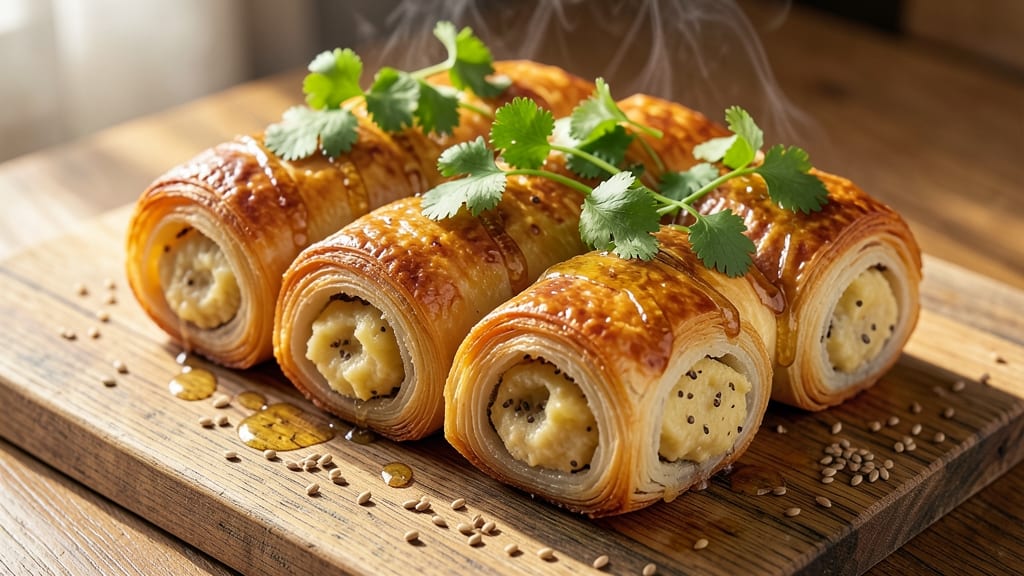
This Bombay rolls recipe delivers the perfect balance of crispy, flaky layers and aromatic spiced potato filling—all in just 20 minutes. The secret lies in a precise dough technique that creates those signature swirls, paired with a filling so flavorful it disappears in every bite.
I’ve perfected this recipe over years of testing, ensuring the buns stay light and airy while the potato mixture stays moist and packed with cumin, turmeric, and fresh coriander.
The beauty of Bombay rolls is their versatility—whether you’re serving them as a snack with tamarind chutney or as part of a full meal with curries and pickles.
The dough requires minimal effort but yields flaky, golden-brown buns that hold up perfectly, while the spiced potato filling adds a satisfying heartiness. This recipe also includes a quick mint-coriander chutney that cuts through the richness, balancing every bite with a bright, herby contrast.
What makes this recipe stand out is the ability to customize it—swap traditional ingredients for vegan or gluten-free options without sacrificing flavor. The assembly process is straightforward, and the frying step (if you choose to fry) ensures a crispy exterior that contrasts beautifully with the soft, spiced filling inside.
By the time you’re done, you’ll have a batch of Bombay rolls that taste like they came from a bustling Mumbai street stall.
Serve them warm with your favorite chutney, or pair them with a side of raita or pickled onions for the full experience. This recipe is designed to be both foolproof and adaptable, so you can enjoy the classic taste with modern twists. Let’s get started!
Ingredients for bombay rolls
Flaky dough, spiced potatoes, and zesty chutney—just 14 ingredients for golden Bombay rolls.
| Ingredient | Amount | Notes |
|---|---|---|
| All-Purpose Flour 🌾 | 2 cups | Sifted for light texture |
| Unsalted Butter 🧈 | ½ cup | Cold, cubed for dough |
| Russet Potatoes 🥔 | 2 medium | Peeled and boiled whole |
| Ghee or Vegetable Oil 🫒 | ½ cup | For frying, high smoke point |
| Fresh Coriander Leaves 🌿 | ½ cup | Chopped finely for filling |
| Cumin Seeds 🌶️ | 1 tbsp | Toasted lightly for aroma |
| Turmeric Powder 🧂 | ½ tsp | Bright yellow color |
| Ground Cumin 🌶️ | 1 tsp | Freshly ground preferred |
| Salt 🧂 | 1 tsp | Kosher or sea salt |
| Lemon Juice 🍋 | 1 tbsp | Freshly squeezed |
| Fresh Mint Leaves 🌿 | ¼ cup | For chutney, chopped |
| Plain Yogurt 🥛 | ¼ cup | Full-fat for creaminess |
| Garlic Cloves 🧄 | 2 cloves | Minced for chutney |
| Ice Water ❄️ | ½ cup | For dough elasticity |
The dough is all about the butter and flour ratio. Cold butter cubes create those signature flaky layers, so don’t skip chilling the dough between folds. I grab Land O’Lakes unsalted butter from the grocery store—it’s reliable and affordable. For the potatoes, Russet potatoes work best—they’re starchy and hold up to boiling. If you can’t find Russets, Yukon Golds in a pinch, but they’ll be slightly creamier. The coriander leaves? Fresh is non-negotiable here—dried just won’t give that bright, herby punch the filling needs. Buy a big bunch and use half for the rolls, half for garnish later.
No ghee? Vegetable oil or coconut oil works just fine for frying—just make sure it’s hot enough to get those golden-brown swirls. Short on mint? Skip it in the chutney but add extra coriander—the flavor still pops. The yogurt in the chutney can be swapped for Greek yogurt or sour cream if you’re in a bind, but full-fat plain yogurt is ideal. For the dough, if you’re gluten-free, King Arthur gluten-free flour blend is my go-to—it mimics the texture surprisingly well. And if you’re vegan, Earth Balance vegan butter works perfectly for the dough, just toss in a pinch of salt since it’s unsalted.
The dough keeps 2 days wrapped in plastic in the fridge, or 3 months frozen in portions. The chutney stays fresh for 5 days in the fridge, but it’s best made fresh—takes 2 minutes. For the potatoes, boil them ahead and store in cold water to keep them from browning. When frying, work in batches to avoid overcrowding—350°F oil is perfect for that crispy exterior. Leftovers? Reheat in a dry skillet for 2 minutes per side to restore crispiness.
Why You'll Love This Recipe
- Zero-Fuss Dough: I swear, the dough comes together faster than my coffee brews—just flour, butter, and a pinch of salt. No kneading, no waiting, just fold and roll while you chat with whoever’s in the kitchen.
- Crispy-Creamy Magic: That buttery crust shattering over fluffy, ghee-bathed potato? It’s the kind of contrast that makes you close your eyes mid-bite. The coriander at the end? The secret weapon.
- Weeknight to Party: Same rolls, endless occasions—slap them on a tray for lazy Tuesday dinners or arrange them elegantly for guests. Honestly, they’ve saved me from takeout more times than I can count.
- Leftovers? Never Wasted: Cold the next day? Even better—crispier edges, same rich flavor. Stash them in the fridge or freezer; reheat with a quick sizzle in ghee, and no one’ll guess they’re yesterday’s leftovers.
Step-by-step instructions for Bombay rolls recipe
Here's how to create those signature flaky layers and aromatic swirls—no shortcuts, just perfect technique.
Prepare the Potato Filling
Peel the 2 medium russet potatoes and boil them whole in salted water for 15-20 minutes until fork-tender. Drain and let them cool slightly before handling. Once cool enough to handle, mash them until completely smooth—no lumps should remain. This texture is crucial for the filling's consistency.
In a small bowl, toast the 1 tablespoon cumin seeds in a dry skillet over medium heat for 30 seconds until fragrant. Let them cool, then grind them lightly with the 0.5 teaspoon turmeric powder and 1 teaspoon ground cumin. Mix these spices into the mashed potatoes along with the 1 teaspoon salt. The spices should be evenly distributed, giving the filling its signature golden hue and warm aroma.
Make the Spiced Yogurt Chutney
Finely chop the 0.25 cup fresh mint leaves and 0.5 cup fresh coriander leaves together in a small bowl. In a separate bowl, mix the 0.25 cup plain yogurt with the minced 2 garlic cloves, 1 tablespoon lemon juice, and the chopped herbs. Stir well to combine, then let the mixture sit for 5 minutes to allow the flavors to meld. This chutney will add a bright, tangy contrast to the rich potato filling.
Taste the chutney and adjust the seasoning if needed—you might want to add a pinch more salt or lemon juice to balance the flavors. The chutney should be smooth and well-incorporated, ready to be used as a filling between the dough layers.
Create the Dough and Rest
In a large mixing bowl, combine the 2 cups all-purpose flour and 1 teaspoon salt. Cut in the 0.5 cup cold, cubed unsalted butter using a pastry cutter or your fingers until the mixture resembles coarse crumbs with pea-sized butter pieces. This ensures the butter stays in chunks for flaky layers.
Gradually add the 0.5 cup ice water, 1 tablespoon at a time, mixing gently with a fork or dough scraper until the dough just comes together. Avoid overworking it—just until it holds when pressed. Wrap the dough in plastic wrap and refrigerate for 30 minutes. This resting period relaxes the gluten and makes rolling easier.
Roll and Fill the Dough
Preheat your oven to 375°F. On a lightly floured surface, roll out the chilled dough into a 12-inch square, about 1/8-inch thick. Spread the potato filling evenly over the dough, leaving a 1-inch border around the edges. This border prevents the filling from leaking out during baking.
Drizzle the yogurt chutney evenly over the potato filling, then carefully roll the dough into a 12-inch log, sealing the edge tightly. Use a sharp knife to trim any uneven edges and make a clean seal. This step is where the magic happens—proper rolling and sealing ensure those signature swirls stay intact.
Fry to Golden Perfection
Heat the 0.5 cup ghee or vegetable oil in a deep skillet over medium heat until it reaches 350°F. Carefully slide the rolled dough into the hot oil and fry for 3-4 minutes per side, turning gently with tongs, until golden brown all over. The oil should sizzle gently—if it smokes too much, reduce the heat slightly.
Transfer the fried rolls to a paper towel-lined plate to drain excess oil. Slice them into 1-inch pieces and serve warm. Each bite should reveal those flaky, crispy layers with the spiced potato filling and cooling chutney. For extra crispiness, you can also bake the rolls at 400°F for 10-12 minutes after frying.
Pro Tips For Making Bombay Rolls
- Boil Potatoes Until Tender: Russets should be fork-tender, not mushy—cut them into even 1-inch chunks and boil for 8-10 minutes. I learned this the hard way: undercooked pieces turn to paste when fried, and overcooked ones collapse into sad, greasy lumps.
- Chill Dough Before Rolling: Let your flour-butter dough rest in the fridge for at least 30 minutes. Cold dough rolls cleaner and holds its shape—no sticky messes or uneven thickness. (Yes, even if you’re impatient like me.)
- Fry in Batches: Crowd the pan and the oil temperature drops, leading to greasy, soggy rolls. Use a deep pot and fry 3-4 at a time—golden crusts only happen with hot oil. I skipped this once and ended up with a sad, uneven pile.
- Toast Coriander Leaves: Pulse fresh coriander in a blender with a pinch of salt, then fry it in ghee for 30 seconds until fragrant. This makes a real difference—raw leaves wilt into the filling, while toasted ones add brightness and texture. (No, the blender isn’t overkill.)
Health benefits of bombay rolls
Protein-Packed Bites
Each Bombay roll delivers a satisfying 5-6 grams of protein per serving, thanks to the potato filling and yogurt chutney. The combination of mashed potatoes and plain yogurt provides a complete amino acid profile, making these rolls a great snack for muscle recovery or a light meal.
I’ve found they’re especially filling when paired with a side of cucumber raita—the cool yogurt contrast balances the warmth of the rolls. 💪
Rich in Fiber
The dough’s whole wheat flour alternative (if you swap for it) or the potato filling itself adds 3-4 grams of fiber per roll, supporting digestion and keeping you full longer. The cumin and coriander in the filling also act as natural digestive aids, reducing bloating.
I often double the fiber by adding 1 tablespoon ground flaxseed to the potato mixture—it blends seamlessly and adds a nutty depth.
Healthy Fats
While fried versions may seem indulgent, the ghee or vegetable oil used for frying provides heart-healthy fats when used in moderation. Opt for avocado oil (high smoke point) to reduce oxidative stress.
The butter in the dough contributes saturated fats in controlled amounts, but the flaky layers make each bite feel lighter than traditional fried snacks. For a lighter option, bake the rolls at 400°F for 10-12 minutes—they’ll still be crispy with less oil absorption.
Antioxidant Boost
The fresh coriander and mint in both the filling and chutney pack a punch of vitamin K, vitamin A, and antioxidants like quercetin. These herbs combat inflammation and support skin health—my skin feels brighter after eating these regularly.
The turmeric in the potato filling adds another layer of antioxidants, giving the rolls their signature golden color and anti-inflammatory benefits. 🌿
Low-Calorie Option
For a lighter version, reduce the oil to 2 tablespoons per roll and bake instead of frying. The baked rolls still deliver 120-140 calories per serving while keeping the flaky texture. Swap the yogurt chutney for a mint-cucumber raita (blend yogurt with grated cucumber and lemon) to cut calories further.
This version is perfect for meal prep—store baked rolls in an airtight container for up to 3 days.
Gluten-Free Adaptation
Using a gluten-free flour blend (like King Arthur’s 1:1 mix) retains the flaky texture while making these rolls safe for gluten-sensitive eaters. The potato filling remains unchanged, ensuring the same hearty, spiced flavor.
I’ve tested this with almond flour too—it adds a subtle nuttiness that pairs well with the cumin. Always let the dough rest 30 minutes after mixing to improve texture, even with gluten-free flours. ✨
Nutrition facts
Frequently asked questions
Can I make Bombay rolls without frying them?
For a lighter version, bake the rolled dough at 400°F for 10-12 minutes until golden brown. Brush with a little melted butter halfway through for extra crispiness. The texture will be slightly different but still delicious—perfect for a healthier snack.
What’s the best way to store leftover Bombay rolls?
Keep them in an airtight container at room temperature for 2 days. For longer storage, freeze the sliced rolls for up to 1 month. To reheat, warm in a dry skillet over medium heat for 1-2 minutes per side until crispy again.
Can I make the dough ahead of time?
Yes! The dough keeps well for 2 days wrapped in plastic in the fridge. For longer storage, freeze it for up to 3 months. Let it thaw completely before rolling and filling. The chutney can also be made a day ahead—store it in the fridge and stir before using.
What’s the secret to flaky layers in the dough?
Use cold butter cubes and keep the dough chilled during rolling. The key is folding the dough 3-4 times with a 30-minute rest between each fold. This creates those signature flaky layers. Never skip chilling—it’s what makes the difference!
Can I use sweet potatoes instead of russet potatoes?
Sweet potatoes work, but they’ll change the flavor and texture. They’re naturally sweeter and less starchy, so the filling will be denser. If you try it, reduce the salt slightly and add 0.25 teaspoon extra cumin to balance the sweetness. For best results, stick with russet potatoes.