
Breakfast & Brunch
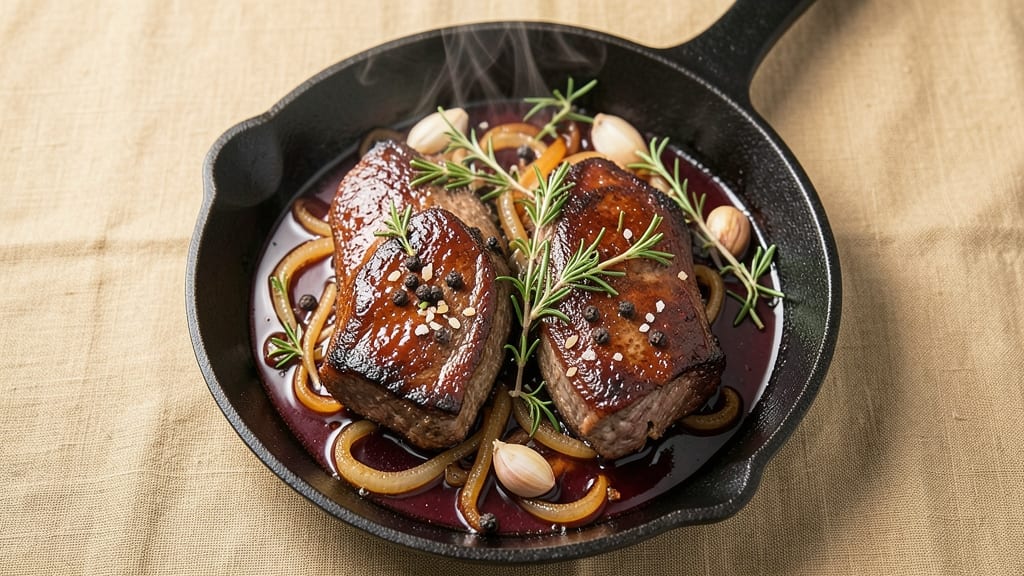
Mastering Big Green Egg short ribs delivers that perfect smoky-sweet crust and melt-in-your-mouth tenderness that makes every bite worth the wait. This recipe transforms tough cuts into restaurant-quality results using precise temperature control and traditional techniques like reverse searing.
The key lies in balancing indirect heat and wood choice to create that signature bark while keeping the meat juicy inside.
What sets this method apart is the dry brine technique, which enhances flavor and tenderness without adding moisture. You'll start with a simple marinade that infuses the ribs overnight, then cook them low and slow before finishing with high heat for that coveted crust.
The result? Short ribs that practically fall apart at the touch, wrapped in a caramelized exterior that's both sweet and smoky.
Pair these ribs with classic sides like roasted garlic potatoes or caramelized onions for a complete meal that feels indulgent yet balanced. The wood choice—cherry or hickory—adds depth to the flavor profile, while a bold red wine or craft beer complements the rich, meaty experience.
This is the kind of dish that turns casual cookouts into memorable gatherings.
Ready in about 4 hours (including prep and resting time), this recipe delivers professional-quality results with minimal effort after the initial setup. The secret is patience and attention to temperature—once you nail it, you'll never go back to store-bought again.
Let's get started on creating short ribs that'll have everyone asking for seconds.
Ingredients for big green egg short rib
Four pounds of beef short ribs and twelve carefully selected ingredients transform into restaurant-quality Big Green Egg short ribs.
| Ingredient | Amount | Notes |
|---|---|---|
| Beef Short Ribs 🥩 | 4 lb | Bone-in, 2-3 inches thick |
| Kosher Salt 🧂 | ½ cup | Diamond Crystal preferred |
| Black Peppercorns 🌶️ | 2 tbsp | Freshly cracked preferred |
| Garlic Cloves 🧄 | 8 cloves | Smashed, not minced |
| Yellow Onion 🧅 | 1 whole | Yellow or red, sliced |
| Fresh Thyme 🌿 | ¼ cup | Stems removed, chopped |
| Fresh Rosemary 🌿 | ¼ cup | Needles only, chopped |
| Extra-Virgin Olive Oil 🫒 | ¼ cup | For dry brine |
| Cherry Wood Chips 🌳 | 1 lb | Unsoaked, preferred |
| Hickory Wood Chips 🌳 | ½ lb | Unsoaked, optional |
| Apple Cider Vinegar 🍎 | ¼ cup | For bark enhancement |
| Brown Sugar 🍚 | ¼ cup | Light or dark |
| Beef Tallow 🧈 | ¼ cup | Or substitute with butter |
The beef short ribs are the foundation—look for bone-in cuts with 2-3 inches of meat for optimal tenderness. Whole Foods or high-end butchers carry the best quality, but any reputable grocery store's meat counter should have suitable options. The dry brine technique requires Diamond Crystal kosher salt for precise seasoning; avoid iodized table salt. Fresh herbs like thyme and rosemary should be vibrant and fragrant—wilted stems indicate age. For wood chips, Traeger or Cookshack brands provide consistent quality, and unsoaked chips ensure better smoke flavor. The cherry wood delivers sweetness, while hickory adds depth—both are essential for that signature Big Green Egg flavor profile.
No cherry wood chips? Hickory alone works, though the flavor will be less nuanced. Substitute beef tallow with unsalted butter (reduce by 1 tbsp to account for water content). For vinegar, balsamic or red wine vinegar both work, though apple cider vinegar provides the best balance. The garlic and onions can be pre-minced for convenience, but fresh is preferred for superior flavor. If using dried herbs, reduce to one-third the amount of fresh—dried rosemary is particularly potent. The brown sugar should be lightly packed for accurate measurement, and muscovado sugar adds a deeper molasses note if available.
Store uncooked ribs in the fridge for up to 3 days or freeze for 3 months—wrap tightly in plastic and foil to prevent freezer burn. Wood chips can be pre-soaked in water for 30 minutes before use, but unsoaked chips create more smoke. The dry brine mixture can be prepared 24 hours ahead and stored in an airtight container. Leftover cooked ribs reheat beautifully—350°F for 15 minutes in the oven with a splash of beef broth restores moisture without overcooking. Portion into single-serving containers for easy meal prep, and store cooked ribs in the fridge for 4-5 days or freeze for up to 3 months.
Why You'll Love This Recipe
- One-Pan Magic: I swear by this—just toss the ribs, onions, and garlic into the Green Egg, add salt and pepper, and let it do the work. No messy pots, no stirring every five minutes. Honestly, I’ve burned more than one pot roast; this method forgives me every time.
- Rich & Deep: That slow-cooked beef? It falls off the bone with a sauce so caramelized it’s basically edible glue. The onions turn sweet, the garlic melts into the meat, and the peppercorns add this little kick that makes it feel like a restaurant dish. (Yes, even on a Tuesday night.)
- Leftovers for Days: Make it once, eat it twice—maybe three times. The ribs reheat like a dream, and the extra sauce? Perfect for slathering on toast or tossing with mashed potatoes. I’ll be real: I’ve had this for breakfast. Don’t judge.
- Budget-Friendly Feast: Short ribs are cheaper than you think, especially when you’re feeding a crowd. A single Green Egg batch stretches to four meals, and the ingredients? Basic stuff you already have. My college budget would’ve wept with joy.
Step-by-step instructions for Big Green Egg short ribs
Master the Big Green Egg's low-and-slow technique for ribs that achieve both smoky-sweet bark and melt-in-your-mouth tenderness.
Prepare the Dry Brine and Season the Short Ribs
In a large bowl, combine the 0.5 cup kosher salt, 2 tablespoons black peppercorns (freshly cracked), and 0.25 cup brown sugar. This dry brine mixture will penetrate the meat deeply, enhancing both flavor and moisture retention. Using your hands, thoroughly coat each of the 4 lb beef short ribs with this mixture, pressing it into the meat to ensure even distribution. Pay special attention to the bone crevices and fat cap, as these areas often get overlooked but contribute significantly to flavor development.
Place the seasoned ribs on a wire rack set over a baking sheet to allow air circulation on all sides. Cover loosely with plastic wrap and refrigerate for 24 hours. This extended dry brine period is non-negotiable—it transforms tough short ribs into tender, flavorful masterpieces. After brining, pat the ribs dry with paper towels to remove any surface moisture, which is critical for developing that coveted smoky-sweet crust during cooking.
Build the Smoking Wood and Preheat the Big Green Egg
Fill the Big Green Egg's wood chip tray with 1 lb cherry wood chips and 0.5 lb hickory wood chips. These woods complement each other perfectly—cherry provides a subtle sweetness while hickory adds depth. Preheat the Egg to 225°F using the indirect heat method. You'll know it's ready when you see thin, blue smoke wafting from the chimney, indicating proper combustion without excessive heat. This low-and-slow temperature is essential for breaking down collagen in the ribs and achieving that fall-off-the-bone tenderness.
While the Egg preheats, prepare a 50/50 mixture of 0.25 cup apple cider vinegar and 0.25 cup beef tallow in a small saucepan. Heat this mixture gently until the tallow melts, then set aside. This vinegar-tallow blend will be used later to enhance bark development and add a subtle tangy complexity to the ribs.
Smoke the Short Ribs Low and Slow
Place the brined and dried short ribs directly on the grill grates of the Big Green Egg, arranging them in a single layer. Close the lid and smoke for 6 hours, maintaining the temperature between 225-250°F. During this time, resist the urge to open the lid—each time you do, you lose valuable heat and moisture. Instead, use a leave-one-hole-open technique if you need to check progress, opening just enough to peek without creating a significant draft.
After 6 hours, brush the ribs generously with the vinegar-tallow mixture you prepared earlier. This step is crucial for developing that prized smoky-sweet bark. Return the ribs to the Egg and continue cooking for an additional 3-4 hours, or until they reach an internal temperature of 195-203°F at the thickest part of the meat. The ribs should be fork-tender, with the connective tissue broken down into gelatinous goodness. If the bark starts to darken too quickly, you can tent the ribs loosely with aluminum foil to slow the process.
Rest and Slice for Maximum Tenderness
Once the ribs reach the target temperature, remove them from the Big Green Egg and transfer to a cutting board. Tent loosely with aluminum foil and let them rest for at least 30 minutes, or up to 2 hours in a cooler. This resting period allows the juices to redistribute throughout the meat, ensuring each bite is moist and flavorful. During this time, you can prepare your serving vessel by combining 8 smashed garlic cloves, 1 sliced yellow onion, 0.25 cup chopped fresh thyme, and 0.25 cup chopped fresh rosemary in a small bowl.
After resting, slice the short ribs against the grain into ½-inch thick portions. The meat should pull apart easily with minimal resistance, indicating perfect tenderness. Arrange the sliced ribs on a platter and spoon the garlic-onion-thyme-rosemary mixture over the top. Serve immediately, allowing guests to experience the full depth of flavors—smoky from the wood chips, sweet from the bark, and rich from the slow-cooked meat. The combination of tender texture and complex flavor profile makes these Big Green Egg short ribs a showstopper for any gathering.
Pro Tips For Making Big Green Egg Short Rib
- Sear First, Slow Later: Your Big Green Egg isn’t just a slow cooker—it’s a searing powerhouse. Hit 450°F for 5 minutes per side on the ribs before dropping them into the pot. I learned this the hard way when my first batch tasted like it had been braised instead of caramelized—the crust makes all the difference when you’re dealing with tough cuts.
- Trim the Fat, Not the Flavor: Leave the fat cap on the short ribs—it’s your friend in the Green Egg. But scrape off any silverskin or gristle clinging to the bones. My butcher once laughed when I asked, but I swear the ribs fall apart cleaner when you do this. Just don’t go overboard; you’re not making filet mignon here.
- Salt Before You Sear: Generously coat the ribs with kosher salt before they hit the heat—at least 30 minutes ahead. This isn’t just about seasoning; it’s about drawing out moisture so the crust forms properly. I used to salt after searing, and my ribs always ended up dry. (Yes, even if you’re impatient like me.)
- Check the Lid Fit: The Green Egg’s lid should sit snug but not jammed—especially with ribs releasing juices. If it’s too tight, steam will build up and turn your sauce into soup. I cracked the lid halfway through my first attempt and ended up with a watery mess. A quick test: press down gently before sealing.
Best sauces and condiments for this recipe
Classic Red Wine Reduction
This rich, velvety sauce transforms the natural juices from your short ribs into a luxurious glaze. After removing the ribs from the Big Green Egg, place the cooking vessel on a stovetop burner and add 1 cup red wine (I recommend Cabernet Sauvignon for its bold tannins).
Simmer for 10 minutes to reduce by half, then whisk in 2 tablespoons beef tallow and 1 tablespoon brown sugar to create a glossy finish. Strain through a fine-mesh sieve to remove any sediment, then drizzle generously over the sliced ribs.
This sauce enhances the smoky-sweet flavors while adding a touch of elegance. 🍷
Smoky Chipotle Cream Sauce
For a tangy, smoky contrast, blend 1 cup sour cream, 2 tablespoons adobo sauce (from canned chipotle peppers), 1 teaspoon smoked paprika, and ½ teaspoon garlic powder until smooth. Thin with 2 tablespoons beef broth if needed.
This sauce pairs beautifully with the rich short ribs, offering a creamy yet spicy counterpoint. Serve it warm or at room temperature for the best texture. 🌶️
Honey-Balsamic Glaze
Combine ¼ cup balsamic vinegar, 2 tablespoons honey, and 1 teaspoon Dijon mustard in a small saucepan. Simmer over medium heat until reduced by half (3-4 minutes), then brush generously over the ribs during the last 30 minutes of cooking.
The glaze caramelizes beautifully, adding a sweet-tart balance that complements the smoky bark. This sauce works especially well if you prefer a lighter finish. 🍯
Garlic-Herb Butter
Melt ½ cup unsalted butter with 4 minced garlic cloves, 1 tablespoon chopped fresh thyme, and 1 tablespoon chopped fresh rosemary in a small saucepan. Keep warm until ready to serve, then spoon dollops over the sliced ribs.
The herbaceous butter adds a fresh, aromatic note that cuts through the richness of the meat. This is my go-to for a quick, foolproof sauce that never overpowers the dish. 🧈
Spiced Tomato Jam
Simmer 1 cup crushed tomatoes, 2 tablespoons brown sugar, 1 teaspoon ground cumin, ½ teaspoon cayenne pepper, and 1 tablespoon apple cider vinegar for 20 minutes until thickened.
Spread a thin layer on the ribs during the final hour of cooking, or serve as a dipping sauce. The sweet-spicy tomato jam adds depth and a touch of heat that enhances the smoky flavors. 🍅
Creamy Horseradish Sauce
Mix ½ cup sour cream, 2 tablespoons prepared horseradish cream, 1 tablespoon Dijon mustard, and 1 teaspoon Worcestershire sauce until fully combined. This sauce adds a sharp, refreshing kick that balances the richness of the short ribs.
Serve chilled alongside the ribs for a sophisticated touch. The horseradish cuts through the fat beautifully, cleansing the palate between bites. 🌿
Nutrition facts
Frequently asked questions
How do I choose the best cut of beef for this Big Green Egg recipe?
Look for bone-in beef short ribs with 2-3 inches of meat thickness—this ensures optimal tenderness. The chuck or plate cut works best as it contains more connective tissue that breaks down beautifully during slow cooking. Avoid pre-boned cuts or those with excessive fat marbling, as they can affect flavor balance.
Can I use a different wood than cherry or hickory?
Yes! While cherry and hickory create the signature flavor, pecan or oak work well too. Avoid mesquite (too strong) or pine (can taste bitter). For a milder profile, try fruitwoods like apple mixed with hickory. The key is maintaining a 225-250°F temperature to prevent harsh smoke flavors.
What's the best way to store leftovers?
Let ribs cool completely, then wrap tightly in butcher paper or foil. Store in the fridge for 4-5 days or freeze for up to 3 months. Reheat in a 350°F oven for 15 minutes with a splash of beef broth to restore moisture. Never microwave—it ruins the texture.
Why are my ribs still tough after cooking?
This usually happens from overcooking (past 203°F internal temp) or not enough resting time. The solution: Cook to 195-203°F only, then rest 30+ minutes before slicing. Also ensure you're using bone-in ribs—the bone helps tenderize the meat. If they're still tough, try cooking 1-2 extra hours at 225°F.
Can I make this recipe in a regular grill instead of a Big Green Egg?
Yes! Use an indirect heat setup with charcoal or wood pellets, maintaining 225-250°F. The key is temperature control—avoid flare-ups by keeping the lid closed. You may need to add more wood chips as they burn faster in open grills. The cooking time will be similar, but monitor closely to prevent temperature swings.