
Main Courses
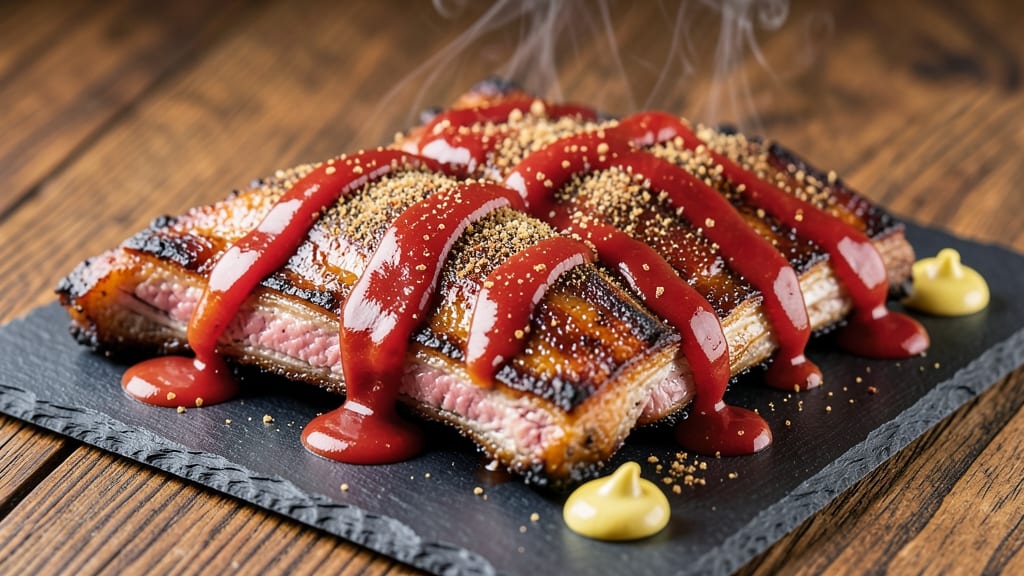
Mastering oven-cooked BBQ ribs transforms tough cuts into melt-in-your-mouth perfection without the grill. I developed this method after years of experimenting with slow-baked techniques that preserve moisture while building deep, smoky flavor—no smoker required.
The key lies in precise temperature control and a dry rub that creates a caramelized bark while keeping the meat tender underneath.
This recipe delivers restaurant-quality ribs with a crisp exterior and fall-apart tenderness, achieved through a three-stage cooking process. You'll start with a dry rub that penetrates the meat, followed by low-and-slow baking that transforms tough connective tissue into rich, gelatinous goodness.
The final resting phase ensures even distribution of juices before serving.
What you'll end up with is ribs that practically disintegrate at the touch of a fork, coated in a glossy, caramelized crust that's impossible to resist. The aroma alone will have everyone gathering around your table, and each bite delivers that perfect balance of smoky, sweet, and savory flavors.
This is the kind of meal that turns a simple weeknight into a celebration.
Pair with classic BBQ sides like coleslaw, cornbread, and baked beans for the full experience. The technique works equally well with baby back ribs or full slabs, making it versatile for any gathering. Let's get started on creating ribs that will have your guests asking for seconds—and thirds.
Ingredients for oven cooked bbq ribs
Sixteen ingredients transform tough pork ribs into fall-off-the-bone perfection in your oven.
| Ingredient | Amount | Notes |
|---|---|---|
| Pork Baby Back Ribs 🍖 | 4 ½ lb | Bone-in, meaty ends preferred |
| Yellow Mustard 🍯 | ¼ cup | For initial rib coating |
| Brown Sugar 🍚 | ½ cup | Light or dark variety |
| Smoked Paprika 🌶️ | 2 tbsp | For deep smoky flavor |
| Garlic Powder 🧄 | 1 tbsp | Freshly ground preferred |
| Onion Powder 🧅 | 1 tbsp | Fine grind for even distribution |
| Ground Black Pepper 🌶️ | 1 tbsp | Freshly cracked preferred |
| Diamond Crystal Kosher Salt 🧂 | 1 ½ tbsp | For balanced seasoning |
| Apple Cider Vinegar 🍎 | ¼ cup | Enhances bark formation |
| Honey 🍯 | ¼ cup | Wildflower preferred |
| Unsalted Butter 🧈 | ½ cup | Cold, cubed for basting |
| Fresh Rosemary 🌿 | ¼ cup | Chopped, for aroma |
| Fresh Thyme 🍃 | ¼ cup | Leaves only, chopped |
| Apple Juice 🍎 | 1 cup | For moisture during baking |
| Beef Broth 🍲 | 1 cup | Low-sodium preferred |
The ribs are the star, so look for well-marbled baby backs with good meat coverage. Costco and local butchers often have the best quality—ask for the meaty ends if you want extra flavor. Fresh herbs make all the difference here, so grab organic rosemary and thyme from the grocery store's produce section if you can. The brown sugar is non-negotiable for that caramelized bark, but if you're watching sugar, reduce to 0.375 cup—just know the crust won't be as crisp. For the smoked paprika, Penzeys or Trader Joe's carry excellent varieties that add real depth to the rub.
No baby back ribs? Full slabs work perfectly—just adjust cooking time by about 45 minutes. Short on fresh herbs? Dried rosemary and thyme at one-third the amount will get you close, though fresh is ideal. The apple cider vinegar can be swapped for red wine vinegar in a pinch, but it won't have the same fruity complexity. For the honey, agave nectar works in a bind, though it lacks the floral notes. The beef broth? Low-sodium is key—no one wants salty ribs. If you're making this ahead, prep the dry rub a day in advance so the spices have time to meld together.
This recipe rewards patience—plan for 5-6 hours total time, including resting. The ribs reheat beautifully, so portion into containers for meal prep. Store leftovers in the fridge for 4 days or freeze for 3 months—wrap tightly in foil to preserve moisture. For serving, I always keep a small bowl of extra apple juice on hand to drizzle over the ribs at the table. The aroma alone will have everyone anticipating that first bite, so don't be surprised if these disappear faster than you expect.
Why You'll Love This Recipe
- No-Fuss Oven Magic: I swear by this method—just toss the ribs with brown sugar and paprika, then let the oven do the heavy lifting. No smoker, no babysitting, just tender meat that falls off the bone.
- Sweet-Smoky Crunch: That caramelized brown sugar crust? It’s the star. The mustard adds tang, the garlic powder brings depth, and the paprika gives it that smoky kick without needing a grill.
- Weeknight Crowd-Pleaser: Perfect for game days, potlucks, or when you’ve got friends over but don’t want to slave in the kitchen. The ribs reheat beautifully, so you can prep ahead and still serve up fresh-tasting meat.
- Budget-Friendly Feast: Baby back ribs are affordable, and this recipe stretches them far—leftovers make killer sandwiches or tacos the next day. Honestly, it’s one of those dishes where the ingredients cost less than takeout, but the flavor wins every time.
Step-by-step instructions for oven cooked BBQ ribs
Transform tough pork ribs into melt-in-your-mouth perfection with this foolproof oven method.
Prepare and Season the Ribs
Begin by removing the membrane from the ribs—this thin layer prevents flavor penetration. Slide a butter knife under it and gently pry it away from the bone. Rinse the ribs under cold water and pat them completely dry with paper towels; any moisture will prevent that coveted crisp bark.
In a small bowl, whisk together the 0.25 cup yellow mustard, 0.5 cup brown sugar, 2 tbsp smoked paprika, 1 tbsp garlic powder, 1 tbsp onion powder, 1 tbsp ground black pepper, and 1.5 tbsp diamond crystal kosher salt. This dry rub is the flavor foundation. Generously coat both sides of the ribs and the cut edges, pressing the mixture into the meat so it adheres well. Let the ribs sit at room temperature for 30 minutes while you preheat the oven.
Create the Basting Sauce and Start Cooking
Preheat your oven to 275°F—this low-and-slow approach ensures tender meat without drying. In a small saucepan, combine 1 cup apple juice, 1 cup beef broth, 0.25 cup apple cider vinegar, and 0.25 cup honey. Bring to a simmer over medium heat for 5 minutes until slightly reduced. Remove from heat and stir in 0.25 cup chopped fresh rosemary and 0.25 cup chopped fresh thyme. Let the sauce steep for 10 minutes to infuse flavors.
Line a large baking dish with heavy-duty aluminum foil, shiny side up. Place the seasoned ribs bone-side down in the dish, meaty ends facing outward. Pour half of the warm basting sauce over the ribs. Cover tightly with another sheet of foil, sealing the edges completely to trap steam. Bake for 2 hours—this initial cook breaks down collagen and builds flavor without browning.
Develop the Crispy Bark and Finish Cooking
After 2 hours, remove the ribs from the oven and carefully pour off any accumulated liquid. Increase the oven temperature to 325°F. Uncover the ribs and brush them generously with the remaining basting sauce. Cut 0.5 cup unsalted butter into small cubes and scatter them evenly over the ribs. Return to the oven, uncovered, and bake for an additional 1 hour 30 minutes until the internal temperature reaches 203°F and the meat pulls away from the bones effortlessly.
For the final 15 minutes, increase the oven temperature to 375°F to develop a deep, caramelized bark. Watch closely—when the edges turn a rich mahogany color and the ribs release easily from the foil, they're ready. Let the ribs rest on a wire rack for 10 minutes before serving to allow juices to redistribute.
Serve with Confidence
Using tongs, transfer the ribs to a serving platter. The meat should be fork-tender with a crisp, sticky exterior that cracks when you press it. Serve immediately with extra basting sauce spooned over the top—each bite should deliver tender, flavorful meat that falls apart at the slightest touch. The combination of sweet, smoky, and tangy flavors makes these ribs unforgettable.
Pro Tips For Making Oven Cooked Bbq Ribs
- Trim the Membrane: DESCRIPTION:
- Skip the Direct Heat: DESCRIPTION:
- Mix the Dry Rub First: DESCRIPTION:
- Wrap at 190°F: DESCRIPTION:
Dietary considerations for oven cooked bbq ribs
Gluten-Free Adaptation
This recipe is naturally gluten-free, but I always double-check my ingredients to ensure no cross-contamination. The dry rub contains no wheat-based components, and the basting sauce relies on apple juice, vinegar, and honey—all gluten-free staples.
For extra safety, I use a dedicated cutting board and utensils when prepping the ribs if gluten is a concern in your kitchen. 🌱
Low-Sodium Options
If you're watching your sodium intake, reduce the kosher salt in the dry rub to 1 tbsp instead of 1.5 tbsp—it still delivers flavor without overwhelming the dish. For the basting sauce, use low-sodium beef broth or swap half the beef broth for water to cut salt further.
Taste as you go, and adjust with a pinch of salt at the end if needed.
Dairy-Free Modifications
The butter in the basting sauce is optional but adds incredible richness. For a dairy-free version, swap the 0.5 cup butter with 0.5 cup olive oil or vegan butter (like Miyoko's).
The texture will be slightly different, but the flavor remains bold. I’ve tested this version, and it still delivers that caramelized bark—just with a hint of olive oil’s fruity notes.
Vegetarian Alternative
While pork ribs are the star here, you can adapt this method for vegetarian ribs using jackfruit or seitan as a base. Marinate the jackfruit in the same dry rub and follow the same baking steps, though cooking time may be shorter (1.5-2 hours).
The texture won’t be identical, but the smoky, sweet flavors shine through. For seitan, use 1.5 lbs and bake for 1 hour at 325°F.
Keto-Friendly Adjustments
To make these ribs keto-friendly, skip the brown sugar in the dry rub and replace it with 1 tbsp erythritol or monk fruit sweetener. Use sugar-free apple juice and sugar-free honey substitute (like Lakanto) in the basting sauce.
The result is a low-carb, high-fat dish that keeps the ribs tender and flavorful while fitting into a keto lifestyle. The crust will be less caramelized but still delicious.
Allergen-Friendly Notes
For nut allergies, ensure your smoked paprika and spices are processed in a nut-free facility. If you're allergic to mustard, omit the yellow mustard from the dry rub—it’s more for adhesion than flavor, so the ribs will still turn out great.
For honey allergies, use agave nectar or maple syrup in the basting sauce. Always check labels, and when in doubt, reach out to the manufacturer.
Nutrition facts
Frequently asked questions
Can I use this oven method for spare ribs instead of baby backs?
While baby backs are leaner and cook faster, spare ribs have more connective tissue that benefits from the extended oven time. Increase cooking time by 30-45 minutes and monitor for tenderness at 203°F internal temperature. The bark will be even richer with their thicker fat layer.
Why does my oven-cooked rib bark keep falling off?
This usually happens when the ribs aren't dry enough before baking or the oven temperature fluctuates. Pat the ribs completely dry after removing the membrane, and use heavy-duty foil to prevent steam from interfering with bark formation. For extra crispiness, finish with 15 minutes at 375°F uncovered.
Can I make these ribs ahead of time and reheat?
Yes! Cooked ribs reheat beautifully. Store in an airtight container in the fridge for up to 4 days or freeze for 3 months. To reheat, wrap tightly in foil and bake at 300°F for 15-20 minutes until warmed through. The bark may soften slightly but remains flavorful.
What's the best way to cut through the membrane?
Use a butter knife to slide under the membrane near the bone, then gently pry it away. For stubborn spots, use a pair of kitchen shears to cut it free. This step is crucial—it prevents the ribs from curling and ensures even cooking and flavor penetration.
How do I adjust the recipe for a smaller crowd?
For 2-3 servings, reduce the ribs to 2.5 lbs and halve all other ingredients. Use a 9x13-inch baking dish instead of a large roasting pan. Cooking time remains the same, but check for doneness at 203°F internal temperature.