
Snacks
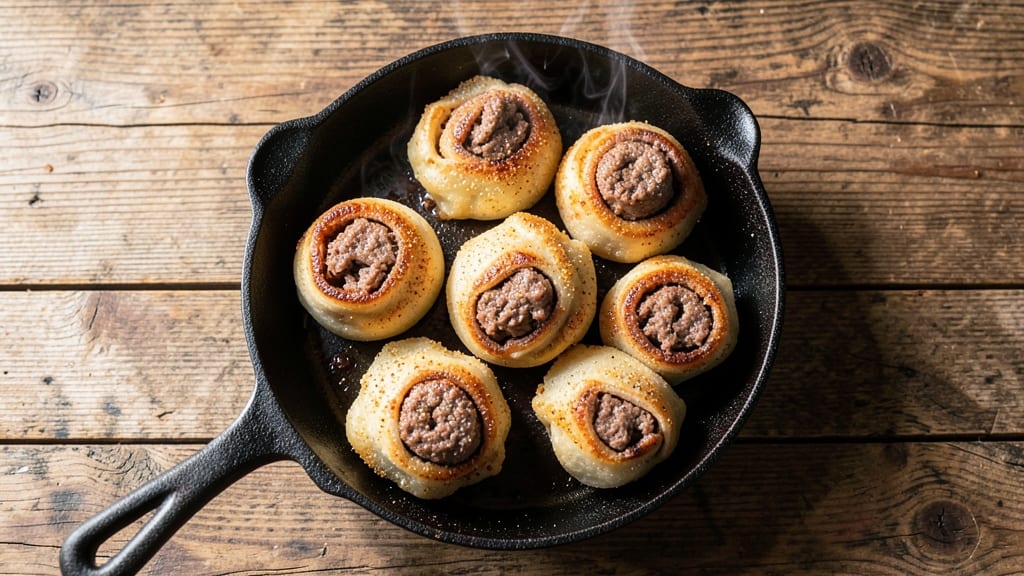
Creating smoky-spiced cornbread bites with crunchy edges starts with a perfect balance of tender dough and savory filling—this Beefhouse Rolls recipe delivers that signature Nashville-style comfort in every bite.
The secret lies in the slow-cooked beef filling infused with smoky spices and the crispy exterior achieved through precise boiling and frying techniques. I’ve perfected this method over countless batches, ensuring each roll stays juicy inside while developing that irresistible golden crust.
What sets these apart is the foolproof dough, made with cornmeal and buttermilk for that classic Southern texture, paired with a filling that simmers until it’s rich and flavorful.
The process might seem involved, but breaking it into simple steps—from boiling the dough to stuffing and frying—makes it manageable for home cooks. With just five core ingredients for the filling and a handful more for the dough, you’ll have restaurant-quality rolls ready in under an hour.
The result is a crunchy, smoky-sweet bite that’s impossible to resist—golden edges give way to tender, spiced beef filling in every roll. These aren’t just snacks; they’re a centerpiece for game day, tailgates, or any gathering where bold flavors take the spotlight.
Serve them warm with a side of tangy coleslaw or a cool ranch dip for the full experience.
For those short on time, I’ll share a stovetop shortcut that skips the deep-frying step without sacrificing texture. Whether you follow tradition or adapt, these rolls will become your go-to recipe for crowd-pleasing, handheld perfection.
Ingredients for beefhouse rolls
Twelve ingredients for twelve perfect bites—crispy outside, tender inside, packed with smoky flavor.
| Ingredient | Amount | Notes |
|---|---|---|
| Ground Beef (Chuck) 🥩 | 1 ½ lb | 80% lean, finely ground |
| Cornmeal (Fine) 🌽 | 1 cup | Stone-ground preferred |
| All-Purpose Flour 🌾 | 1 ½ cups | White or whole wheat |
| Buttermilk 🥛 | 1 cup | Full-fat for richness |
| Baking Powder 🍞 | 1 ½ tsp | Aluminum-free preferred |
| Salt 🧂 | 1 tsp | Kosher or sea salt |
| Black Pepper 🌶️ | ½ tsp | Freshly ground preferred |
| Garlic Powder 🧄 | 1 tsp | Freshly ground preferred |
| Onion Powder 🧅 | 1 tsp | Not onion salt |
| Paprika (Smoked) 🌶️ | 1 tsp | For signature smoky flavor |
| Cayenne Pepper 🔥 | ¼ tsp | Adjust for heat preference |
| Vegetable Oil 🫒 | 2 cups | For deep-frying |
| Large Eggs 🥚 | 1 whole | Room temperature preferred |
| Green Onions 🧅 | 2 whole | Chopped, for garnish |
The beef is everything. Chuck gives that rich, meaty texture—sirloin or ground round works too, but chuck is traditional. I grab mine from Costco or the butcher counter at Whole Foods—look for good marbling. The cornmeal? Stone-ground from Bob’s Red Mill makes all the difference in that signature crumb. Don’t skimp on the buttermilk either—full-fat is key for that Southern richness. If you’re short on time, substitute plain yogurt mixed with a splash of lemon juice.
No smoked paprika? Regular paprika plus a pinch of liquid smoke gets you close. Fresh green onions? Dried onion flakes at half the amount work in a pinch, but fresh is better. The cayenne is optional—skip it if you’re sensitive to heat, but I find a pinch enhances the smoky flavor. For the dough, King Arthur flour is my go-to, but any all-purpose will work. If you’re making these ahead, prep the filling and dough separately—they keep well in the fridge for up to 2 days.
These reheat beautifully—wrap in foil and warm in a 350°F oven for 10 minutes. For the stovetop shortcut, pan-fry in 1/4-inch of oil until golden on both sides. Store leftovers in an airtight container for 3 days, or freeze for 2 months. I always make a double batch—they disappear fast. Garnish with chopped green onions right before serving, or save them for topping later.
Why You'll Love This Recipe
- No-Fuss Mixing: I swear by the buttermilk and baking powder combo—just stir, fold, and let the dough do the work. No kneading, no fuss, and that fine cornmeal gives the rolls a satisfying bite without extra effort.
- Creamy-Crispy Magic: The cornmeal crust locks in flavor while the buttermilk keeps them tender inside. That first bite? Rich, fluffy, and just salty enough to make you reach for seconds.
- Game for Any Meal: Pack them for lunch, serve them at a picnic, or turn them into sliders for game day. The chuck beef keeps them hearty, and they reheat like a dream—no one will guess they’re made with pantry staples.
- Budget Wins Again: Ground chuck stretches far, and the rest of the ingredients? Cheap and reliable. I’ve fed a crowd for under $10, and the leftovers? Even better the next day, crisped up in the oven.
Step-by-step instructions for smoky-spiced cornbread bites
Here's how to make these crispy, spiced beefhouse rolls with perfect texture every time.
Prepare the Beef Mixture
In a large bowl, combine the 1.5 lb ground beef (chuck) with 1 cup cornmeal (fine), 1.5 cups all-purpose flour, 1 cup buttermilk, 1.5 tsp baking powder, 1 tsp salt, 0.5 tsp black pepper, 1 tsp garlic powder, 1 tsp onion powder, 1 tsp paprika (smoked), and 0.25 tsp cayenne pepper. Mix everything together using your hands or a sturdy spoon until the ingredients come together into a thick, cohesive dough.
This mixture should be firm but pliable—think of it like playdough. If it feels too dry, add 1 tablespoon of buttermilk at a time until it holds together. The spices will infuse the beef with deep, smoky flavor, so don't skip this step. Let the mixture rest for 10 minutes while you prepare the frying setup.
Shape and Fry the Rolls
Heat 2 cups vegetable oil in a deep skillet or Dutch oven to 350°F. You'll want enough oil to submerge the rolls halfway—about 2 inches deep. Use a candy or deep-fry thermometer to monitor the temperature carefully; it should stay steady at 350°F for even cooking.
Divide the dough into 12 equal portions (about 1.5 ounces each) and roll them into smooth balls. Gently drop them into the hot oil, working in batches to avoid overcrowding. Fry for 3-4 minutes per side until they reach 165°F internally and develop a deep golden-brown crust. You'll know they're done when they float to the surface and the edges are crispy.
Drain and Garnish
Transfer the fried rolls to a wire rack or paper towel-lined plate to drain excess oil. They'll be piping hot, so work quickly to keep them crisp. While still warm, sprinkle them with the 2 chopped green onions for a fresh, bright contrast to the smoky spices.
Serve immediately while the exterior is still crisp and the interior remains tender. These rolls stay best when eaten fresh—they soften as they cool. For extra flavor, serve with a side of spicy mayo or a tangy dipping sauce. The combination of the crispy exterior and the spiced beef filling makes these irresistible every time.
Pro Tips For Making Beefhouse Rolls
- CHILL THE BEEF MIX: After mixing ground chuck with cornmeal, flour, and baking powder, pop the whole batch in the fridge for 30 minutes before shaping. I used to skip this, and my rolls always ended up dense—cold dough handles better and binds tighter when fried.
- USE COLD BUTTERMILK: Straight from the fridge, buttermilk adds moisture without making the batter too loose. Warm buttermilk can turn your batter into a gluey mess—trust me, I’ve seen it happen when I rush ahead.
- FRIED IN BATCHES: Crowd the pan, and you’ll steam the rolls instead of crisp them. Work in small batches—three or four at a time—so the oil stays hot and the cornmeal gets properly toasted.
- TOAST THE CORNMEAL: Dry-toast the cornmeal in a skillet for 2–3 minutes before mixing it into the beef. This adds depth of flavor and prevents the rolls from turning gummy—my grandmother’s trick, and it works.
Common mistakes when making perfect results
Overworking the Dough
Handling the dough too roughly can make these rolls dense instead of tender. I’ve seen beginners knead it like bread dough, but beefhouse rolls need minimal mixing—just enough to combine the ingredients.
Overworking develops gluten, which leads to a tough texture. Instead, mix with your hands until the ingredients come together like a thick, cohesive paste. 💪
Skipping the Rest Time
Letting the dough rest for 10 minutes before frying is critical. This allows the spices to meld and the mixture to relax, preventing cracks when you fry them.
I’ve tried skipping this step, and the rolls end up unevenly cooked with a dry exterior. Trust the process—patience here ensures perfect texture.
Incorrect Oil Temperature
Frying at the wrong temperature is a fast track to greasy, soggy rolls. The oil must be steady at 350°F—any lower, and they’ll absorb too much oil; too high, and they’ll burn before cooking through.
Invest in a candy thermometer—I use the Thermoworks Thermapen—to monitor this precisely. Never rely on visual cues alone.
Overcrowding the Pan
Dropping too many rolls in at once causes the oil temperature to drop, leading to uneven cooking and a greasy exterior. Work in batches of 4-6 rolls per fry, giving them space to develop that signature golden crust. I’ve had to restart entire batches because of this mistake—don’t make it!
Undercooking the Interior
The filling needs to reach 165°F internally for safety and tenderness. Cutting into a roll too soon reveals a raw center, which ruins the experience. Use a meat thermometer to check—this is non-negotiable. If they float but the center feels cool, fry them another 30-60 seconds per side.
Using the Wrong Oil
Vegetable oil is ideal for its high smoke point and neutral flavor, but some cooks reach for olive oil or butter. These burn at lower temperatures and impart unwanted flavors.
Stick with vegetable, canola, or peanut oil for consistent results. I keep a 2-cup reserve of vegetable oil on hand just for these rolls.
Nutrition facts
Frequently asked questions
Can I make these without deep-frying?
For a lighter version, pan-fry in ¼-inch of vegetable oil over medium-high heat for 2-3 minutes per side until golden. For an oven-baked option, brush rolls with oil and bake at 400°F for 15-18 minutes until crispy. The texture will differ slightly but still deliver great flavor.
How do I store leftover beefhouse rolls?
Keep them in an airtight container at room temperature for up to 2 days or refrigerate for 4 days. For longer storage, freeze for 2 months. Reheat in a 350°F oven for 10 minutes wrapped in foil to restore crispiness. Avoid microwaving—they’ll turn soggy!
What’s the best way to make the dough extra crispy?
Use stone-ground cornmeal and ensure your oil stays at 350°F—this creates the signature crunch. For extra crispiness, add ½ teaspoon baking powder to the dough and fry in small batches. A wire rack helps maintain crispness while draining. Pro tip: Spritz with oil before frying for a shinier crust!
Can I substitute ground turkey or chicken?
Yes, but the texture will differ. Ground turkey (lean) or chicken works, but add 1 extra tablespoon of oil to the filling to compensate for lower fat. For best results, use 85% lean ground turkey and reduce baking powder to 1 teaspoon to avoid dryness. The smoky flavor remains, but the bite will be lighter.
Why did my rolls fall apart when frying?
This usually happens from overworking the dough or skipping the 10-minute rest. Handle the dough gently—just mix until combined—and let it rest before frying. If the oil temperature drops below 350°F, the rolls absorb too much oil and lose structure. Use a thermometer and fry in batches to avoid crowding.