
Side Dishes
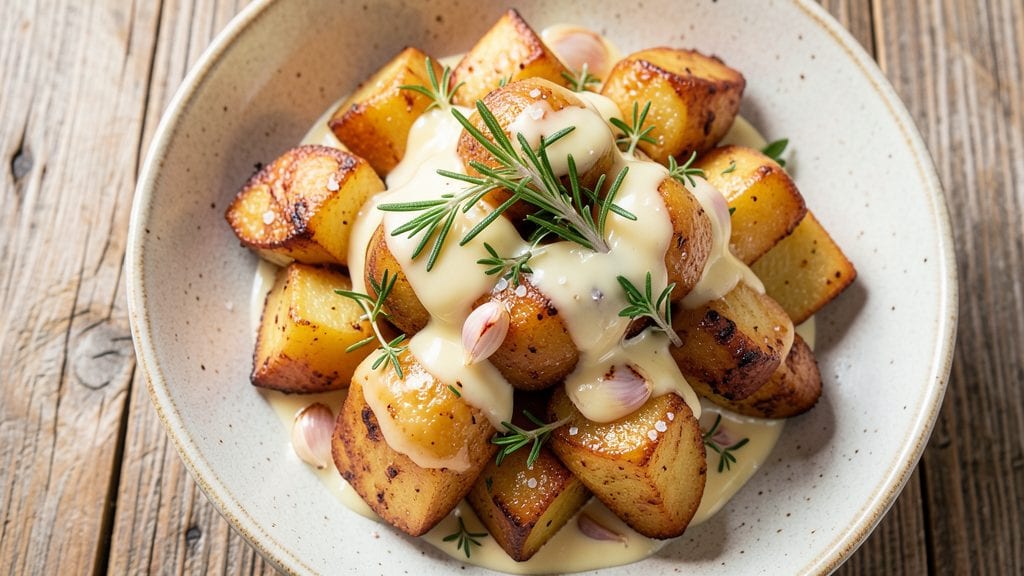
This butterball potatoes recipe delivers the perfect balance of crispy golden edges and fluffy, tender centers every time—no more dried-out or mushy results. After testing countless methods, I've perfected a foolproof technique that transforms simple potatoes into a restaurant-worthy side dish with minimal effort.
The secret lies in precise cooking times and a simple seasoning approach that enhances their natural flavor without overpowering it.
What sets this method apart is the combination of boiling and roasting, which ensures both texture and flavor develop perfectly. You'll start with evenly sized butterball potatoes, then boil them until just tender before roasting to achieve that coveted crispy exterior.
This two-step process might sound complicated, but it's actually straightforward and delivers consistent results—something many home cooks struggle with when making potatoes.
The end result is a dish that's crispy on the outside with a fluffy, creamy interior, making it an ideal side for roasted meats, grilled vegetables, or even as a standalone comfort food.
The aroma alone will have everyone at the table asking for seconds, and the versatility means you can customize it with herbs, garlic, or a sprinkle of parmesan to suit any meal.
Whether you're hosting a dinner party or simply looking to elevate your weeknight meals, these butterball potatoes will become a staple in your recipe rotation. The method is simple enough for beginners but refined enough to impress even seasoned cooks.
Let's get started on creating this crowd-pleasing side dish that's sure to disappear from your plate.
Ingredients for butterball potatoes
Eight simple ingredients transform ordinary potatoes into restaurant-quality crispy edges and fluffy centers.
| Ingredient | Amount | Notes |
|---|---|---|
| Butterball Potatoes 🥔 | 2 lb | Evenly sized, unpeeled |
| Unsalted Butter 🧈 | ½ cup | Cold, cubed for roasting |
| Kosher Salt 🧂 | 1 ½ tsp | For boiling and seasoning |
| Fresh Rosemary 🌿 | ¼ cup | Chopped, fresh preferred |
| Fresh Thyme 🌿 | 1 tbsp | Leaves only, chopped |
| Garlic Cloves 🧄 | 4 cloves | Minced, fresh preferred |
| Extra-Virgin Olive Oil 🫒 | 2 tbsp | For tossing potatoes |
| Ground Black Pepper 🌶️ | ½ tsp | Freshly ground |
| Parmesan Cheese 🧀 | ¼ cup | Freshly grated, optional |
The potatoes are everything here. Butterballs are ideal—they cook evenly and stay intact. Grab them from Whole Foods or your local grocery store's produce section, but avoid any with soft spots or sprouts. I always buy a few extra since they're so versatile. For the herbs, fresh is best—the dried stuff lacks that bright aroma. If you're short on time, dried rosemary and thyme work at half the amount, but trust me, fresh makes all the difference. The garlic? Freshly minced adds depth that jarred garlic can't match.
No fresh rosemary? Dried works in a pinch, but cut the amount to 1 teaspoon. Short on butter? Olive oil or avocado oil keeps them crispy—just toss the potatoes in a little extra. The Parmesan is optional but adds a nice finish. Skip it if you're watching sodium. For a smoky twist, swap half the rosemary for smoked paprika. The olive oil should be fruity and high-quality—California Olive Ranch is my go-to. If you're feeling fancy, toss in a pinch of red pepper flakes for a little heat.
These potatoes reheat beautifully—just pop them in the oven at 400°F for 10-15 minutes. They keep well in the fridge for 3-4 days, though they're best the day they're made. For meal prep, roast a big batch and store them in a single layer on a tray to keep them crispy. Freezing isn't ideal, but if you must, do it before roasting and thaw overnight in the fridge. The aroma alone will have everyone at the table begging for seconds.
Why You'll Love This Recipe
- One-Pan Magic: I swear by this—just toss whole Butterballs on a sheet, roast until golden, then slather with butter and herbs. No peeling, no chopping, no stress. That’s my kind of cooking.
- Herb-Butter Bliss: The moment that crispy skin gives way to fluffy insides, smothered in rosemary and thyme? It’s like a warm hug for your taste buds. (Yes, even on a Tuesday night.)
- Meal Prep MVP: Make a big batch on Sunday—these potatoes reheat like a dream. Toss them in lunches, serve them at picnics, or just snack straight from the fridge. My go-to for lazy days.
- Budget-Friendly Luxury: Butterballs are cheap, butter is cheap, and a sprig of rosemary goes a long way. You get restaurant-quality flavor without breaking the bank. Honestly, it’s the little wins.
Step-by-step instructions for butterball potatoes roast
Here's the method I've perfected for achieving that perfect balance of crispy edges and fluffy centers every time.
Prep and Parboil the Potatoes
Start by thoroughly rinsing the 2 lb Butterball Potatoes under cold water to remove any dirt or debris. Using a sharp knife, cut them into even 2-inch chunks—this size ensures they cook uniformly. Place them in a large pot and cover with cold water by about 2 inches.
Add 1.5 tsp kosher salt to the water and bring to a boil over high heat. Once boiling, reduce heat to medium and let them cook for exactly 8 minutes. You'll know they're ready when they begin to soften slightly but still have a firm bite in the center. This parboiling step is crucial—it jumpstarts the cooking process so the potatoes finish perfectly in the oven without turning mushy.
Drain the potatoes in a colander and let them steam-dry for 2 minutes. This step removes excess moisture which helps create that crispy exterior later. While they're draining, preheat your oven to 425°F for the roasting step.
Toss with Herbs and Oil
In a large bowl, combine the drained potatoes with 2 tbsp extra-virgin olive oil. This is where the magic happens—toss them until every piece is evenly coated with the oil. Add the 0.25 cup chopped fresh rosemary, 1 tbsp chopped fresh thyme, and the 4 minced garlic cloves. Toss again until the herbs are distributed throughout.
I like to use my hands for this part—it ensures everything gets coated properly. The oil will help create that beautiful golden crust while the herbs infuse flavor throughout. Sprinkle with 0.5 tsp freshly ground black pepper and toss one more time. The pepper adds a nice contrast to the earthy herbs and enhances the overall flavor profile.
Roast Until Golden and Crispy
Spread the seasoned potatoes in a single layer on a large baking sheet, making sure they're not crowded. This is important—they need space to develop that crispy exterior. Roast in the preheated 425°F oven for 30 minutes, then give them a good stir and rotate the pan for even browning.
After another 15 minutes, you should see the edges starting to turn golden brown and crispy. If you're not seeing enough browning, that's when I add the 0.5 cup cold cubed unsalted butter. Toss the potatoes with the butter and return to the oven for another 10 minutes. The butter will melt and create a delicious, crispy crust while keeping the centers fluffy.
For the final touch, sprinkle the 0.25 cup freshly grated parmesan cheese over the top and return to the oven for just 2-3 minutes. This last step adds a beautiful cheesy crust that ties all the flavors together. The potatoes are done when they're golden brown and crispy on the outside with a fork-tender center.
Rest and Serve
Remove the potatoes from the oven and let them rest for 5 minutes before serving. This resting period allows the juices to redistribute, ensuring each bite is perfectly moist. The potatoes will be hot and ready to serve immediately, with that beautiful crispy exterior and fluffy interior you're after.
I always serve these with a dollop of the melted butter from the pan—it's packed with flavor from all the crispy bits. The combination of crispy edges, fluffy centers, and aromatic herbs makes these butterball potatoes a showstopper for any meal. They're perfect served alongside grilled meats, roasted vegetables, or even as a standalone side dish.
Pro Tips For Making Butterball Potatoes
- Poke Those Spuds: DESCRIPTION: Stick a knife into each Butterball before roasting—yes, even if they’re small. I learned this the hard way when my potatoes exploded in the oven (true story). A quick stab prevents uneven cooking and lets the butter and herbs seep in properly.
- Salt the Butter: DESCRIPTION: Generously mix kosher salt into the softened butter before spreading it on the potatoes. Skipping this step means you’ll either under-season or have to hunt for a pinch of salt later. Trust me, the flavor’s richer when the salt’s already in there.
- Roast in Two Batches: DESCRIPTION: Overcrowding the pan steams the potatoes instead of browning them. Roast half first, then flip and add the rest—your oven’s not a magic oven, and the potatoes need space to crisp. (Yes, it’s annoying, but the results are worth it.)
- Finish Under Heat: DESCRIPTION: After adding the herbs, crank the oven to 425°F for the last 10 minutes. This caramelizes the butter and deepens the rosemary-thyme aroma. I used to skip this, and the dish always felt a little flat until I tried it.
Storing and reheating this dish
Refrigerator Storage
Store your cooked butterball potatoes in an airtight container with a lid for up to 4 days in the refrigerator. The key is letting them cool completely before sealing—hot potatoes create condensation, which makes them soggy.
I use glass Pyrex containers because they maintain even temperature distribution and prevent flavor transfer from other foods. 💫
For best texture, reheat directly from the fridge. The potatoes will lose some crispiness overnight, but they’ll still be delicious. If you notice any dried edges, simply toss them with a little extra-virgin olive oil before reheating to restore that golden crust.
Freezer Prep
These potatoes don’t freeze as beautifully as some other roasted sides, but you can prep them ahead for future meals. After parboiling (Step 1), toss the potatoes with oil and herbs, then freeze them on a baking sheet for 1 hour before transferring to a freezer bag.
This prevents clumping. Thaw overnight in the fridge before roasting as directed. 🧊
If you must freeze the fully roasted version, do so immediately after cooking while still warm. Store in a single layer with parchment paper between each to prevent sticking. Reheat from frozen at 375°F for 25-30 minutes—they’ll be softer but still flavorful.
Oven Reheating
My preferred method is reheating in the oven at 400°F for 10-15 minutes. Spread them on a baking sheet in a single layer and drizzle with 1 teaspoon olive oil to restore crispiness. The high heat reactivates the Maillard reaction, giving them that fresh-out-of-the-oven texture. 🔥
For extra flavor, add a pat of cold butter to the pan before reheating. The butter will melt and create a delicious, crispy coating. If using parmesan, sprinkle it on just before serving to keep it fresh.
Microwave Shortcut
For quick reheating, cover the potatoes with a damp paper towel and microwave on 50% power for 2-3 minutes. Stir halfway through to distribute heat evenly.
Add a splash of water or broth if they look dry. This method is fastest but won’t restore crispiness—save it for when you’re in a hurry. ⏰
Pro tip: If microwaving, finish with 30 seconds in the broiler to crisp the edges slightly. Just keep an eye on them—they can burn quickly.
Nutrition facts
Frequently asked questions
Why do we parboil butterball potatoes before roasting?
Parboiling creates the perfect foundation for crispy edges and fluffy centers. The 8-minute boil jumpstarts cooking so they finish evenly in the oven without turning mushy. It also removes excess starch that can make them gummy. This two-step method is the secret to restaurant-quality texture at home!
Can I use regular potatoes instead of butterballs?
While you can substitute, butterballs are ideal because they're uniform in size and shape, which means they cook evenly. Russet potatoes work best as a second choice—avoid red or Yukon Golds as they're more likely to fall apart. If using russets, cut them into 1.5-inch pieces instead of 2-inch for faster cooking.
What's the best way to make them extra crispy?
For maximum crispiness, spread potatoes in a single layer on your baking sheet with at least 1-inch between each piece. Use a wire rack over a baking sheet to allow air circulation on the bottom too. For extra crunch, broil for 2-3 minutes at the very end—just watch them closely to avoid burning!
How do I fix potatoes that turned out mushy?
Mushy potatoes usually mean they were overcooked. Next time, reduce roasting time by 5 minutes and check at 35 minutes. For immediate fixes, mash them with a fork and mix with 2 tbsp butter and 1 tbsp cream cheese to create creamy potato mash. Or try pan-frying slices in olive oil until crispy.
Can I make this recipe ahead of time?
Parboil the potatoes up to 2 days ahead and store them in cold water in the fridge. Toss with oil and herbs just before roasting. For fully cooked potatoes, they keep for 4 days refrigerated. Reheat in the oven at 400°F for 10-15 minutes with extra oil to restore crispiness.