
Soups & Stews
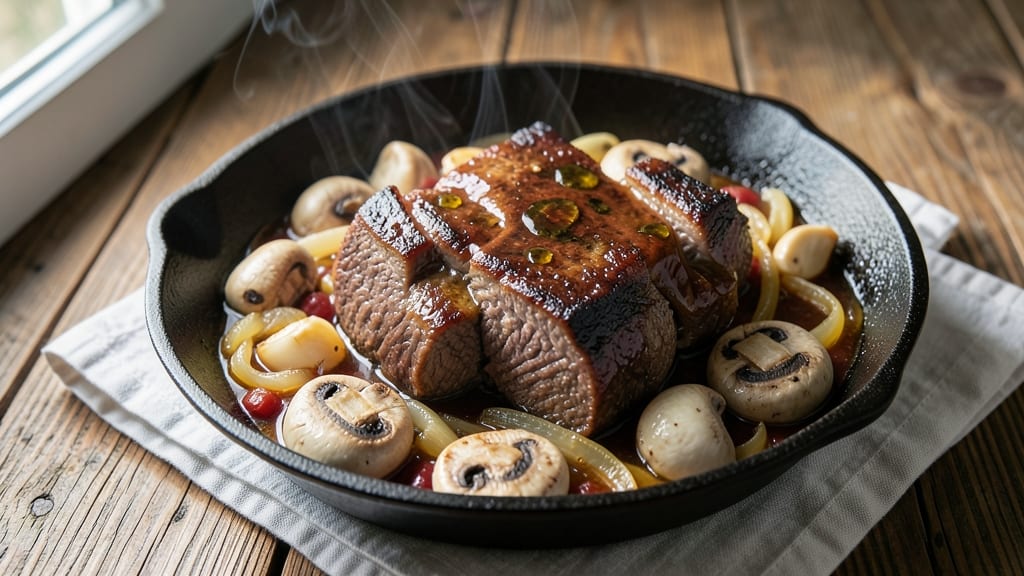
This beef Russian recipe delivers the slow-simmered richness that defines classic Russian comfort food, where tender beef and earthy mushrooms meld into a velvety sauce that clings to every bite.
The technique I’ve perfected—browning the meat deeply before simmering in a rich gravy—creates layers of flavor that transport you to a Moscow winter dinner table. What makes this dish truly special is the balance between hearty beef, delicate mushrooms, and a touch of sour cream that adds brightness without overpowering.
The foundation of this recipe lies in patience and precision: searing the beef in batches ensures a deep, caramelized crust, while slow cooking transforms tough cuts into fork-tender pieces.
Traditional Russian techniques like deglazing the pan with beef broth capture every bit of flavor, creating a sauce that’s both luxurious and deeply satisfying. This isn’t just a stew—it’s a celebration of Russian home cooking, where simplicity meets sophistication.
By the time you serve this dish, you’ll have a steaming pot of beef that’s melt-in-your-mouth tender, mushrooms that’ve absorbed the savory broth, and a sauce so rich it coats every noodle or slice of bread.
The aroma alone—warm, earthy, and slightly smoky—will have everyone at the table anticipating the first bite. Serve it with buttery mashed potatoes, crisp buckwheat, or crusty rye bread to soak up every last drop of that velvety sauce.
This recipe is designed for both weeknight dinners and special occasions, scaling easily from a family meal to a holiday feast. The beauty of traditional Russian dishes lies in their ability to feel both comforting and elegant, and this beef recipe delivers on both counts.
Whether you’re introducing your family to classic Russian flavors or recreating a dish from your own heritage, this method ensures professional-quality results every time.
Ingredients for beef russian
Rich beef, earthy mushrooms, and creamy sour cream—these are the stars of classic Russian comfort.
| Ingredient | Amount | Notes |
|---|---|---|
| Beef Chuck Roast 🥩 | 2 lb | Cut into 1.5-inch cubes |
| White Mushrooms 🍄 | 1 lb | Fresh, sliced into halves |
| Yellow Onion 🧅 | 1 whole | Medium, diced |
| Garlic Cloves 🧄 | 4 cloves | Minced, fresh preferred |
| Beef Broth 💧 | 3 cups | Homemade or quality store-bought |
| Tomato Paste 🍅 | 2 tbsp | Smooth, not chunky |
| Sour Cream 🥛 | ½ cup | Full-fat for creaminess |
| All-Purpose Flour 🌾 | 1 tbsp | For thickening sauce |
| Dried Bay Leaves 🍃 | 2 whole | Removed before serving |
| Black Peppercorns 🌶️ | 1 tsp | Freshly cracked |
| Salt 🧂 | 1 ½ tsp | Kosher or sea salt |
| Extra-Virgin Olive Oil 🫒 | 2 tbsp | For searing meat |
| Fresh Parsley 🌿 | ¼ cup | Chopped, for garnish |
| Buckwheat Groats 🌾 | 1 cup | Optional, for serving |
The beef is everything here. Chuck roast breaks down beautifully, but if you can't find it, chuck steak or even short ribs work too. I always grab mine from the butcher counter—it's cheaper per pound and fresher than pre-packaged. Look for good marbling; that's what gives you the flavor and tenderness. The mushrooms? White or cremini are perfect, but wild mushrooms add a gourmet touch if you're feeling fancy. Just make sure they're fresh—no slimy stems. For the broth, homemade is ideal, but Swanson or Knorr work in a pinch. The tomato paste? Trader Joe's has the best squeeze tubes—no waste, and it keeps for months.
No sour cream? Greek yogurt or crème fraîche will do, but it won't be quite the same. Short on bay leaves? Dried thyme at half the amount gives a similar earthy note. The flour is just for thickening—don't skip it, but don't overdo it either. If you're making this ahead, make the sauce first and store it separately. The beef and mushrooms can be cooked and refrigerated for up to 2 days, then reheated in the sauce. The buckwheat groats? Kasha is traditional—soak them overnight for the best texture, or use regular rice if you're in a hurry. And trust me, fresh parsley at the end brightens everything up.
This dish tastes even better the next day—honestly, the flavors meld even more. Store the beef and sauce separately in the fridge for up to 4 days, or freeze for 3 months. The buckwheat keeps for 6 months in a cool, dark place. When reheating, add a splash of broth to loosen the sauce. Serve it with crusty rye bread or buttery mashed potatoes—everyone will want seconds.
Why You'll Love This Recipe
- One-Pan Magic: I swear by this recipe when I’m too tired to scrub pots—just brown the beef, toss in the onions and mushrooms, pour on that rich broth, and let it slow-cook. The mushrooms soak up all the flavor like little flavor sponges, and the onions caramelize right in the pan. Minimal chopping, zero fuss.
- Deep Umami Bomb: That beef chuck roast? It gets so tender it practically melts, while the mushrooms add this earthy depth that makes every bite feel like a hug. Honestly, the garlic and broth create a sauce that’s rich but not heavy—it’s the kind of dish where you take a second helping without thinking.
- Leftovers That Save Me: This recipe makes way more than I need for dinner, and those leftovers? Even better the next day. I’ll slice the beef thin for sandwiches or toss it into a grain bowl—it’s my go-to for busy mornings. (Yes, even on a Tuesday when I’m running late.)
- Budget Beef Stretch: A chuck roast is cheap, and this method turns it into a meal that feels fancy without breaking the bank. I’ll often double the batch and freeze half—because nothing beats pulling out a pre-made pot of this when I’m craving comfort food but don’t want to slave over it.
Step-by-step instructions for beef Russian recipe
Here's how to create this hearty dish with tender beef and rich mushroom sauce.
Sear the Beef Chuck Roast
Heat a large Dutch oven over medium-high heat. Add the 2 tablespoons extra-virgin olive oil and let it get hot for about 2 minutes. Working in batches to avoid crowding, add the 2 lb beef chuck roast cut into 1.5-inch cubes. Sear each piece for 2-3 minutes per side until they develop a deep golden-brown crust.
This searing step is crucial—it builds flavor by caramelizing the meat's surface. I like to press down gently on the cubes during the first minute to prevent them from curling. Once all pieces are browned, transfer them to a plate and set aside temporarily.
Build the Mushroom and Aromatic Base
In the same Dutch oven, add the 1 lb white mushrooms sliced in half and the 1 whole yellow onion diced. Cook over medium heat for 8-10 minutes, stirring occasionally, until the mushrooms release their moisture and the onions become translucent.
Add the 4 cloves minced garlic cloves and cook for another 30 seconds until fragrant. Stir in the 2 tablespoons tomato paste and cook for 1 minute to develop its rich flavor. This aromatic base forms the flavor foundation for your dish.
Deglaze and Simmer the Beef
Pour in the 3 cups beef broth, scraping up any browned bits from the bottom of the pot. Return the seared beef to the Dutch oven. Add the 2 whole dried bay leaves, 1 teaspoon freshly cracked black peppercorns, and 1.5 teaspoons salt. Bring to a gentle boil.
Once boiling, reduce heat to low, cover partially, and let it simmer for 2 hours. This slow cooking time ensures the beef becomes fork-tender while developing deep flavor. I check periodically to ensure there's enough liquid—add a splash of water if needed.
Thicken the Sauce and Finish
After 2 hours, remove the beef from the broth and set aside. In a small bowl, whisk together the 1 tablespoon all-purpose flour and a splash of the beef broth to make a slurry. Stir this into the cooking liquid and simmer for 5 minutes until thickened.
Return the beef to the pot and stir in the 0.5 cup sour cream. Cook for another 2-3 minutes just to warm through—don't let it boil or the sauce will curdle. Taste and adjust seasoning if needed. The sauce should coat the back of a spoon with a velvety texture.
Serve with Buckwheat Groats
While the beef is simmering, cook the 1 cup buckwheat groats according to package instructions (usually 15-20 minutes in boiling salted water) until tender. Drain any excess liquid.
To serve, divide the buckwheat groats among plates, top with beef and sauce, and garnish with the 0.25 cup chopped fresh parsley. The combination of tender beef, rich mushroom sauce, and nutty buckwheat groats makes this a satisfying meal every time.
Pro Tips For Making Beef Russian
- Sear Until Black: Don’t rush the beef—get that chuck roast deep brown in a screaming-hot pan before adding anything else. I used to pull it too soon, thinking it’d cook faster later, but that’s when the flavor gets stuck in "meh" territory. Two minutes per side, no crowding the pan.
- Slice Onions Thin: Cut those yellow onions paper-thin—no thick rings. Thick slices turn mushy and watery while simmering, and you’ll end up with a soup instead of a rich sauce. My grandmother’s trick: Roll the onion, slice, then unroll. Works every time.
- Deglaze Aggressively: After searing the beef, scrape the browned bits hard with a wooden spoon—those are flavor bombs. Add a splash of beef broth right away and let it bubble, then repeat. Skimp here, and your sauce will taste like it’s missing something. (Yes, even if you’re impatient like me.)
- Mushrooms Last: Toss the mushrooms in after the onions soften and the beef’s halfway cooked. They’ll soak up broth like sponges if added too early, turning into sad, waterlogged blobs. Add them in the last 15 minutes for texture and depth. Trust the process.
Common mistakes when making your beef russian
Skipping the Sear
One of the biggest mistakes I see is rushing the searing step or skipping it entirely. That golden crust isn’t just for show—it’s where the Maillard reaction creates deep, complex flavors. If you crowd the pan or use too much oil, the beef will steam instead of brown.
I always work in batches over medium-high heat with just 2 tbsp olive oil for a perfect crust. 🔥
Overcrowding the Pot
Adding all the beef at once leads to uneven cooking and pale, bland meat. The goal is to get that deep caramelization on each piece. I use a 12-inch cast-iron Dutch oven and sear in batches—never more than 1 inch thick of meat at a time.
This ensures every bite has that rich, savory depth.
Ignoring the Deglaze
Those browned bits on the bottom of your pan are flavor gold! Skipping the deglaze step means losing 30-40% of the potential flavor in your dish. After searing, I immediately add 3 cups beef broth and scrape every last bit with a wooden spoon.
This creates a rich, umami-packed base for your sauce.
Rushing the Simmer
Low and slow is key—2 hours minimum—but I’ve seen people walk away after 30 minutes thinking it’s done. The beef needs time to break down into fork-tender perfection.
If you rush it, you’ll end up with chewy, tough meat. Keep the heat at low and check occasionally to add water if needed.
Adding Sour Cream Too Early
Stirring in the ½ cup sour cream while the sauce is still hot will make it curdle and split. Always warm it gently over low heat for just 2-3 minutes after removing the beef.
I even temper it first by mixing a spoonful into the hot sauce before adding the rest—this keeps it silky smooth.
Using Low-Quality Broth
The broth is the soul of this dish, so don’t cut corners. Homemade beef broth is ideal, but if using store-bought, Swanson or Knorr are decent options.
Avoid anything with artificial flavors or high sodium—your sauce will taste flat. I even reduce my homemade broth by 20% before using to concentrate the flavors. 💡
Nutrition facts
Frequently asked questions
What cut of beef works best for this Russian beef dish?
Chuck roast is ideal because it becomes tender when slow-cooked. If unavailable, use chuck steak or short ribs—both add rich flavor. Avoid lean cuts like sirloin, as they dry out during the long simmer. The key is choosing a cut with good marbling for maximum flavor.
Can I make this dish without sour cream?
Yes! Substitute with Greek yogurt or crème fraîche for tanginess. If avoiding dairy entirely, use a splash of beef broth or a spoonful of tomato paste to balance the richness. The sauce will be less creamy but still flavorful.
How do I prevent the sauce from getting too thick?
Add a splash of beef broth or water to thin it out while simmering. If using flour as a thickener, start with 1 tablespoon and adjust gradually. For extra insurance, whisk the flour into cold broth first to prevent lumps. The sauce should coat a spoon but still be pourable.
What’s the best way to reheat leftovers?
Reheat gently in a saucepan over low heat with a splash of broth to loosen the sauce. Avoid microwaving, as it can make the beef tough. For best results, warm the beef and sauce separately, then combine before serving. Leftovers keep well for 4 days in the fridge.
Can I substitute mushrooms in this recipe?
Yes! Try cremini or shiitake mushrooms for deeper flavor. For a vegetarian twist, use portobello caps or even hearts of palm (though texture will differ). Just ensure they’re sliced uniformly for even cooking.