Sauces & Condiments
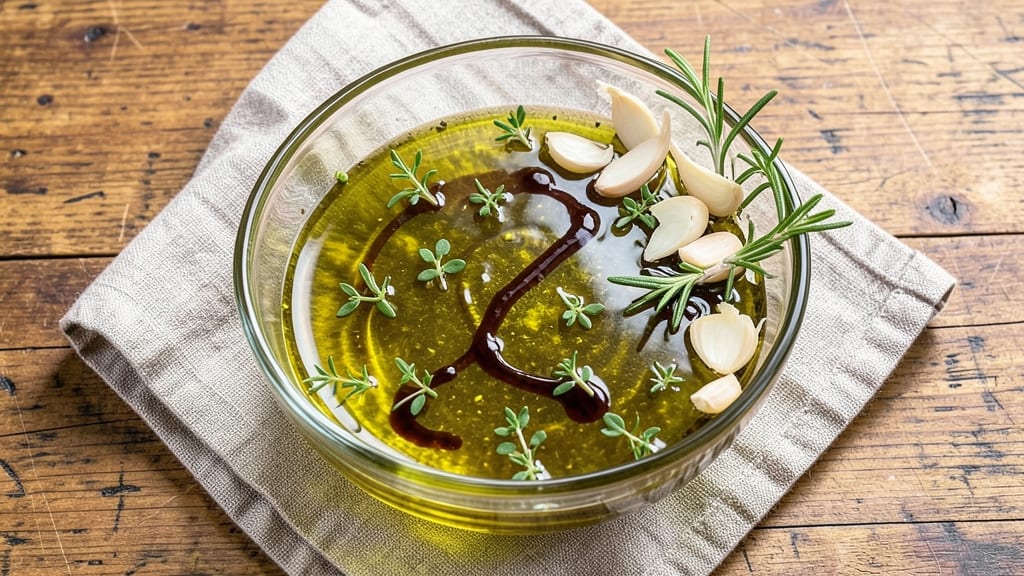
A basic steak marinade recipe transforms tough cuts into tender, flavorful masterpieces with just a few simple ingredients. This marinade cuts through fat while infusing bold, savory notes that elevate even the simplest steak—no fancy techniques required.
I developed it after years of testing marinades that either soaked meat too long or left it dry, and this version strikes the perfect balance.
The foundation of this marinade is a 1:1:1 ratio of oil, acid, and seasonings, ensuring moisture retention while tenderizing the meat. Olive oil carries the flavors deep into the steak, while red wine vinegar adds brightness without overpowering.
Fresh garlic and herbs like rosemary or thyme provide aromatic depth, and a touch of Worcestershire sauce adds umami complexity. The result? A marinade that works for ribeye, sirloin, or flank steak.
Let the steak soak for no more than 4 hours—longer risks breaking down the meat’s texture—then sear it in a hot pan for that perfect crust. This marinade stays fresh in the refrigerator for up to 5 days, making it ideal for meal prep.
Whether you're grilling, pan-searing, or broiling, this recipe delivers restaurant-quality flavor with minimal effort.
For best results, pat the steak dry before cooking to ensure a good sear. If you prefer a sweeter marinade, swap the vinegar for soy sauce or honey, but the classic version here remains my go-to for its bold, balanced taste. Let’s get started!
Ingredients for basic steak marinade
Nine simple ingredients that turn tough steak into restaurant-quality tenderness.
| Ingredient | Amount | Notes |
|---|---|---|
| Extra-Virgin Olive Oil 🫒 | ½ cup | High-quality, fruity preferred |
| Red Wine Vinegar 🍷 | ½ cup | Dry, bold variety |
| Fresh Garlic Cloves 🧄 | 6 cloves | Peeled, roughly chopped |
| Fresh Rosemary 🌿 | ¼ cup | Finely chopped, stems removed |
| Fresh Thyme Leaves 🍃 | ¼ cup | Or 1 tbsp dried thyme |
| Worcestershire Sauce 🍶 | 2 tbsp | Classic, not vegetarian |
| Kosher Salt 🧂 | 1 ½ tbsp | Fine grain preferred |
| Freshly Ground Black Pepper 🌶️ | 1 tsp | Coarse grind for texture |
| Granulated Sugar 🍬 | 1 tbsp | Balances acidity |
The olive oil is non-negotiable—look for extra-virgin with a fruity, peppery kick. Trader Joe's and Whole Foods have great options, but any good-quality bottle works. Fresh herbs make all the difference too—rosemary and thyme from the grocery store's produce section should smell vibrant, not wilted. The garlic? Six cloves is perfect for this batch, but if you're making more, scale it up. Worcestershire sauce adds that umami punch—Lea & Perrins is the classic choice, but any good brand works. Pro tip: Toast your rosemary sprigs in a dry pan for 30 seconds before chopping to deepen the flavor!
No red wine vinegar? Apple cider vinegar or balsamic works in a pinch, though the flavor shifts slightly. Short on fresh herbs? Dried thyme at one-third the amount saves the day. Want to skip sugar? Honey or maple syrup adds natural sweetness, but the granulated sugar here balances the acid perfectly. The salt is key—kosher or sea salt dissolves better than iodized table salt. If you're prepping ahead, store the marinade without the garlic or herbs (they oxidize fast) and add them just before using. This marinade works like magic on flank steak, sirloin, or even chicken thighs!
This marinade stays fresh for up to 5 days in the fridge. I always make a double batch—one for immediate use, one to freeze in ice cube trays for later. Label those cubes so you remember what's inside! Once mixed, keep it in a sealed jar or container. If you're marinating steak, never reuse the marinade—it's not safe after touching raw meat. For extra flavor, let the steak sit at room temperature for 20-30 minutes before cooking, but no longer than 4 hours total. Trust me, the wait is worth it!
Why You'll Love This Recipe
- Five-Ingredient Magic: I swear by this combo—just oil, vinegar, garlic, and herbs. No fancy pantry trips, no measuring cups that make me second-guess myself. The rosemary and thyme alone turn a basic cut into something special without overcomplicating things.
- Crispy-Creamy Balance: That red wine vinegar cuts through the richness, while the olive oil keeps the steak tender. The garlic? Oh, it caramelizes just enough on the grill to give you that perfect bite—crisp edges, juicy inside, every time.
- Weeknight to Date Night: Same marinade, endless uses. Toss it on skirt steak for tacos on a Tuesday, or let it sit overnight for a weekend dinner that feels fancy. Honestly, I’ve used it on chicken thighs too—works like a charm.
- Leftovers? Better Than New: Marinade doesn’t spoil, so I make a big batch and keep it in the fridge. A few hours in the fridge? Even better flavor. And if I forget to use it all? Drizzle it over roasted veggies or toss it into a quick pasta sauce. Zero waste, maximum flavor.
Step-by-step instructions for basic steak marinade
This marinade transforms tough cuts into restaurant-quality steaks with bold, balanced flavor.
Combine Wet Ingredients for Maximum Flavor Extraction
In a large bowl, whisk together the 0.5 cup extra-virgin olive oil and 0.5 cup red wine vinegar until fully emulsified. The oil should create a silky sheen over the vinegar, indicating proper blending. This combination creates the perfect acid-to-fat ratio that tenderizes while preventing the meat from drying out.
Next, add the 2 tablespoons Worcestershire sauce and 1 tablespoon granulated sugar. The Worcestershire adds depth with its umami complexity, while the sugar balances the acidity of the vinegar. Stir until the sugar dissolves completely—this ensures even distribution throughout the marinade. The mixture should look smooth and glossy, with no visible sugar granules remaining.
Incorporate Aromatics and Seasonings
Add the 6 peeled garlic cloves and 1.5 tablespoons kosher salt to the bowl. Use the back of a spoon to gently crush the garlic cloves—this releases their oils without turning the marinade into a paste. The salt should dissolve completely, enhancing the flavor profile and helping the marinade penetrate the meat fibers.
Finally, stir in the 0.25 cup finely chopped fresh rosemary and 0.25 cup fresh thyme leaves. The herbs should be evenly distributed throughout the marinade. Give everything a final stir, making sure the oil coats all the ingredients. The mixture should smell vibrant and complex, with bright herbal notes cutting through the richness of the oil.
Marinate Steaks for Optimal Tenderization
Place your steaks in a resealable plastic bag or shallow dish and pour the marinade over them, ensuring each piece is fully coated. If using a bag, press out excess air before sealing tightly. For best results, marinate for at least 4 hours—this allows the acid and enzymes to break down tough muscle fibers.
For thicker cuts like ribeye or New York strip, you can marinate for up to 12 hours in the refrigerator. However, avoid marinating for more than 24 hours, as the acid can start to "cook" the meat and make it mushy. The steaks should absorb the marinade completely, with a noticeable flavor infusion visible on the surface.
Prepare for Cooking (Don't Skip This!)
Remove the steaks from the marinade and let them sit at room temperature for 20-30 minutes before cooking. This ensures even heat distribution and prevents cold spots in the meat. Pat the steaks dry with paper towels—this step is crucial for achieving a perfect sear. The surface should be completely dry, with no excess marinade clinging to the meat.
Discard any leftover marinade that touched raw meat—never reuse it. The steaks are now ready for your preferred cooking method, whether that's grilling, pan-searing, or broiling. The marinade will have infused the meat with bold, aromatic flavors that cut through the richness of the fat, delivering a steak with depth and complexity in every bite.
Pro Tips For Making Basic Steak Marinade
- SMASH THE GARLIC: Mince it fine—I mean, you can’t see the pieces fine—and let it sit in the oil for 10 minutes before adding vinegar. This softens the raw bite and lets the flavor meld instead of hitting you like a garlic hammer. (Yes, I’ve learned this the hard way.)
- DON’T SKIP THE ROOM-TEMP EQUALIZE: Take your steak out of the fridge 30 minutes before marinating. Cold meat absorbs marinade unevenly, and you’ll end up with pockets of blandness. Trust me, the extra 30 minutes saves you from a sad, half-flavored steak later.
- VINEGAR FIRST, THEN OIL: Add the red wine vinegar to the oil last—after garlic, rosemary, and thyme—so it doesn’t cook down and turn the marinade into a sad, watery sauce. Stir it in right before pouring over the steak, and you’ll keep the bright acidity intact.
- SALT THE STEAK BEFORE MARINATING: A quick dry rub of salt (about 1 teaspoon per pound) 30 minutes before marinating draws out moisture, which helps the marinade penetrate deeper. I used to skip this, and the seasoning always felt like it was just sitting on top. Now it’s locked in.
Best sauces and condiments for this basic steak marinade
Classic Red Wine Reduction
This rich, velvety sauce elevates your steak to restaurant-level status with minimal effort. Simmer 1 cup red wine (like Cabernet Sauvignon) with 2 tbsp butter and 1 tbsp shallots until reduced by half.
Deglaze the pan with 2 tbsp beef stock, then whisk in 1 tsp Dijon mustard for depth. Strain and drizzle over your steak—it cuts through the fat while enhancing the marinade's herbal notes. 🍷
Garlic-Herb Butter
For a quick, luxurious finish, melt 4 tbsp unsalted butter with 3 minced garlic cloves, 1 tbsp chopped parsley, and a pinch of kosher salt. Swirl it over the steak just before serving—it creates a golden crust that melts into the meat.
I love adding a splash of lemon juice for brightness. This works especially well with ribeye or filet mignon.
Smoky Chipotle Aioli
Blend ½ cup mayonnaise, 1 tsp adobo sauce (from canned chipotles), 1 tsp lime juice, and ½ tsp smoked paprika for a creamy, smoky contrast. Serve as a dip or drizzle over sliced steak.
The chipotle adds warmth that pairs perfectly with the marinade's rosemary and thyme. For extra richness, mix in 1 tbsp sour cream.
Balsamic Glaze
Reduce ½ cup balsamic vinegar with 1 tbsp honey until syrupy, then swirl it into the pan juices after cooking. The sweet-tangy glaze adds complexity to the steak's crust. I recommend using aged balsamic for deeper flavor. Drizzle lightly over the top or serve on the side for dipping.
Creamy Horseradish Sauce
Whisk together ½ cup sour cream, 2 tbsp prepared horseradish, 1 tbsp lemon juice, and 1 tsp Worcestershire sauce for a spicy kick. This sauce cuts through the richness of the steak while adding a refreshing crunch.
It's especially good with sirloin or flank steak. Adjust the horseradish to taste—start with 1 tbsp if you prefer mild heat. 🌶️
Quick Pan Sauce
After searing your steak, deglaze the pan with ¼ cup beef broth and 1 tbsp red wine vinegar (from your marinade). Add 1 tsp cornstarch mixed with water to thicken, then finish with 1 tbsp butter.
This sauce captures all the fond from the pan, creating a flavorful base that complements the marinade's herbs.
Nutrition facts
Frequently asked questions
Can I use this marinade on other meats besides steak?
This marinade works beautifully on chicken thighs, pork chops, or even salmon fillets. The acidity tenderizes proteins while the herbs add depth. For fish, reduce marinating time to 30 minutes to avoid over-acidifying delicate flesh.
Why shouldn't I marinate steak for more than 24 hours?
The acid in vinegar and Worcestershire sauce starts breaking down muscle fibers after 12 hours, making the meat mushy. For tough cuts like flank steak, 4-12 hours is ideal. Thin cuts (like sirloin) only need 2-4 hours to absorb flavor without over-tenderizing.
What's the best way to store leftover marinade?
Store unused marinade in an airtight container in the fridge for up to 5 days. For longer storage, freeze it in ice cube trays. Pro tip: Keep the garlic and herbs separate until ready to use—they oxidize quickly and can make the marinade bitter.
Can I make this marinade without fresh herbs?
Yes! Use 1 tablespoon dried rosemary and 1 tablespoon dried thyme instead. Toast the dried herbs in a dry pan for 30 seconds first to deepen their flavor. The taste won't be identical, but it's a great backup for when fresh herbs aren't available.
How do I adjust this for a sweeter flavor?
Swap the red wine vinegar for soy sauce or honey, and increase the sugar to 2 tablespoons. For a fruity twist, add 1 tablespoon orange juice. This version works well with grilled flank steak or pork tenderloin.