
Soups & Stews
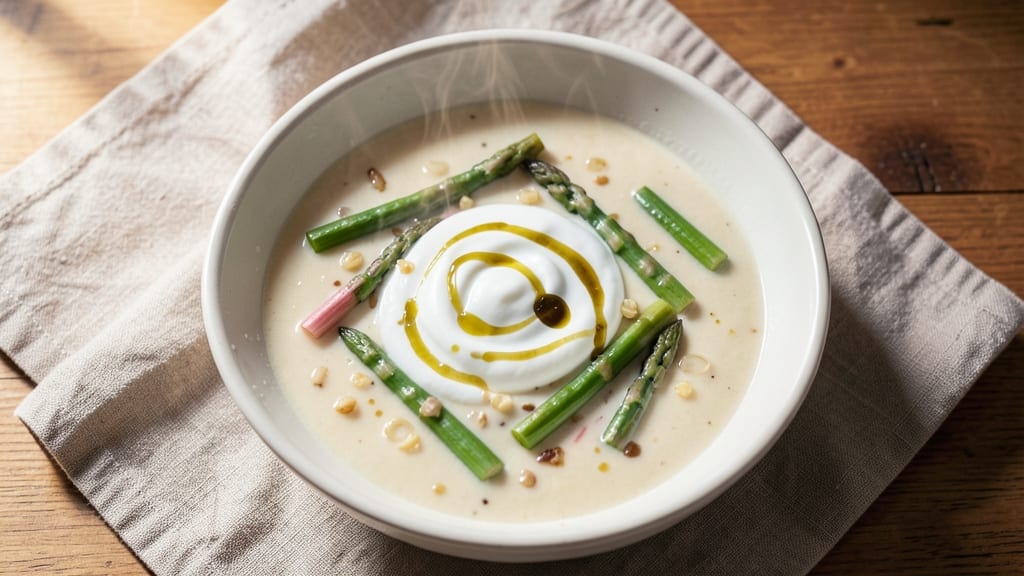
The Barefoot Contessa asparagus soup recipe delivers the perfect balance of herby freshness and velvety smoothness that makes it a springtime classic. This soup transforms tender asparagus into a silky, aromatic broth infused with garlic, shallots, and fresh herbs—creating a dish that feels both elegant and effortless.
I’ve refined this recipe over years of testing, ensuring every element comes together without sacrificing depth of flavor or texture.
What sets this recipe apart is the technique: asparagus is first blanched to preserve its vibrant green color and crisp-tender bite before being simmered into a rich, velvety broth. The key lies in blending the soup just until smooth, leaving subtle specks of asparagus for visual appeal and texture contrast.
A final touch of cream and fresh herbs elevates the flavor, making it restaurant-quality without the fuss.
The result is a soup that’s creamy yet light, with a bright herbaceousness that cuts through the richness. It’s the kind of dish that feels indulgent yet balanced—perfect for spring suppers, garden parties, or a comforting weeknight meal when fresh asparagus is at its peak.
The method is straightforward, but the outcome is undeniably sophisticated.
Serve it warm with crusty bread or a sprinkle of toasted nuts for added crunch. This recipe delivers on every promise: silky smoothness, vibrant flavor, and a technique that’s both traditional and foolproof. Let’s make it together—step by step.
Ingredients for barefoot contessa asparagus soup
Herby freshness meets velvety smoothness in this classic springtime soup.
| Ingredient | Amount | Notes |
|---|---|---|
| Fresh Asparagus 🌱 | 1 ½ lb | Trimmed, tough ends removed |
| Shallots 🧅 | ½ cup | Minced, about 4 medium |
| Garlic Cloves 🧄 | 4 cloves | Peeled, roughly chopped |
| Extra-Virgin Olive Oil 🫒 | ¼ cup | High-quality, fruity |
| Heavy Cream 🥛 | ½ cup | Full-fat for richness |
| Chicken Stock 🍲 | 4 cups | Homemade or high-quality |
| Fresh Tarragon 🌿 | ¼ cup | Chopped, stems removed |
| Fresh Chives 🌿 | ¼ cup | Chopped, for garnish |
| Fresh Dill 🌿 | ¼ cup | Chopped, stems removed |
| Lemon Juice 🍋 | 1 tbsp | Freshly squeezed |
| Salt 🧂 | 1 tsp | Kosher or sea salt |
| Ground Black Pepper 🌶️ | ½ tsp | Freshly ground |
| Butter 🧈 | 2 tbsp | Unsalted, for finishing |
The asparagus is the star, so prioritize fresh, tender spears with tight tips and vibrant green color. Local farmers markets often have the best selection in spring, but grocery stores like Whole Foods or Trader Joe's carry reliable options. Look for spears that snap easily when bent—this indicates freshness. Trim the tough ends by bending each spear until it naturally breaks. The shallots and garlic should be freshly minced for maximum aroma; pre-minced jarred garlic lacks the same depth of flavor. For the herbs, fresh tarragon, dill, and chives are essential—they provide the signature Barefoot Contessa brightness. If you can't find fresh tarragon, dried tarragon at half the amount works, but it won't be as vibrant.
No fresh tarragon? Fresh basil or thyme can substitute in a pinch, though the flavor profile will differ slightly. The chicken stock is non-negotiable—homemade or high-quality store-bought like Pacific Foods or Kettle & Fire makes all the difference. For a vegetarian option, mushroom or vegetable stock works well. The heavy cream should be full-fat (none of that skim nonsense)—it's what gives the soup that luxurious texture. If you're watching calories, half-and-half or coconut cream can replace it, though the result will be slightly lighter. The lemon juice adds a bright finish; bottled lemon juice works in a bind, but freshly squeezed is always better. Pre-minced garlic or jarred shallots? Skip them—they lack the freshness needed for this dish.
This soup tastes even better the next day as the flavors meld together. Store leftovers in an airtight container in the refrigerator for up to 4 days, or freeze for 3 months in a sealed container. For quick lunches, portion into individual containers before freezing. The herbs can be chopped ahead and stored in the fridge for 3 days in a sealed container with a damp paper towel to keep them fresh. When reheating, add a splash of water or stock to restore creaminess. Serve warm with crusty bread or toasted almonds for added crunch, just as Barefoot Contessa suggests—it's the perfect finishing touch.
Why You'll Love This Recipe
- No Chopping Chaos: I swear by this recipe because the asparagus just snaps—no knife skills required. Shallots and garlic get a quick sauté while you prep the rest, and honestly? That’s half the battle won before the soup even hits the pot.
- Creamy-Garlic Magic: The moment heavy cream swirls into that shallot-garlic base? Pure satisfaction. The asparagus keeps its tender-crisp bite while the olive oil and cream turn it into something dangerously addictive—like a hug in a bowl.
- Weeknight Wonder: This soup doubles as a first course for dinner parties or a solo meal when you’re too tired to think. (Yes, even on a Tuesday night.) The leftovers reheat beautifully, and I’ve even pureed extra for a quick sauce—talk about versatile.
- Budget-Friendly Luxury: Fresh asparagus feels fancy, but this recipe stretches it far. A single bunch of asparagus, a few shallots, and garlic make four servings—no wasted ingredients here. Plus, the cream makes it feel indulgent without breaking the bank.
Step-by-step instructions for herby asparagus soup
This method delivers velvety soup with bright herbaceous notes and just the right amount of creaminess.
Prepare and Sauté the Base Vegetables
Heat the 0.25 cup extra-virgin olive oil in a large pot over medium heat. Add the 0.5 cup minced shallots and cook for 3-4 minutes until softened and translucent. This foundational step builds flavor through gentle cooking - don't rush it or the shallots will burn.
Add the 4 cloves roughly chopped garlic and cook for 30 seconds until fragrant. The garlic should just begin to color slightly but not brown. Immediately add the 1.5 lb trimmed fresh asparagus, cut into 1-inch pieces, and stir to coat in the oil. Cook for 4-5 minutes until the asparagus begins to soften at the edges. This initial cooking releases natural sweetness from the vegetables.
Simmer in Chicken Stock
Pour in the 4 cups chicken stock and bring to a gentle boil. Reduce heat to medium-low and simmer uncovered for 12-15 minutes until the asparagus is fork-tender and the stock has reduced slightly by about 25%. You'll know it's ready when you can easily pierce the asparagus pieces with a fork and the soup has developed a deeper color.
Season with the 1 tsp salt and 0.5 tsp ground black pepper. Taste the soup at this stage - you should detect the sweetness of the asparagus and the subtle flavor of the shallots and garlic. If needed, adjust seasoning now before adding the cream. This is the perfect time to make any seasoning corrections as the flavors will meld further in the next step.
Blend to Silky Smoothness
Using an immersion blender, carefully blend the soup directly in the pot until completely smooth. Work in batches if needed, blending until no visible chunks remain. For a perfectly silky texture, blend at medium speed while moving the blender up and down through the soup. If using a countertop blender, let the soup cool slightly first to prevent splattering.
Return the blended soup to the pot and stir in the 0.5 cup heavy cream. The cream should warm slightly from the hot soup but not boil. Keep the heat at low and let the soup simmer gently for 5-7 minutes to allow the flavors to meld together. This gentle warming ensures the cream incorporates smoothly without curdling.
Finish with Herbs and Butter
Remove the pot from heat and stir in the 2 tbsp butter until completely melted and incorporated. The butter adds richness and helps balance the acidity from the herbs. Add the 1 tbsp lemon juice, 0.25 cup chopped fresh tarragon, 0.25 cup chopped fresh dill, and 0.25 cup chopped fresh chives. Stir gently to distribute the herbs evenly throughout the soup.
Taste and adjust seasoning one final time. The soup should be well-balanced with bright herb notes, a touch of lemon acidity, and creamy richness. Ladle into bowls and garnish with additional chopped fresh chives for presentation. Serve immediately while hot to enjoy the full complexity of flavors.
Pro Tips For Making Barefoot Contessa Asparagus Soup
- Trim Asparagus at Angles: Cut the tough ends at a 45-degree angle instead of straight across—it looks better on the plate and makes the soup feel more intentional. I used to waste good asparagus by trimming too short; now I save the scraps for stock or compost.
- Sweat Shallots Low and Slow: Keep the heat at a bare simmer (just enough to make a fine mist rise) when cooking the shallots—any hotter and they’ll burn before softening. I learned this the hard way when my soup tasted bitter from overcooked shallots.
- Strain Through a Fine Mesh: Skip the food mill if you have one and use a damp cheesecloth or fine-mesh strainer instead—it catches every last bit of creamy goodness without turning the soup into mush. Yes, it’s an extra step, but the texture is worth it.
- Warm Cream First: Heat the heavy cream gently (just until steaming) before adding it to the soup—this prevents curdling and lets the flavors meld instantly. I was skeptical until I tried it; now I never skip it.
Troubleshooting your barefoot contessa asparagus soup
Overly Blended Texture
If your soup ends up too thick or pasty after blending, you likely over-processed it. Use an immersion blender on medium speed and work in small batches—this prevents over-blending.
For a more refined texture, strain the soup through a fine-mesh sieve after blending to remove any lingering fibrous bits. 💫
Sour or Bitter Taste
A bitter or overly acidic flavor usually means the asparagus was overcooked or the lemon juice was added too early. Simmer the asparagus for no longer than 15 minutes—it should be tender but still hold its shape.
If the soup tastes sour, reduce the lemon juice to ½ tbsp and add a pinch of sugar (about ¼ tsp) to balance the acidity.
Grainy or Chunky Soup
Uneven blending often causes a grainy texture. For a silky finish, cool the soup slightly before blending if using a countertop blender. If you still see chunks, blend again in shorter pulses while keeping the blender moving. For extra smoothness, strain through a fine-mesh sieve after blending. 🔥
Cream Curdling
Cream curdling happens when the soup is too hot or the cream is added too quickly. Always warm the cream separately over low heat before adding it to the soup.
Stir gently and keep the heat at low to prevent curdling. If it does happen, whisk in 1 tbsp cold water per ½ cup cream to restore smoothness.
Pale or Watery Broth
A weak, pale broth usually means the asparagus wasn’t cooked long enough or the stock wasn’t reduced properly. Simmer the soup uncovered for 12-15 minutes to let the stock reduce by 25%.
For deeper color, add 1 tsp tomato paste to the sautéed shallots and garlic before adding the asparagus.
Herbs Lose Flavor
Fresh herbs can lose their brightness if cooked too long or added too early. Stir them in off the heat just before serving to preserve their flavor. If using dried herbs, reduce the amount by half and add them 5 minutes before serving.
For extra vibrancy, garnish with fresh herbs right before eating. ✨
Nutrition facts
Frequently asked questions
Can I make this asparagus soup without fresh herbs?
If you don't have fresh tarragon, dill, or chives, use ½ tsp dried tarragon and ½ tsp dried dill instead. For chives, substitute with 1 tsp dried chives or 1 tbsp chopped green onion. Add dried herbs 5 minutes before serving to preserve flavor. The fresh herbs give the signature Barefoot Contessa brightness, but dried versions work in a pinch.
How do I adjust this recipe for a vegetarian version?
Replace the chicken stock with 4 cups vegetable or mushroom stock for a fully vegetarian version. The soup will still be rich and flavorful, though the depth of umami will differ slightly. For extra heartiness, add ½ cup cooked white beans or ½ cup roasted mushrooms to the pot during simmering.
Why does my soup taste bitter?
Bitterness often comes from overcooked asparagus or using older spears. Simmer the asparagus for no longer than 15 minutes—it should be tender but still hold its shape. If the soup tastes bitter, reduce the lemon juice to ½ tbsp and add a pinch of sugar (¼ tsp) to balance the acidity. Using fresher, younger asparagus also helps.
Can I make this soup ahead of time?
Yes! This soup tastes even better the next day as flavors meld together. Store leftovers in an airtight container in the fridge for up to 4 days or freeze for 3 months. Reheat gently on the stove with a splash of water or stock to restore creaminess. Add fresh herbs just before serving to keep them vibrant.
What's the best way to serve this soup?
Serve warm in bowls with a sprinkle of toasted almonds or croutons for crunch. Barefoot Contessa recommends pairing it with crusty bread or a simple green salad to balance the richness. Garnish with extra chopped chives for freshness and a drizzle of olive oil for extra elegance.