
Side Dishes
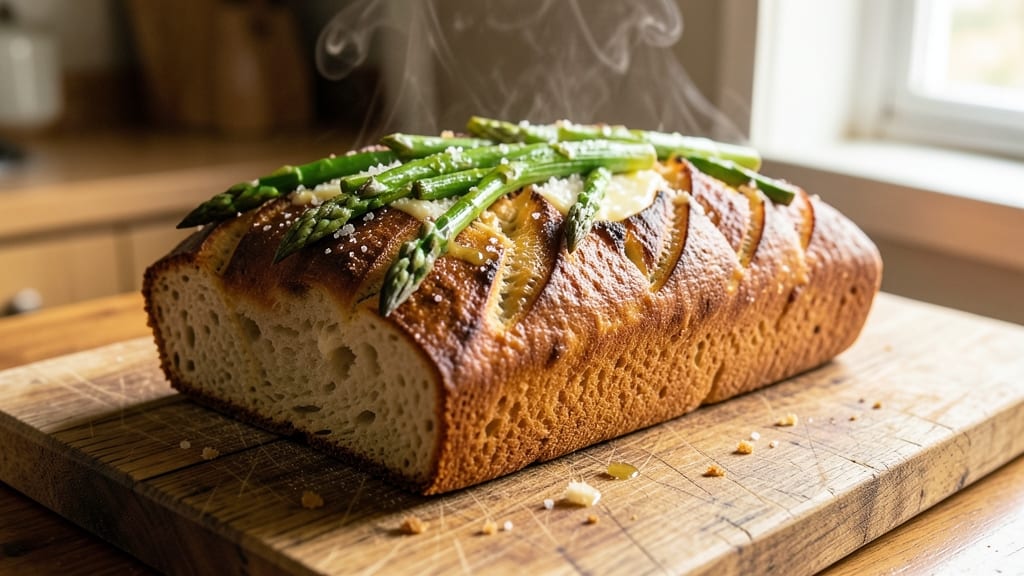
This asparagus bread recipe transforms spring’s freshest vegetable into a savory, herb-infused loaf where tender greens peek through golden crust. The secret lies in blending asparagus purée into the dough while preserving its natural sweetness—no bitterness, just vibrant flavor that carries through every slice.
I developed this after realizing how often asparagus went to waste when it was past its prime for roasting.
The dough comes together in 30 minutes with simple ingredients you likely already have: flour, yeast, and a touch of olive oil for richness. The asparagus purée replaces some of the water, infusing the bread with subtle earthiness that pairs perfectly with the herbs.
Baking at 375°F for 25-30 minutes yields a loaf with a crisp exterior and tender crumb, where flecks of asparagus add visual appeal and a satisfying texture contrast.
What makes this bread special is how it elevates humble ingredients into something extraordinary. Each slice offers a balance of tender crust and moist interior, with asparagus strands that remain bright and lively.
The herb-infused crust adds aromatic depth, making this more than just bread—it’s a springtime celebration in every bite. Perfect for sandwiches, appetizers, or served alongside soups and salads.
For those with dietary preferences, this recipe adapts easily: swap regular flour for whole wheat or gluten-free blends, and use dairy-free butter if needed. The asparagus purée keeps the flavor profile intact while accommodating different needs.
Let’s get started on creating your own loaf of asparagus-infused bread that will impress even the most discerning guests.
Ingredients for asparagus bread
Simple ingredients transform into a springtime loaf with vibrant asparagus and aromatic herbs.
| Ingredient | Amount | Notes |
|---|---|---|
| Fresh Asparagus Spears 🌱 | 1 lb | Trimmed, tough ends removed |
| All-Purpose Flour 🌾 | 3 ½ cups | Unbleached preferred for texture |
| Active Dry Yeast 🍞 | 2 ¼ tsp | Freshly measured, not expired |
| Granulated Sugar 🍚 | 1 tbsp | For yeast activation |
| Unsalted Butter 🧈 | ½ cup | Cold, cubed for dough |
| Large Eggs 🥚 | 1 whole | Room temperature for mixing |
| Extra-Virgin Olive Oil 🫒 | ¼ cup | High-quality for richness |
| Warm Water 💧 | 1 ¼ cups | 110°F for yeast activation |
| Diamond Crystal Kosher Salt 🧂 | 1 ½ tsp | Fine grain preferred |
| Fresh Dill 🌿 | ¼ cup | Finely chopped, stems removed |
| Fresh Chives 🌱 | ¼ cup | Minced for herb infusion |
| Garlic Cloves 🧄 | 2 cloves | Minced for dough flavor |
| Cornmeal 🌽 | ½ cup | For dusting baking sheet |
| Sesame Seeds 🌱 | 1 tbsp | Optional for crust topping |
The asparagus is the heart of this recipe, so choose fresh, vibrant spears with tightly closed tips—those bright green ones at the grocery store's produce section. Look for stems that snap cleanly when bent; avoid woody or dry ones. If you can't find perfect asparagus, blanched frozen asparagus works too, though fresh delivers that unmatched sweetness. For the herbs, fresh dill and chives from the market's herb section add depth, but dried will suffice in a pinch (use half the amount). The yeast is critical—check expiration dates and store it in the freezer for maximum freshness. For flour, King Arthur or Bob's Red Mill brands yield consistent results, but any unbleached all-purpose will do.
No fresh asparagus? Steamed and puréed frozen asparagus works perfectly—just strain out excess water to maintain dough consistency. Short on dill? Fresh parsley or basil at the same quantity brings a different but complementary flavor. The garlic can be substituted with garlic powder at half the amount, though fresh is ideal. For a dairy-free version, coconut oil or vegan butter maintains moisture without compromising texture. If you're gluten-sensitive, King Arthur gluten-free flour blend replaces the all-purpose flour, though the crumb will be slightly denser. The sesame seeds are optional but add a delightful crunch—sunflower seeds or poppy seeds work equally well for a different texture profile.
This dough requires 1-2 hours of rising time, so plan ahead. Store the shaped loaf in an airtight container at room temperature for 2 days, or freeze for up to 3 months by wrapping tightly in plastic. For best results, reheat slices in a 350°F oven for 5-7 minutes to restore freshness. The asparagus purée keeps in the fridge for 3 days if you're prepping ahead—simply blend and refrigerate until ready to incorporate into the dough. The herb-infused crust stays crisp for 24 hours when stored properly, making this an ideal make-ahead bread for entertaining.
Why You'll Love This Recipe
- No-Knead Magic: I swear by this dough—just mix, wait, and bake. The yeast does all the work while I sip coffee, and the asparagus-infused butter? That’s where the real flavor hides.
- Earthy Butter Crunch: That crispy top with tender crumb? Yes. But the real star is the asparagus purée folded into the butter—herby, slightly sweet, and ridiculously satisfying when you tear into it fresh from the oven.
- Weeknight Hero: I make a batch on Sundays, slice it, and freeze half. Toast straight from frozen? Warm, crispy, and ready in minutes—no defrosting, no fuss. Perfect for lazy mornings or last-minute guests.
- Budget-Friendly Luxury: Fresh asparagus might sound fancy, but a single bunch stretches into three loaves. The rest? Flour, yeast, sugar—pantry staples that turn into something that tastes like you spent hours baking (but didn’t).
Step-by-step instructions for herb-infused asparagus bread
Transform fresh asparagus into a flavorful bread with crispy crust and tender interior using this precise method.
Prepare the Asparagus and Yeast Mixture
Preheat your oven to 375°F and line a baking sheet with parchment paper. Trim the tough ends from the 1 lb fresh asparagus spears, then cut them into 1-inch pieces. Blanch the asparagus in boiling water for 2 minutes, then immediately plunge into ice water to stop cooking. Drain well and pat dry with paper towels.
In a small bowl, dissolve the 2.25 tsp active dry yeast in 1.25 cups warm water (about 110°F) with the 1 tbsp granulated sugar. Let it sit for 5-10 minutes until foamy. This activates the yeast and ensures proper rise. If it doesn't foam, your yeast may be inactive—start over with fresh yeast.
Mix the Dough with Herb-Infused Butter
In a large mixing bowl, combine the 3.5 cups all-purpose flour and 1.5 tsp diamond crystal kosher salt. In a separate bowl, cream the 0.5 cup unsalted butter (cold, cubed) with the 0.25 cup extra-virgin olive oil until smooth. Add the yeast mixture, 1 whole large egg (room temperature), 0.25 cup finely chopped fresh dill, 0.25 cup minced fresh chives, and 2 minced garlic cloves to the butter mixture.
Gradually incorporate the wet ingredients into the dry ingredients, mixing just until a shaggy dough forms. Avoid overmixing—this develops gluten and makes the bread dense. The dough should be soft but not sticky. If it's too dry, add 1 teaspoon warm water at a time until it comes together. Knead lightly for 2 minutes by hand or 1 minute with a mixer on low speed.
Shape the Dough and Incorporate Asparagus
Transfer the dough to a lightly floured surface and divide it into 4 equal portions. Roll each portion into a 12-inch circle, about ½-inch thick. Using a sharp knife, cut a 4-inch circle in the center of each dough circle. Remove the inner circle and set aside for another use (like croutons). Press the remaining dough outward to create a thick crust.
Fill the center of each dough circle with an equal portion of the blanched asparagus pieces, arranging them in a single layer. Fold the dough edges inward to encase the asparagus completely, creating a sealed pocket. Place each filled dough circle on a separate parchment-lined baking sheet, seam-side down. Cover with a clean kitchen towel and let rise in a warm place for 30-45 minutes until puffy.
Bake to Golden Perfection
Brush the tops of the dough circles with a beaten egg wash (the remaining 1 whole large egg beaten with 1 tablespoon water) for a glossy finish. Sprinkle evenly with 1 tbsp sesame seeds and dust the baking sheets generously with 0.5 cup cornmeal to prevent sticking. Bake in the preheated 375°F oven for 25-30 minutes until the crust is deep golden brown and the internal temperature reaches 190°F.
For best results, bake one circle at a time to avoid overcrowding. The bread is done when it sounds hollow when tapped on the bottom. Let cool on a wire rack for 10 minutes before slicing. The asparagus inside should be tender with a vibrant green color, and the crust should be crispy with a delicate herb-infused flavor. Serve warm for the best texture and aroma.
Pro Tips For Making Asparagus Bread
- Trim the Tough Ends: Snip off the woody bottoms of the asparagus spears—about the last inch—before blending or chopping. I learned this the hard way when I ended up with a gritty, fibrous bread that tasted more like chewing on a pencil than enjoying spring’s first bite.
- Proof the Yeast Warm: Bloom your yeast in water that’s 110°F (43°C)—warm to the touch but not hot. Cold water makes it sluggish, and hot water kills it instantly. I used to eyeball it and always wondered why my dough took forever to rise. A thermometer fixes that.
- Blend Asparagus Fine: Pulse the asparagus in a food processor until it’s almost paste-like, not chunky. Chunks make the bread dense and uneven. I skipped this once and got a loaf that looked like it had rocks in it—no one wants that.
- Brush Butter Generously: Use melted butter to brush the top of the bread before baking, not just after. A thin layer locks in moisture and gives that golden crust everyone craves. I was lazy about it once, and the bread dried out faster than my patience.
Perfect pairings for asparagus bread
Spring Salad Pairings
This asparagus bread pairs beautifully with light, fresh spring salads that complement its herby, earthy notes. I love serving it with a mixed greens salad tossed in lemon vinaigrette—the bright acidity cuts through the richness of the bread.
For extra flair, add shaved fennel and radicchio for a peppery crunch. The crisp texture of the bread contrasts perfectly with the tender greens. 🌿
Herb Butter Pairing
Spread herb-infused butter on warm slices of this bread for an elevated appetizer. Mix softened butter with finely chopped fresh dill, chives, and a pinch of lemon zest—the same herbs used in the dough.
The butter melts into the crust, enhancing its flavor while adding a creamy contrast. This pairing is especially delicious with smoked salmon or poached eggs.
Soup Companions
Serve this bread alongside creamy spring soups to soak up every last bite. My go-to is a leek and potato soup with a touch of creme fraîche—the bread’s crisp crust stands up to the velvety texture.
For a lighter option, try a chilled cucumber-dill soup that mirrors the bread’s herbaceous notes. The asparagus inside adds a subtle sweetness that harmonizes with the soup’s flavors. 🥄
Cheese and Charcuterie
Create a spring charcuterie board featuring this bread alongside aged cheddar, goat cheese, and prosciutto. The bread’s sesame-seed crust adds texture, while the asparagus inside balances the saltiness of the cured meats.
Add marinated artichokes and roasted cherry tomatoes for a pop of color and acidity. This combination is perfect for brunch or a light lunch. 🧀
Wine and Beverage Pairings
A crisp Sauvignon Blanc from New Zealand complements the bread’s herbal and asparagus flavors beautifully. The wine’s citrus notes and minerality enhance the dill and chives in the crust. For a non-alcoholic option, try sparkling elderflower lemonade—its effervescence cleanses the palate between bites.
If you prefer beer, a wheat ale with a hint of coriander adds a refreshing contrast. 🍷
Breakfast Adaptations
Turn this bread into a breakfast star by topping slices with crumbled feta, sliced avocado, and a drizzle of hot honey. The asparagus inside adds a subtle sweetness that pairs surprisingly well with the richness of eggs or smoked salmon.
Serve with a side of roasted potatoes for a hearty morning meal. 🍳
Nutrition facts
Frequently asked questions
Can I use frozen asparagus instead of fresh?
Yes! Frozen asparagus works perfectly—just thaw and drain it well before blending. For best results, steam it briefly to remove excess moisture, then pat dry thoroughly. This prevents a soggy dough. The flavor will be slightly less vibrant than fresh, but the texture remains excellent.
Why does my dough smell like asparagus but taste bland?
This usually happens when the asparagus isn't cooked enough before blending. Always blanch it for 2 minutes first to soften the fibers, then strain out excess liquid. For extra flavor, add 1 tsp lemon juice to the purée before mixing into the dough. The acidity brightens the asparagus taste significantly.
How do I store leftovers to keep them fresh?
Wrap cooled slices in plastic wrap and store at room temperature for 2 days in an airtight container. For longer storage, freeze slices for up to 3 months. To revive, warm in a 350°F oven for 5-7 minutes until crisp again. The asparagus inside stays tender when properly stored.
Can I make this bread gluten-free?
Replace the all-purpose flour with a 1:1 gluten-free baking flour blend (like King Arthur's). You may need 1 extra tablespoon of xanthan gum for structure. The texture will be slightly denser, but the flavor remains the same. Let the dough rise 10-15 minutes longer since gluten-free dough rises slower.
What if my bread doesn't rise properly?
Check these first:
- Yeast freshness—use within 4 months of purchase,
- Water temperature—must be 110°F (too hot kills yeast), and
- Rising environment—place dough in a warm spot (like near the oven with light on). If still flat, your yeast may be inactive—start with fresh yeast.