
Main Courses
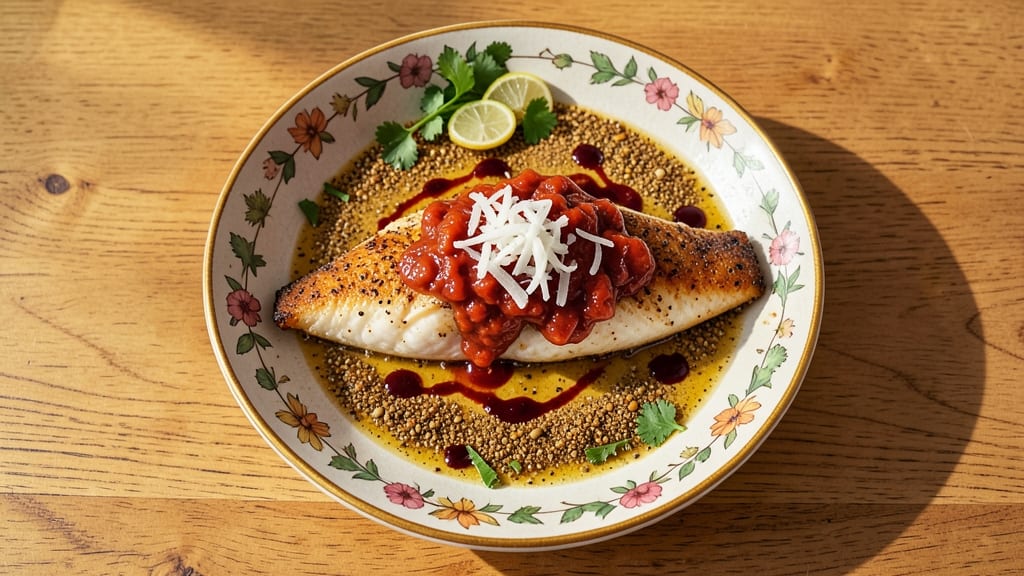
This baked fish Indian recipe transforms simple white fish into a fragrant, golden masterpiece with just 15 minutes of prep and 20 minutes in the oven.
The secret lies in a vibrant marinade of turmeric, mustard seeds, and fresh coconut—where earthy spices meet bright citrus for a flavor profile that’s both comforting and unexpected.
I developed this after years of experimenting with regional techniques, finally nailing the balance between crispy skin and tender flesh that Indian home cooks swear by.
The recipe begins with a dry rub of turmeric, coriander, and black pepper, which not only seasons but also infuses the fish with that signature golden hue. Fresh grated coconut adds a subtle sweetness that cuts through the spice, while a squeeze of lemon ensures the flavors stay vibrant.
The fish bakes at 400°F until the edges are crisp and the center flakes effortlessly—a technique that preserves moisture while building that satisfying crunch. This is the kind of dish that makes weeknight dinners feel like a celebration.
When it comes out of the oven, the fish will be perfectly golden with a crisp exterior that gives way to tender, flaky flesh inside. The aroma alone—warm spices mingling with coconut and lemon—will have everyone at the table anticipating the first bite.
Serve it with steamed basmati rice to soak up the flavors or pair it with a cooling cucumber raita to balance the richness. The contrast of textures and temperatures makes every bite memorable.
What makes this recipe truly special is its versatility. Use firm white fish like cod or halibut, or swap in mahi-mahi for a milder flavor. The marinade works equally well with snapper or even firm tofu for a vegetarian twist.
Leftovers reheat beautifully, though I’ve found they’re rarely left behind. Here’s how to bring this authentic Indian flavor to your table—no prior experience required.
Ingredients for baked fish indian
Fifteen minutes prep, twenty minutes baking—this Indian-inspired fish transforms ordinary white fillets into golden, fragrant perfection.
| Ingredient | Amount | Notes |
|---|---|---|
| White Fish Fillets 🐟 | 1 ½ lb | Cod, halibut, or mahi-mahi preferred |
| Fresh Coconut 🥥 | ½ cup | Finely grated, unsweetened |
| Turmeric Powder 🌶️ | 1 tbsp | Freshly ground for vibrant color |
| Ground Coriander 🌿 | 1 tbsp | Freshly toasted for depth |
| Black Peppercorns 🌶️ | 1 tsp | Freshly cracked for intensity |
| Mustard Seeds 🌾 | 1 tbsp | Whole, toasted for aroma |
| Fresh Lemon Juice 🍋 | 2 tbsp | From 1 small lemon |
| Extra-Virgin Olive Oil 🫒 | 2 tbsp | For crispy skin coating |
| Fresh Cilantro 🌿 | ¼ cup | Chopped, for garnish |
| Salt 🧂 | 1 tsp | Fine sea salt, kosher preferred |
| Ginger Root 🧄 | 1 tbsp | Freshly grated, aromatic |
| Garlic Cloves 🧄 | 3 cloves | Minced, for marinade depth |
| Basmati Rice 🍚 | 1 cup | Uncooked, for serving |
| Plain Yogurt 🥛 | ¼ cup | Full-fat, for optional raita |
| Cucumber 🥒 | ½ cup | Diced, for cucumber raita |
The fish selection is critical—cod or halibut hold their shape beautifully, while mahi-mahi offers milder sweetness. Look for fillets with firm, translucent flesh and minimal bruising. Whole Foods or Trader Joe's carry excellent frozen options if fresh isn't available, but thaw them overnight in the fridge. The turmeric and coriander blend should be freshly ground—pre-ground spices lose potency quickly. For the coconut, shredded unsweetened from the canned block works best, but if you're using flakes, toast them lightly first to enhance their aroma. The mustard seeds? Toast them in a dry pan for 30 seconds—this releases their nutty flavor that's essential to the marinade's complexity.
No fresh ginger? Substitute 1 teaspoon ground ginger, but you'll lose that bright, zesty punch. Running short on lemon juice? Lime juice works in a pinch, though it has a slightly sharper edge. The olive oil is non-negotiable for crispy skin—use extra-virgin if you want that fruity depth, but standard works fine. For the raita, plain Greek yogurt is ideal, but any full-fat yogurt will do. The cucumber can be swapped for avocado or tomato if you're feeling adventurous, though the cooling contrast is what makes this pairing work. If you're vegetarian, firm tofu (pressed and sliced) absorbs the marinade beautifully—just bake it 5 minutes longer.
This dish reheats surprisingly well—microwave 30 seconds to restore crispiness. Store leftovers in an airtight container for up to 3 days, though I've never had any last that long. The marinade ingredients keep well in the fridge for 1 week if prepped ahead, so make extra for quick weeknight dinners. For the rice, basmati is standard, but jasmine works too. The raita components stay fresh for 2 days separately, so assemble just before serving. The fish itself? Eat within 2 days for peak texture—any longer and the skin loses its satisfying crunch.
Why You'll Love This Recipe
- One-Pan Magic: I swear by this—just toss the fish and coconut mix onto a sheet pan, bake, and walk away. No pots, no pans, no stress. That golden crust from the turmeric and coriander? It’s foolproof, even if I’m distracted by the kids or my phone.
- Coconut-Crusted Crunch: Between us, the fresh coconut adds this textural magic—crispy on the outside, tender inside. The black peppercorns pack a subtle kick that makes it feel special, not like a basic weeknight dish. Honestly, it’s the kind of flavor that lingers just enough to feel like a treat.
- Leftover Hero: This recipe actually improves the next day. Cold fish? Still delicious. Reheat it gently, and the coconut softens into a creamy sauce. I’ve packed it for lunches, served it at potlucks, and even used it in sandwiches—no one ever guesses it’s leftovers.
- Budget Bright Spot: White fish is affordable, and coconut milk stretches far. A single can of coconut + a handful of spices turns into three meals for my family. Plus, turmeric and coriander are cheap staples—this dish feels fancy without breaking the bank. (Yes, even on a Tuesday night.)
Step-by-step instructions for baked fish with Indian spices
Aromatic turmeric and toasted spices create a vibrant crust while coconut adds a delicate sweetness.
Prepare the Spiced Marinade
In a small bowl, combine the 1 tablespoon turmeric powder, 1 tablespoon ground coriander, 1 teaspoon black peppercorns, 1 tablespoon mustard seeds, 1 teaspoon salt, 1 tablespoon freshly grated ginger root, and 3 minced garlic cloves. Toast the mustard seeds in a dry skillet over medium heat for 1 minute until they sizzle and release their aroma, then grind them lightly with a mortar and pestle or small spice grinder. This enhances their flavor significantly.
Transfer the spice mixture to a medium bowl and whisk in the 2 tablespoons fresh lemon juice and 2 tablespoons extra-virgin olive oil until it forms a thick paste. The marinade should coat the back of a spoon and have a vibrant golden-yellow hue from the turmeric. This paste is the key to achieving that signature Indian color and flavor profile.
Coat and Rest the Fish
Pat the 1.5 lb white fish fillets dry with paper towels, ensuring no moisture remains on the surface. This step is crucial for achieving crispy skin. Place the fillets in a shallow dish and spread the spiced marinade evenly over both sides, pressing gently to ensure full coverage. The marinade should adhere to the fish like a thin, flavorful glaze.
Let the fish rest at room temperature for 15-20 minutes while you prepare the remaining elements. This allows the marinade to penetrate slightly and ensures even cooking. Avoid marinating for longer periods, as the acid in the lemon juice can start to "cook" the fish and make it tough.
Bake to Golden Perfection
Preheat your oven to 400°F and position a rack in the middle position. Line a baking sheet with parchment paper or lightly grease it with a bit of olive oil to prevent sticking. Arrange the marinated fish fillets in a single layer on the prepared baking sheet, spacing them about 1 inch apart to allow for even browning.
Bake for 12-15 minutes until the edges are deep golden brown and the fish flakes easily when tested with a fork. The center should reach an internal temperature of 145°F—this ensures the fish is fully cooked but still moist. If the top browns too quickly, tent the baking sheet loosely with aluminum foil for the last 3-5 minutes to prevent over-browning while maintaining crispiness.
Garnish and Serve with Fresh Accompaniments
Remove the fish from the oven and immediately sprinkle with the 0.25 cup chopped fresh cilantro and the 0.5 cup finely grated fresh coconut. The coconut adds a subtle sweetness that balances the spiced marinade, while the cilantro provides a bright, fresh contrast. Let the fish rest for 2-3 minutes before serving to allow the juices to redistribute.
For a complete meal, serve the baked fish over 1 cup cooked basmati rice and pair it with a simple cucumber raita made by mixing the 0.5 cup diced cucumber and 0.25 cup plain yogurt. The cool, creamy raita cuts through the richness of the fish and complements the aromatic spices beautifully. Each bite should deliver a harmonious blend of crispy skin, tender flesh, and vibrant Indian flavors.
Pro Tips For Making Baked Fish Indian
- Preheat for 15 Minutes: DESCRIPTION: Your oven’s not ready when you think it is—especially for fish. I learned this the hard way when my coconut-crusted fillets came out soggy instead of golden. Crank that oven to 400°F (200°C) and let it sit for 15 minutes before sliding in the pan. That extra heat ensures the crust sears fast and the fish cooks through evenly.
- Grate, Don’t Chop, Coconut: DESCRIPTION: Fresh coconut is your friend here, but skip the food processor—it turns the flesh into paste. Use a box grater or the fine holes of a cheese grater to get thin, even shreds that cling to the fish without weighing it down. Pro tip: Toast the shreds in a dry pan for 2 minutes first—they’ll smell incredible and add depth.
- Pat Fish Dry, Then Salt: DESCRIPTION: Wet fish equals steam instead of crust. After cleaning the fillets, press them between paper towels until they’re bone-dry. Then, salt them immediately—this draws out any lingering moisture and lets the spices stick. I was skeptical until I tried it; now I never skip this step.
- Bake in Two Batches: DESCRIPTION: Crowding the pan is the fastest way to ruin this dish. Fish steams instead of browning, and the coconut turns greasy. Use one fillet per spot on the baking sheet, even if it means two rounds in the oven. The extra 5 minutes waiting is worth the crispy, caramelized result.
Dietary considerations for these flavors
Gluten-Free Adaptation
This recipe is naturally gluten-free, but always double-check your spices for cross-contamination if using pre-ground blends. I recommend Penzeys Spices for certified gluten-free turmeric and coriander—they're my go-to for clean ingredients. The marinade ingredients are all gluten-free, but if you're using store-bought coconut flakes, verify the label.
For extra safety, toast your own coconut flakes at 350°F for 5 minutes to ensure no hidden additives. 🌱
Dairy-Free Options
The original recipe uses yogurt for raita, but you can easily substitute coconut yogurt (like So Delicious brand) for a dairy-free version. The flavor remains rich and creamy, though slightly sweeter. For the marinade, ensure your olive oil is dairy-free (some brands process with whey).
The fish itself is naturally dairy-free, so no modifications are needed there. The coconut in the marinade adds enough natural creaminess to compensate for the yogurt's absence.
Vegetarian Swap
For a vegetarian version, replace the fish with extra-firm tofu pressed for 20 minutes (wrap in a towel with a heavy pan on top). Cut into ½-inch thick slices and marinate exactly like the fish. Bake at 400°F for 20-25 minutes, flipping halfway, until golden and firm.
The tofu absorbs the marinade beautifully, though you may want to add 1 extra tablespoon of turmeric for better color. Serve with the same sides for a satisfying plant-based meal.
Spice Sensitivity
If you're sensitive to mustard seeds or black pepper, simply omit them from the marinade. The dish still shines with turmeric and coriander as the star flavors. For extra heat control, reduce the black pepper to ½ teaspoon and add ¼ teaspoon cayenne instead—this gives you more precision.
The coconut and lemon naturally mellow any sharpness, so the dish remains balanced. Always taste your marinade before applying to ensure the right intensity level.
Low-Fat Version
To reduce fat without sacrificing flavor, replace the olive oil with 1 tablespoon lemon juice and 1 tablespoon water in the marinade. The acidity helps tenderize the fish while keeping it moist. For the raita, use non-fat yogurt and add 1 tablespoon cucumber water (from grating) to maintain creaminess.
The fish will still achieve crispy skin thanks to the oven's dry heat, though you may need to bake it 2-3 minutes longer to compensate for the reduced oil.
Nutrition facts
Frequently asked questions
What type of fish works best for this Indian baked recipe?
Firm white fish like cod, halibut, or mahi-mahi are ideal—they hold their shape beautifully during baking. For extra tenderness, choose fillets with minimal bruising and translucent flesh. If using frozen fish, thaw it overnight in the fridge for even cooking.
Can I make this recipe ahead of time?
The marinade can be prepped 1 week ahead and stored in an airtight container. For the fish itself, bake it fresh for best texture, but leftovers reheat well in the oven at 350°F for 5 minutes to restore crispiness. The raita components keep separately for 2 days—mix just before serving.
Why does my fish turn out dry?
Overcooking is the most common cause—fish is done at 145°F internal temp. Use a meat thermometer to avoid guesswork. Also, pat the fish very dry before marinating (no moisture = crispier skin) and avoid overcrowding on the baking sheet. If using thicker fillets, reduce baking time by 2-3 minutes.
How do I adjust the spice level?
For milder heat, reduce black pepper to ½ teaspoon and omit mustard seeds entirely. For extra kick, add ¼ teaspoon cayenne to the marinade. The coconut and lemon naturally balance spice, so adjust gradually—taste the marinade before applying to the fish.
What sides pair best with this dish?
Steamed basmati rice is classic, but also try jeera rice (cumin-infused) or quinoa for a protein boost. The cooling cucumber raita is essential—its yogurt base contrasts perfectly with the spiced fish. For a complete meal, add a simple karela sabzi (bitter melon stir-fry) or papadums.