
Side Dishes
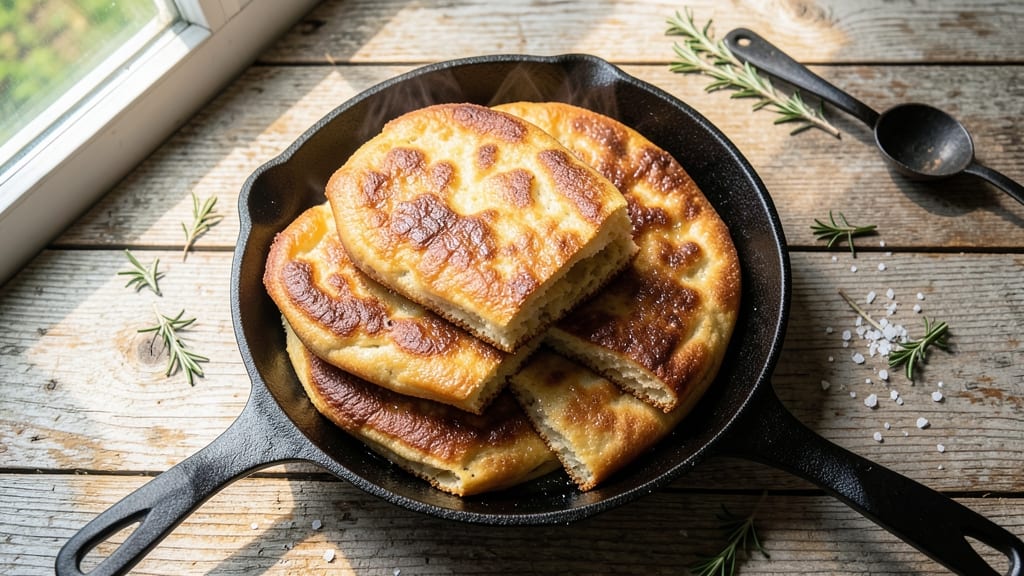
This authentic American Indian fry bread recipe brings a piece of history to your kitchen with just four simple ingredients and a traditional frying technique. Fry bread holds deep cultural significance as a staple in many Native communities, originally created as a practical food during times of scarcity.
Its versatility—equally delicious sweet or savory—makes it a beloved dish across generations.
The secret to perfect fry bread lies in the dough's simplicity and the high-heat frying method, which creates that signature puffy, crispy exterior while keeping the inside tender. Unlike many modern adaptations, this recipe stays true to its roots while being accessible for home cooks.
The dough requires no yeast, no kneading, and minimal prep time—just flour, baking powder, salt, and water.
What you'll achieve is a golden-brown, airy bread with a satisfying crunch that gives way to a soft interior. The aroma alone will transport you to a gathering where fry bread is served warm, often topped with honey, jam, or savory spreads like refried beans and cheese.
This dish honors tradition while offering a delicious, foolproof method for modern kitchens.
Whether you're celebrating heritage or simply craving a comforting side, this fry bread delivers restaurant-quality results with minimal effort. The best part? It's a blank canvas for toppings—sweet, savory, or somewhere in between. Let's get started on this timeless recipe.
Ingredients for authentic american indian fry bread
Four core ingredients transform into golden, puffy fry bread with cultural authenticity.
| Ingredient | Amount | Notes |
|---|---|---|
| All-Purpose Flour 🌾 | 2 cups | Unbleached preferred for authentic texture |
| Baking Powder 🍞 | 1 tbsp | Aluminum-free for traditional leavening |
| Diamond Crystal Kosher Salt 🧂 | ½ tsp | Fine grain for even distribution |
| Lard or Shortening 🧈 | ½ cup | Lard for authentic flavor, shortening for neutral taste |
| Hot Vegetable Oil 🫒 | 2 cups | For frying, 350°F temperature |
| Water 💧 | ¾ cup | Room temperature for smooth dough |
The flour determines texture—King Arthur or Bob's Red Mill all-purpose yields the best results. Baking powder must be fresh (test by mixing with water; it should bubble vigorously). For fat, leaf lard delivers the most traditional flavor, but Crisco or vegetable shortening works equally well for a neutral base. The water should be room temperature to prevent dough from becoming gummy. Whole Foods or specialty grocers often carry leaf lard if your supermarket doesn't stock it.
No lard? Unsalted butter melted and cooled works in a pinch, though it adds subtle richness. The oil for frying can be vegetable, canola, or peanut oil—just ensure it reaches 350°F. If your baking powder lacks potency, add 1/4 tsp cream of tartar to reactivate it. For a lighter texture, some cooks replace 1 tbsp of water with club soda, though purists argue this strays from tradition. The dough should be soft but not sticky—add 1 tsp more flour if needed.
Fry bread dough keeps 24 hours in the fridge, covered tightly. For longer storage, freeze portions on parchment paper for up to 3 months. Reheat frozen bread in a 375°F oven for 5-7 minutes to restore crispiness. The oil retains heat best in a heavy-bottomed cast-iron skillet—avoid aluminum, which warps. Leftovers reheat beautifully in a toaster oven or air fryer for 2-3 minutes.
Why You'll Love This Recipe
- Five-Ingredient Magic: I swear by this—just flour, baking powder, salt, lard, and oil. That’s it. No fancy substitutions, no hunting for obscure spices. The simplicity makes it foolproof, even when I’m distracted by the kids or a bad TV show.
- Crispy-Creamy Bliss: The secret’s in the lard—it gives that irresistible flakiness while keeping the inside tender. Fry it golden in hot oil, and you’ve got something that’s crisp enough to stand up to chili or soft enough to soak up honey. Honestly, I can’t decide which I love more.
- Every Occasion Ready: This bread is my weeknight lifesaver, but it’s also the star of potlucks and holiday tables. Stuff it with beans and cheese for a quick meal, or serve it alongside stews and soups. Between us, it’s the one thing my picky teenager will actually eat.
- Budget-Friendly Staple: A single batch stretches for days—freeze extras and reheat in the oven. Lard and flour are cheap, and you’ll use less than you think. I’ve fed a crowd for under $5 with this, and no one ever leaves hungry. Practical? Absolutely. Delicious? Even more so.
Step-by-step instructions for authentic American Indian fry bread
This traditional recipe delivers the signature puffy, crispy texture using just six simple ingredients.
Prepare the Dough with Precision
In a large mixing bowl, combine the 2 cups all-purpose flour and 1 tablespoon baking powder. Whisk gently to aerate the dry ingredients—this creates pockets for steam to rise during frying. Add the ½ teaspoon diamond crystal kosher salt and mix thoroughly to distribute evenly.
In a separate bowl, melt the ½ cup lard or shortening until fully liquid but not smoking. Add the ½ cup room-temperature water and stir until smooth. Pour this liquid mixture into the dry ingredients while stirring with a wooden spoon. Mix just until combined—overworking develops gluten, which prevents that signature puff.
The dough should be shaggy and slightly sticky, resembling thick pancake batter. If it feels too dry, add 1 teaspoon water at a time until it reaches this consistency. Cover the bowl with a clean kitchen towel and let rest for 10 minutes—this relaxation period ensures even cooking.
Heat the Oil to Exact Temperature
Fill a deep, heavy-bottomed skillet with 2 cups hot vegetable oil—enough to create a ½-inch layer when the dough is added. Use a thermometer to heat the oil to 350°F. This precise temperature is critical: too low yields greasy bread, too high burns the exterior before the interior cooks.
Test the oil's readiness by dropping a small piece of dough into it. If it sizzles vigorously and floats immediately, the oil is ready. Maintain this temperature throughout frying—fluctuations cause uneven cooking. Keep a lid nearby to reduce oil splatter during the vigorous frying process.
Fry in Batches for Perfect Texture
Using a tablespoon, drop 1-inch balls of dough into the hot oil, spacing them 1 inch apart to prevent sticking. Fry 2-3 pieces at a time—overcrowding lowers the oil temperature and steams instead of frying. Cook for 1 minute 30 seconds per side until golden brown with crisp edges.
Use tongs to flip the bread carefully—press down gently during the first 10 seconds after flipping to ensure even contact with the oil. The bread should puff slightly as it cooks, developing that characteristic airy interior. Remove to a paper towel-lined plate to drain excess oil. Repeat with remaining dough, maintaining the 350°F oil temperature between batches.
Serve Immediately for Maximum Crispiness
Fry bread is best enjoyed fresh from the oil when it's at its crispest. Serve warm with traditional toppings like honey, powdered sugar, or savory options such as refried beans and shredded cheese. The exterior should crackle when bitten, while the interior remains soft and pillowy.
To maintain crispness, store any leftovers in an airtight container at room temperature for up to 2 days. Reheat in a 350°F oven for 3-5 minutes to restore crispness before serving. This bread's simplicity belies its versatility—it's a perfect canvas for both sweet and savory applications while staying true to its cultural roots.
Pro Tips For Making Authentic American Indian Fry Bread
- Use Lard, Not Shortening: I learned this the hard way—shortening makes dry, greasy bread. Lard gives that perfect crispy-yet-tender texture, and it’s worth the extra effort to render your own or buy leaf lard. If you’re in a pinch, bacon fat works too, but it adds a smoky flavor that’s not traditional.
- Keep Oil Smoking Hot: Fry bread in oil that’s so hot it shimmers like a lake in summer—375°F is your target. Too cool, and it’ll absorb oil like a sponge; too hot, and it’ll burn before cooking through. A candy thermometer takes the guesswork out of it.
- Salt the Dough Lightly: Diamond Crystal kosher salt is the way to go, but don’t go overboard—just ½ teaspoon per batch. Too much salt can make the dough tough, and you’ll be adding more later anyway for flavor. Trust me, you’ll want that extra pinch on the finished bread.
- Roll Dough Thin and Even: This isn’t pizza dough—keep it rolled to about ⅛-inch thickness for even cooking. If it’s thicker in spots, those parts will stay doughy while the edges burn. A rolling pin with guides or a ruler helps, but even pressure works too.
Serving suggestions for authentic american indian fry bread
Sweet Toppings Tradition
Serve warm fry bread with a drizzle of raw honey or powdered sugar for an authentic sweet treat. I recommend Manuka honey for its floral depth, or local wildflower honey to support Native-owned businesses.
For a festive touch, add strawberry jam or cinnamon-sugar—just sprinkle 1 tablespoon sugar mixed with ½ teaspoon cinnamon on each piece before serving. 🍯
Savory Comfort Combos
Transform fry bread into a hearty meal with refried beans and shredded cheddar cheese. Warm 1 cup refried beans in a small pot, then spread on fry bread with ½ cup shredded cheese.
Broil for 2-3 minutes until cheese melts. For extra protein, add crumbled bacon or sliced ham. This combo pays homage to traditional fry bread's role as a filling dish.
Breakfast Reinvention
Elevate your morning with fried eggs and sausage on fry bread. Toast a piece lightly, then top with 2 sunny-side-up eggs and 2 slices of breakfast sausage.
Add sliced avocado or sautéed peppers for freshness. This variation became popular in Navajo communities as a portable breakfast option. Serve with hot sauce for a kick. 🍳
Dessert Plating Ideas
Create a fry bread sundae by layering warm fry bread with vanilla ice cream, chocolate syrup, and whipped cream. Top with crushed pecans or chopped nuts for texture.
For a boozy twist, drizzle with Kahlúa coffee liqueur or maple syrup. This dessert-style serving is especially popular at gatherings and powwows.
Cultural Serving Etiquette
When serving fry bread in cultural contexts, present it on a wooden board or handmade ceramic platter to honor traditional practices. In many Native communities, fry bread is shared communally—pass the platter and let guests serve themselves.
Always pair it with a moment of gratitude for the ingredients and the history behind the dish. This practice reinforces fry bread's role as more than food—it's a symbol of resilience and community. 🙏
Modern Fusion Twists
Experiment with Nashville hot chicken by dipping warm fry bread in spicy hot oil (mix 1 cup vegetable oil with 2 tbsp hot sauce and 1 tbsp cayenne). Top with pickles and buttermilk ranch for a Southern-inspired fusion.
Another creative idea: breakfast tacos with scrambled eggs, chorizo, and salsa verde—this variation keeps the crispy texture while adding bold flavors. 🌶️
Nutrition facts
Frequently asked questions
Why does traditional fry bread use lard instead of butter?
Lard provides that classic authentic flavor and higher smoke point for perfect frying at 350°F. It also renders fat evenly, creating the signature crispy exterior. While butter adds richness, it can burn more easily and alters the traditional taste. For a neutral option, vegetable shortening works well while maintaining texture.
Can I make fry bread without baking powder?
No—baking powder is essential for that signature puffy texture. Without it, your bread will be flat and dense. For a substitute in a pinch, mix 1 tbsp baking powder with 1 tbsp cornstarch (to absorb moisture), but results may vary. The chemical reaction from baking powder creates steam pockets during frying, which is what makes fry bread light and airy.
How do I fix dough that's too sticky?
Add 1 teaspoon flour at a time until the dough reaches a shaggy, workable consistency—like thick pancake batter. Overworking it will develop gluten and ruin the traditional texture. If it's still too sticky after adding 2 tbsp flour, your water may be too warm. Use room-temperature water next time for better control.
What's the best way to reheat leftover fry bread?
For maximum crispiness, reheat in a 350°F oven for 3-5 minutes on a wire rack. A toaster oven or air fryer at 375°F for 2 minutes works too. Avoid microwaving—it makes the bread soggy. For extra crunch, sprinkle with powdered sugar or cornmeal before reheating.
Is fry bread gluten-free?
Traditional fry bread contains wheat flour, so it's not gluten-free. For a GF version, substitute with 1:1 gluten-free flour blend (like Bob's Red Mill) and add 1 extra tbsp xanthan gum per cup of flour. Texture may be slightly denser, but the frying method remains the same. Always check labels for cross-contamination warnings.