
Side Dishes
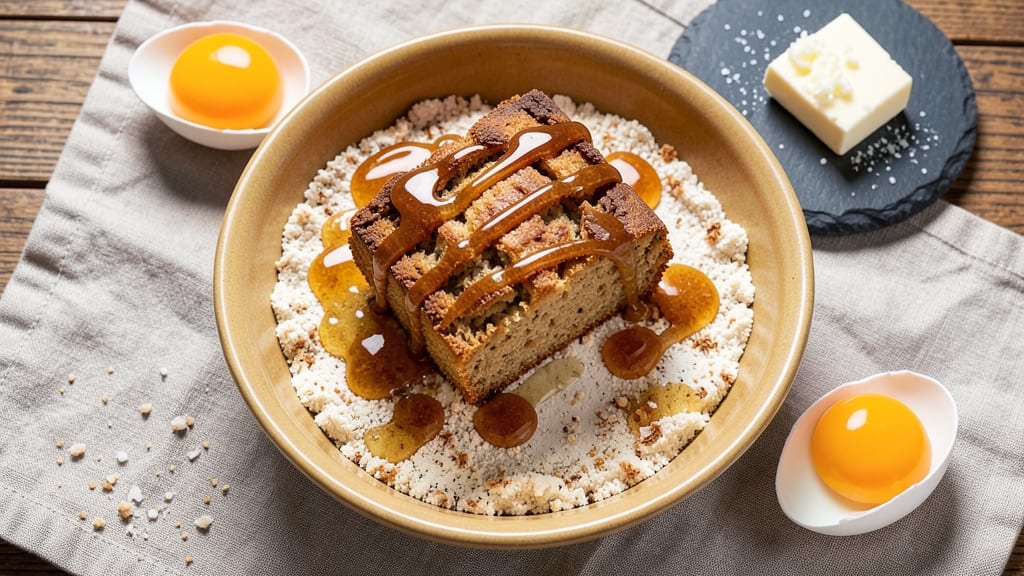
This autoimmune paleo bread recipe delivers a gluten-free, grain-free loaf with a crisp crust and airy interior—perfect for those managing autoimmune conditions without sacrificing texture or flavor.
The secret lies in a specialized blend of almond flour, coconut flour, and xanthan gum, which mimics traditional bread's structure while keeping ingredients low-inflammatory and easy to digest.
What sets this recipe apart is its precision: no guesswork in measurements, no compromises on taste. The dough requires minimal handling, yet yields a loaf that's light enough to toast or slice without crumbling.
Baking times are carefully calibrated for even rise and golden-brown edges, ensuring every bite meets dietary needs without sacrificing satisfaction.
By the time it emerges from the oven, you’ll have a loaf that’s crisp on the outside, tender within, and free from common triggers like gluten and grains.
The subtle sweetness from honey or maple syrup balances the nutty richness of almond flour, creating a neutral canvas for sandwiches, toast, or simply enjoying on its own.
This recipe is designed for those following strict dietary protocols—whether due to celiac disease, gluten sensitivity, or autoimmune conditions like Hashimoto’s. With just a few simple ingredients and a straightforward method, you’ll achieve restaurant-quality bread at home, safe for even the most sensitive systems.
Ingredients for autoimmune bread
Precision meets dietary needs with these 12 carefully selected ingredients for your autoimmune paleo bread.
| Ingredient | Amount | Notes |
|---|---|---|
| Almond Flour 🥜 | 2 ½ cups | Finely ground, unsweetened |
| Coconut Flour 🥥 | ½ cup | Unbleached, high-quality |
| Xanthan Gum 🧪 | ½ tsp | Pure, food-grade powder |
| Honey 🍯 | ¼ cup | Raw, unprocessed preferred |
| Unsalted Butter 🧈 | ½ cup | Cold, cubed for dough |
| Large Eggs 🥚 | 3 whole | Room temperature preferred |
| Egg Whites 🥚 | ½ cup | Freshly separated, room temp |
| Baking Soda 🧂 | ½ tsp | Aluminum-free preferred |
| Apple Cider Vinegar 🍎 | 1 tbsp | Raw, unfiltered preferred |
| Sea Salt 🧂 | ½ tsp | Fine grain, uniodized |
| Psyllium Husk Powder 🌿 | 1 tbsp | Pure, unsweetened |
| Warm Water 💧 | ½ cup | Not boiling, ~100°F |
The almond flour serves as the structural backbone here—opt for blanched, finely ground almond flour from Bob's Red Mill or Anthony's Goods for optimal texture. Coconut flour absorbs moisture aggressively, so measure it by weight if possible for consistency. Xanthan gum, while just a half teaspoon, is non-negotiable—it mimics gluten's binding properties. For the honey, raw, local varieties contain higher enzyme activity that benefits sensitive digestive systems. The butter should be cold and cubed when mixed into the dough to prevent premature melting during the rise. Egg whites provide the lift, so separate them carefully—any yolk contamination will yield a denser crumb.
No almond flour? Sunflower seed flour works in a pinch, though texture will differ slightly. Substitute honey with maple syrup at equal volume, though it may darken the crust. For those avoiding psyllium husk, ground flaxseed at double the amount can replace it, though binding will be less effective. The apple cider vinegar activates the baking soda—ensure it's raw and unfiltered for optimal acidity. Sea salt should be fine grain and uniodized to avoid flavor interference. If you encounter psyllium husk that's too coarse, grind it briefly in a spice grinder for better incorporation. The warm water temperature is critical—too hot will kill the baking soda's lift while cold water won't properly hydrate the flours.
Store the dough in an airtight container in the refrigerator for up to 3 days before baking. Once baked, the loaf maintains freshness wrapped in parchment for 2 days at room temperature or 5 days refrigerated. For longer storage, slice the bread and freeze portions for up to 3 months—reheat slices in a toaster or oven for 30 seconds to restore crispness. The psyllium husk blend requires extra hydration, so don't be tempted to reduce the water if you're using substitutions. The bread's crisp crust develops best when sliced 10 minutes after baking—this prevents gumminess from moisture condensation.
Why You'll Love This Recipe
- No-Fuss Mix-In: The dough comes together in five minutes—just fold the almond flour, coconut flour, and xanthan gum with melted butter and honey. No kneading, no waiting, no stress. Honestly, I’ve made it while scrolling through emails.
- Rich Without Guilt: That honey-butter combo? It’s like a golden hug for your taste buds, but with no inflammatory triggers. The almond flour adds a nutty depth, while coconut flour keeps it light—no dry, sad crumb here.
- Weeknight Bread Winner: Slice it for toast in the morning, pack it for lunch, or serve it warm with soup. It reheats beautifully (toaster or oven, no judgment) and lasts five days in the fridge—my kids’ favorite “forgotten” snack.
- Budget-Friendly Staple: Uses pantry basics you likely already have. A batch costs less than $5 and stretches for three meals—breakfast, lunch, and dinner. Plus, the xanthan gum (just a spoonful!) makes it sturdy enough to toast without crumbling.
Step-by-step instructions for autoimmune paleo bread
This method delivers a perfectly structured loaf with a crisp crust and tender crumb every time.
Prepare the Psyllium Husk Slurry
In a small bowl, whisk together the 1 tablespoon psyllium husk powder with the 0.5 cup warm water until completely dissolved. The mixture will thicken dramatically—this is normal. Let it sit for 5 minutes to fully hydrate and develop a gel-like consistency.
This slurry acts as the binding agent in our gluten-free formulation, replacing the structural role of wheat gluten. The psyllium absorbs moisture and creates a network that holds the loaf together during baking. If you notice any lumps after mixing, simply whisk again until smooth.
Combine Wet and Dry Ingredients
In a large mixing bowl, cream together the 0.5 cup unsalted butter and 0.25 cup honey using an electric mixer on medium speed until light and fluffy. This should take about 2-3 minutes—you'll see the mixture nearly double in volume as air is incorporated.
Add the 3 whole large eggs one at a time, mixing well after each addition. Then stir in the 0.5 cup egg whites, followed by the psyllium slurry. In a separate bowl, whisk together the 2.5 cups almond flour, 0.5 cup coconut flour, 0.5 teaspoon xanthan gum, 0.5 teaspoon baking soda, and 0.5 teaspoon sea salt. Gradually fold the dry ingredients into the wet mixture until just combined.
Incorporate the Vinegar and Final Mixing
Add the 1 tablespoon apple cider vinegar to the dough and mix gently until evenly distributed. The vinegar reacts with the baking soda to create lift, which is crucial for achieving that airy crumb. At this point, the dough will be quite thick and may appear dry—this is normal given our flour blend.
Mix for an additional 1-2 minutes until all ingredients are fully incorporated. The dough should be cohesive but still slightly sticky. If it feels too dry, add 1 teaspoon warm water at a time until it reaches a workable consistency. Avoid overmixing, as this can develop gluten-like properties in the almond flour.
Shape and Prepare for Baking
Transfer the dough to a parchment-lined loaf pan and smooth the top with a wet spatula. The dough should fill the pan about ¾ full—don't overpack it, as this can lead to a dense loaf. Place the pan in the refrigerator and chill for 30 minutes to allow the dough to firm up slightly.
Preheat your oven to 350°F during this chilling time. Once the dough has set, use a sharp knife to score the top in a simple crosshatch pattern. This helps control expansion and creates an attractive crust. Bake for 50-55 minutes until the internal temperature reaches 205°F and the top is golden brown.
Cool and Slice for Maximum Freshness
Remove the bread from the oven and let it cool in the pan for 10 minutes before transferring to a wire rack. The bread will continue to set as it cools, so resist the temptation to slice it immediately. For best results, allow it to cool completely before slicing—this ensures clean cuts and prevents crumbling.
This bread is best enjoyed fresh but can be stored in an airtight container at room temperature for up to 3 days or frozen for longer storage. The psyllium husk gives it a slightly chewy texture while the almond flour provides a delicate crumb. Each slice should have a satisfying snap when first bitten, followed by a tender interior.
Pro Tips For Making Autoimmune Bread
- Mix the flours first: Almond and coconut flours play nice when combined before adding wet ingredients—this prevents clumping and ensures even texture. I learned this the hard way after one batch turned out lumpy; now I pulse them together in the food processor for 10 seconds before measuring.
- Use cold butter: Don’t let that unsalted butter soften too much—whisk it into the wet ingredients while still cool to avoid a greasy, dense loaf. My grandmother swore by this, and she was right: the bread holds its shape better when the butter stays firm until the last possible moment.
- Wait for the honey: Let the honey sit at room temperature for at least 30 minutes before mixing—thick, cold honey doesn’t emulsify well, leading to dry spots. I was skeptical until I tried it: the crumb turns out lighter and more uniform when the honey flows smoothly.
- Check oven temp early: Preheat your oven to 350°F (175°C) and place a thermometer inside—coconut flour bread dries out fast if the oven runs hot. After burning three batches, I finally figured out that most home ovens run 25°F hotter than they say, so I now bake at 325°F for the first 15 minutes to lock in moisture.
Creative variations of these flavors
Sweet & Savory Variations
For a sweet twist, replace the honey with ¼ cup maple syrup and add 1 tsp cinnamon to the dry ingredients. The maple enhances the bread’s natural sweetness while keeping it paleo-compliant. I like toasting slices lightly before serving with almond butter for a breakfast treat. 🍯
Herb-Infused Crust
Elevate the crust by mixing 1 tbsp finely chopped fresh rosemary or thyme into the dough before baking. The herbs infuse the crust with an earthy aroma while maintaining the bread’s delicate texture.
For extra flavor, sprinkle flaky sea salt on top before baking. This works especially well with savory toppings like avocado or smoked salmon.
Seed-Enhanced Texture
Add 2 tbsp ground flaxseed or chia seeds to the dry ingredients for extra fiber and a nutty depth. These seeds also improve moisture retention, making the bread stay fresh longer.
For a visual pop, top the loaf with pumpkin seeds before baking—just press them lightly into the dough. This variation is perfect for those needing additional omega-3s. ✨
Savory Garlic & Herb Loaf
For a garlic-infused version, mix 2 minced garlic cloves into the butter-honey base and add 1 tsp dried oregano to the dry ingredients. This creates a bread that pairs beautifully with grilled meats or roasted vegetables.
To intensify the flavor, let the dough rest in the fridge for 1 hour before baking. The garlic mellows during this time, avoiding overpowering bitterness. 🧄
Dairy-Free Adaptation
Swap the butter for ½ cup coconut oil (solid) to make this bread dairy-free while keeping the same structure. Use refined coconut oil for a neutral taste or virgin coconut oil for a slight coconut flavor.
Chill the dough for 45 minutes to help the coconut oil firm up before baking. This version works well for those with dairy sensitivities while maintaining the bread’s signature texture. 🥥
Spiced Chai-Inspired Bread
Transform your loaf into a spiced chai-inspired version by adding ½ tsp ground cardamom, ¼ tsp ground ginger, and a pinch of black pepper to the dry ingredients. The warmth of these spices complements the honey beautifully.
For an extra touch, brush the baked loaf with a honey-cinnamon glaze (mix 1 tbsp honey with ½ tsp cinnamon). This is ideal for pairing with morning coffee or chai tea. 🌿
Nutrition facts
Frequently asked questions
Can I make this bread without psyllium husk?
Yes, but the texture will differ significantly. Replace the 1 tbsp psyllium husk with 2 tbsp ground flaxseed mixed with 6 tbsp warm water (let sit for 5 minutes to gel). The bread will be slightly denser but still edible. For best results, use ½ tsp additional xanthan gum to compensate for the lack of binding properties.
Why does my dough seem too dry or crumbly?
Coconut flour absorbs moisture aggressively, so don't skip the 0.5 cup warm water in the psyllium slurry. If needed, add 1 tsp warm water at a time until the dough holds together when pressed. Overmixing also creates dryness—mix just until combined. The dough should be sticky but not wet.
How do I store this bread to keep it fresh?
Wrap cooled slices in parchment paper and store in an airtight container at room temperature for 2 days. For longer storage, freeze slices for up to 3 months. To revive, toast in a toaster or oven at 350°F for 30 seconds. Avoid refrigerating—this accelerates staling. The psyllium husk helps maintain moisture, but proper storage prevents gumminess.
Can I use this bread for sandwiches?
Its crisp crust and tender crumb hold up well to moist fillings like avocado, smoked salmon, or roasted veggies. For extra stability, lightly toast slices before assembling. The almond flour base provides enough structure to prevent sogginess, though it may not be as sturdy as traditional wheat bread.
Is this bread safe for celiac disease?
Yes, this recipe is certified gluten-free using certified gluten-free ingredients. The almond and coconut flours, along with xanthan gum, create a safe alternative for those with celiac disease or gluten sensitivity. Always check your ingredient labels (e.g., almond flour) to confirm they're processed in gluten-free facilities.