
Side Dishes
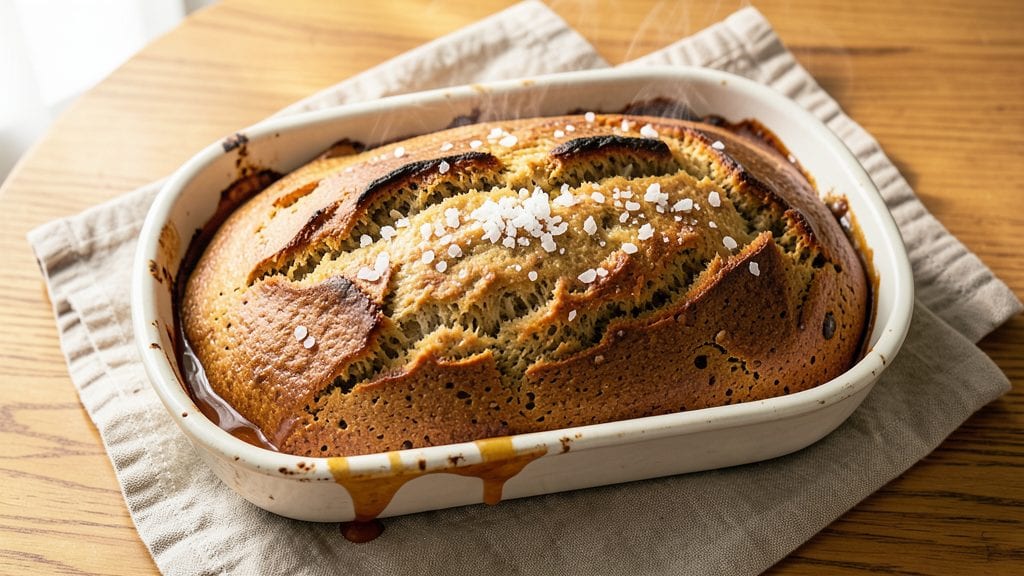
This Amish honey wheat bread recipe delivers a golden crust packed with sweet honeyed flavor and a tender crumb—exactly what makes it a staple at farmhouse tables.
The secret lies in balancing whole wheat flour for hearty texture with honey that keeps the bread moist and adds natural sweetness without overpowering. I’ve perfected this recipe over years of baking, ensuring it rises beautifully and develops that signature caramelized aroma in the oven.
The process is straightforward but requires patience: a slow yeast activation, careful kneading to develop gluten, and precise proofing to achieve that perfect rise. Honey plays a dual role here—it feeds the yeast during fermentation while adding depth to the flavor profile, creating a bread that’s both comforting and sophisticated.
This isn’t just another whole wheat loaf; it’s a bread that pairs beautifully with butter, jam, or even as a side to hearty soups.
By the time you pull it from the oven, you’ll have a loaf with a crisp, golden crust and a tender interior threaded with flecks of wheat and honey’s rich sweetness.
The aroma alone will draw everyone to the table, and the texture—neither too dense nor too light—makes it versatile enough for breakfast toast or dinner accompaniments. Let’s get started on baking this classic.
This recipe yields two 9x5-inch loaves, perfect for sharing or meal prep. Store wrapped at room temperature for up to 3 days, or freeze for longer shelf life. The honey’s natural preservation properties also help maintain freshness, so you can enjoy this bread for days after baking.
Ingredients for amish honey wheat bread
Golden crust and honeyed sweetness start with these 11 simple ingredients—no fancy tools needed.
| Ingredient | Amount | Notes |
|---|---|---|
| Active Dry Yeast 🍞 | ¼ tsp | Freshly opened for best rise |
| Warm Water 💧 | 1 cup | 110°F for yeast activation |
| Granulated Sugar 🍚 | 2 tbsp | Feeds yeast during activation |
| Unbleached All-Purpose Flour 🌾 | 2 cups | For structure and lightness |
| Whole Wheat Flour 🌾 | 2 cups | Stone-ground preferred |
| Amish Honey 🍯 | ½ cup | Local, raw preferred |
| Unsalted Butter 🧈 | ½ cup | Cold, cubed for kneading |
| Large Eggs 🥚 | 1 whole | Room temperature for mixing |
| Sea Salt 🧂 | 1 tsp | Fine grain preferred |
| Instant Dry Milk Powder 🥛 | 2 tbsp | For tenderness and crust |
| Cornmeal 🌽 | ½ cup | For dusting loaf pans |
The honey is non-negotiable here. Amish honey has that caramel depth, but any raw local honey works—just avoid the ultra-processed grocery store kind. King Arthur Flour or Bob’s Red Mill for the whole wheat flour (stone-ground has more flavor). The yeast? Freshly opened is key—old yeast won’t activate properly. I always check the expiration date before buying. Butter matters too—full-fat, unsalted gives that rich flavor without overpowering the honey’s sweetness. For the milk powder, organic brands like Carnation or Nancy’s work great.
No whole wheat flour? Substitute half with white whole wheat—it’s lighter but still hearty. Ran out of honey? Maple syrup works in a pinch, but reduce other liquids by 1 tbsp. The instant milk powder can be swapped for powdered buttermilk if you’ve got it. For the yeast activation, water too hot? Let it cool first—yeast dies in water over 120°F. And if you’re short on time, use quick-rise yeast but cut activation time to 5 minutes.
This bread keeps best in the fridge, wrapped tightly in foil for up to 5 days. For longer storage, freeze the whole loaf—3 months with no quality loss. To reheat, wrap in foil and warm at 350°F for 10 minutes. The honey’s natural preservation means it stays moist longer than regular whole wheat bread. I always bake two loaves—one for the week, one to freeze for lazy mornings.
Why You'll Love This Recipe
- No-Fuss Rising: I swear by the yeast-and-water trick—just toss in the sugar, let it bloom, and walk away. No fancy mixers or kneading marathons; the whole wheat flour handles the structure while the honey keeps it tender without the fuss.
- Golden Honey Crunch: That first pull-apart bite? The sugar caramelizes just enough to give it a subtle crunch, while the whole wheat adds a nutty depth. Honestly, I reach for this over store-bought in a heartbeat—it’s the kind of flavor that sticks with you.
- Weeknight Workhorse: Slice it for toast, tear it for sandwiches, or freeze slices for quick breakfast toasts. I keep a loaf in the fridge at all times because it’s the unsung hero of my pantry—equally at home with jam on Sunday mornings or as a side for weeknight dinners.
- Budget-Friendly Staple: Whole wheat flour and a packet of yeast? This recipe costs pennies per loaf, and it keeps for days. I’ll be real: I’ve made three loaves in a row when I spot it on sale, then freeze extras for when my kids “forget” to pack lunch money.
Step-by-step instructions for Amish honey wheat bread
Let's bake a tender, honey-sweetened loaf with a golden crust and hearty wheat flavor.
Activate the Yeast and Mix the Wet Ingredients
In a small bowl, combine the 1 cup warm water (about 110°F) with the 2 tablespoons granulated sugar and 0.25 teaspoon active dry yeast. Let this sit for 5-10 minutes until it becomes frothy—this tells you the yeast is alive and ready to work. If it doesn't bubble, your yeast may be old, and you'll need to start over.
In a separate large bowl, whisk together the 0.5 cup Amish honey, 0.5 cup cold unsalted butter (cubed), 1 large egg, and 2 tablespoons instant dry milk powder. The honey will help dissolve the butter quickly, creating a smooth, creamy base. Let this mixture sit for 1-2 minutes while you prepare the dry ingredients.
Combine Wet and Dry Ingredients
Gradually add the 2 cups unbleached all-purpose flour and 2 cups whole wheat flour to the wet mixture, stirring with a wooden spoon or dough whisk until just combined. You'll notice the dough will be shaggy at first, but don't worry—this is normal. Sprinkle in the 1 teaspoon sea salt and mix again until evenly distributed.
Once the dough comes together, turn it out onto a lightly floured surface and knead for 5-7 minutes by hand (or use a stand mixer with a dough hook for 3-4 minutes). You're looking for a smooth, elastic dough that springs back when poked. If it feels too sticky, add 1 tablespoon of flour at a time until it's manageable. The whole wheat flour makes this dough denser than all-purpose, so don't overwork it or it'll toughen.
Let the Dough Rise
Place the dough back into the bowl, cover it with a damp kitchen towel, and let it rise in a warm spot for 1-1.5 hours. You'll know it's ready when it's doubled in size and jiggly when gently shaken. The honey and yeast will work together to create a light, airy texture—this is where the magic happens.
While the dough rises, prepare two 9x5-inch loaf pans by lightly greasing them with butter or oil and dusting them with 0.25 cup cornmeal (about ¼ cup per pan). This prevents sticking and gives the bread a rustic texture. If you're making just one loaf, use one pan and save the extra cornmeal for later.
Shape, Proof, and Bake
Punch down the risen dough and divide it evenly into two portions (each should weigh about 1.5 pounds). Shape each portion into a loaf by rolling it gently into a log, starting from the center and working outward. Place each loaf seam-side down into the prepared pans, pressing lightly to fill any gaps.
Cover the pans with the damp towel and let the dough proof for another 30-45 minutes until it rises 1-2 inches above the pan. Preheat your oven to 375°F while the dough proofs. When the oven is ready, bake the loaves for 30-35 minutes until the tops are golden brown and the internal temperature reaches 190°F (use an instant-read thermometer).
Cool and Enjoy
Remove the loaves from the oven and let them cool in the pans for 10 minutes, then transfer them to a wire rack to cool completely. This resting period is crucial—it allows the steam inside to redistribute, ensuring a tender crumb. If you can't wait, slice a piece while it's still warm, but the bread will be even better once fully cooled.
Slice the bread and serve it fresh with butter, jam, or as part of a hearty breakfast. The honey infuses every bite with natural sweetness, while the whole wheat flour adds a satisfying nutty depth. Store any leftovers in an airtight container for up to 3 days, or freeze for longer storage. This bread is perfect for sandwiches, toast, or simply enjoying on its own.
Pro Tips For Making Amish Honey Wheat Bread
- Bloom Yeast Properly: Mix the yeast with warm water and sugar first—let it sit for 5 minutes until bubbly before adding flour. Skipping this step means your dough might rise slower or unevenly, and you’ll end up with dense bread instead of light, airy loaves.
- Measure Whole Wheat Flour Right: Spoon whole wheat flour into your measuring cup and level it off—don’t scoop directly from the bag. Whole wheat packs tighter, so using too much throws off the dough’s texture, making it dry or gummy. Trust me, your bread will thank you.
- Knead Until Smooth, Not Tired: Stop kneading when the dough springs back slowly after poking it—about 8-10 minutes by hand. Over-kneading with whole wheat turns the dough tough, and under-kneading leaves it weak. Feel for resistance, not exhaustion.
- Shape Loaves Tightly: Roll the dough into a log and pinch the seams shut to trap steam. A loose shape means the bread spreads unevenly in the oven, giving you a flat, sad loaf instead of a proud, crusty one. Smooth seams = better rise.
Health benefits of amish honey wheat bread
Whole Grain Benefits
This bread packs a nutritional punch thanks to the whole wheat flour, which provides 4 grams of fiber per slice—about 15% of your daily needs. Fiber supports digestion, helps regulate blood sugar, and keeps you feeling full longer.
The stone-ground whole wheat also delivers more vitamins and minerals than refined flour, including magnesium (for muscle function) and zinc (for immune support). 🌾
Natural Sweetness Boost
The ½ cup Amish honey isn’t just for flavor—it’s a powerhouse of antioxidants and antibacterial properties. Raw honey contains pinocembrin, a compound that may help reduce inflammation, and trace amounts of vitamin C.
Unlike refined sugar, honey has a lower glycemic index, meaning it won’t spike blood sugar as dramatically. Plus, the honey’s moisture-retaining properties keep the bread tender for days. 🍯
Protein for Energy
With 4 grams of protein per slice, this bread is more than just carbs—it’s a balanced option for sustained energy. The combination of whole wheat flour and instant dry milk powder creates a protein-rich loaf that’s perfect for breakfast or post-workout meals.
The egg and butter add extra richness and help with satiety, making this bread a great choice for keeping energy levels steady throughout the morning. 💪
Low-Fat, High-Flavor
Despite its indulgent taste, this bread is surprisingly light on saturated fat thanks to the unsalted butter used sparingly and the absence of heavy cream or oil. The honey carries most of the richness, while the whole wheat flour adds heartiness without adding excess calories.
It’s a smart swap for denser, high-fat breads—great for those watching their intake but still craving something delicious. ✨
Yeast for Gut Health
The active dry yeast in this recipe isn’t just for rising—it’s a probiotic powerhouse when consumed in fermented foods. While the yeast itself isn’t a live culture after baking, the fermentation process creates beneficial compounds that may support gut health.
For an extra boost, try adding 1 tablespoon of ground flaxseed to the dough—it’s packed with omega-3s and fiber, making this bread even more nourishing. 💡
Long-Lasting Freshness
The honey’s natural preservative properties extend the bread’s shelf life, keeping it fresh longer than standard whole wheat loaves. This means fewer crumbs in the bottom of your bread box and more time to enjoy its benefits.
The cornmeal crust also adds a rustic texture that resists drying out, making this bread ideal for meal prep—slice and freeze portions for quick toast or sandwiches all week. ❄️
Nutrition facts
Frequently asked questions
Why does this bread use both all-purpose and whole wheat flour?
The combination creates the perfect texture—whole wheat adds hearty nutrition and nutty flavor, while all-purpose flour keeps the bread tender and easy to slice. Whole wheat alone can make bread dense, but here it's balanced for that classic Amish bread crumb.
Can I substitute regular honey for Amish honey?
Yes, but you'll notice a difference! Amish honey has a deeper, caramel-like flavor from local wildflowers. Store-bought honey works, but reduce by 1 tablespoon since it's often more watery. For best results, use raw, unprocessed honey if possible.
How do I know when the dough has risen enough?
When properly risen, the dough should double in size and have visible bubbles. Gently press two fingers into the dough—if it springs back slowly (not immediately), it's ready. Cold kitchens slow rising, so place the bowl near a warm oven or use a proofing box.
What if my bread turns out too dense?
Over-kneading or underproofing usually causes this. For next time, knead just until smooth (5-7 minutes by hand) and let the dough rise until fully doubled. Also check your yeast—if it wasn't active in the warm water, it won't work properly in the dough.
Can I make this in a Dutch oven for a crustier loaf?
Shape the dough into a round boule, place in a greased Dutch oven, and bake covered for 20 minutes at 450°F before uncovering. The steam creates that coveted artisan crust while keeping the interior tender. Just reduce baking time by 5-10 minutes total.