
Side Dishes
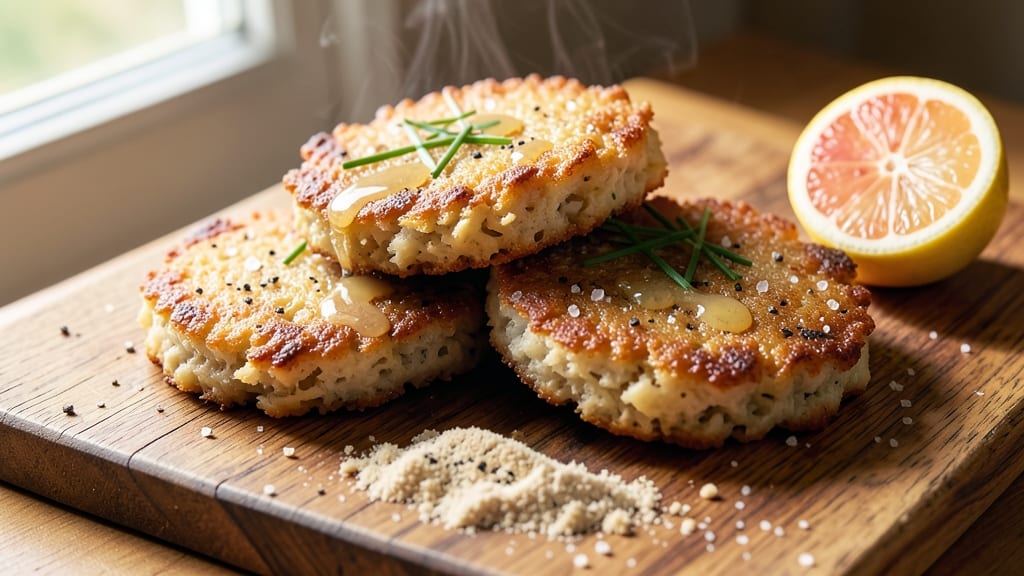
This authentic potato latke recipe brings the crispy, golden tradition of Hanukkah to your kitchen with a perfect balance of texture and flavor. The secret lies in freshly grated potatoes and a touch of cornmeal that creates that signature crunch while keeping the interior tender.
I've perfected this method over years of holiday celebrations, ensuring every latke has a crispy exterior and fluffy center that soaks up traditional toppings beautifully.
What sets these latkes apart is the crispy cornmeal crunch achieved through precise frying techniques and proper potato preparation. Unlike many recipes that rely on too much flour, this version maintains that authentic latke texture while being foolproof for home cooks.
The recipe serves 4-6 people, making it ideal for family gatherings or festive celebrations where crispy, savory sides are always welcome.
By following these instructions, you'll end up with perfectly golden latkes that stay crispy even after resting. The traditional toppings of sour cream and applesauce complement the savory flavor perfectly, creating a dish that's both comforting and celebratory.
Whether you're celebrating Hanukkah or simply craving a classic Jewish comfort food, these latkes deliver restaurant-quality results at home.
This recipe is naturally vegetarian and can be easily adapted for dietary preferences. The key to success lies in proper potato grating and careful frying - techniques I'll walk you through step by step. Let's create latkes that will become a new holiday tradition in your kitchen.
Ingredients for authentic potato latke
Freshly grated potatoes and crispy cornmeal crunch make these latkes authentically golden and tender inside.
| Ingredient | Amount | Notes |
|---|---|---|
| Russet Potatoes 🥔 | 3 lbs | Freshly grated, skin on for texture |
| Fine Cornmeal 🌽 | ½ cup | Stone-ground preferred for best crunch |
| Large Eggs 🥚 | 2 whole | Room temperature for even binding |
| Diamond Crystal Kosher Salt 🧂 | 1 ½ tsp | Fine grain for even seasoning |
| Ground Black Pepper 🌶️ | ½ tsp | Freshly cracked for bold flavor |
| All-Purpose Flour 🌾 | ¼ cup | Lightly packed for tender crumb |
| Fresh Parsley 🌿 | ¼ cup | Finely chopped, for freshness |
| Vegetable Oil 🫒 | 3 cups | High smoke point for frying |
| Lemon Juice 🍋 | 1 tbsp | Freshly squeezed for brightness |
| Freshly Grated Onion 🧅 | ½ cup | Subtle sweetness, not bitter |
| Matzah Meal 🍞 | ¼ cup | Optional for extra crunch |
The potatoes are everything—Russet gives that classic fluffy texture. Grab the pre-grated boxes from Trader Joe's if you're short on time, but fresh grating makes all the difference (and keeps better). For the cornmeal, stone-ground is key—it stays crunchy longer than the regular grocery store kind. I always buy mine in bulk at Whole Foods or the bulk section. The onion? Sweet yellow onions work best—avoid red unless you want a slightly sharper bite. And don't skip the lemon juice—it brightens everything while keeping the latkes from getting too heavy.
No cornmeal? Extra flour and a pinch of baking powder can stand in, but the texture won't be quite the same. Fresh parsley wilting? Dried parsley at half the amount works in a pinch, though it lacks that fresh pop. The matzah meal is optional but worth it if you love extra crunch—Manischewitz is the brand I always reach for. For the oil, vegetable or canola both work, but avoid olive oil (it burns too easily). And if you're frying, keep the oil at 350°F
These stay crispy for about 30 minutes if you keep them warm in a 200°F oven on a wire rack. For longer storage, freeze them on a tray first, then transfer to a bag—they reheat beautifully in a 375°F oven for 10 minutes. I always make a double batch and freeze half—they're even better the next day once the flavors meld. The secret to keeping them crispy? Don't stack them—layer with parchment paper between each batch.
Why You'll Love This Recipe
- Five-Ingredient Magic: The pantry staples here won’t let you down—no fancy gadgets, no last-minute grocery runs. Russets stay cheap, cornmeal adds that signature crunch without fuss, and the egg binds it all while you’re still debating what to watch on TV.
- Crispy-Creamy Obsession: That first golden bite? The outside shatters like a perfect chip while the inside melts like a hug. Honestly, the salt and pepper do all the heavy lifting—no complicated seasoning blends needed.
- Hanukkah Hero (But Works Always): I’ve served these at family gatherings, game nights, and even as a lazy Sunday snack. They’re the star of the show whether you’re deep-frying for tradition or air-frying for convenience. (Yes, even on a Tuesday night.)
- Leftovers That Don’t Suck: Unlike most fried foods, latkes actually reheat like champions—crispy again in seconds. I make a double batch, freeze half, and still have dinner covered next week. Budget win, time win, and zero food waste.
Step-by-step instructions for authentic potato latkes
Here's how to make latkes with that perfect crispy cornmeal crunch and golden crusts—just like Grandma used to make.
Grate and Squeeze the Potatoes
Start with the 3 lbs of russet potatoes—peel them first if you prefer, but leaving the skin on adds texture. Use the largest holes on a box grater or food processor to get coarse shreds. Transfer the grated potatoes to a clean kitchen towel or cheesecloth and press out as much moisture as possible. This step is crucial—wet latkes won't crisp properly.
Work in batches if needed, squeezing firmly but gently to avoid breaking down the potato fibers. The goal is to remove excess starch while keeping the shreds intact. Spread the potatoes on a baking sheet and let them sit for 10 minutes while you prep the rest of the ingredients. This resting period helps draw out even more moisture.
Mix the Batter for Perfect Texture
In a large bowl, combine the squeezed potatoes with the 0.5 cup of fine cornmeal, 0.25 cup of all-purpose flour, 0.5 cup of freshly grated onion, and 0.25 cup of finely chopped fresh parsley. The cornmeal gives that signature crunch, while the flour helps bind everything together. Mix gently with your hands—overmixing develops gluten and makes the latkes tough.
Add the 2 whole large eggs (room temperature works best) and the 1 tbsp of freshly squeezed lemon juice. The lemon brightens the flavor and helps balance the richness. If using, fold in the 0.25 cup of matzah meal now for extra crunch. Season with 1.5 tsp of diamond crystal kosher salt and 0.5 tsp of freshly cracked ground black pepper. The batter should be thick but still hold together when pressed—if it's too loose, add 1 tablespoon more of flour.
Heat the Oil for Crispy Latkes
Fill a deep skillet or Dutch oven with 3 cups of vegetable oil and heat over medium-high heat until it reaches 350°F. Use a deep-fry thermometer to monitor the temperature—this is key for even cooking. If you don't have one, test the oil by dropping in a small piece of potato batter. It's ready when it sizzles and turns golden brown within 30 seconds.
Reduce the heat slightly to maintain a steady 350°F. Too-hot oil burns the outside before the inside cooks through, while oil that's too cool makes soggy latkes. Keep the oil hot but controlled—this is where the magic happens. Have a slotted spoon and paper towels ready for when the latkes come out.
Fry in Batches for Golden Crusts
Scoop the potato mixture into 3-tablespoon portions and gently flatten each one into a round patty about ½-inch thick. Carefully slide them into the hot oil, working in batches so you don't overcrowd the pan. Fry for 3-4 minutes per side until golden brown and crispy. You'll know they're done when the edges look deep golden and the center feels warm when you press gently with a wooden spoon.
Transfer the cooked latkes to a paper towel-lined plate to drain excess oil. Keep them warm in a 200°F oven while you fry the remaining batches. The key to great latkes is patience—don't rush the cooking time. Each batch should have that perfect golden crust and crispy texture that shatters when you bite into it.
Serve Immediately with Traditional Toppings
Serve the latkes right away while they're still crispy. Traditional toppings include applesauce, sour cream, or a sprinkle of additional salt. The contrast of warm, crispy latkes with cool applesauce or tangy sour cream is what makes them irresistible. For extra authenticity, add a dollop of chilled schmear or a sprinkle of chopped scallions.
These latkes should have a crispy exterior that gives way to a tender, fluffy interior. Each bite should deliver that perfect balance of texture and flavor—crunchy on the outside, warm and potatoey on the inside. Enjoy them immediately while they're at their best!
Pro Tips For Making Authentic Potato Latke
- GRATE COLD POTATOES: Russets release more starch when cold—skip the warm-grating shortcut. Rub them under cool water between grating sessions to wash away excess starch, or your latkes will turn gummy. (Yes, it’s a pain, but the crisp matters.)
- PRESS DRY BEFORE MIXING: After grating, wring out potatoes in a clean kitchen towel like you’re squeezing water from a sponge. Wet latke batter = soggy latkes. I used to skip this and wondered why mine fell apart.
- USE A SPATULA, NOT A FLATTENER: Press the batter into the oil with a flat-edged spatula, not a fork or your hands. Too much pressure = dense latkes; too little = ragged edges. Aim for a ½-inch thickness—thinner = crispier, but thicker holds up better for flipping.
- FLIP WHEN BROWN, NOT GOLDEN: Latkes are done when the edges pull away from the pan and the bottom is deep brown, not pale yellow. Flip too soon, and you’ll end up with a pancake. Too late, and they’ll burn before cooking through. (I’ve done both.)
Troubleshooting perfect results
Oil Too Hot?
If your latkes burn before cooking through, your oil is too hot. The ideal frying temperature is 350°F, but if you don't have a thermometer, test it by dropping in a small piece of batter. It should sizzle and turn golden in 30 seconds.
If it burns instantly, reduce the heat to medium-low and let the oil cool slightly before continuing. I've ruined batches this way—always err on the side of cooler oil rather than hotter. 🔥
Batter Too Wet?
Soggy latkes usually mean excess moisture in the potatoes. After grating, squeeze them thoroughly in a clean kitchen towel or cheesecloth, then spread them on a baking sheet for 10 minutes to draw out more liquid.
If the batter still feels too wet, add 1 tablespoon more cornmeal or flour at a time until it holds its shape when pressed. Pre-grated potatoes from boxes often have more moisture—drain and squeeze them extra well. ❄️
Not Crispy Enough?
For that signature crunch, use stone-ground cornmeal and avoid overcrowding the pan. Fry in batches with enough space between latkes for even browning.
If they're still limp, try adding 1 extra tablespoon of cornmeal to the batter or frying at a slightly higher temperature (360°F) for 10-15 seconds longer per side. I double the cornmeal in my next batch when this happens. 💫
Latkes Falling Apart?
Overmixing the batter develops gluten, making latkes tough and prone to breaking. Mix just until combined—use your hands for the best texture control. If the batter feels too loose, add 1 tablespoon flour at a time.
Also, ensure your potatoes are properly squeezed dry before mixing. I've found that resting the grated potatoes for 10 minutes before adding other ingredients helps bind them better. ✨
Uneven Cooking?
Unevenly cooked latkes often result from inconsistent oil temperature or uneven batter portions. Use a 3-tablespoon scoop for uniform sizes and maintain oil at 350°F throughout cooking. If one side browns faster, reduce heat slightly.
I keep a small thermometer in the oil at all times—it's worth the investment for perfect results every batch. 🌡️
Nutrition facts
Frequently asked questions about authentic potato latkes
Why do your latkes have cornmeal instead of matzah meal?
Traditional recipes often use matzah meal for that signature crunch, but cornmeal creates a more reliable crispy texture that's easier to achieve at home. The recipe includes optional matzah meal for those who want extra authenticity—just fold in 0.25 cup when mixing the batter. Cornmeal also works well for non-Passover celebrations.
Can I make latkes ahead of time?
Yes! Fry them fresh for the best texture, but you can prep the batter up to 4 hours ahead and refrigerate it. For make-ahead latkes, fry them completely, then cool on a wire rack. Store in an airtight container for 2 days or freeze for up to 1 month. Reheat in a 375°F oven for 10 minutes to restore crispiness.
What's the secret to keeping latkes crispy?
The key is proper frying technique: maintain 350°F oil and fry in batches without overcrowding. After cooking, transfer to a wire rack in a 200°F oven—this keeps them warm and crispy for 30 minutes. Never stack them or cover them while resting, as this traps steam and makes them soggy.
Are these latkes gluten-free?
This recipe contains wheat flour, but you can make it gluten-free by substituting 0.25 cup gluten-free all-purpose flour and using certified gluten-free cornmeal. For best results, add 1 tsp xanthan gum to help bind the batter. Keep in mind the texture may be slightly different from traditional latkes.
What's the best way to serve latkes?
Traditional toppings include unsweetened applesauce, sour cream, or schmear (whipped cream cheese). For a savory twist, try a sprinkle of flaky sea salt or chopped fresh dill. Serve immediately while crispy—warm latkes pair beautifully with smoked fish or a simple green salad for a complete meal.