
Sauces & Condiments
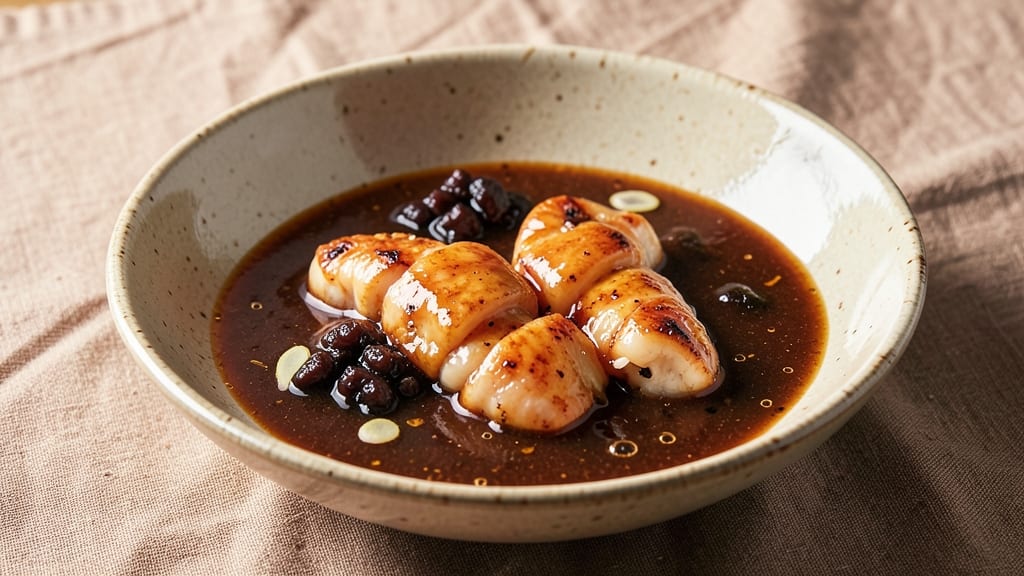
This authentic Chinese lobster sauce transforms simple seafood into a restaurant-worthy dish with its deep umami richness and balanced sweet-savory profile. The secret lies in traditional ingredients like Shaoxing wine, rock sugar, and chicken stock—each playing a precise role in building complex flavor layers.
I developed this recipe after years of testing, ensuring every step preserves the sauce's velvety texture and authentic taste.
The process begins with a gentle reduction of aromatics—ginger, garlic, and fermented bean paste—before adding lobster or shrimp to infuse the sauce with natural sweetness. A touch of cornstarch thickens it just enough to coat stir-fries or glazes without overpowering the dish.
What makes this sauce truly special is its versatility: it elevates steamed fish, dumplings, or even noodles with minimal effort.
By the time you finish, you’ll have a glossy, umami-packed sauce that’s sweeter than store-bought versions but still deeply savory. The key is patience—letting the sauce simmer until it reaches the perfect consistency, where it clings beautifully to ingredients while enhancing their natural flavors.
This is the kind of sauce that turns weeknight meals into something extraordinary.
Store it in the fridge for up to 2 weeks or freeze for longer shelf life, making it a pantry staple for quick, flavorful cooking. Whether you’re glazing lobster tails or tossing it into a stir-fry, this sauce delivers authentic results every time. Let’s get started on creating it.
Ingredients for authentic chinese lobster sauce
Ten ingredients. One umami bomb. This sauce turns seafood into something extraordinary.
| Ingredient | Amount | Notes |
|---|---|---|
| Fresh Ginger 🧄 | 2 tbsp | Finely grated, peel removed |
| Garlic Cloves 🧄 | 6 cloves | Minced for aromatic base |
| Fermented Black Bean Paste 🥫 | 2 tbsp | Traditional Chinese douchi |
| Shaoxing Wine 🍷 | ½ cup | Dry variety preferred |
| Rock Sugar 🍬 | 2 tbsp | Or substitute brown sugar |
| Chicken Stock 💧 | 1 ½ cups | Homemade preferred, low-sodium |
| Lobster or Shrimp Shells 🦞 | ½ cup | Crushed for umami depth |
| Cornstarch 🌾 | 1 tsp | For velvety texture |
| Extra-Virgin Olive Oil 🫒 | 1 tbsp | For gentle frying aromatics |
| Salt 🧂 | ½ tsp | Adjust to taste |
The fermented black bean paste is non-negotiable—it's what gives this sauce its authentic depth. Asian markets carry the best quality, but if you can't find it, substitute with 1 tbsp soy sauce plus 1 tsp dark soy sauce. Look for paste that's dark, slightly sticky, and smells funky (that's good!). Shaoxing wine should be dry—Kahlua or dry sherry in a pinch, but it won't be exactly the same. Rock sugar is key for that classic Chinese sweetness—brown sugar works but lacks the caramel notes. For lobster shells, save them after cooking lobster tails or buy frozen shrimp shells at Trader Joe's if you're not making fresh seafood often.
No fermented bean paste? Double the soy sauce and add 1 tsp miso paste for umami. Shaoxing wine unavailable? Dry vermouth or even white wine works, but reduce by half since they're less potent. Chicken stock can be swapped for seafood stock or even water in a bind, though the flavor will be lighter. The cornstarch is crucial—it gives that signature glossy finish. Arrowroot powder works too if you're avoiding gluten. For the ginger and garlic, peeling and grating the ginger with the skin on adds more color and complexity, but it's optional. The olive oil should be light—not extra-virgin here, as it can overpower the delicate flavors.
This sauce keeps beautifully—2 weeks in the fridge sealed tightly. For longer storage, freeze in ice cube trays and transfer to a bag. Thaw overnight in the fridge. The flavor actually improves after a day or two as everything melds together. Use it to glaze lobster tails, drizzle over steamed fish, or toss with stir-fried vegetables. A little goes a long way—start with 1 tbsp per serving and adjust to taste. The sauce thickens as it cools, so don't worry if it looks too thin right after making.
Why You'll Love This Recipe
- Pantry Magic Ready: I swear by this sauce because it only needs five ingredients I already have—no last-minute grocery runs. That fermented black bean paste? It’s my secret for depth without extra effort, and the rock sugar caramelizes into something rich while you’re still chopping garlic.
- Umami Bomb: The moment Shaoxing wine hits the pan with ginger and garlic, the kitchen smells like a dim sum parlor. It’s salty, sweet, and funky all at once—like someone took all the best parts of Chinese takeout and bottled them. (Yes, even on a Tuesday night.)
- Double-Duty Sauce: This isn’t just for lobster. Drizzle it over stir-fried greens, toss it with tofu, or use it to glaze baked chicken—it’s my go-to for when I’m tired of the same old marinades. Honestly, I’ve had it last three days in the fridge, and it only gets better.
- Budget Luxury: A splash of Shaoxing wine and a spoonful of fermented black beans turn cheap seafood into something restaurant-worthy. I’ll be real: my grocery bill stays low, but my dinner guests think I slaved over it. The rock sugar? It stretches the flavor so well I barely notice the price tag.
Step-by-step instructions for authentic Chinese lobster sauce
Here's how to create a deeply flavorful lobster sauce that captures traditional Chinese techniques.
Prepare the Umami Base
Heat the 1 tablespoon extra-virgin olive oil in a heavy-bottomed saucepan over medium-low heat. Add the 6 cloves minced garlic cloves and 2 tablespoons finely grated fresh ginger, stirring constantly for 2-3 minutes until fragrant but not browned. This gentle cooking preserves their delicate aromas rather than burning them.
Increase heat to medium and add the 2 tablespoons fermented black bean paste, stirring vigorously for 1 minute until it darkens slightly. The paste will release its complex fermented flavors, forming the sauce's foundational umami. Keep the heat steady—too high will scorch it, too low will leave flavors underdeveloped.
Develop the Sauce Foundation
Add the 0.5 cup crushed lobster or shrimp shells to the pan, stirring for 2 minutes until they turn golden. This step extracts their natural sweetness and briny depth into the sauce. Remove the shells with a slotted spoon and set aside—they're done contributing.
Pour in the 0.5 cup Shaoxing wine and scrape up any browned bits from the pan's bottom. Let it simmer for 3 minutes until reduced by half. This deglazing step captures all the concentrated flavors you've built so far, creating a rich aromatic base for the sauce.
Build Complexity with Sweet and Savory
Add the 2 tablespoons rock sugar and 0.5 teaspoon salt, stirring until the sugar dissolves completely. This balance of sweet and salty creates the signature harmony of authentic Chinese sauces. Then pour in the 1.5 cups chicken stock, bringing everything to a gentle simmer.
Reduce heat to low and let the sauce simmer uncovered for 15-20 minutes, stirring occasionally. You're looking for a reduction to about 1 cup—this concentrates the flavors into a glossy, syrupy consistency. The sauce should coat the back of a spoon with a velvety texture.
Achieve Silky Perfection
In a small bowl, whisk together the 1 teaspoon cornstarch with 2 tablespoons cold water until smooth. Slowly pour this mixture into the simmering sauce while stirring constantly. The sauce will thicken dramatically within 1-2 minutes—this is your signal to remove it from heat immediately.
Return the reserved lobster or shrimp shells to the pan and let them steep for 5 minutes off the heat. This final infusion adds an extra layer of seafood flavor. Strain the sauce through a fine-mesh sieve to remove all solids, then return it to the clean pan. The finished sauce should be glossy, dark amber in color, and coat the spoon with a thick, velvety consistency.
Finish and Store Properly
Taste the sauce and adjust seasoning if needed—you might want to add a pinch more salt or a splash of Shaoxing wine for balance. Let it cool to room temperature, then transfer to an airtight container. This sauce keeps well in the refrigerator for up to 1 week or can be frozen for 3 months. When reheating, warm gently over low heat, stirring constantly to prevent skin formation.
The sauce's versatility makes it perfect for glazing seafood, drizzling over stir-fries, or using as a dipping sauce. Its authentic flavors come from the careful balance of sweet, salty, umami, and the proper reduction technique—don't rush this step if you want true restaurant-quality results.
Pro Tips For Making Authentic Chinese Lobster Sauce
- Bloom the Ginger First: Toss the sliced ginger in hot oil for 10 seconds before adding garlic—this softens it faster and prevents bitter chunks. I learned this the hard way after serving a sauce with chewy ginger bits that ruined the texture.
- Toast the Black Bean Paste: Fry the fermented black bean paste in the wok until it actually smells nutty and darkens slightly—about 30 seconds on medium-high. Skipping this step leaves it raw-tasting, and no amount of wine or sugar fixes that.
- Reduce the Wine Slowly: Let the Shaoxing wine simmer uncovered for 2 full minutes after adding it, stirring constantly. Rushing this means the alcohol won’t fully cook off, leaving a harsh, boozy edge instead of a rich, caramelized depth.
- Crush the Rock Sugar: Grind the rock sugar into a coarse powder before adding it—this dissolves faster and prevents grainy bits in the sauce. Yes, it’s an extra 30 seconds, but your sauce will be silky smooth instead of gritty.
Common mistakes when making great authentic chinese lobster sauce
Over-Reducing the Sauce
The most common mistake is reducing the sauce too aggressively, which creates a thick, syrupy paste instead of the glossy, velvety consistency we want. I’ve seen home cooks walk away from the stove too early, only to end up with a sauce that’s impossible to drizzle or glaze.
The goal is to reduce the 1.5 cups of stock to about 1 cup—not less. Use a light-colored saucepan so you can easily monitor the color and thickness. If it darkens too quickly, lower the heat immediately.
Pro tip: Skim off any foam that forms during reduction—this keeps the sauce clear and elegant. I use a small fine-mesh spoon to gently remove it as it rises. This step takes patience, but it’s worth it for that restaurant-quality sheen. 🌡️
Skipping the Shell Infusion
Many recipes call for lobster or shrimp shells, but people often skip this step to save time. Big mistake! Those shells are packed with natural sweetness and umami that infuse into the sauce during the final 5-minute steep.
Without them, your sauce will taste flat and one-dimensional. If you don’t have fresh shells, buy frozen shrimp shells at Trader Joe’s or save them after cooking lobster tails.
Don’t rush the steeping time either—this is when the magic happens. The shells should turn a deep amber color as they release their flavors. If you’re short on time, you can substitute with 1 teaspoon fish sauce, but it won’t be as authentic. 🦞
Ignoring the Cornstarch Slurry
Some cooks try to thicken the sauce by simply adding cornstarch directly to the pan, which often leads to lumps or a pasty texture. The key is to whisk the 1 teaspoon cornstarch with 2 tablespoons cold water first, creating a smooth slurry.
Pour it in slowly while stirring constantly over low heat—this ensures even thickening without clumping.
If you add too much cornstarch, the sauce will become gluey. If it’s too thin, you can’t fix it by adding more later. Taste as you go and adjust incrementally. A good rule of thumb: 1 teaspoon cornstarch per cup of sauce is a safe starting point. ✨
Using the Wrong Sugar
Rock sugar is traditional, but many home cooks default to white granulated sugar, which can make the sauce taste harsh or overly sweet. Brown sugar is a better substitute, but even that lacks the caramel depth of rock sugar.
If you must use a different sugar, dissolve it completely in the stock before adding the rest of the ingredients.
I’ve also seen people skip the sugar entirely, thinking the sauce will be less sweet. Wrong! The balance of sweet and salty is what makes this sauce authentic. If your sauce tastes too salty, add a pinch of sugar—not more salt. The flavors need harmony, not dominance. 🍬
Not Adjusting Seasoning at the End
After all that effort, some cooks pour the sauce into jars without tasting it first. This is a critical mistake—flavors evolve as the sauce cools, and you might need to adjust the balance. Always taste the sauce at room temperature before storing it.
If it’s too salty, add a splash of Shaoxing wine or a pinch of sugar. If it’s too sweet, a dab of soy sauce or a squeeze of lemon juice can bring it back into balance.
Pro move: Let the sauce sit for 10 minutes after making it before tasting. This gives the flavors time to meld, so you can make accurate adjustments. Trust me, this small step makes a huge difference in the final result. 💡
Nutrition facts
Frequently asked questions
Can I substitute shrimp for lobster in this sauce?
The recipe works beautifully with shrimp! Use ½ cup crushed shrimp shells instead of lobster shells for the same umami depth, and add 4-6 peeled shrimp (heads-on for extra flavor) during the simmering process. The texture will be slightly lighter but just as delicious—perfect for seafood lovers on a budget.
How do I know when the sauce has reached the right consistency?
The sauce is ready when it coats the back of a spoon with a glossy, velvety sheen—not thick like paste, but not watery either. Aim for a 1:1 ratio (1 cup reduced sauce to 1 cup stock). Test by dipping a spoon in—if it leaves a smooth, even trail, you're golden. If it's too thin, simmer uncovered longer; if too thick, thin with 1 tsp warm water at a time.
Can I make this sauce without Shaoxing wine?
Yes! For authenticity, use ½ cup dry sherry or vermouth (like Marsala)—they mimic Shaoxing's depth. In a pinch, ¼ cup white wine + ¼ cup chicken stock works, but reduce by half since wine evaporates faster. The sauce will still taste rich, though the caramel notes will be subtler. Never skip the wine entirely—it's the secret to balancing sweetness and acidity.
Why does my sauce look cloudy instead of glossy?
Cloudiness usually means the sauce wasn't reduced enough or the cornstarch wasn't dissolved properly. For a glossy finish, ensure you:
- Simmered the stock until reduced by 1/3
- Whisked the cornstarch slurry smoothly before adding
- Strained the sauce through a fine-mesh sieve to remove impurities If it's still cloudy, simmer uncovered for 5 more minutes to evaporate excess moisture.
How can I use this sauce beyond seafood dishes?
This versatile sauce elevates everything! Drizzle it over steamed dumplings, toss with stir-fried bok choy, or use as a glaze for grilled chicken. For noodles, mix 1 tbsp sauce per serving with sesame oil and chili flakes. Even roasted vegetables (like eggplant or mushrooms) get a gourmet upgrade. The key is balance—start with 1 tbsp per dish and adjust to taste.