
Sauces & Condiments
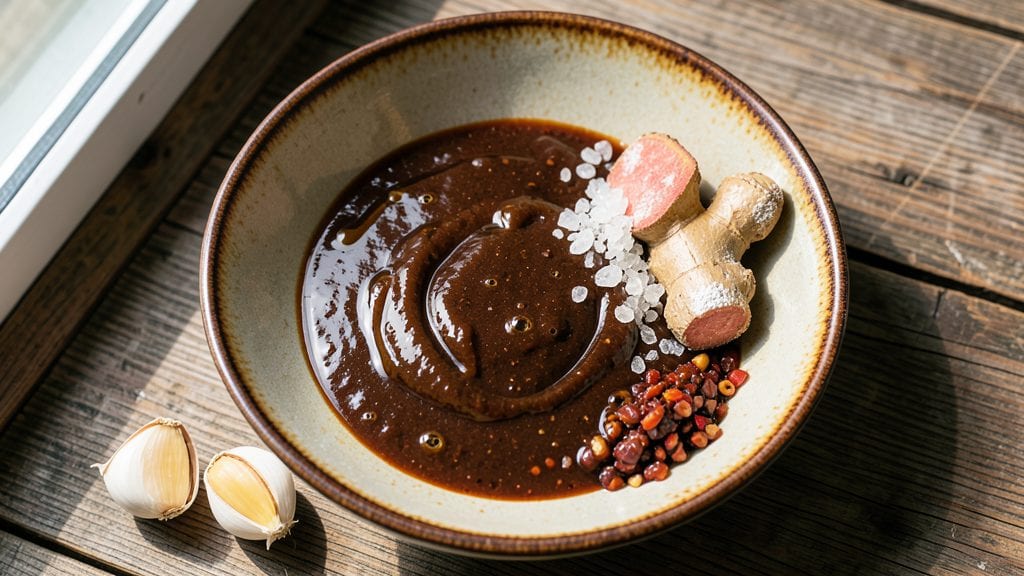
This fermented black bean sauce recipe transforms simple ingredients into a deeply umami-rich condiment that elevates every dish it touches. The fermentation process develops complex flavors over time, creating a versatile sauce that works as a marinade, stir-fry base, or dipping sauce with just a few pantry staples.
I've perfected this method through careful fermentation control, ensuring safety while maximizing flavor development.
The beauty of this sauce lies in its simplicity—just black beans, soy sauce, garlic, and a touch of sugar—but the fermentation process transforms them into something extraordinary. Unlike store-bought versions, homemade fermented black bean sauce builds layers of flavor that deepen with each use, making it a pantry essential.
With proper care, this sauce keeps for months, allowing you to enjoy its rich, tangy-sweet depth whenever inspiration strikes.
What makes this recipe truly special is its adaptability in the kitchen. Use it as a marinade for meats, a stir-fry sauce that clings to vegetables, or a dipping sauce for spring rolls and dumplings.
The fermentation process also creates natural probiotics, adding a subtle health benefit to its culinary versatility. Once you taste the difference, you'll never go back to bottled versions.
Ready in just 14 days of fermentation (with minimal daily attention), this sauce delivers restaurant-quality depth without the fuss. The key is patience—allowing the flavors to develop gradually creates a sauce that's far more complex than anything you can buy. Let's get started on your flavor journey!
Ingredients for fermented black bean sauce
Nine simple ingredients ferment into a rich, umami-packed sauce that transforms ordinary meals.
| Ingredient | Amount | Notes |
|---|---|---|
| Black Soybeans (Dried) 🌱 | 1 cup | Rinsed thoroughly before use |
| Organic Tamari or Soy Sauce 🍶 | ½ cup | Gluten-free preferred for depth |
| Garlic Cloves 🧄 | 6 cloves | Peeled, smashed for flavor release |
| Organic Cane Sugar 🍯 | 2 tbsp | Light brown preferred for caramelization |
| Fresh Ginger Root 🌿 | 2 tbsp | Finely grated, organic preferred |
| Asian Chili Bean Sauce (Doubanjiang) 🌶️ | 1 tbsp | Fermented chili bean paste for heat |
| Apple Cider Vinegar 🍏 | 1 tbsp | Raw, unfiltered for tang |
| Sea Salt 🧂 | 1 tsp | Diamond Crystal preferred |
| Sesame Oil 🥜 | 1 tsp | Toasted for nutty aroma |
| Distilled Water 💧 | 1 cup | Filtered for clarity |
The black soybeans are the heart of this sauce—look for organic or heirloom varieties at specialty stores like Whole Foods or Asian markets for maximum depth. Rinse them thoroughly before using to remove any anti-nutrients. Tamari adds that signature umami punch, but if you can't find it, gluten-free soy sauce works in a pinch. The garlic and ginger should be fresh—no powdered shortcuts here. For the chili bean sauce, Lao Gan Ma is my go-to brand, but any fermented doubanjiang will do. The organic cane sugar isn't just for sweetness—it helps kickstart fermentation by feeding the good bacteria.
No tamari? Double the soy sauce and add a splash of coconut aminos for balance. Fresh ginger too expensive? Substitute with 1 tsp ground ginger, but you'll lose that bright, zesty kick. Running low on chili bean sauce? Mix 1 tsp gochujang with 1 tsp soy sauce as a quick swap. The apple cider vinegar can be swapped for rice vinegar, but it'll be slightly milder. For the sesame oil, toasted over high heat makes all the difference—if you're in a hurry, just use regular sesame oil, but toast it in a dry pan for 30 seconds first. The water should be filtered if possible to avoid any off-flavors during fermentation.
This sauce develops best in a sterilized glass jar with an airlock or tight lid. Store it in a cool, dark place—68-72°F is ideal. After 14 days, it'll be ready, but the flavor keeps improving for up to 3 months in the fridge. Portion into small jars for easy use—just a spoonful per stir-fry or marinade. If the surface develops mold, just skim it off—the good bacteria below will keep fermenting. The sauce thickens as it ages, so add a splash of water if needed when using.
Why You'll Love This Recipe
- No-Soaking Needed: I’ll admit, I was skeptical about dried black soybeans—until I realized you just rinse them and toss them in the jar. No overnight soaking, no fuss. The tamari and ginger do all the heavy lifting while you sip your coffee.
- Umami Bomb: That first taste of fermented black beans? It’s like a slow dance of deep, savory warmth with a little sweet kick from the cane sugar. The garlic and ginger hit just right—bold but balanced, like a hug from your favorite comfort food.
- Pantry Powerhouse: This sauce turns bland rice into a meal in minutes. Drizzle it over stir-fries, toss it into ramen, or even slather it on grilled tofu. Honestly, I’ve used it in everything from weeknight dinners to lazy Sunday brunch—no two uses ever feel the same.
- Lasts Forever: A jar of this stuff keeps in the fridge for months, and the flavor only gets richer. I make a big batch once and forget about it—until I’m scrambling for a quick sauce and realize I’ve got a secret weapon stashed away. Budget-friendly? Absolutely. Time-saving? Even better.
Step-by-step instructions for fermented black bean sauce
Here's how to create a deeply flavorful fermented base that builds complexity over time.
Prepare the Black Soybeans for Fermentation
Begin by rinsing the 1 cup black soybeans (dried) thoroughly under cold water until the water runs clear. This removes any surface impurities that could hinder fermentation. Place them in a clean bowl and cover with 1 cup distilled water. Let them soak for 12 hours at room temperature—this ensures they soften properly and develop the right texture for fermentation.
After soaking, drain the beans and transfer them to a clean glass jar. Add the 6 cloves garlic cloves (peeled and smashed) and 2 tbsp fresh ginger root (finely grated). The garlic and ginger will infuse their aromatic compounds into the beans during fermentation, creating a complex flavor foundation. Seal the jar loosely with a lid or cloth to allow some airflow while preventing debris from entering.
Create the Fermentation Base
In a small saucepan, combine the 0.5 cup organic tamari or soy sauce, 2 tbsp organic cane sugar, 1 tbsp apple cider vinegar, 1 tbsp asian chili bean sauce (doubanjiang), and 1 tsp sea salt. Warm this mixture over medium heat for 3-4 minutes, stirring constantly, until the sugar dissolves completely and the flavors meld. This liquid will become the fermenting medium for the beans.
Pour the warm mixture over the prepared beans in the jar, ensuring all beans are fully submerged. The liquid should cover them by at least ½ inch. Add 1 tsp sesame oil last, as its delicate aroma should be preserved until the final stages. Seal the jar tightly and store it in a cool, dark place—like a pantry or cellar—for 7 days. This initial fermentation period allows the beans to develop their signature funky, umami-rich profile.
Ferment and Develop Flavor
After 7 days, open the jar and check for fermentation progress. You'll notice a slight effervescence and a tangy aroma—this is normal and indicates active fermentation. Stir the contents gently to redistribute any settled flavors, then reseal the jar. Continue fermenting for an additional 7-10 days, checking every 3 days for proper development. The sauce should become increasingly rich and complex, with a deep, almost molasses-like consistency.
During this time, you may see some surface mold or liquid separation—this is natural. Simply skim off any mold and stir the mixture well before resealing. The longer you ferment (up to 3 weeks total), the more intense the flavor becomes. However, 2 weeks is ideal for a balanced, deeply savory sauce that's ready for culinary use.
Finish and Store the Sauce
Once the sauce reaches your desired flavor intensity, transfer it to a clean glass jar or airtight container. Store it in the refrigerator, where it will continue to develop subtle flavors over time. The sauce will thicken further as it cools, achieving a glossy, almost paste-like consistency perfect for stir-fries, marinades, or dipping sauces.
This fermented black bean sauce will keep in the refrigerator for up to 3 months, with flavors deepening gradually. For best results, use it within 2 months to enjoy its peak umami and aromatic qualities. The sauce's versatility makes it a pantry staple—use it as a glaze, marinade base, or even a bold condiment for noodle dishes.
Pro Tips For Making Fermented Black Bean Sauce
- SOAK BEANS 12 HOURS: DESCRIPTION: I learned this the hard way—skipping the long soak means your beans won’t soften evenly and will release bitter starches. Use a bowl of cool water (not warm) and change it twice during the 12-hour window. Trust me, the extra time saves you from gummy texture later.
- PEEL GINGER LIKE A PRO: DESCRIPTION: Skip the messy peeling with a spoon—just rub the ginger root under cold running water while holding it against a cutting board. The skin sloughs off in seconds, and you’ll avoid the splatter of peeling it raw. (Yes, even if you’re impatient like me.)
- SIMMER LOW AND SLOW: DESCRIPTION: After the initial boil, drop the heat to a bare simmer—think tiny bubbles, not rolling. I used to rush this, and the sauce turned thin and watery. Let it cook at 180°F (82°C) for at least 2 hours, stirring occasionally. Patience here makes the sauce thicken naturally.
- USE GARLIC PASTE, NOT MINCED: DESCRIPTION: Mincing garlic burns faster and adds moisture—just what you don’t want in a fermented sauce. Blend peeled garlic cloves into a smooth paste with a splash of water before adding it. It distributes evenly and caramelizes without turning bitter. (Your future self will thank you.)
Perfect pairings for these flavors
Stir-Fry Sauce Base
This fermented black bean sauce is a game-changer for stir-fries—just 1-2 tablespoons transforms simple vegetables into a restaurant-worthy dish. I toss 2 cups bok choy, 1 red bell pepper, and 1 carrot (julienned) in a hot wok with 1 tbsp sesame oil.
Add 1 tbsp sauce and 1 tsp soy sauce, then stir-fry for 3-4 minutes on high heat. The sauce caramelizes beautifully, adding a deep umami richness that clings perfectly to the vegetables. 🌶️
Marinade for Meats
For chicken thighs or pork belly, combine 2 tbsp fermented black bean sauce with 1 tbsp rice vinegar, 1 tbsp honey, and 1 tsp grated ginger. Marinate for 4-6 hours (or overnight for deeper flavor).
The sauce's fermented funk tenderizes the meat while adding a complex, savory depth. Grill or roast until the internal temperature reaches 165°F for chicken or 145°F for pork. The result? Juicy, flavor-packed meat with a caramelized crust.
Dipping Sauce for Spring Rolls
Mix 2 tbsp fermented black bean sauce with 1 tbsp hoisin sauce, 1 tsp chili oil, and a splash of lime juice. This vibrant dipping sauce balances the crispy texture of spring rolls with its tangy-sweet profile.
I love serving it with homemade shrimp spring rolls or store-bought versions. The sauce's fermented depth cuts through the richness of fried foods beautifully, making every bite more exciting. 🍜
Glaze for Grilled Proteins
Brush fermented black bean sauce directly onto grilled salmon or tofu during the last 2-3 minutes of cooking. The sauce caramelizes into a glossy glaze that adds a smoky-sweet contrast to the natural flavors of the protein.
For extra richness, add 1 tsp maple syrup to the sauce before applying. This technique works wonders for grilled shrimp skewers too—just toss them in the sauce before grilling. 🍃
Noodle Bowl Upgrade
Elevate your ramen or udon noodles by adding 1-2 tablespoons of fermented black bean sauce to the broth. The sauce's umami depth enhances the broth's flavor without overpowering it. I also stir in 1 tsp miso paste and a splash of sesame oil for an extra layer of complexity.
The result is a broth so rich and savory, it feels like a hug in a bowl. Perfect for chilly evenings! ❄️
Fermented Black Bean Sauce Cocktail
Yes, you read that right! Mix 1 oz fermented black bean sauce with 2 oz gin, ½ oz lime juice, and ½ oz honey syrup for a bold, umami-packed cocktail. Shake with ice and strain into a chilled glass.
The sauce's deep, funky flavors add a unique twist to classic gin cocktails, making it a conversation starter at any gathering. Garnish with a lime wheel for brightness. 🍸
Nutrition facts
Frequently asked questions
How long does fermented black bean sauce actually need to ferment?
The minimum fermentation time is 14 days for basic flavor development, but the sauce continues improving for up to 3 months in the fridge. For maximum depth, ferment 2-3 weeks at room temperature (68-72°F) before refrigerating. The longer you wait, the more complex the umami profile becomes.
Can I use regular black beans instead of black soybeans?
No, this recipe requires black soybeans (also called urad dal) for their unique texture and fermentability. Regular black beans lack the right starch structure and won't develop the same rich, paste-like consistency. If you can't find black soybeans, look for "black gram" or "urad dal" in Indian or Asian markets.
What should I do if mold appears on top of my fermented sauce?
Surface mold is normal and harmless if you remove it promptly. Simply skim off any white or fuzzy growth with a clean spoon, then stir the sauce well before resealing. The good bacteria below will continue working—just avoid any mold that reaches below the liquid line. This happens more in humid conditions, so store your jar in a cool, dark place.
How can I adjust the heat level in my fermented black bean sauce?
For milder heat, reduce the chili bean sauce (doubanjiang) to ½ tbsp or omit it entirely. For extra spice, add ½ tsp red pepper flakes or 1 tsp gochugaru during the final mixing stage. Remember, fermentation intensifies flavors—start with less heat if you're unsure. You can always add more later when using the sauce.
Can I make this sauce without vinegar?
Yes, but the fermentation process will be slower and less reliable. Vinegar helps create the right acidic environment for good bacteria to thrive. If you must omit it, increase the soy sauce to ⅔ cup and add ½ tsp citric acid (found in baking sections) to mimic the acidity. Monitor fermentation closely for signs of spoilage.