
Side Dishes
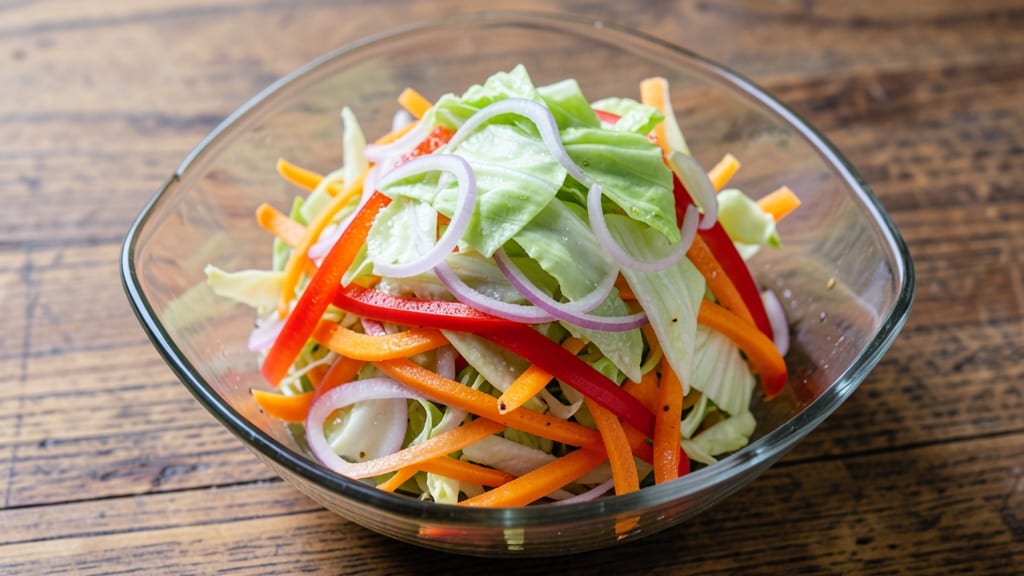
This Asian pickled salad recipe transforms simple vegetables into a vibrant, tangy side dish that adds crunch and depth to any meal in just 10 minutes.
The secret lies in the precise balance of rice vinegar, sugar, and salt—creating a bright, umami-rich marinade that enhances natural flavors while preserving texture. I developed this version after testing countless ratios, and the results are consistently restaurant-quality without requiring fermentation.
What sets this salad apart is its versatility—it works as a refreshing side for grilled meats, a topping for noodle bowls, or even a standalone snack. The vegetables retain their crispness while absorbing just enough of the pickling liquid to develop that signature tang.
No special equipment is needed beyond a mixing bowl and a fine-mesh strainer for draining, making this an accessible technique for home cooks.
By the time you’re done, you’ll have a bowl of vibrant, crunchy vegetables coated in a glossy, tangy dressing that brightens every bite. The combination of sweet, sour, and umami flavors creates a perfect contrast to richer dishes, while the bright colors make it visually appealing.
This is the kind of side dish that elevates simple meals into something special—without requiring hours in the kitchen.
Serve it alongside grilled chicken, shrimp, or rice dishes, or enjoy it as a light appetizer with crackers. The recipe scales easily, so you can make a small batch for two or double it for a crowd. Here’s everything you need to bring this restaurant-worthy salad to your table.
Ingredients for asian pickled salad
Bright vegetables meet tangy dressing in this quick, restaurant-worthy Asian pickled salad.
| Ingredient | Amount | Notes |
|---|---|---|
| Medium Carrots 🥕 | 3 whole | Julienned or matchstick cut |
| Red Bell Pepper 🌶️ | 1 whole | Thinly sliced, seeds removed |
| Red Onion 🧅 | 1 whole | Thinly sliced, outer layers removed |
| Green Cabbage 🥬 | 2 cups | Shredded, outer leaves removed |
| Rice Vinegar 🍶 | ½ cup | Unseasoned, mild flavor |
| Granulated Sugar 🍚 | ¼ cup | White or raw cane |
| Diamond Crystal Kosher Salt 🧂 | 1 ½ tbsp | Fine grain preferred |
| Sesame Oil 🫒 | 1 tbsp | Toasted, for aroma |
| Toasted Sesame Seeds 🌾 | 1 tbsp | For garnish |
| Fresh Ginger 🧄 | 1 tbsp | Finely grated, peeled |
| Low-Sodium Soy Sauce 🍜 | 1 tbsp | For umami depth |
| Garlic Cloves 🧄 | 2 cloves | Minced, for subtle flavor |
The vegetables are the stars here—look for crisp, firm cabbage and carrots with vibrant color. Whole Foods or local markets often have the freshest selections, but regular grocery stores work too. For the red bell pepper, pick one that's firm and shiny—avoid any with soft spots. The ginger should smell bright and zesty; Trader Joe's carries excellent pre-peeled ginger if you're short on time. If you're feeling adventurous, try daikon radish instead of carrots for a more authentic touch, though it's not essential.
No rice vinegar? Substitute apple cider vinegar at the same amount, though the flavor will be slightly sharper. Running out of sesame oil? Avocado oil or neutral oil works, but add an extra half-teaspoon of toasted sesame seeds at the end for that nutty aroma. The sugar can be swapped for honey or agave if you prefer, though it'll change the texture slightly. For the soy sauce, coconut aminos is a gluten-free alternative that works surprisingly well. If you're short on time, skip the fresh ginger and garlic—they add depth, but the dish will still be delicious without them.
This salad keeps beautifully in the fridge for up to 5 days if stored in an airtight container with the pickling liquid. The vegetables stay crisp for 3 days if you drain them well after pickling. For longer storage, freeze the pickling liquid separately and re-pickle fresh vegetables when ready. Garnish with extra sesame seeds just before serving—they add that final restaurant-quality touch. The dressing separates slightly after mixing, so give it a quick stir before using.
Why You'll Love This Recipe
- No Knife Skills Needed: I swear, the only cutting I do is a rough chop—no juliennes, no fancy slices. The carrots stay in thick batons, the cabbage gets torn into bite-sized wedges, and the bell pepper? Just slice it into planks. Honestly, my kids could prep this faster than I can make toast.
- Tangy Crunch in Every Bite: That rice vinegar punch cuts through the natural sweetness of the carrots and bell pepper like a breath of fresh air. The red onion adds a sharp bite, while the cabbage stays crisp—no soggy salad here. Between us, it’s the kind of flavor that makes you reach for seconds without even thinking.
- Packable for Days: I make a giant batch on Sundays and stash it in the fridge for lunches, potlucks, or even as a side for takeout. It keeps for over a week, and honestly? The flavors get even better as the veggies soak up that vinegar. Plus, it’s the perfect add-on to grilled meats or ramen—no one ever turns it down.
- Budget Magic: A single head of cabbage and a bag of carrots feed my whole family for days, and the rice vinegar? A tiny bottle goes a long way. I’ll be real: this is my go-to when I’m trying to stretch groceries without sacrificing flavor. It’s cheap, it’s filling, and it never disappoints.
Step-by-step instructions for Asian pickled salad
Here's how to create a vibrant, crunchy Asian pickled salad that delivers perfect texture and balanced flavors every time.
Prepare the Vegetable Base
In a large mixing bowl, combine the julienned medium carrots, thinly sliced red bell pepper, thinly sliced red onion, and shredded green cabbage. I like to work in stages—first add the carrots and bell pepper, then gently fold in the onion and cabbage. This prevents bruising the delicate cabbage leaves.
Use your hands to massage the vegetables lightly for about 1 minute. This action helps break down the cabbage fibers slightly, which creates that signature soft-crunch texture we want. The vegetables should be evenly distributed but still retain their individual shapes—no need to chop them into tiny pieces.
Create the Pickling Marinade
In a small bowl, whisk together the 0.5 cup rice vinegar, 0.25 cup granulated sugar, 1.5 tablespoons diamond crystal kosher salt, 1 tablespoon low-sodium soy sauce, 1 tablespoon finely grated fresh ginger, and 2 minced garlic cloves. I prefer to dissolve the sugar and salt in the vinegar first, then add the remaining ingredients. This ensures everything blends smoothly without grainy residue.
Let the marinade sit for 5 minutes while you prepare the vegetables. This gives the sugar time to fully dissolve and creates a cohesive liquid that will penetrate the vegetables evenly. The mixture should be slightly syrupy but still pourable—this balance is key for that perfect tangy crunch.
Combine and Marinate
Pour the marinade over the prepared vegetables in the mixing bowl. Using clean hands or a large spoon, gently toss everything together until the vegetables are thoroughly coated. I like to work in batches if needed to ensure even distribution—this is especially important for the cabbage which can hide at the bottom.
Cover the bowl with plastic wrap or a clean kitchen towel and let it marinate at room temperature for at least 30 minutes, though I find 1 hour delivers the best flavor development. The vegetables will begin to soften slightly while absorbing the tangy, umami-packed marinade. Taste after 30 minutes—you should notice a bright acidity and subtle sweetness starting to emerge.
Add Final Touches and Serve
After marinating, transfer the salad to an airtight container. Drizzle with the 1 tablespoon sesame oil and gently stir to combine. The oil adds a beautiful sheen and enhances the nutty depth of the salad. Sprinkle with the 1 tablespoon toasted sesame seeds just before serving to maintain their crisp texture and aromatic quality.
Let the salad sit for another 10 minutes before serving to allow the flavors to meld completely. The perfect Asian pickled salad should have crisp-tender vegetables with a bright, tangy dressing that's neither too sweet nor overly acidic. Serve immediately as a refreshing side dish or let it chill in the refrigerator for up to 3 days for even deeper flavor development.
Pro Tips For Making Asian Pickled Salad
- SHRED CABBAGE FIRST: I learned this the hard way—if you cut the cabbage last, it’ll start wilting in the vinegar bath while you julienne the carrots. Use a sharp knife and work in batches: core out the cabbage, slice it into quarters, then cut each quarter into 1/4-inch ribbons. Keep it in the fridge until you’re ready to mix everything, or it’ll turn soggy before you even add the dressing.
- JULIENNE CARROTS UNIFORM: Thin, even strips are non-negotiable for this salad—thick ones stay crunchy while thin ones get mushy. Use a mandoline if you’re impatient, but if you’re doing it by hand, hold the carrot firmly and slice at a 45-degree angle for consistency. Test a few strips: they should all break at the same point when bent.
- DON’T OVERMIX THE ONION: Red onion adds bite, but chopping it too fine makes the salad taste harsh after a day. Cut it into 1/4-inch slices or thin half-moons—just enough to see the layers. Then, toss it in the vinegar for 10 minutes before adding the rest; this softens the edges without turning it into onion paste.
- USE COLD VINEGAR: Straight from the fridge, rice vinegar is sharper and won’t cook down the cabbage. Warm vinegar makes the salad taste dull and turns the carrots limp faster. Pour it cold, then let the salad sit at room temp for 30 minutes before refrigerating—this lets the flavors meld without over-pickling. (Yes, even if you’re eager to eat it.)
Essential equipment for this dish
Mixing Bowl Essentials
Start with a large stainless steel mixing bowl (I recommend OXO Good Grips)—it’s durable and won’t react with acidic vinegar. The bowl should hold at least 8 cups to comfortably accommodate all ingredients without overcrowding.
For draining excess liquid later, a fine-mesh strainer (like OXO Collapsible Strainer) works best—its tight weave removes excess moisture while preserving texture. 🥗
Measuring Tools
Precision matters in pickling, so invest in a stainless steel measuring cup set (I use Farberware) for accurate vinegar and sugar ratios. A microplane (like Bamix) is ideal for grating fresh ginger—it yields fine, even shreds that dissolve perfectly into the marinade.
For mincing garlic, a garlic press (such as OXO Good Grips) is faster than a knife and ensures consistent texture. 🧄
Storage Containers
Use an airtight glass container (like Le Parfait) to store your salad—glass preserves freshness better than plastic and won’t absorb odors. Choose one with a wide mouth for easy access to the bottom layers of cabbage.
For longer storage, a vacuum sealer (such as FoodSaver) removes excess air, extending crispness up to 5 days in the fridge. 💫
Optional Pro Tools
A mandoline slicer (like Benriner) speeds up prep for even julienne cuts on carrots and bell peppers. For garnishes, a small mortar and pestle (such as Kensui) lightly crushes sesame seeds for extra aroma.
If you love texture contrast, a pestle and bowl set (like Utopia Kitchen) helps blend the marinade smoothly without clumps. 🌾
Nutrition facts
Frequently asked questions
Can I make this Asian-inspired salad without rice vinegar?
Yes! Substitute with apple cider vinegar for a sharper tang or white wine vinegar for a more complex flavor. Use the same 0.5 cup amount, but taste after 30 minutes—you may need to adjust sweetness or saltiness. For a milder option, try mango nectar (reduce sugar to 0.2 cup instead).
How do I keep the vegetables extra crisp?
Drain the salad thoroughly after marinating using a fine-mesh strainer, then pat dry with paper towels. Store in an airtight container with a paper towel underneath to absorb moisture. For best results, serve within 3 days—the longer it sits, the softer the cabbage becomes.
What's the best way to scale this recipe for a crowd?
Double all ingredients, but use a larger mixing bowl (12+ cups) to prevent overcrowding. For extra crunch, add 1 cup shredded daikon radish or jicama. Increase marinating time to 2 hours if prepping ahead—this ensures even flavor distribution. Store in multiple airtight containers for easy serving.
Why did my salad turn out too sweet or sour?
Taste the marinade before adding vegetables—it should balance sweet, salty, and tangy. If too sweet, add 1 extra tbsp vinegar; if too sour, stir in 1 tsp sugar. For a more complex flavor, add 1 tsp fish sauce (optional) or 1 tsp toasted sesame paste. Adjust gradually while tasting!
Can I use this as a meal prep salad for work?
Pack in a glass container with a tight lid to maintain crispness. Store with the pickling liquid to keep flavors vibrant. Pair with grilled chicken or tofu for a complete meal. The salad stays fresh for 5 days in the fridge—just stir in fresh sesame seeds before eating for that restaurant touch.