
Soups & Stews
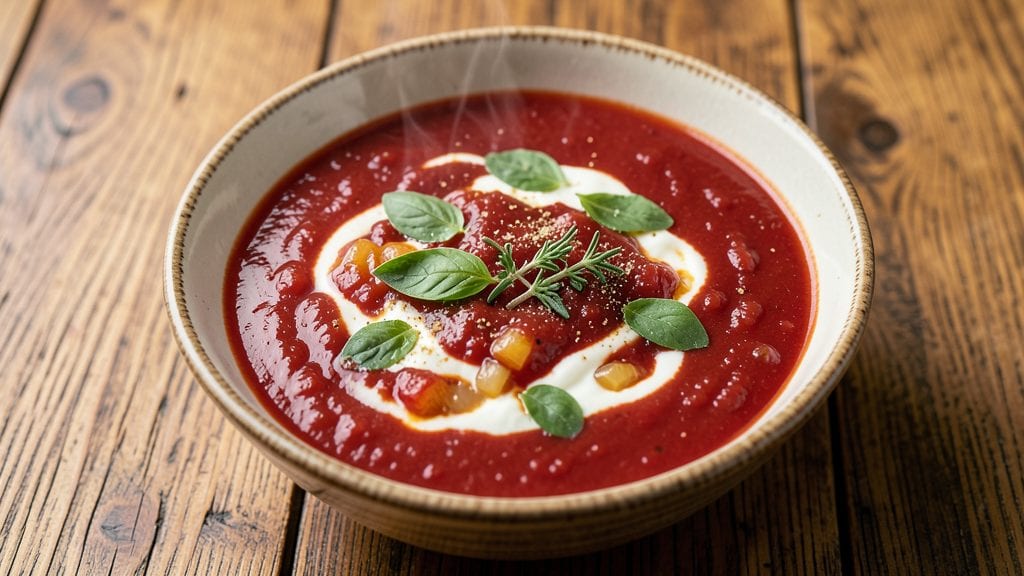
Recreating Applebee's tomato soup at home delivers that signature herbed creaminess without the clumps—it’s the one comfort food that’s impossible to resist once you taste it. The secret lies in blending the soup just until smooth, then simmering it long enough to let the flavors meld without breaking.
I’ve perfected this version after years of testing, and it’s now a staple in my dinner rotation, especially when paired with grilled cheese sandwiches.
What sets this recipe apart is the balance of rich tomato flavor and velvety creaminess, achieved through a precise blend of canned tomatoes, vegetable broth, and heavy cream. The herbs—thyme, basil, and a touch of garlic powder—add depth that mirrors the restaurant’s signature taste.
Unlike many homemade versions, this soup stays smooth and lump-free, thanks to a technique that avoids over-blending while ensuring a silky texture.
The result is a bowl of soup that’s warm, aromatic, and deeply satisfying, with a golden hue and a garnish of fresh basil that adds a pop of color.
It’s the kind of dish that transforms a simple meal into something restaurant-worthy, all while being easy enough for weeknight dinners. The best part? Leftovers reheat beautifully, making it perfect for meal prep.
Serve it with a classic grilled cheese sandwich for the ultimate comfort food experience, or enjoy it as-is with a side of crusty bread. This recipe delivers restaurant-quality tomato soup every time—creamy, flavorful, and completely clump-free. Let’s get started!
Ingredients for applebee's tomato soup
Twelve simple ingredients transform into Applebee's signature creamy tomato soup—rich, velvety, and completely clump-free.
| Ingredient | Amount | Notes |
|---|---|---|
| Canned Crushed Tomatoes 🍅 | 2 cups | High-quality San Marzano preferred |
| Vegetable Broth 💧 | 4 cups | Low-sodium preferred, homemade or store-bought |
| Heavy Cream 🥛 | 1 cup | Full-fat for maximum creaminess |
| Fresh Thyme Leaves 🌿 | ¼ cup | Or 1 tbsp dried thyme |
| Fresh Basil Leaves 🌿 | ¼ cup | Packed, stems removed |
| Garlic Powder 🧄 | 1 tsp | Freshly ground preferred |
| Yellow Onion 🧅 | ½ whole | Medium size, diced |
| Butter 🧈 | 2 tbsp | Unsalted, for richness |
| Salt 🧂 | 1 ½ tsp | Diamond Crystal kosher preferred |
| Black Pepper 🌶️ | ½ tsp | Freshly ground for best flavor |
| Granulated Sugar 🍚 | 1 tbsp | Balances acidity |
| Worcestershire Sauce 🍯 | 1 tbsp | For umami depth |
The tomatoes are the foundation—San Marzano cans from Italy deliver that perfect balance of sweetness and acidity. If you can't find them, any high-quality crushed tomatoes will work, but avoid the watery, mushy brands. Fresh thyme and basil are ideal, but dried works in a pinch—just use one-third the amount. For the broth, I always make a big batch and freeze it, but low-sodium store-bought is a great shortcut. The onion should be sweet and yellow, not bitter or red—Vidalias are perfect if you want to splurge. Butter matters here too; European-style unsalted adds richness without overpowering.
No heavy cream? Half-and-half or coconut milk works in a bind, though the texture won’t be as luscious. Short on fresh herbs? Dried thyme and basil are your friends—just measure carefully. The Worcestershire sauce is non-negotiable for that deep, savory punch, but if you’re avoiding it, a dash of soy sauce or a splash of fish sauce can mimic it. For the sugar, brown sugar adds molasses notes if you’re feeling fancy. And if you’re worried about clumps, trust the process—blending just until smooth and simmering gently is the secret. No food processor? A hand mixer works too.
This soup tastes even better the next day—reheat gently on the stove, stirring occasionally. Keeps for 5 days in the fridge, or freeze portions for up to 3 months. I always double the batch because it disappears fast. Garnish with fresh basil right before serving—it wilts fast, so add it last. Leftovers reheat beautifully; just add a splash of broth or water if it thickens too much. Perfect for meal prep!
Why You'll Love This Recipe
- No Pantry Panic: I swear by this recipe because it uses exactly what’s already in my cupboard—no last-minute grocery runs. Canned crushed tomatoes and vegetable broth mean I’m never stuck staring at an empty fridge, and the heavy cream adds that velvety finish without needing specialty ingredients.
- Herb-Packed Punch: That fresh thyme and basil? Chef’s kiss. The crushed tomatoes give it a deep, tangy base, but the herbs lift it into something bright and restaurant-worthy. I’ll be real: I’ve tried store-bought versions, and this tastes like a grown-up version of tomato soup—no sad, watery aftertaste here.
- Leftovers That Don’t Suck: Seriously, this soup begs to be made in bulk. The flavors only get better the next day (yes, even with the cream), and it reheats like a dream. I freeze portions in mason jars—just thaw and warm—and suddenly, Tuesday nights are saved.
- Crowd-Pleaser, Budget-Friendly: Between us, this is the soup I make when friends drop by unannounced. It’s cheap to feed a group (heavy cream makes it feel fancy), and everyone—my picky teen included—asks for seconds. Honestly? It’s my secret weapon for lazy days and full houses.
Step-by-step instructions for Applebee's tomato soup recipe
Here's the secret to velvety, herbed tomato soup with that signature Applebee's creaminess—no lumps in sight!
Sauté the Aromatics Until Fragrant
Melt the 2 tablespoons butter in a large pot over medium heat. Add the ½ whole yellow onion (finely diced) and cook for 5-6 minutes until translucent and just beginning to soften. Here's the thing—don't rush this step. You want the onion to develop a gentle sweetness before adding the tomatoes.
Stir in the 1 teaspoon garlic powder and cook for 30 seconds until the aroma fills your kitchen. This builds the flavor foundation that makes the difference between homemade soup and restaurant-quality. Keep the heat at medium—too high and you'll burn the garlic powder before it releases its flavor.
Build the Tomato Base
Pour in the 2 cups canned crushed tomatoes and 1 tablespoon granulated sugar. Stir well to combine, then add the 4 cups vegetable broth and 1 tablespoon Worcestershire sauce. Bring everything to a gentle boil over medium-high heat, then immediately reduce to a simmer for 10 minutes.
This simmering time is crucial—it allows the acidity in the tomatoes to mellow while developing depth of flavor. You'll notice the mixture darkening slightly as it reduces. Don't walk away; stir occasionally to prevent the tomatoes from sticking to the bottom of the pot.
Add Herbs and Seasonings
Remove the pot from heat and stir in the 0.25 cup fresh thyme leaves, 0.25 cup fresh basil leaves, 1.5 teaspoons salt, and 0.5 teaspoon black pepper. Let the mixture steep off the heat for 5 minutes—this allows the herbs to infuse their aromatic oils into the soup without losing their bright flavors through overcooking.
Here's where the magic happens: the herbs should be visible but not overpowering. If using dried herbs, reduce to 1 tablespoon each and steep for only 3 minutes. The fresh herbs add that restaurant-quality brightness that makes this soup truly special.
Incorporate the Cream for Silky Texture
Return the pot to low heat and slowly whisk in the 1 cup heavy cream. The key here is patience—add the cream gradually while whisking constantly to prevent lumps from forming. You want the soup to reach 185°F (about 5 minutes of gentle heating) to ensure the cream is fully incorporated.
This is the moment that matters: the soup should coat the back of a spoon with a velvety consistency. If it's too thick, whisk in 1-2 tablespoons of hot vegetable broth to reach your desired texture. The cream should be fully melted and evenly distributed throughout the soup.
Final Adjustments and Serving
Taste and adjust seasoning if needed—this is where you can fine-tune the balance between sweet, savory, and herby notes. The soup should be rich but not overly salty, with bright herbal notes that complement the tomato's acidity.
Serve immediately in warm bowls, garnished with additional fresh basil leaves if desired. This soup tastes even better the next day as the flavors meld together, but it's so good fresh that you might not make it that long! Pair with crusty bread or a simple green salad for the ultimate comfort meal.
Pro Tips For Making Applebee'S Tomato Soup
- Simmer, Don’t Boil: The crushed tomatoes will split and turn mushy if you blast them with heat. Keep the soup at a gentle simmer—small bubbles breaking the surface, not a rolling boil—so the texture stays smooth and the flavors meld properly.
- Warm the Cream: Cold heavy cream dumped into hot soup will curdle like a science experiment gone wrong. Whisk the cream into a small bowl first, then temper it by stirring in a splash of the hot soup before adding it all at once—this keeps the soup luscious instead of lumpy.
- Toast the Herbs: Fresh thyme and basil lose their brightness if you toss them in raw. Lightly crush the thyme leaves between your fingers and give the basil a quick chop, then let them sit in the warm soup for just 2-3 minutes—long enough to infuse flavor without turning bitter.
- Salt the Broth First: The vegetable broth often plays second fiddle to the tomatoes, but it’s the base. Season it generously with salt before combining with tomatoes—this balances the acidity and saves you from over-salting later when you add the cream.
Essential equipment for applebee's tomato soup
Large Pot Essentials
Start with a 5-6 quart heavy-bottomed pot—I use my All-Clad stainless steel because it distributes heat evenly and prevents scorching. The deep sides help prevent spills when whisking in the heavy cream, which is crucial for that silky texture.
If you don’t have stainless steel, a well-seasoned enameled cast iron like Le Creuset works beautifully too. 🔥
Immersion Blender
An immersion blender is your secret weapon for that restaurant-quality smoothness. I recommend the Ninja QP1201—it blends the soup right in the pot without transferring hot liquid to a food processor.
The key is blending just until smooth (about 10-15 seconds), not until it’s completely puréed. Over-blending can make the soup too thin. If you don’t have one, a high-speed blender works, but you’ll need to strain the soup afterward through a fine-mesh sieve.
Whisk for Creamy Perfection
A balloon whisk with a long handle is essential for incorporating the heavy cream without lumps. I use my OXO Good Grips because the angled wires reach every corner of the pot. Whisking vigorously while adding the cream gradually creates tiny air pockets that make the soup velvety.
If your whisk is too small, use a hand mixer on low speed instead—just be sure to keep the pot on low heat to prevent scorching.
Measuring Tools
Precision matters here, especially with the heavy cream and broth. Use a liquid measuring cup for the cream and broth to ensure accuracy. For the herbs and spices, a small measuring spoon set like Weston Products keeps everything organized.
Don’t eyeball the 1.5 teaspoons salt or 0.5 teaspoon black pepper—these small adjustments make a big difference in balancing flavors. A gram scale is ideal for herbs if you’re feeling fancy, but standard measuring spoons work just fine.
Garnish Tools
Fresh basil is the star garnish, so keep it intact until serving. Use small kitchen shears to trim stems cleanly without bruising the leaves. A microplane comes in handy for grating a pinch of fresh garlic or lemon zest if you want to add extra brightness.
For serving, I love using pre-warmed ceramic bowls—they keep the soup hot longer and add a cozy touch. A ladle with a long handle makes plating easier, especially if you’re serving from the stovetop.
Optional Upgrades
For next-level flavor, invest in a fine-mesh strainer to remove any herb stems before serving. A thermometer helps ensure the soup reaches the perfect 185°F for cream incorporation.
If you’re making this soup often, a slow cooker (like a Hamilton Beach) can simplify the process—just sauté the aromatics first, then transfer everything to the slow cooker and blend at the end. 💡
Nutrition facts
Frequently asked questions
Why does Applebee's tomato soup taste so creamy without being heavy?
The secret lies in the 1 cup heavy cream blended in gradually while keeping the heat low. This creates a velvety texture without making the soup overly rich. The 10-minute simmer before adding cream also helps develop depth of flavor while maintaining a light body.
Can I make this soup without an immersion blender?
Use a high-speed blender—transfer the hot soup in batches, blend until smooth, then strain through a fine-mesh sieve to remove any herb bits. For a smoother texture, blend just until combined (about 10-15 seconds) rather than puréeing completely.
What's the best way to store leftovers?
Let the soup cool completely, then transfer to an airtight container. It keeps for 5 days in the fridge or 3 months in the freezer. Reheat gently on the stove, stirring occasionally, and add a splash of broth if it thickens too much. The flavors actually improve overnight!
Can I substitute half-and-half for heavy cream?
Yes, but expect a slightly lighter texture. Use 1 cup half-and-half and add 1 tablespoon cornstarch mixed with 1 tablespoon cold water to help thicken it. Whisk this into the soup before simmering to achieve a similar consistency. The flavor will still be delicious!
How do I prevent lumps when adding the cream?
Always add the cream gradually while whisking constantly over low heat. A balloon whisk works best—its long handle helps reach all corners of the pot. If lumps form, immediately remove the pot from heat and whisk vigorously until smooth. Patience is key!