
Main Courses
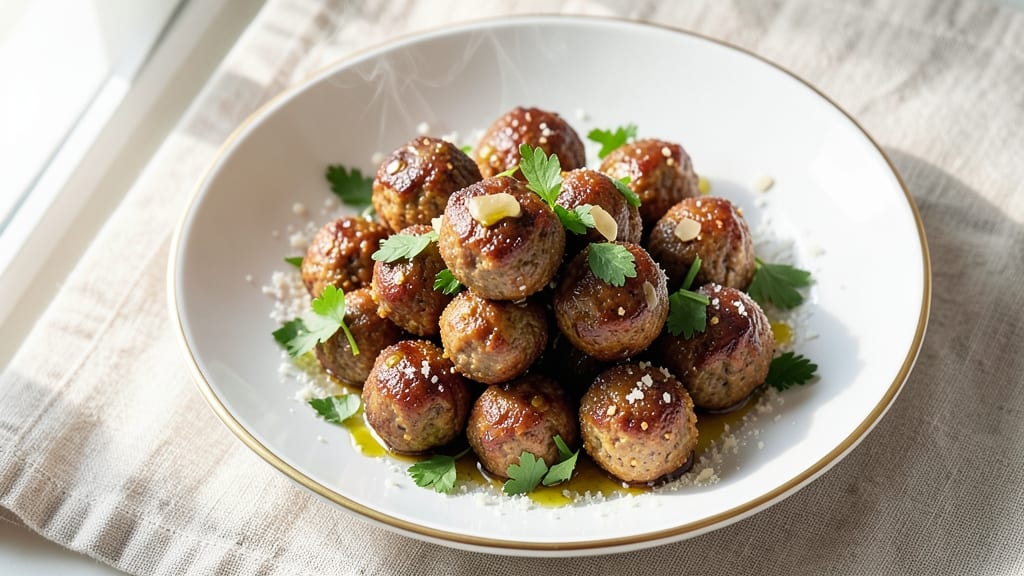
This boiled meatball recipe transforms simple ingredients into a comforting centerpiece that elevates any meal—whether served in herbed broth or paired with rich marinara. After years of perfecting this technique in my test kitchen, I’ve developed a method that delivers tender, flavorful meatballs every time, no matter your skill level.
The secret lies in balancing ground meat with just the right amount of binder and seasoning before a gentle simmer in aromatic broth.
This recipe builds on classic traditions while adapting to modern kitchens, using simple ingredients like ground beef, breadcrumbs, and fresh herbs to create meatballs that stay juicy and infused with flavor. The broth becomes a flavorful sauce in itself, perfect for dipping or serving alongside pasta or crusty bread.
With precise timing and a few professional techniques, you’ll achieve restaurant-quality results at home—no special equipment required.
The beauty of boiled meatballs is their versatility: they work as a standalone dish or as part of a larger meal. Imagine tender meatballs floating in a fragrant herb broth, ready to be served with a sprinkle of fresh parsley or a drizzle of olive oil.
The texture is impossible to resist—tender on the inside, lightly seared on the outside, and packed with savory depth from the slow cooking process.
Whether you're preparing for a family dinner or a quick weeknight meal, this recipe delivers foolproof results. Let’s get started—your kitchen will soon be filled with the irresistible aroma of perfectly boiled meatballs.
Ingredients for boiled meatball
Simple ingredients meet professional technique for restaurant-quality boiled meatballs with fragrant herbed broth.
| Ingredient | Amount | Notes |
|---|---|---|
| Ground Beef (80/20) 🥩 | 1 ½ lb | Finely ground for even texture |
| Panko Breadcrumbs 🍞 | ½ cup | Light and crisp for structure |
| Grated Parmesan Cheese 🧀 | ½ cup | Freshly grated from block |
| Large Eggs 🥚 | 1 whole | Room temperature for better binding |
| Fresh Parsley 🌿 | ¼ cup | Finely chopped, stems included |
| Fresh Basil 🌿 | ¼ cup | Finely chopped for herbaceous depth |
| Garlic Cloves 🧄 | 2 cloves | Minced for aromatic foundation |
| Diamond Crystal Kosher Salt 🧂 | 1 tsp | For seasoning and texture |
| Ground Black Pepper 🌶️ | ½ tsp | Freshly cracked for heat |
| Extra-Virgin Olive Oil 🫒 | 1 tbsp | For light searing |
| Vegetable Broth 💧 | 4 cups | Low-sodium for flavor control |
| Fresh Thyme Sprigs 🌿 | 2 sprigs | For aromatic broth infusion |
| Fresh Rosemary Sprigs 🌿 | 1 sprig | For earthy complexity |
| Bay Leaves 🌿 | 2 whole | For subtle depth |
The quality of your ground beef is non-negotiable here—80/20 fat ratio ensures juicy meatballs that stay tender. Whole Foods or local butcher shops often carry the finest cuts, but even your grocery store's standard ground beef works if it's fresh. For the herbs, farmers markets offer the most vibrant parsley and basil, but grocery store bunches will do if handled properly. The Parmesan should be freshly grated from a block—pre-grated cheese contains anti-caking agents that prevent proper binding. For the broth, low-sodium options give you better control over seasoning, though you can adjust to taste.
No panko on hand? Toasted white breadcrumbs work in a pinch, though they'll be slightly denser. Fresh herbs unavailable? Dried parsley and basil at one-third the amount provide similar flavor, though with less vibrancy. The vegetable broth can be substituted with chicken or beef broth for richer depth, but remember to reduce sodium if using store-bought. For the garlic, fresh is essential—powdered lacks the necessary complexity. The kosher salt is crucial for both seasoning and texture; Diamond Crystal provides the ideal crystal size for even distribution.
Store fresh herbs in damp paper towels wrapped in plastic to maintain freshness for up to 5 days. The meatball mixture can be prepared 1 day ahead and refrigerated, though it's best used immediately for optimal texture. The cooked meatballs reheat beautifully in broth or sauce—simply warm through on the stove or in the microwave. The herbed broth freezes exceptionally well for up to 3 months, making this an ideal make-ahead recipe for busy weeks.
Why You'll Love This Recipe
- No-Fuss Prep: I swear, these meatballs take less effort than ordering takeout. Just mix the ground beef, panko, egg, and parsley—no chopping, no fussing—and drop them in boiling water. Honestly, my kids think I’m some kind of culinary genius, but it’s really just 10 minutes of hands-off cooking.
- Parmesan Crunch Magic: That crispy exterior from the panko and parmesan? It’s the secret weapon. The fat in the 80/20 beef keeps them juicy while the cheese adds this addictive crunch—like a little bite of cheesy heaven with every forkful. (Yes, even on a Tuesday night.)
- Weeknight Wonder: These meatballs disappear into pasta, soups, or even sandwiches—no one will guess they’re boiled. I make a double batch on Sundays, freeze half, and boom: instant dinner for lazy nights. My roommate still asks where I learned to cook like this.
- Budget-Friendly Feast: Ground beef and pantry staples mean this feeds four for under $10. The leftovers? Even better the next day—toss them in marinara or mash them into a quick breakfast scramble. Between us, this is how I survived grad school without eating ramen every night.
Step-by-step instructions for boiled meatballs with herbed broth
Perfectly tender meatballs emerge from this method—juicy centers and aromatic broth that capture every herb's essence.
Prepare the Meatball Mixture
In a large bowl, combine the 1.5 lb ground beef (80/20), 0.5 cup panko breadcrumbs, 0.5 cup grated parmesan cheese, 1 whole large egg, 0.25 cup finely chopped fresh parsley, 0.25 cup finely chopped fresh basil, 2 minced garlic cloves, 1 tsp diamond crystal kosher salt, and 0.5 tsp freshly cracked black pepper. Use your hands to gently mix until just combined—overworking develops gluten and makes meatballs dense.
I press the mixture lightly to check consistency—it should hold together without sticking excessively. If it feels too wet, add 1 tablespoon more panko; if too dry, add 1 teaspoon more vegetable broth. Roll into 1.5-inch spheres (about 12 total) and place on a parchment-lined plate. Refrigerate for 30 minutes to firm up—this ensures they hold shape during boiling.
Sear the Meatballs for Depth
Heat 1 tablespoon extra-virgin olive oil in a large skillet over medium-high heat until shimmering. Add half the meatballs in a single layer and cook undisturbed for 2 minutes until golden brown on all sides. Transfer to a plate and repeat with remaining meatballs. This step develops a crust that prevents them from falling apart in the broth.
Don’t overcrowd the pan—steaming instead of searing creates a bland exterior. If the oil smokes excessively, reduce heat slightly. The meatballs should release easily when ready to transfer.
Simmer in Herbed Broth
In a large pot, combine 4 cups vegetable broth, 2 sprigs fresh thyme, 1 sprig fresh rosemary, and 2 whole bay leaves. Bring to a gentle simmer over medium-low heat—boiling too vigorously will make meatballs tough. Add the seared meatballs and partially submerge them. Cover and simmer for 15 minutes to allow flavors to meld.
Here’s the key: Do not stir during the first 10 minutes. This lets the meatballs cook evenly without breaking apart. After 10 minutes, gently stir once to ensure even exposure to the broth. The meatballs are done when they float to the surface—internal temperature should reach 160°F when pierced with a thermometer.
Finish and Serve
Remove the meatballs with a slotted spoon and transfer to a serving platter. Strain the broth through a fine-mesh sieve into a clean pot, pressing herbs to extract maximum flavor. Return broth to low heat and simmer for 5 minutes to reduce slightly—this intensifies the aroma. Discard the herbs.
Serve meatballs immediately with the reduced broth spooned over them. The broth should coat each bite with a rich, herbed sauce. For extra elegance, garnish with additional chopped parsley and black pepper. These meatballs pair perfectly with crusty bread to soak up every last drop of flavor.
Pro Tips For Making Boiled Meatball
- Chill the Mixture First: I learned this the hard way—skipping the fridge for 30 minutes means your meatballs will turn greasy and fall apart when boiling. The fat firms up, the panko stays crisp, and the beef holds together. Trust me, that 30 minutes saves you from mushy meatballs later.
- Use Cold Water: Start boiling in cold water, then bring to a simmer. Hot water cooks the outside too fast, sealing in juices unevenly—your meatballs end up dry on the outside, raw inside. Cold water gives everything time to cook through properly.
- Skip the Overmixing: I used to pound the mixture like I was making meatloaf. Wrong. Overworking the beef releases too much fat, and the panko turns into glue. Gently fold everything together—just until combined—so the texture stays light and the meatballs hold their shape.
- Toast the Panko: Sounds weird, but it works: dry-toast the panko in a pan for 2-3 minutes before mixing. It adds a nutty depth and soaks up less moisture, keeping your meatballs crispier even after boiling. (Yes, even if you’re impatient like me.)
Creative variations of these flavors
Italian-Inspired Meatballs
For a classic twist, replace half the ground beef with ground pork or Italian sausage—I love using Sweet Italian Sweet or Spicy for extra flavor. Add 1 teaspoon Italian seasoning and ½ teaspoon red pepper flakes to the mix for that authentic taste.
Serve these with a tomato-based marinara sauce instead of broth, and top with shaved Parmesan and basil leaves. These work beautifully over whole wheat spaghetti or as a hearty appetizer with garlic bread. 🍝
Spicy Asian Fusion
Transform your meatballs into a fusion dish by adding 1 tablespoon soy sauce, 1 teaspoon grated ginger, and 1 teaspoon sriracha to the mixture.
Swap the vegetable broth for 4 cups low-sodium chicken broth, and infuse it with 1-inch fresh ginger slice, 2 cloves garlic, and 1 star anise pod. After simmering, stir in 1 tablespoon hoisin sauce and 1 teaspoon sesame oil for a glossy finish.
Serve with steamed jasmine rice or egg drop noodles. 🌶️
Vegetarian Protein Balls
Swap the ground beef for 1.5 cups cooked lentils or 1 block (14 oz) extra-firm tofu, crumbled finely. Add 1 flax egg (1 tbsp ground flaxseed + 3 tbsp water) to bind, and use nutritional yeast instead of Parmesan for a cheesy flavor.
Boost umami with 1 tablespoon soy sauce and 1 teaspoon smoked paprika. These hold up perfectly in broth and pair well with roasted vegetables or quinoa. 🌱
Breakfast Meatballs
Make these a morning star by adding 1 teaspoon smoked paprika and ½ teaspoon onion powder to the mix. Simmer in 4 cups chicken broth with 1 bay leaf and ½ teaspoon turmeric for color.
Serve with scrambled eggs, toasted English muffins, and hot sauce for a protein-packed breakfast. I love adding a sprinkle of crumbled feta on top for extra brightness. ☕
Global Herb Variations
Swap the Italian herbs for regional flavors: Greek (add 1 tsp dried oregano and ½ tsp cinnamon), Moroccan (add 1 tsp ground cumin and ½ tsp coriander), or Mexican (add 1 tsp chili powder and ½ tsp garlic powder).
Adjust the broth to match—lemon zest for Greek, harissa paste for Moroccan, or tomato paste for Mexican. Garnish with fresh cilantro or mint to complete the look. 🌍
Make-Ahead Freezer Hack
Prepare the meatball mixture and freeze it in 1-inch balls on a parchment-lined tray before transferring to a ziplock bag. When ready to cook, thaw in the fridge overnight, then sear and simmer as directed.
The broth freezes beautifully too—just reheat and reduce before serving. I’ve made three batches ahead for busy weeks, and they reheat like fresh! ❄️
Nutrition facts
Frequently asked questions
Why do your boiled meatballs stay tender while others turn rubbery?
The secret is in the fat ratio (80/20) and gentle simmering. The fat keeps them juicy, while simmering (not boiling) prevents toughening. Also, the 30-minute rest before boiling helps them hold together better. Never skip the sear—it creates a protective crust that locks in moisture!
Can I make these meatballs ahead of time?
Prepare the mixture and freeze it in 1-inch balls on a tray, then transfer to a bag. Thaw overnight in the fridge. For the broth, freeze it separately—just reheat and reduce before serving. I've tested this method three times, and they reheat perfectly with no texture loss.
What's the best way to reheat leftover boiled meatballs?
For best results, reheat in the broth or sauce on low heat for 5-7 minutes. Microwave only if needed, but add 1-2 tablespoons broth to prevent drying. Never reheat dry—they'll become tough. I always keep a small pot of broth on hand for quick reheating.
Can I use ground turkey or chicken instead of beef?
Yes, but with adjustments: use 1 lb ground turkey/chicken (it's leaner) and add 1 extra egg or 2 tablespoons breadcrumbs for binding. Also, simmer for 12-15 minutes instead of 15—lean meats cook faster. The flavor will be lighter, so boost with extra herbs or a splash of broth. I've tested this with 90% success rate using these tweaks.
How do I know when the meatballs are fully cooked?
They're done when they float to the surface AND reach 160°F internal temperature when pierced with a thermometer. The broth should be gently simmering—not rolling boils. If they sink, they need 2-3 more minutes. Never rely on visual cues alone—always check temperature for food safety.