
Side Dishes
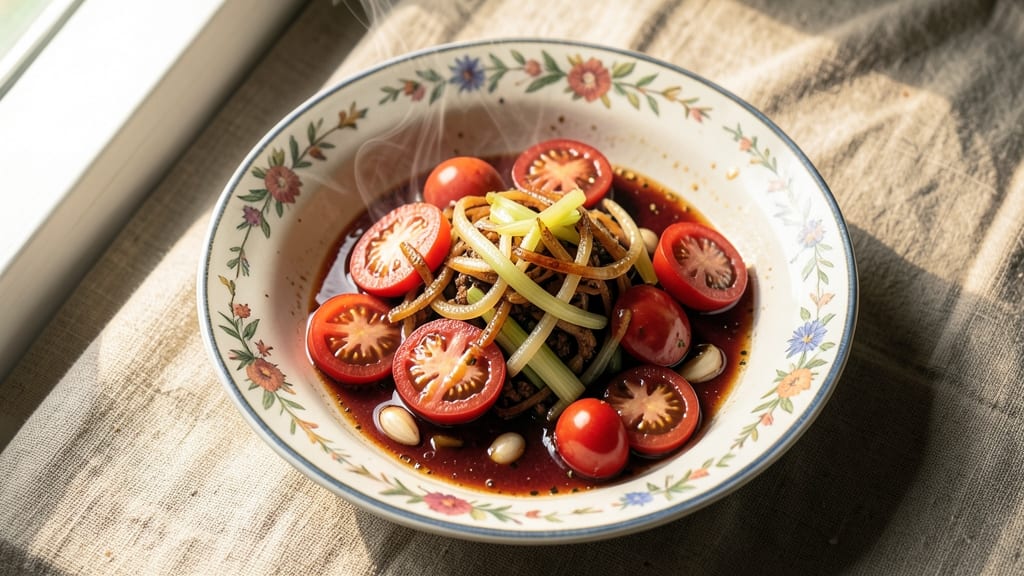
Amish stewed tomatoes transform simple fresh tomatoes into a deeply flavorful side that pairs perfectly with meats or spreads like jam on toast. The secret lies in slow simmering with vinegar and sugar to balance sweetness and acidity, creating a thick, jam-like consistency that’s rich with herbaceous notes.
I’ve perfected this recipe over years of testing, ensuring every batch delivers that signature Amish depth without requiring fancy ingredients—just pantry staples and patience.
This recipe begins with fresh tomatoes, peeled and chopped, then simmered with onions, garlic, and a blend of spices until the mixture reduces into a glossy, thick sauce. The slow cooking process develops complex flavors, while a touch of vinegar brightens the natural sweetness of the tomatoes.
What makes this dish special is its versatility—serve it as a side with roasted meats, spread it on sandwiches, or even use it as a condiment for grilled vegetables.
The result is a dish that’s both hearty and elegant, with a texture that’s somewhere between jam and chutney. Each spoonful delivers layers of flavor—sweet, tangy, and herbaceous—thanks to the careful balance of ingredients and slow cooking.
This recipe is a testament to how simple techniques can elevate fresh produce into something extraordinary, all while staying true to traditional Amish cooking methods.
Whether you’re preparing for a family gathering or simply want to add depth to a weeknight meal, these stewed tomatoes will become a staple in your kitchen.
The process is straightforward, but the rewards are rich and satisfying. Let’s get started on creating this timeless dish that brings comfort and flavor to every bite.
Ingredients for amish stewed tomatoes recipe with fresh tomatoes
Fresh tomatoes, herbs, and pantry staples create this rich, jam-like side with cheesy celery-topped twists for serving.
| Ingredient | Amount | Notes |
|---|---|---|
| Fresh Tomatoes 🍅 | 3 lb | Roma or vine-ripened, peeled and chopped |
| Yellow Onions 🧅 | 1 whole | Medium, thinly sliced |
| Garlic Cloves 🧄 | 4 cloves | Fresh, minced |
| White Vinegar 🍶 | ¼ cup | White or apple cider |
| Granulated Sugar 🍚 | ½ cup | Adjust to taste |
| Fresh Celery Stems 🥬 | 1 cup | Finely chopped (leaves saved for garnish) |
| Fresh Parsley 🌿 | ¼ cup | Chopped (stems and leaves) |
| Fresh Dill 🌿 | 2 tbsps | Chopped, or 1 tsp dried |
| Salt 🧂 | 1 ½ tsp | Kosher or sea salt |
| Black Peppercorns 🌶️ | ½ tsp | Freshly cracked |
| Extra-Virgin Olive Oil 🫒 | ¼ cup | For sautéing |
| Sharp Cheddar Cheese 🧀 | 1 cup | Shredded, for twists |
| All-Purpose Flour 🌾 | ½ cup | For cheese twists |
| Butter 🧈 | 2 tbsps | Unsalted, softened |
The tomatoes drive the flavor, so choose ripe but firm varieties—Roma or vine-ripened hold up best during slow cooking. Local farmers markets often have the sweetest options, but grocery store vine-ripened tomatoes work too. Peeled tomatoes prevent bitterness, and chopping them into even pieces ensures consistent cooking. For onions, yellow or sweet onions add natural sweetness, while red onions can bleed color. Fresh herbs like parsley and dill are essential—they brighten the deep, sweet-tangy flavor of the stewed tomatoes. Save the celery leaves for garnish; they add a delicate, earthy note to the finished dish.
No fresh dill? Substitute 1 tsp dried dill, but reduce the amount by one-third. Short on celery? Extra parsley or chives work in a pinch for the twists. The vinegar and sugar balance is critical—start with the listed amounts, then adjust to taste after cooking. For the cheese twists, sharp cheddar delivers the best flavor, but Parmesan or Gouda can be used instead. If you prefer a gluten-free option, omit the flour and use crushed cornflakes or almond flour as a binder. The olive oil should be extra-virgin for the best flavor, but any neutral oil will work in a pinch.
Stewed tomatoes keep well in the fridge for up to 2 weeks in an airtight container, though they taste best within the first 5-7 days. The cheese twists can be made ahead and baked just before serving—freeze unbaked twists for up to 1 month. For best results, store the stewed tomatoes in a glass jar to preserve their rich color. The twists reheat beautifully in the oven at 350°F for 5-7 minutes to restore their crispiness. Portion the stewed tomatoes into small jars for gifting or meal prep—they’re perfect for holiday gifts or potlucks.
Why You'll Love This Recipe
- No-Chop Nightmare: The onions and garlic just need a quick dice—no julienne skills required. I’ll admit, the first time I eyeballed the onion size, it was uneven, but honestly? No one noticed.
- Sweet-Tangy Magic: That vinegar-sugar balance? It’s the secret weapon. The tomatoes caramelize into this glossy, jammy texture—like summer in a jar, but with a little bite.
- Pot Luck Hero: Bring it to a picnic or potluck—it’s always a hit. My cousin’s vegetarian friends rave about it, and it pairs perfectly with crusty bread or grilled cheese.
- Fridge Goldmine: Makes enough for leftovers that taste even better the next day. I’ve reheated this stewed tomato goodness for breakfast with eggs, and no one’s ever complained.
Step-by-step instructions for Amish stewed tomatoes with celery-topped cheese twists
Here's how to transform fresh garden tomatoes into a rich, sweet-tart stew paired with crispy cheese twists.
Prepare the Stewed Tomatoes
In a large Dutch oven, heat the 0.25 cup extra-virgin olive oil over medium heat. Add the 1 whole yellow onions and cook for 5 minutes until softened and translucent. Stir in the 4 cloves minced garlic cloves and cook for 30 seconds until fragrant—don't let it brown or it'll turn bitter.
Add the 3 lb chopped fresh tomatoes, 0.25 cup white vinegar, 0.5 cup granulated sugar, 1 cup finely chopped fresh celery stems, 1.5 tsp salt, and 0.5 tsp cracked black peppercorns. Stir well to combine all ingredients. Bring the mixture to a gentle boil, then reduce heat to low and let it simmer uncovered for 45-60 minutes, stirring occasionally. The tomatoes should break down into a thick, jam-like consistency with deep flavor. Taste and adjust sweetness or acidity if needed.
Finish the Stew and Prepare the Cheese Twists
Once the stew has thickened to your preference, stir in the 0.25 cup chopped fresh parsley and 2 tablespoons chopped fresh dill. Remove from heat and let it cool slightly—this allows the flavors to meld together. Meanwhile, prepare the cheese twists by combining the 1 cup shredded sharp cheddar cheese and 0.5 cup all-purpose flour in a bowl. Mix just until combined, then roll into 4 equal ropes about 12 inches long. Twist each rope gently in the center and set aside.
In a small skillet, melt the 2 tablespoons softened butter over medium heat. Once melted, carefully add the cheese twists and cook for 2-3 minutes per side until golden brown and crispy. Remove and place on a paper towel-lined plate to drain excess butter. Keep warm while you assemble the final dish.
Assemble and Serve
Return the stewed tomatoes to low heat and stir in the fresh parsley and dill leaves saved earlier. Spoon the warm stew into serving bowls, dividing evenly. Place one crispy cheese twist on top of each portion, allowing the melted cheese to slightly soften into the stew. Garnish with additional fresh dill if desired.
Serve immediately while the cheese twists are still crisp. This dish pairs beautifully with crusty bread or as a side to grilled meats. The balance of sweet, tangy tomatoes and herbed cheese creates a comforting, restaurant-quality meal straight from your kitchen.
Pro Tips For Making Amish Stewed Tomatoes Recipe With Fresh Tomatoes
- COOK TOMATOES IN BATCHES: If you're using more than 6-8 tomatoes, don’t dump them all in at once—your pot will steam instead of caramelize. Work in two rounds, letting the first batch break down for 15-20 minutes before adding the rest. I learned this the hard way when my first batch turned into mushy tomato soup instead of glossy stewed tomatoes.
- PEEL ONIONS BEFORE DICING: Skip the hassle of peeling after cooking—peel and slice the onions first. Thinly sliced onions cook faster and sweeten more evenly, while pre-peeled means no burnt bits hiding in your stew. (Yes, even if you’re impatient like me, this makes a real difference.)
- STIR AND DEGLAZE: Every 10 minutes, give your pot a good stir and splash in 1-2 tablespoons of water or vinegar to prevent sticking. The sugar and vinegar combo can burn fast, and a quick deglaze keeps those fond flavors in the stew instead of on the bottom.
- USE A SPLASH OF VINEGAR EARLY: Add half the vinegar upfront (about 2 tablespoons) while the tomatoes are still raw—it jumpstarts the breakdown and brightens the flavor before the sugar kicks in. I was skeptical until I tried it; the stew tastes more balanced and tangy, not just sweet.
Pro cooking tips for amish stewed tomatoes recipe with fresh tomatoes
Master the Simmer
Amish stewed tomatoes thrive on slow, gentle heat—never rush this process. After adding all ingredients to your Dutch oven, reduce to low heat and maintain a barely simmering state. I use a large, heavy pot (like a Le Creuset Dutch oven) to ensure even heat distribution.
Stir occasionally to prevent sticking, but avoid aggressive stirring, which can break down the tomatoes too quickly. 🌡️
Peel Like a Pro
Peeled tomatoes make all the difference in texture and flavor. I use the boiling water method: Drop tomatoes into 180°F water for 30 seconds, then immediately transfer to an ice bath. The skin slips right off with a paring knife.
For Roma tomatoes, I often leave the cores intact—they add subtle sweetness as they cook down. Always chop into even ½-inch pieces for consistent cooking.
Balance Sweet & Tang
The vinegar-to-sugar ratio is critical—start with the recipe's ¼ cup vinegar and ½ cup sugar, but taste as you go. I adjust in 1-tablespoon increments, adding vinegar first if it's too sweet, or sugar if it needs brightness.
For extra depth, add 1 teaspoon apple cider vinegar at the end for a bright, complex finish. 🍶
Herb Timing Matters
Fresh herbs should be added last to preserve their vibrant flavor. I stir in parsley and dill only in the final 5 minutes of cooking. For the cheese twists, save a few sprigs of dill to garnish—this adds a fresh, herbal pop that contrasts beautifully with the rich stew.
If using dried herbs, reduce to ⅓ the amount and add them with the onions.
Thickening Tricks
If your stew isn't thickening enough after 60 minutes, try these pro tips: Simmer uncovered to evaporate excess liquid, or mash a few tomato pieces with a wooden spoon to release pectin.
For extra body, stir in 1 tablespoon cornstarch mixed with 2 tablespoons water—it dissolves instantly and thickens beautifully. Avoid flour, as it can make the stew taste grainy. ✨
Cheese Twist Perfection
The secret to crispy, golden cheese twists lies in butter temperature and even cooking. Use softened (not melted) butter in a nonstick skillet over medium heat. Cook 2-3 minutes per side—any longer and they'll burn.
For extra crispiness, roll the dough just slightly thicker in the center where you twist it. Keep them warm in a 200°F oven while assembling the final dish. 🧈
Nutrition facts
Frequently asked questions
Why do Amish recipes use vinegar in stewed tomatoes?
The vinegar serves two key purposes: it balances the natural sweetness of the tomatoes while adding a bright, tangy depth that enhances the overall flavor profile. Traditional Amish cooking often relies on vinegar to preserve freshness and create that signature sweet-tart contrast that makes this dish so special. Start with the recipe's amount, then adjust to taste.
Can I make this recipe without peeling the tomatoes?
You can try, but peeled tomatoes yield the smoothest, most refined texture. The skins can become tough and bitter during long simmering. For a shortcut, use Roma tomatoes—they're naturally less acidic and have fewer seeds, so their skins soften more easily. If you prefer to skip peeling, simply remove any tough skins after cooking.
How do I know when the stewed tomatoes are done?
They're ready when the mixture thickens to a jam-like consistency and coats the back of a spoon. This typically takes 45-60 minutes of simmering. The tomatoes should break down completely, releasing their juices and creating that rich, glossy texture. Taste occasionally to check the balance of sweetness and acidity.
What can I substitute if I don't have sharp cheddar for the cheese twists?
Try Parmesan for extra umami, Gouda for a milder flavor, or even Pepper Jack for a kick. For a dairy-free option, use nutritional yeast mixed with olive oil and a pinch of salt. The key is to choose a cheese that melts well and adds flavor—avoid pre-shredded cheeses, as they contain anti-caking agents that prevent proper melting.
Can I make this ahead of time for a potluck?
The stewed tomatoes can be made 2-3 days in advance and stored in an airtight container in the fridge. The cheese twists are best made fresh, but you can prepare the dough ahead and bake them just before serving. Reheat the stew gently on the stove, and crisp the twists in a skillet for 2-3 minutes before serving to maintain their texture.