
Main Courses
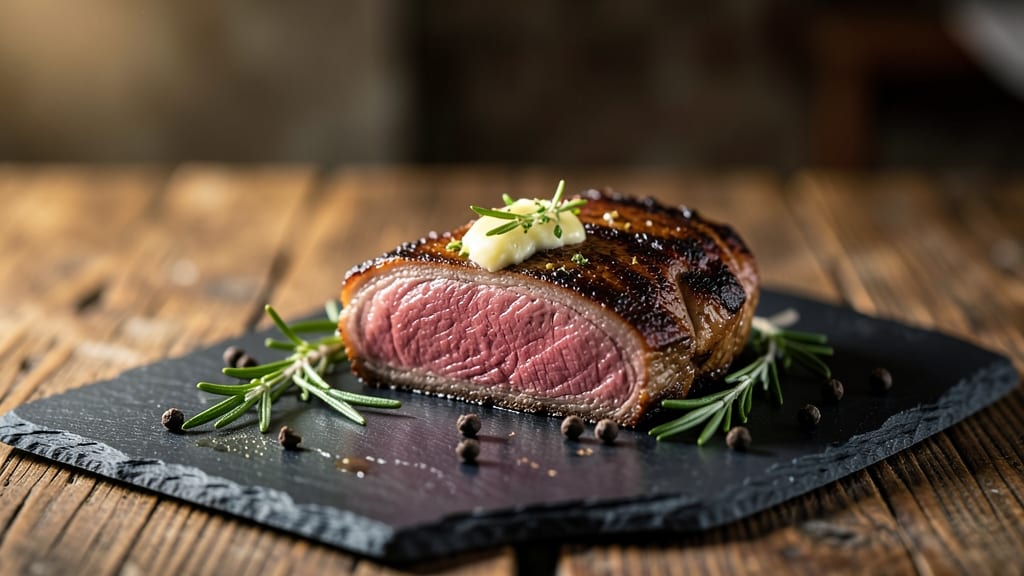
Cooking USDA Prime rib transforms a simple roast into an unforgettable centerpiece for any special occasion. This recipe delivers melt-in-your-mouth tenderness and rich, buttery flavor that rivals the finest steakhouse cuts.
After years of perfecting roasts in my grandmother's kitchen, I've developed a method that ensures every slice is juicy and perfectly cooked.
The secret lies in slow-roasting at a consistent temperature and allowing the meat to rest before slicing. You'll need just five ingredients for the seasoning blend—coarse salt, black pepper, garlic powder, rosemary, and thyme—plus the prime rib itself.
The key is patience: a 3- to 4-pound roast takes about 20 minutes per pound at 325°F, resulting in a perfectly juicy interior and a beautifully browned crust.
What you'll achieve is a showstopping main course with a buttery richness that pairs beautifully with classic sides like horseradish cream, roasted vegetables, or creamy mashed potatoes. The aroma alone will have everyone gathering around the table, and the first bite will silence any doubts about cooking at home.
This is the kind of dish that makes Sunday dinners feel like a celebration.
Serve with your favorite wine and prepare for compliments that will last long after dinner ends. The method is straightforward, but the results are restaurant-quality—proof that with the right cut of meat and careful technique, you can create a meal worthy of any occasion. Let's get started on this showstopper.
Ingredients for usda prime rib
Five simple seasonings plus a prime cut transform dinner into a showstopping centerpiece.
| Ingredient | Amount | Notes |
|---|---|---|
| USDA Prime Rib Roast 🥩 | 4 lb | Bone-in, center-cut preferred |
| Unsalted Butter 🧈 | ½ cup | Cold, cut into cubes |
| Diamond Crystal Kosher Salt 🧂 | 1 ½ tbsp | Coarse grain preferred |
| Freshly Ground Black Pepper 🌶️ | 1 ½ tbsp | Freshly cracked for best flavor |
| Garlic Powder 🧄 | 1 tbsp | Not garlic salt |
| Dried Rosemary 🌿 | 1 tbsp | Fresh sprigs if available |
| Dried Thyme 🌿 | 1 tbsp | French thyme preferred |
| Red Wine 🍷 | ½ cup | Cabernet Sauvignon recommended |
| Garlic Cloves 🧄 | 6 cloves | Peeled, smashed for infusion |
| Fresh Rosemary 🌿 | 2 sprigs | For basting and aroma |
| Fresh Thyme 🌿 | 4 sprigs | For basting and aroma |
| Beef Bone Broth 🍲 | 1 cup | For basting, optional |
The USDA Prime rib is the star here, so don't skimp on quality. Look for a center-cut, bone-in roast—this ensures even cooking and maximum flavor. Costco and local butchers are your best bets for the best cuts; ask for the ribeye section if your store doesn't carry prime rib specifically. The roast should have a vibrant red color and visible marbling—this fat is what makes it juicy. If you're buying frozen, thaw it in the fridge for 24-48 hours before cooking. I always ask for it to be trimmed of excess fat, but leave the bone in for extra flavor.
No red wine? Beef broth with a splash of balsamic vinegar works just as well. Fresh rosemary and thyme make all the difference, but if you're using dried, double the amount for the same impact. The garlic powder should be freshly ground—pre-ground loses potency fast. For the butter, Plugrá or European-style brands melt beautifully and add richness. If you can't find fresh sprigs of rosemary or thyme, substitute with 1/2 tsp dried per sprig, but fresh is definitely worth the trip to the store. The bone broth is optional but adds depth—homemade or high-quality store-bought like Kettle & Fire works best.
This roast is best made a day ahead—it tastes even better after resting. Store leftovers in an airtight container in the fridge for 3-4 days or freeze for up to 3 months. For reheating, cover with foil and warm in a 300°F oven for about 10 minutes. The butter basting creates a rich crust, so don't skip it. I always slice against the grain for maximum tenderness, and the aroma alone will have everyone at the table. Serve with classic sides like horseradish cream or roasted Yukon Gold potatoes to complete the meal.
Why You'll Love This Recipe
- Foolproof Timing: I swear by the 20-minute prep rule—just season the rib with kosher salt, black pepper, and a dusting of garlic powder, then let the oven do the heavy lifting. No babysitting required.
- Butter-Basted Magic: That rich, caramelized crust? Pure reward. Slathered with butter while it roasts, every bite delivers deep, savory satisfaction—no fancy sauces needed.
- Leftovers for Days: Honestly, this roast is so good I make it twice a month. Slice it thin for sandwiches or reheat with a splash of beef broth to keep it tender—no one complains.
- Weekday Hero: Between us, this is my go-to for game days or lazy Sundays. The prime cut feeds a crowd, and the simple seasoning means no last-minute stress—just deliciousness.
Step-by-step instructions for slow-roasted USDA prime rib
Here's how to transform your prime rib into melt-in-your-mouth perfection with a rich, buttery crust.
Prep and Season the Roast for Maximum Flavor
Remove the prime rib roast from the refrigerator and let it sit at room temperature for 1 hour before cooking. This ensures even cooking throughout. Pat the roast dry with paper towels—moisture is the enemy of that perfect crust we're after.
In a small bowl, combine the 1.5 tablespoons diamond crystal kosher salt, 1.5 tablespoons freshly ground black pepper, 1 tablespoon garlic powder, 1 tablespoon dried rosemary, and 1 tablespoon dried thyme. Rub this mixture generously over the entire surface of the roast, pressing it into the meat so it adheres well. The coarse kosher salt will create those beautiful crusty edges while the herbs infuse deep flavor.
For extra aroma, stuff the cavity with the 6 cloves garlic cloves (peeled and smashed), 2 sprigs fresh rosemary, and 4 sprigs fresh thyme. Tie the roast together with kitchen twine if needed to maintain its shape during cooking. This step ensures every bite is infused with herbaceous depth.
Sear the Roast for Rich, Caramelized Crust
Preheat your oven to 450°F for 20 minutes to ensure it's fully heated. While the oven preheats, heat a large oven-safe skillet or roasting pan over medium-high heat. Add the 0.5 cup unsalted butter (cut into cubes) and let it melt, creating a thin, even layer of fat in the pan.
Place the seasoned roast fat-side down in the skillet and sear for 8-10 minutes until the meat develops a deep, golden-brown crust. Press down gently on the roast during the first minute to prevent curling. This initial sear locks in juices and creates that irresistible crust that makes prime rib unforgettable.
Once the crust forms, transfer the skillet to the preheated oven. Pour the 0.5 cup red wine into the skillet, scraping up all the browned bits from the bottom. These flavorful fond bits will dissolve into the wine, creating a rich pan sauce later.
Slow-Roast to Perfect Medium-Rare
Roast the prime rib for 1 hour and 15 minutes at 450°F until the internal temperature reaches 120°F for medium-rare. Use a meat thermometer to check the temperature—insert it into the thickest part of the roast, avoiding the bone. This slow roast ensures the meat remains tender and juicy throughout.
About 30 minutes before the roast is done, add the 1 cup beef bone broth to the skillet. This helps create a flavorful pan sauce and keeps the roast moist. If you prefer a different doneness, adjust the cooking time accordingly (130°F for medium, 140°F for medium-well).
During the last 15 minutes of cooking, baste the roast with the accumulated juices and wine mixture in the pan. This basting step ensures the surface stays moist and develops a glossy finish. The aroma filling your kitchen at this point is worth the wait.
Rest and Slice for Maximum Juiciness
Remove the roast from the oven and transfer it to a warm cutting board. Tent loosely with aluminum foil and let it rest for 20-30 minutes. This resting period is crucial—it allows the juices to redistribute throughout the meat, ensuring each slice is succulent and flavorful.
While the roast rests, place the skillet with the wine reduction over medium heat and simmer for 5-7 minutes until slightly thickened. If the sauce becomes too thin, reduce it further or add a splash of beef bone broth to adjust the consistency. This rich sauce will complement the prime rib beautifully.
Slice the roast against the grain into ½-inch thick slices. The grain direction is visible as lines running through the meat. Serve immediately with the pan sauce spooned over the top. Each slice should be tender, juicy, and bursting with the flavors of garlic, rosemary, and thyme we infused earlier.
Pro Tips For Making Usda Prime Rib
- USE A MEAT THERMOMETER: Skip guessing internal temps—prime rib’s fat renders differently than lean cuts. Aim for 115–120°F for medium-rare (it’ll rise to 125°F while resting). I learned this the hard way after slicing into a dry slab because I trusted my finger.
- SALT THE DAY BEFORE: Dry-brine the prime rib 12–24 hours ahead with kosher salt (about 1 tsp per pound). The salt penetrates deeper, and the crust forms better. Yes, it’s extra work, but the difference in texture and flavor is noticeable—especially with USDA Prime’s natural marbling.
- SEAR IN BATCHES: Your pan won’t recover from throwing a whole prime rib in at once. Sear one side at a time in a screaming-hot pan with butter, garlic powder, and pepper until deep brown. Crowding steams the meat instead of crusting it—this isn’t the time to rush.
- REST UNDER FOIL: After roasting, tent the prime rib with foil and let it rest 15–20 minutes (yes, even if you’re starving). The residual heat finishes cooking it evenly, and the juices redistribute. I skip this when I’m impatient, and the slices turn out dry—your future self will thank you.
Perfect pairings for this recipe
Classic Horseradish Cream
This tangy, creamy sauce is the perfect match for prime rib—its sharp horseradish cuts through the richness while adding a bold kick.
I make mine with ½ cup sour cream, ¼ cup crème fraîche, 2 tablespoons prepared horseradish, 1 tablespoon Dijon mustard, 1 teaspoon lemon juice, and a pinch of salt. Whisk everything together and chill for 30 minutes before serving.
The horseradish brightens the meal and balances the buttery flavors. 💛
Roasted Garlic Yukon Golds
Creamy Yukon Gold potatoes roasted with garlic and rosemary elevate the dish without overpowering the prime rib.
Toss 2 lbs Yukon Gold potatoes (cut into chunks) with 3 tablespoons olive oil, 4 cloves roasted garlic, 1 teaspoon dried rosemary, ½ teaspoon salt, and ¼ teaspoon black pepper. Roast at 400°F for 45-50 minutes until golden and tender.
The natural sweetness of the potatoes pairs beautifully with the rib's richness.
Red Wine Reduction Sauce
Use the pan drippings from your roast to make a luxurious red wine reduction. After removing the rib, place the skillet on the stovetop over medium heat and add ½ cup red wine (same as used earlier) and 1 tablespoon butter.
Simmer for 5-7 minutes until reduced by half. Finish with a splash of beef bone broth if needed. This sauce adds depth and ties all the flavors together beautifully. 🍷
Grilled Asparagus with Lemon
For a lighter option, grill 1 bunch asparagus (trimmed) with 1 tablespoon olive oil, ½ teaspoon salt, and ¼ teaspoon black pepper for 8-10 minutes until tender-crisp.
Finish with a squeeze of lemon juice and a sprinkle of fresh parsley. The bright acidity cleanses the palate between rich bites of prime rib.
Wine Pairings
For red wine lovers, a bold Cabernet Sauvignon or Malbec complements the rib's richness. I recommend a Napa Valley Cabernet with its dark fruit notes and velvety tannins.
For white wine drinkers, a full-bodied Chardonnay (oaked) with buttery undertones works surprisingly well. Avoid light wines—they won't stand up to the prime rib's intensity. 🍷
Chef's Garnish Touches
Elevate your presentation with fresh rosemary sprigs, thinly sliced shallots, or a drizzle of truffle oil (just ½ teaspoon adds luxury). A sprinkle of flaky sea salt right before serving enhances the natural flavors. These small details make your dish look and taste restaurant-worthy. ✨
Nutrition facts
Frequently asked questions
What makes USDA Prime rib different from regular rib roast?
USDA Prime rib comes from cattle with superior marbling—thin streaks of fat within the muscle—giving it an ultra-tender texture and richer flavor. Regular rib roast (Choice or Select grades) has less marbling, resulting in a firmer bite. Prime rib also has a higher fat content (about 15-20%), which melts during cooking for that buttery mouthfeel.
How do I know when my prime rib is done without overcooking?
Use a meat thermometer for precision: 120°F for medium-rare, 130°F for medium, or 140°F for medium-well. Insert the probe into the thickest part, avoiding the bone. For a 4-lb roast, plan 20 minutes per pound at 325°F for medium-rare. Never rely on time alone—temperature is key!
Can I cook prime rib in a slow cooker instead of the oven?
Yes, but with adjustments: sear the roast first in a skillet, then transfer to the slow cooker on low for 6-8 hours (or high for 4-5 hours). Add ½ cup beef broth and ½ cup red wine for moisture. The internal temp should reach 125°F before resting. Slow cooking works well but lacks the crust you'd get from oven-roasting.
Why does my prime rib turn out dry even when I rest it?
Overcooking or cutting too soon are the most common causes. Prime rib should rest 20-30 minutes before slicing—this lets juices redistribute. Also, avoid high heat (stick to 325°F) and use a meat thermometer. If the roast was large, slice it thinner (½-inch) to distribute moisture more evenly.
What's the best way to reheat leftover prime rib?
Wrap slices tightly in foil and reheat in a 300°F oven for 10-15 minutes or until warmed through. Avoid microwaving—it dries out the meat. For extra flavor, add a splash of beef broth to the pan before reheating. Leftovers keep well in the fridge for 3-4 days or frozen for 3 months.