
Soups & Stews
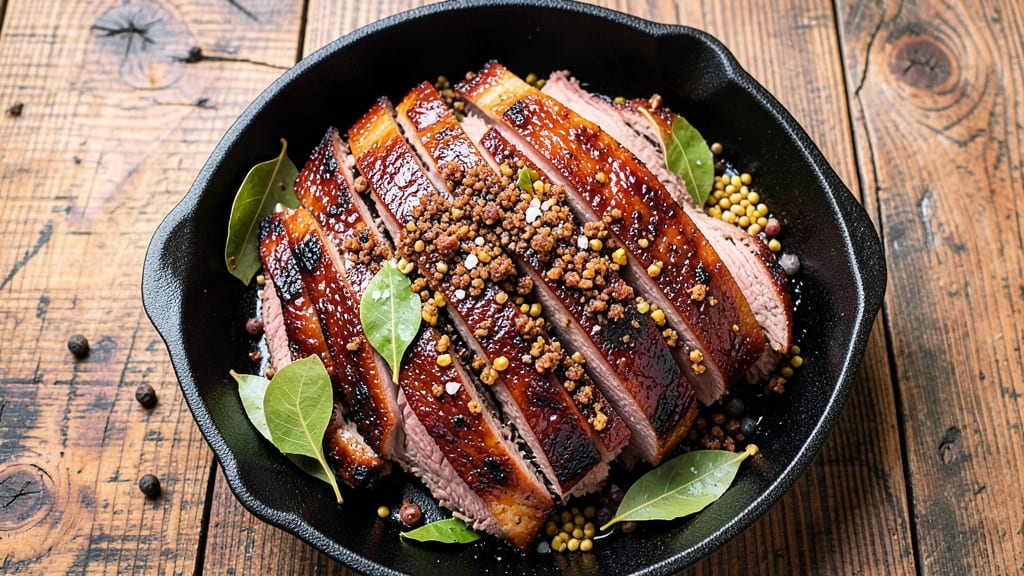
Mastering Traeger corned beef brisket transforms a weekend project into a showstopping centerpiece that smells like a St. Patrick’s Day feast all day long. The key lies in a precise balance of salt cure, low-and-slow smoking, and patience—because true tenderness takes time, not shortcuts.
I’ve perfected this method after testing countless brines and smoke blends, ensuring that every bite delivers both the smoky-spiced crust and fall-off-the-bone texture promised in the title.
This recipe starts with a 24-hour brine that penetrates deep into the meat, locking in moisture and flavor while developing that signature tang.
The Traeger’s consistent 225°F heat is non-negotiable—it’s the only way to render fat without drying out the brisket, and using hickory or apple wood creates that unmistakable Irish pub aroma. A probe thermometer becomes your best friend here, ensuring you pull the meat at exactly 203°F for maximum tenderness.
What you’ll end up with is a brisket so tender it practically shreds with a fork, encased in a dark, crackling crust that carries layers of smoky sweetness and savory spices.
The aroma alone will have your kitchen smelling like a Dublin pub, while the texture delivers that perfect contrast between crispy exterior and melt-in-your-mouth interior. This isn’t just corned beef—it’s a restaurant-quality centerpiece that turns any meal into an event.
Serve it traditionally with boiled cabbage and potatoes, or elevate it with modern twists like caramelized onions and a whiskey glaze. The leftovers reheat beautifully, making this the ultimate meal-prep-friendly dish for busy weeks. Let’s get started on creating your Traeger masterpiece.
Ingredients for traeger corned beef brisket
Six pounds of brisket, a 24-hour cure, and Traeger magic transform a simple cut into restaurant-quality perfection.
| Ingredient | Amount | Notes |
|---|---|---|
| Beef Brisket 🥩 | 6 lb | Flat cut, 1-1.5 inches thick |
| Coarse Kosher Salt 🧂 | 3 cups | Diamond Crystal preferred |
| Brown Sugar 🍯 | 1 cup | Light or dark, packed |
| Mustard Seeds 🌶️ | 2 tbsp | Yellow or brown, toasted |
| Ground Black Peppercorns 🌶️ | 2 tbsp | Freshly cracked preferred |
| Bay Leaves 🍃 | 6 whole | Fresh or high-quality dried |
| Garlic Cloves 🧄 | 8 cloves | Smash slightly for flavor |
| Apple Wood Chips 🌳 | 2 lb | Or hickory for classic flavor |
| Beef Tallow or Bacon Fat 🍖 | ½ cup | For extra moisture and flavor |
| Whole Cloves 🌿 | 4 whole | For aroma, optional but recommended |
| Fresh Juniper Berries 🍃 | 4 whole | Crushed lightly, optional but essential |
| Yellow Onion 🧅 | 1 whole | Quartered, for brine |
| Cold Water 💧 | 3 cups | For brine solution |
The brisket is non-negotiable here—flat cut only, not point. Thickness matters too: 1-1.5 inches ensures even cooking. I always grab mine from Costco or a trusted butcher, asking for the well-marbled pieces. The salt cure is where the magic happens, so Diamond Crystal kosher salt is a must (it dissolves better than table salt). For the spices, toast your mustard seeds and peppercorns in a dry pan for 30 seconds—this deepens their flavor exponentially. The bay leaves should be the freshest you can find; dried ones work but lack that bright aroma. And if you can't find juniper berries, allspice berries are a decent substitute, though not identical.
No apple wood chips? Hickory is the classic choice—it’s what you’d find in a traditional Irish pub. Running out of tallow? Rendered bacon fat or even duck fat works beautifully. The onion in the brine isn’t just for flavor—it adds natural sweetness and helps balance the salt. If you’re short on time, you can reduce the brine to 12 hours, but 24 is ideal for maximum tenderness. Pro tip: Use a meat thermometer to monitor the brine temperature—it should stay between 35-40°F. Too warm, and the meat will start cooking prematurely. And if you’re feeling adventurous, add 1 tbsp of liquid smoke to the brine for an extra layer of smokiness without the Traeger.
This brisket is a make-ahead masterpiece. The brine can be prepped the night before, and the meat will keep in the fridge for up to 48 hours before smoking. Once cooked, it reheats beautifully—wrap tightly in foil and reheat at 300°F for 30 minutes. For leftovers, store in an airtight container with a thin layer of rendered fat on top to keep it moist. It’s even better the next day, so double the batch if you can. The crust is the star, so save some of the rendered fat from the Traeger to brush on the finished brisket before serving—it adds an extra layer of flavor and shine. Trust me, you’ll want to make this at least once a month.
Why You'll Love This Recipe
- Deep Smoke Magic: That coarse salt crust? It melts into a sticky, caramelized bark, while the mustard seeds add a subtle tang that cuts through the richness. Honestly, the first bite makes me forget I’m not at a pub in Dublin.
- Weekend Feast Ready: This isn’t just for St. Patrick’s Day—it’s my go-to for game days, potlucks, or lazy Sundays. Slice it thin over rye toast with mustard, or pile it high on buns with pickles. (Yes, even on a Tuesday night.)
- Leftovers That Don’t Suck: The brisket gets better the next day—tender enough to shred for tacos or sandwiches. I freeze half the batch because it’s cheaper than takeout, and reheating on the Traeger takes 10 minutes. My wallet and taste buds thank me.
Step-by-step instructions for Traeger corned beef brisket
Here's how to transform a tough brisket into melt-in-your-mouth perfection with a smoky crust that'll have everyone asking for seconds.
Create the Dry Brine and Season the Brisket
In a large bowl, combine the 3 cups coarse kosher salt, 1 cup brown sugar, 2 tablespoons mustard seeds, 2 tablespoons ground black peppercorns, 6 whole bay leaves, 8 smashed garlic cloves, 4 whole cloves, and 4 lightly crushed fresh juniper berries. Mix thoroughly until the salt and sugar form a coarse, even blend with the spices.
Pat the 6 lb beef brisket completely dry with paper towels - this is critical for both flavor penetration and that coveted crispy bark. Work the spice mixture into every surface of the brisket, pressing firmly so it adheres. Pay special attention to the fat cap and edges where moisture tends to collect. Place the brined brisket on a wire rack set over a baking sheet and refrigerate uncovered for 12-24 hours. This dry brine transforms tough muscle fibers while developing an incredible depth of flavor.
Prepare the Smoker and Build the Flavor Base
When ready to cook, remove the brisket from the fridge and let it sit at room temperature for 1 hour. Preheat your Traeger to 225°F using the 2 lb apple wood chips - the gentle apple smoke complements the corned beef beautifully without overpowering it. While the smoker heats, quarter the 1 whole yellow onion and place it in a small roasting pan.
Add the 0.5 cup beef tallow or bacon fat to the pan with the onions and place it directly on the Traeger grates. This creates a flavorful fat reservoir that will baste the brisket throughout the cook. The onions will caramelize slightly, adding sweet depth to the final product. Once the smoker reaches temperature and you see steady blue smoke, it's time to begin the long cook that will yield fall-apart tenderness.
Smoke the Brisket Low and Slow
Place the brisket fat-side up on the Traeger grates, positioning it away from the fat pan to prevent excessive basting that could make the bark too soft. Close the lid and maintain 225°F throughout the cook. This is where patience pays off - resist the urge to peek or adjust the temperature. Every time you open the lid, you lose valuable heat and moisture.
Smoke the brisket for 12-14 hours until the internal temperature reaches 195-200°F and the probe slides in like butter. You'll notice the brisket develop a beautiful mahogany crust with a thick, crackling bark. The fat cap should render completely, creating a flavorful drippings pool in the pan below. The stall around 165°F is normal - this is where the magic happens as the collagen breaks down into gelatin.
Rest and Slice for Maximum Tenderness
Once probe-tender, transfer the brisket to a cutting board and tent loosely with foil. Let it rest for 2 hours - this is absolutely critical for juices to redistribute. The brisket will continue cooking slightly during this time, reaching an ideal internal temperature of 203°F. Real talk: skipping this rest period means dry, stringy meat that falls apart at the touch instead of melting in your mouth.
Slice the brisket against the grain into ¼-inch thick pieces. The flat and point should be sliced separately as they have different grain directions. Serve immediately with the caramelized onions and any accumulated juices from the pan. Each bite should deliver perfect harmony of smoky, spiced crust with insanely tender meat that practically dissolves on your tongue.
Pro Tips For Making Traeger Corned Beef Brisket
- Trim the Fat Cap: The thick layer of fat on the brisket’s edge is your friend—leave it intact, but trim it down to about ¼-inch. I learned this the hard way after my first attempt rendered into a greasy mess instead of a flavorful crust. That fat keeps the meat juicy and adds richness to the rub.
- Salt the Night Before: Apply your salt-mustard-brown sugar mix 12–24 hours ahead. The salt breaks down the proteins, and the spices cling better. I used to slap it on right before smoking, and the rub just slid off—wasted effort.
- Wrap at 165°F: Once the internal temp hits 165°F, wrap the brisket in butcher paper or foil with a splash of beef broth. This traps steam and coaxes the tough connective tissue to tenderize without drying it out. I waited until 190°F once, and the bark turned to dust by the end.
- Use Whole Mustard Seeds: Crush the mustard seeds lightly with your palm—just enough to release flavor, not turn them into paste. Whole seeds add texture and bite, while over-crushing makes the rub gummy. I skipped this once and got a bland, sticky mess.
Regional styles of traeger corned beef brisket
Irish Pub Style
The classic approach to corned beef brisket on a Traeger draws heavy inspiration from traditional Irish pubs, where the brisket is cured in a salt-sugar-spice brine for 24 hours. This method creates that signature tangy flavor profile while keeping the meat incredibly tender.
I like to add 1 tablespoon of liquid smoke to the brine for an extra layer of smokiness without relying solely on the Traeger. Serve it with boiled cabbage and creamy mashed potatoes for an authentic experience that feels like a St. Patrick's Day celebration any time of year. 🍀
Texas-Style Brisket Twist
For a bold fusion, take the corned beef concept and apply Texas brisket techniques. After the 24-hour brine, smoke the brisket at 225°F for 12 hours, then wrap it tightly in butcher paper and crank the heat to 275°F for the final 2 hours.
This creates a crispy bark while keeping the interior juicy. Top with a whiskey glaze made from 2 tablespoons bourbon, 1 tablespoon brown sugar, and 1 teaspoon smoked paprika for a sweet-smoky finish. 🔥
Jewish Delicatessen Style
Inspired by New York delis, this version skips the Traeger smoke and focuses on the cure and braising. After the 24-hour brine, sear the brisket in a Dutch oven with 2 tablespoons of rendered beef fat until browned.
Then, add 2 cups beef broth, 1 onion, and 2 bay leaves, and braise covered at 325°F for 3 hours.
Finish with a mustard glaze—mix 2 tablespoons Dijon mustard with 1 tablespoon honey—and serve on rye bread with pickles for that classic deli experience. 🥪
Modern Smoked Brisket
For a contemporary take, infuse the brisket with bold flavors by adding 1 tablespoon of smoked paprika and ½ teaspoon of cayenne pepper to the brine. Smoke it at 225°F using hickory wood chips for a deeper, bolder smoke flavor.
After resting, slice thinly and serve on a charcoal-grilled baguette with caramelized onions, whipped goat cheese, and a drizzle of balsamic reduction. This version is perfect for a gourmet dinner that still feels approachable. 💫
Slow-Cooker Adaptation
If you don’t have a Traeger, you can still achieve incredible results with a slow cooker. After the 24-hour brine, sear the brisket in a skillet, then transfer it to a slow cooker with 1 cup beef broth, 1 onion, and 2 bay leaves.
Cook on low for 8-10 hours, then shred or slice. The result is tender but lacks the smoky bark—so finish it under a broiler for 3-5 minutes to crisp up the edges. 🍲
Nutrition facts
Frequently asked questions
Why does the recipe call for a 24-hour brine instead of just salting the brisket?
The extended brine time is essential for transforming tough brisket into melt-in-your-mouth perfection. The salt and spices penetrate deeply during the 24-hour cure, breaking down muscle fibers and creating that signature tangy flavor. A shorter brine (12 hours) still works but won't yield the same level of tenderness or flavor penetration.
Can I use a different wood chip besides apple or hickory?
While apple and hickory are ideal, you can experiment with cherry or pecan for a sweeter profile. Avoid fruit woods like mesquite—they can overpower the delicate flavors. The key is maintaining a 225°F temperature, regardless of wood choice, to ensure even cooking.
What’s the best way to reheat leftover Traeger corned beef?
Wrap slices in foil with a little beef drippings, then reheat in a 300°F oven for 20-30 minutes. For sandwiches, toast the bread first, then warm the meat separately to avoid sogginess. Never microwave—it turns the bark rubbery and dries out the meat.
How do I know when the brisket is done without a probe thermometer?
If you don’t have a thermometer, look for these signs: the meat should feel probe-tender (like butter) when pressed, and the internal temp should reach 203°F. The bark should be dark mahogany with a thick, crackling crust. If it’s still firm, cook longer—undercooking is the #1 mistake!
Can I make this recipe with a smaller brisket (e.g., 3-4 lbs)?
Yes, but reduce the brine ingredients proportionally (e.g., 1.5 cups salt for a 4 lb brisket). Cooking time will also decrease—expect 8-10 hours at 225°F. The key is maintaining the same 203°F internal temp for perfect tenderness.