
Sauces & Condiments
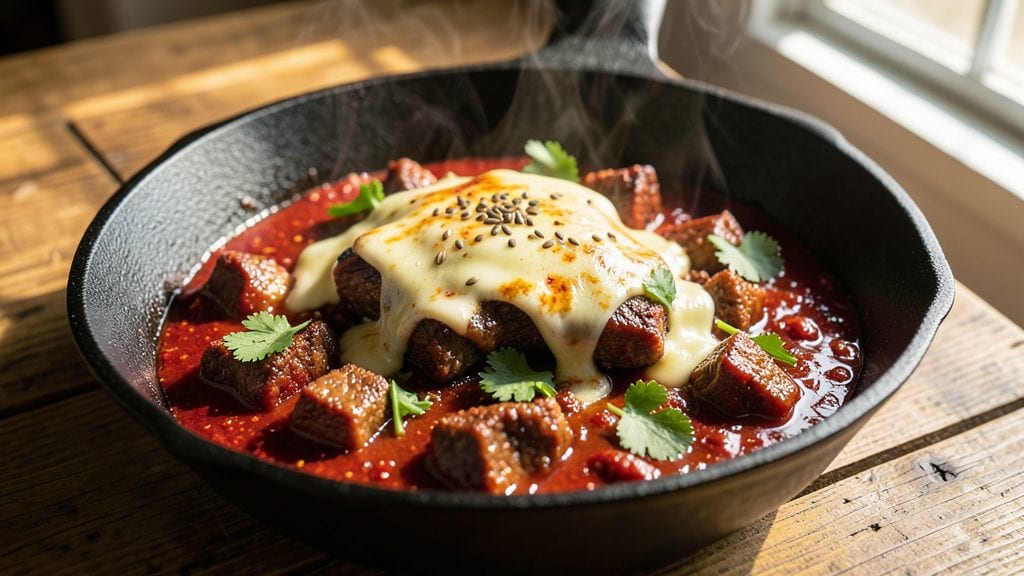
Creating a Texas Red seasoning blend transforms backyard grilling into a smoky, bold experience that rivals any Texas BBQ joint. This carefully balanced mix of chili powder, smoked paprika, and cayenne delivers that signature deep, balanced heat without overpowering the natural flavors of your meat.
I developed this blend after years of experimenting with commercial rubs that either lacked complexity or burned too hot—this version hits that perfect sweet-spicy-smoky trifecta every time.
The secret lies in the precise ratios of spices that work together to create that iconic Texas Red flavor profile. With just six simple ingredients, you'll get a dry rub that clings perfectly to ribs, brisket, or even chicken thighs, creating a flavorful bark while keeping the meat tender inside.
Unlike store-bought blends, this mix stays fresh for months when stored properly, making it a game-changer for any serious BBQ enthusiast.
What makes this blend truly special is its versatility—use it as a dry rub for meats, a seasoning for roasted vegetables, or even a finishing touch for tacos and nachos.
The balance of heat and smokiness ensures every bite delivers that authentic Texas BBQ experience, whether you're slow-cooking a brisket or grilling up some quick weeknight ribs. This is the seasoning mix that will elevate your cooking to the next level.
Once you make this blend, you'll never go back to store-bought seasonings again. The instructions are straightforward, and the results are consistently impressive. Let's get started on creating your own batch of Texas Red seasoning that will become a staple in your kitchen.
Ingredients for texas red
Six spices. One unforgettable blend. Your grill game just leveled up.
| Ingredient | Amount | Notes |
|---|---|---|
| Chili Powder 🌶️ | 3 tbsp | Medium heat, not mild |
| Smoked Paprika 🌶️ | 2 tbsp | High-quality, not sweet |
| Ground Cumin 🌿 | 1 ½ tbsp | Toasted for deeper flavor |
| Cayenne Pepper 🔥 | 1 tbsp | Adjust for desired heat |
| Garlic Powder 🧄 | 1 tbsp | Freshly ground preferred |
| Coarse Kosher Salt 🧂 | 1 tbsp | Diamond Crystal preferred |
The chili powder and smoked paprika are the heart of this blend—Penzeys or McCormick are my go-tos for quality. Look for chili powder with a medium heat level (not the mild stuff), and smoked paprika with a deep, woodsy aroma. Ground cumin should be toasted—if it smells like dirt, toss it. Cayenne is where you control the heat, so start with the full tablespoon and adjust later if needed. The garlic powder is non-negotiable for that authentic Texas BBQ depth, and Diamond Crystal kosher salt gives the perfect balance without overpowering. Buy spices in small quantities if you're new to this—once you make this blend, you'll want to keep it on hand permanently.
No smoked paprika? Substitute with half the amount of regular paprika plus a pinch of liquid smoke—it won't be identical, but close. Running low on cayenne? Red pepper flakes at half the amount work in a pinch, though the texture will be slightly coarser. For the cumin, whole seeds toasted in a dry pan then ground are superior, but pre-ground is fine if you're in a hurry. The salt is crucial—substitute with sea salt at a 1:1 ratio, but avoid table salt (it's too fine and can burn). This blend is so versatile you can even use it on roasted potatoes or corn on the cob—just don't tell your neighbors you're using a BBQ rub for non-meat dishes (they'll judge).
Store this blend in an airtight glass jar away from light and heat—it'll stay potent for up to 6 months. I like to make a double batch so I always have some on hand. For extra freshness, add a bay leaf to the jar before sealing (remove before using). The spices lose their punch fast once opened, so buy in small quantities if you don't grill often. This mix freezes beautifully too—just portion it into small containers for easy access. Once you've made it, you'll never go back to store-bought seasoning packets again.
Why You'll Love This Recipe
- Pantry Magic: I swear by this blend—I grab it from my spice rack every time I need a flavor punch. No fresh herbs, no fancy prep, just those five spices (chili powder, smoked paprika, cumin, cayenne, garlic powder) mixed right into whatever I’m cooking.
- Smoky Heat Love: That smoky, slightly spicy depth? It’s like Texas in a jar. The smoked paprika and cayenne give it a slow-cooked campfire vibe, while the cumin keeps it warm and earthy—perfect for eggs, beans, or even roasted veggies.
- Leftovers That Shine: This mix doesn’t fade. Toss it in a jar and use it for weeks—on grilled chicken, in soups, or even sprinkled over popcorn. I’ve had it last me months, and it still tastes fresh every time.
- Budget-Friendly Power: A handful of spices costs pennies but acts like a whole flavor cabinet. I buy them in bulk, and this blend stretches across so many meals—no wasted ingredients, just pure, repeatable flavor for next to nothing.
Step-by-step instructions for Texas Red seasoning
Here's how to craft this iconic Texas BBQ blend—where smoky depth meets balanced heat.
Measure All Ingredients Precisely
Start by gathering all your ingredients and measuring them exactly as listed. I always use a digital scale for spices to ensure perfect proportions—the difference between 1.5 tablespoons of ground cumin and 1 tablespoon is noticeable in the final blend. The 3 tablespoons of chili powder forms the backbone of this seasoning, while the 2 tablespoons of smoked paprika provides that signature smoky aroma that defines Texas Red.
Use a fine-mesh strainer when measuring the cayenne pepper—this prevents any accidental lumps that could create uneven heat distribution in your final blend. The 1 tablespoon of garlic powder should be freshly ground if possible, as pre-ground garlic loses its punch over time. The 1 tablespoon of coarse kosher salt enhances all the flavors without overpowering them.
Combine Dry Ingredients in a Mixing Bowl
Transfer all the measured ingredients to a medium-sized mixing bowl. I prefer using a stainless steel bowl because it doesn't absorb flavors and makes cleanup easier. Start by adding the chili powder and smoked paprika, then sprinkle in the ground cumin, cayenne pepper, and garlic powder. Finally, add the coarse kosher salt.
This order matters—adding the salt last helps distribute it evenly throughout the blend. Use a silicone spatula to gently fold the ingredients together, breaking up any clumps as you go. You'll notice the mixture immediately takes on a rich, reddish-brown hue from the combination of chili powder and smoked paprika. This visual cue tells you everything is properly combined.
Whisk Thoroughly for Even Distribution
Switch to a whisk for this step—it creates more air movement and ensures every particle gets coated with the other spices. Whisk vigorously for about 2 minutes, scraping the bottom and sides of the bowl periodically to incorporate any stray bits. You're looking for a uniform color throughout with no visible streaks of individual spices.
Pay special attention to the cayenne pepper—its fine particles tend to clump. If you see any red specks still separate from the main blend, use your fingers to gently break them apart. This thorough mixing is what creates that signature "Texas Red" consistency that works perfectly on everything from brisket to beans.
Test the Seasoning on a Small Batch
Before committing to your full batch, I always recommend testing the seasoning on a small amount of food. Take 1 teaspoon of your blend and rub it onto ½ pound of ground beef or 1 cup of cooked black beans. Let it sit for 10 minutes to allow the flavors to meld, then taste.
The perfect Texas Red should deliver a balanced combination of smoky depth from the paprika, subtle earthiness from the cumin, and a gentle but noticeable heat from the cayenne. If it tastes too mild, add a pinch more cayenne next time. If it's too spicy, reduce the cayenne by ¼ teaspoon in your next batch. This test ensures your seasoning will work perfectly for your specific heat preferences.
Store Properly for Maximum Freshness
Transfer your finished Texas Red seasoning to an airtight container with a tight-sealing lid. I prefer using a dark glass jar because it protects the spices from light, which can degrade their flavor over time. The container should be completely opaque to block out all light exposure.
Store in a cool, dark place like your pantry—this blend keeps well for up to 6 months when stored properly. For even longer shelf life, you can freeze portions in ice cube trays and transfer them to a freezer bag. The spices will maintain their potency for up to 1 year in the freezer, though I find they're always at their peak within the first 3 months.
Pro Tips For Making Texas Red
- Bloom the Spices First: Dry-toast your chili powder, smoked paprika, and cumin in a skillet over medium heat for 30 seconds before adding them to the pot. This wakes up their flavors—no, you won’t burn them if you watch closely—and cuts through that raw, bitter edge they sometimes have. (Yes, even if you’re impatient like me.)
- Toast the Garlic: Lightly brown your garlic powder in a separate pan with a little oil before mixing it into the spices. The nutty, caramelized depth it adds is what separates good Texas red from "meh" chili. If you’re using fresh garlic, mince it extra fine—it burns faster than you’d think.
- Control the Heat Gradually: Start your chili on medium-high to build flavor, but once the cayenne and spices hit the pot, drop the heat to medium. I learned this the hard way—skipping this step makes the spices taste harsh and one-dimensional. Let it simmer, not boil, for at least 45 minutes. Patience here is everything.
- Use a Dark Stock: Skip the plain water—use beef or chicken stock (or even a splash of tomato paste thinned with broth) for a richer base. The umami in stock balances the smoky, spicy notes better than water ever could. If you’re in a pinch, a bouillon cube works, but don’t skimp on the liquid—this isn’t a thick stew.
Common mistakes when making this dish
Uneven Spice Mixing
I’ve seen too many home cooks rush this step and end up with clumpy seasoning that doesn’t distribute evenly on meat. The cayenne and garlic powder are particularly prone to clumping—whisk for at least 2 minutes using a fork or silicone spatula to break up every last speck.
I once made a batch where I skimped on this, and my brisket had random hot spots that ruined the experience. Sift the spices through a fine-mesh strainer before mixing to eliminate any hidden lumps from the start. 🔥
Using Wrong Chili Powder
Not all chili powders are created equal. The recipe calls for medium-heat chili powder, not the mild stuff often sold in grocery stores.
I made this mistake early on and ended up with a seasoning that lacked depth. Penzeys or McCormick medium-hot chili powder are my go-tos—they deliver that signature Texas kick without overwhelming. If you can only find mild chili powder, reduce the cayenne by ½ teaspoon to compensate.
The flavor profile will still work, but it won’t have that authentic Texas Red punch.
Skipping the Salt Test
Salt is the glue that binds all the spices together, but many cooks either overdo it or skip it entirely. Diamond Crystal kosher salt is ideal because its coarse texture distributes evenly. Taste your blend before using—if it’s bland, add a pinch more salt.
If it’s too salty, reduce the next batch by ¼ teaspoon. I once made a batch where I forgot to taste-test, and my ribs ended up tasting like they were swimming in brine. A quick taste now saves hours of regret later.
Storing Improperly
Light and heat are the enemies of fresh spices. I’ve seen people store this blend in clear jars or near the stove, which causes the cayenne and paprika to lose their potency in weeks. Always use an airtight, dark glass jar and keep it in a cool, dark pantry.
If you’re not going to use it within 3 months, freeze portions in ice cube trays—they’ll stay fresh for up to 1 year. I once left a jar sitting in my Boston kitchen window, and by summer, the spices had turned dull and flavorless. Don’t make my mistake!
Overloading on Meat
Texas Red is bold, but it’s not magic. Using too much seasoning can make your meat taste like it’s swimming in spice. For brisket or ribs, a thin, even coat is all you need—about 1 tablespoon per pound of meat.
I once slathered my ribs with 2 tablespoons per pound, and they ended up tasting like a chili powder bomb. Less is more—let the smoker or grill do the work. If you’re unsure, start with half the amount and adjust as you go.
Not Testing Before Committing
This is the biggest mistake I see—people make a full batch of seasoning without testing it first. Always test 1 teaspoon on ½ pound of ground beef or black beans before committing to your full batch.
This way, you can adjust the cayenne level or salt content before it’s too late. I once made an entire batch of Texas Red, only to realize it was too mild. Now, I always test first—it’s a habit that saves time and frustration. 💡
Nutrition facts
Frequently asked questions
What's the best way to use Texas Red seasoning?
This blend works perfectly as a dry rub for meats like brisket, ribs, or chicken thighs. For maximum flavor, apply a thin, even coat (about 1 tablespoon per pound) and let it sit for 10-15 minutes before cooking. It also elevates roasted vegetables, beans, or even corn on the cob—just don't tell anyone you're using BBQ seasoning on non-meat dishes!
Can I adjust the heat level in this seasoning?
The cayenne pepper controls the heat. Start with the full 1 tablespoon for medium heat, then reduce by ¼ teaspoon for milder batches. For extra kick, add an additional ½ teaspoon of cayenne. Always test a small batch first to find your perfect balance.
How long does Texas Red seasoning last?
When stored properly in an airtight, dark glass jar in a cool pantry, this blend stays fresh for up to 6 months. For longer storage, freeze portions in ice cube trays—they'll keep their potency for 1 year. The spices lose their punch fast once opened, so buy in small quantities if you don't grill often.
What if I don't have smoked paprika?
You can substitute with ½ the amount of regular paprika plus a pinch of liquid smoke (about ¼ teaspoon). While not identical, it'll give you that smoky depth. For best results, use high-quality smoked paprika—avoid the sweet variety, as it lacks the authentic Texas BBQ flavor.
Can I make this seasoning without a whisk?
Yes! Use a fork, silicone spatula, or even clean hands to thoroughly mix the spices. The key is to break up any clumps, especially with the cayenne and garlic powder. For extra even distribution, sift the spices through a fine-mesh strainer before mixing. A well-mixed blend ensures consistent flavor every time.