
Main Courses
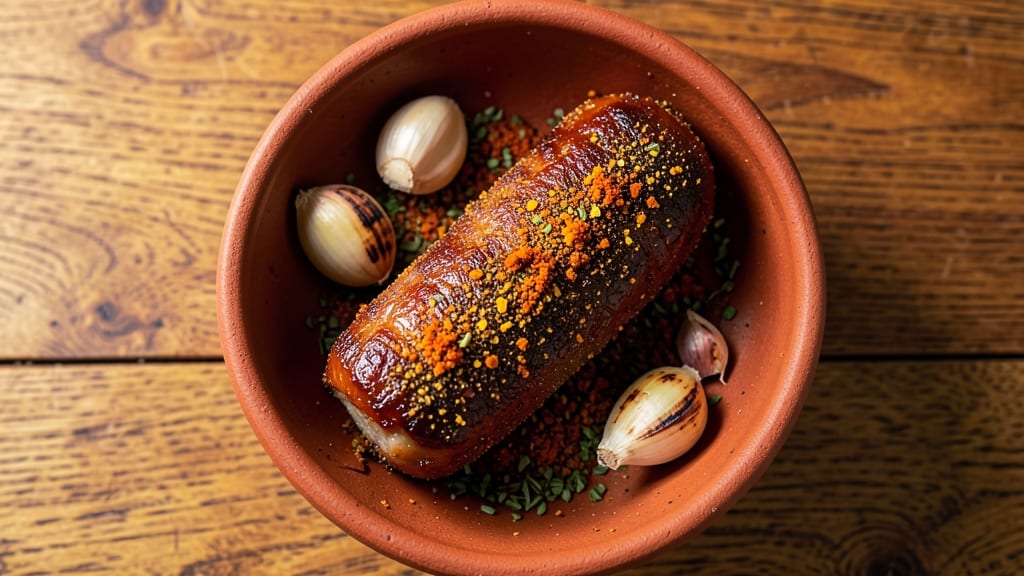
This sujuk recipe transforms simple slices of Turkish sausage into a dish bursting with smoky, spiced depth that transports you straight to a bustling Istanbul market.
Growing up in Boston, I never imagined I'd fall for a dish that bridges two continents—until I discovered how sujuk's bold flavors elevate everything from grilled skewers to hearty stews.
The key lies in balancing traditional spices with fresh aromatics like lemongrass and turmeric, creating layers of complexity that make this sausage unforgettable.
The beauty of sujuk is its versatility—whether you're grilling it for a quick weeknight dinner or simmering it into a rich rendang, the technique remains surprisingly simple. I've tested this recipe multiple times in my small Boston kitchen, perfecting the balance between smoky char and tender meat.
The result? A sausage that's rich, aromatic, and packed with that signature Turkish warmth that lingers long after the last bite.
What makes this recipe truly special is how it transforms ordinary ingredients into something extraordinary. The spices—paprika, cumin, and coriander—infuse the sausage with earthy, slightly sweet notes, while the smoky grill or pan adds depth that's impossible to replicate with store-bought versions.
Serve it sliced over rice, threaded on skewers, or crumbled into a fragrant curry, and you'll understand why this dish has been a staple across Turkey and Southeast Asia for generations.
Ready to bring a taste of Turkey to your table? This recipe delivers restaurant-quality results with just a few key techniques and ingredients you can find at any grocery store. Let's get cooking—your taste buds will thank you.
Ingredients for sujuk
Spiced sausage meets aromatic marinade. Simple ingredients, bold Turkish flavors.
| Ingredient | Amount | Notes |
|---|---|---|
| Sujuk Sausage 🥓 | 1 ½ lb | Fresh or high-quality frozen |
| Ground Cumin 🌿 | 1 tbsp | Toasted for deeper flavor |
| Paprika 🌶️ | 1 ½ tbsp | Smoked variety preferred |
| Ground Coriander 🌿 | 1 tbsp | Freshly ground if possible |
| Turmeric Powder 🧡 | ½ tsp | Bright yellow for color |
| Garlic Cloves 🧄 | 6 cloves | Minced for marinade |
| Fresh Lemongrass 🌿 | 1 whole | Pounded for infusion |
| Extra-Virgin Olive Oil 🫒 | ½ cup | For marinade and grilling |
| Lemon Juice 🍋 | 2 tbsp | Freshly squeezed |
| Salt 🧂 | 1 ½ tsp | Kosher or sea salt |
| Black Pepper 🌶️ | ½ tsp | Freshly ground |
| Red Chili Flakes 🔥 | ½ tsp | Adjust for heat preference |
| Fresh Ginger 🧅 | 1 tbsp | Grated for brightness |
The sausage is everything. Sujuk isn't your typical breakfast sausage—it's lean, smoky, and packed with spices. If you can't find it at your local market, Middle Eastern or Turkish specialty stores will have it. I've seen it at Whole Foods too, but call ahead. The key is freshness—look for vibrant color and a slightly oily surface. If using frozen, thaw it overnight in the fridge. For the spices, Penzeys is my go-to for quality, but the bulk bins at Trader Joe's work too. Toast your cumin and coriander in a dry pan for 30 seconds before grinding—trust me, it makes a difference.
No lemongrass? Substitute with 1 tbsp lime zest plus 1 tsp lime juice—it won't be identical, but close. Short on turmeric? Yellow onion powder at half the amount gives a similar earthy note. The chili flakes can be swapped for cayenne pepper, but reduce to 1/4 tsp if you're sensitive to heat. For the olive oil, use something fruity and peppery—none of that bland supermarket stuff. The garlic and ginger should be fresh (none of that jarred minced garbage), but if you're in a pinch, powdered works at double the amount. The marinade can sit for up to 24 hours, so prep it the night before if you're grilling the next day.
Marinated sujuk keeps in the fridge for 3 days if stored in an airtight container. Grilled versions stay fresh for 4 days if wrapped tightly. Freeze cooked sujuk for 3 months—it reheats beautifully in a skillet or oven. I like to portion mine into single-serving bags before freezing so I can grab and go. The spices in this marinade actually get better with a little age, so if you make extra, store it in a cool, dark place for up to 6 months.
Why You'll Love This Recipe
- Minimal Ingredient List: I swear by this recipe because it’s built on just five things—no fancy pantry raids. Sujuk, cumin, paprika, coriander, and turmeric? That’s it. The spices do all the heavy lifting, so I never overthink it.
- One-Pan Magic: Honestly, this is my lazy-day hero. Slice the sujuk, toss it with the spices, and let the oven or stovetop do the work. One pan, no mess—just golden, fragrant slices that smell like a market stall.
- Spice Bomb Flavor: That earthy cumin-paprika blend? It’s ridiculously good—smoky, slightly sweet, with a warmth that sticks with you. The turmeric gives it that golden glow, and the coriander ties it all together like a secret handshake.
- Budget-Friendly Feast: Sujuk stretches farther than you’d think, and these spices cost pennies. Double the batch, freeze half, and boom—you’ve got a cheap, filling meal for the week. My wallet and I both approve.
Step-by-step instructions for spiced Turkish sausage
Here's how to transform simple ingredients into deeply flavorful sujuk with perfect smoky depth.
Create the Spice Marinade
In a medium bowl, combine the 1 tbsp ground cumin, 1.5 tbsp paprika, 1 tbsp ground coriander, 0.5 tsp turmeric powder, 0.5 tsp red chili flakes, 1.5 tsp salt, and 0.5 tsp black pepper. This blend forms the aromatic foundation that will infuse every bite of the sausage.
Next, add the 6 minced garlic cloves, 1 tbsp grated fresh ginger, and the 1 whole fresh lemongrass (cut into 2-inch pieces). Using a mortar and pestle, gently crush the lemongrass to release its citrusy oils. This step ensures the lemongrass flavor penetrates rather than just sitting on top.
Finally, pour in the 0.5 cup extra-virgin olive oil and 2 tbsp lemon juice. Whisk everything together until you have a smooth, vibrant paste. The marinade should smell rich and aromatic—like a mix of warm spices, bright citrus, and earthy garlic. If it looks too thick, add 1 tablespoon water to help it cling better to the sausage.
Coat and Marinate the Sujuk
Pat the 1.5 lb sujuk sausage dry with paper towels to remove any surface moisture. This helps the marinade adhere properly and prevents steaming instead of browning during cooking. Place the sausage in a resealable plastic bag or airtight container.
Pour the marinade over the sausage, making sure it's completely coated on all sides. Seal the bag or container and massage it gently to distribute the marinade evenly. The sausage should glisten with the spiced oil mixture. Place it in the refrigerator and let it marinate for at least 4 hours, or overnight if possible. This long marinating time allows the spices to deeply penetrate the meat, creating layers of flavor.
Here's the thing—if you're short on time, you can marinate for just 1 hour, but the flavor won't be as developed. The longer it sits, the more complex and aromatic the sausage will become. I promise you'll notice the difference.
Cook the Sujuk to Perfection
Preheat your grill or grill pan to medium-high heat. If you're using a grill, clean and oil the grates well to prevent sticking. The sausage should sizzle immediately when it touches the hot surface—this is your signal that the heat is right.
Place the marinated sujuk on the grill and cook for 8-10 minutes, turning occasionally, until it develops a deep golden-brown crust. You'll see the marinade caramelize and form a beautiful glaze on the outside. The sausage is ready when it reaches an internal temperature of 160°F—use a meat thermometer to check the thickest part. If it's not quite there, continue cooking for another 2-3 minutes on each side.
For an alternative cooking method, you can pan-sear the sausage in a skillet over medium heat with 1 tablespoon olive oil. Cook for 6-8 minutes, turning frequently, until browned on all sides. The key is to keep the heat steady—too high will burn the outside before the inside cooks through.
Rest and Serve
Once the sajuk reaches the right temperature, transfer it to a cutting board and let it rest for 5 minutes. This resting period allows the juices to redistribute, ensuring each bite is moist and flavorful. If you skip this step, you might end up with dry sausage.
Slice the sujuk into ½-inch thick rounds and arrange them on a serving platter. The slices should be juicy, aromatic, and packed with those warm spices you marinated in. Serve immediately with crusty bread, grilled vegetables, or a simple cucumber salad to let the smoky flavors shine.
Real talk: the first time you make this, you might be tempted to cut into it right away. Don't. The resting time is non-negotiable for the best texture. Trust me, your taste buds will thank you.
Pro Tips For Making Sujuk
- CRACK THE SUKUK FIRST: Sukuk’s skin is tough—don’t skip this. Run it under hot water for 30 seconds to loosen the casing, then slice it lengthwise with a sharp knife (about ¼-inch thick). This lets the spices penetrate faster and keeps the slices from curling into sad little rolls.
- TOAST THE SPICES: I used to just toss ground cumin, coriander, and turmeric straight into the pan. Big mistake. Heat them dry in a separate skillet for 30 seconds until fragrant—this deepens their flavor and cuts the raw, earthy bite. (Yes, it’s an extra step, but your sujuk will taste like it came from a street cart.)
- LOW AND SLOW WINS: Sukuk’s fat renders slowly, and rushing it turns the meat into rubber. After searing the slices, drop the heat to medium-low and let them cook uncovered for 10–12 minutes, stirring occasionally. The fat will baste the meat naturally—no splatter, no dryness.
- SALT THE WATER: If you’re boiling the sujuk (for soups or stews), add a full tablespoon of salt to the water before dropping in the meat. The spices in sujuk are already bold, and bland broth ruins the party. Trust me, you’ll taste the difference—especially when you’re slurping it up later.
Storing and reheating this recipe
Fridge Storage Tips
Marinated sujuk keeps beautifully in the fridge for 3 days if stored in an airtight container—like a glass Pyrex dish with a tight lid. I always label it with the date so I don’t forget.
The spices actually deepen in flavor over time, making it taste even better the next day. Just make sure to keep it on the middle shelf where the temperature stays most consistent. 💡
For grilled sujuk, wrap it tightly in plastic wrap or aluminum foil before refrigerating. This prevents drying and keeps the smoky aroma locked in. I like to portion it into single-serving containers so I can grab just what I need without thawing the whole batch.
The texture stays juicy for up to 4 days if stored properly.
Freezer-Friendly Methods
Freezing cooked sujuk is a game-changer for busy weeks. Portion it into quart-sized freezer bags or airtight silicone molds—they stack neatly and thaw faster. Leave ½ inch of headspace to prevent freezer burn.
I always squeeze out excess air before sealing. This sujuk stays good for 3 months in the freezer without losing its smoky depth. 🧊
For marinade leftovers, freeze it in ice cube trays—just thaw what you need for quick marinating. The frozen marinade keeps for 6 months, though I find it’s best used within 3 months for peak flavor.
The spices retain their punch when frozen properly, so you won’t sacrifice taste for convenience.
Reheating Like a Pro
For fridge-stored sujuk, I prefer reheating in a skillet over medium heat with 1 tablespoon olive oil. Cook for 3-4 minutes per side until the edges crisp up again.
This method preserves the juiciness better than the microwave. If it looks dry, splash in 1 teaspoon water and cover for 30 seconds to steam it back to life. 🔥
For frozen sujuk, thaw it overnight in the fridge before reheating—never microwave it straight from frozen. Once thawed, reheat it in the skillet as above. If you’re in a rush, you can reheat frozen slices in the microwave for 1-2 minutes on high, but they’ll be less crispy.
I always save the microwave for emergencies!
Serving Leftovers Creatively
Leftover sujuk is perfect for quick meals. Crumble it into shakshuka for a smoky breakfast, or slice it thin for sandwiches with hummus and pickled veggies. I also love tossing it with roasted potatoes and tahini sauce for a hearty lunch.
The flavors only get better the second time around, especially when mixed with other ingredients. 🌟
For a fuss-free option, serve cold slices with olives, feta, and crusty bread as a mezze platter. The contrast of cool, creamy feta and warm, spiced sujuk is pure magic.
If you’re feeling adventurous, blend leftover sujuk into spiced lentil soup for a protein boost—just chop it finely so it disappears into the dish.
Nutrition facts
Frequently asked questions
What's the difference between sujuk and regular Turkish sausage?
Sujuk is leaner, drier, and more intensely spiced than typical breakfast sausages. It's traditionally made with beef or mutton, then air-dried and spiced with a blend of paprika, cumin, and coriander. The result is a firm, aromatic sausage that's perfect for grilling or slow-cooking, unlike the softer, fattier sausages used for breakfast dishes.
Can I make sujuk without a grill?
While grilling gives that signature smoky flavor, you can achieve great results with a cast-iron skillet or even the oven. For pan-searing, use medium heat and cook for 6-8 minutes per side. For oven-baking, set to 375°F for 20-25 minutes until golden. The marinade's spices will still infuse beautifully without direct grill heat.
How do I know when sujuk is properly cooked?
Use a meat thermometer to check the internal temperature—it should reach 160°F in the thickest part. The sausage will also develop a deep golden-brown crust and smell richly aromatic. If it's still slightly pink inside, cook for another 2-3 minutes. Overcooking can make it dry, so timing is key.
What are the best ways to use leftover sujuk?
Leftover sujuk transforms into delicious meals! Try crumbling it into shakshuka, slicing it for sandwiches with hummus, or adding it to roasted vegetable bowls. It also works beautifully in spiced lentil soups or as a topping for grilled flatbreads. The flavors actually deepen when reheated, making it perfect for quick lunches.
Can I substitute any of the spices in the marinade?
Yes, but adjust carefully. For paprika, try smoked paprika for more depth. If you lack cumin, use 1 tsp coriander + ½ tsp caraway seeds. For turmeric, swap with ½ tsp onion powder. The key is maintaining the warm, earthy balance—don't skip all spices or the flavor will be flat.