
Main Courses
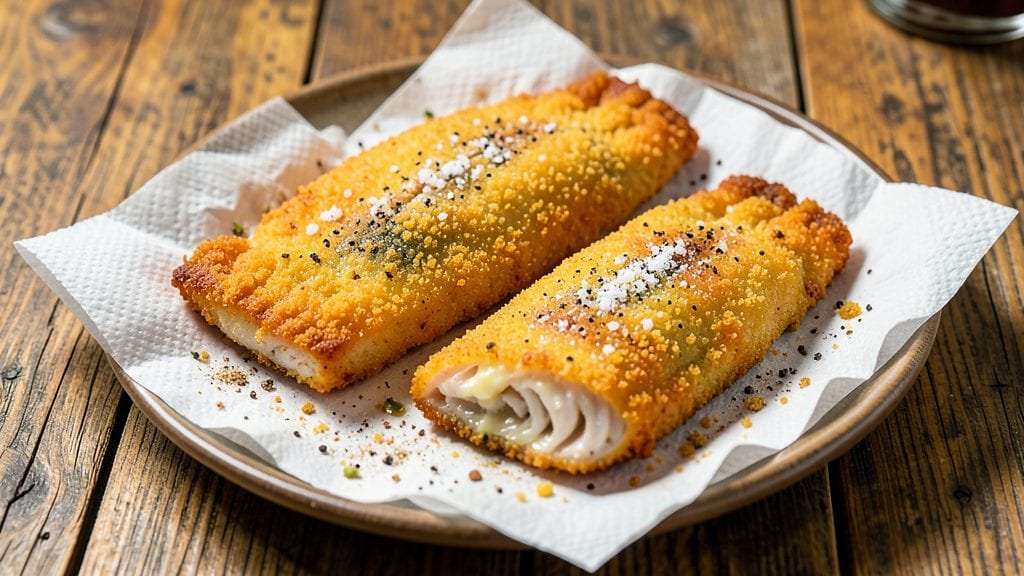
This Southern fried tilapia recipe delivers the perfect balance of crispy cornmeal crust and tender fish, with a bright lemon-pepper finish that’s pure Southern comfort. The double-dredging technique ensures golden, shatteringly crisp edges while keeping the inside flaky—just like your favorite fried seafood spot.
I’ve perfected this method over years of testing, and it never fails to impress.
The secret lies in the cornmeal crust, which creates that signature Southern crunch without overpowering the delicate tilapia flavor. Using a mix of cornmeal and flour gives the coating just the right texture—crispy enough to satisfy but still light enough to let the fish shine.
Proper oil temperature (350–375°F) is critical; too hot, and the crust burns before the fish cooks through.
By the time you serve this dish, you’ll have golden-brown fillets with a crackling crust that gives way to tender, moist fish inside. The lemon-pepper seasoning adds a zesty kick that cuts through the richness, making every bite bright and satisfying.
This is the kind of recipe that transforms a simple weeknight dinner into a memorable meal.
Pair it with classic Southern sides like creamy coleslaw, buttery hush puppies, or a slice of warm cornbread for the full experience. The crispy crust holds up perfectly, soaking up just enough of those sides without falling apart. Let’s get cooking—this fried tilapia is worth every crispy bite.
Ingredients for southern fried tilapia fish
Just six key ingredients transform simple tilapia into restaurant-worthy Southern fried perfection.
| Ingredient | Amount | Notes |
|---|---|---|
| Tilapia Fillets 🐟 | 1 ½ lb | Skin-on or skinless, 6 oz each |
| Fine Yellow Cornmeal 🌽 | 1 cup | Not self-rising, for crispy crust |
| All-Purpose Flour 🌾 | ½ cup | For double-dredging technique |
| Seasoned Salt 🧂 | 1 tbsp | Like Lawry's or homemade blend |
| Ground Black Pepper 🌶️ | 1 tsp | Freshly cracked for best flavor |
| Garlic Powder 🧄 | ½ tsp | Not garlic salt |
| Onion Powder 🧅 | ½ tsp | For subtle depth |
| Vegetable Oil 🫒 | 3 cups | For frying, peanut oil works too |
| Fresh Lemon Juice 🍋 | ¼ cup | From 2-3 lemons, freshly squeezed |
| Unsalted Butter 🧈 | 2 tbsp | Melted, for finishing |
| Fresh Parsley 🌿 | ⅛ cup | Chopped, for garnish |
| Salt 🧂 | 1 tsp | Kosher or sea salt, for seasoning |
The cornmeal is non-negotiable for that signature Southern crunch. Bob's Red Mill or Anthony's are my go-tos—their fine grind gives the best texture. If you can't find fine yellow, pulse regular cornmeal in a food processor for a few seconds. The tilapia should be uniform in size (6 oz fillets) so they cook evenly. Whole Foods or Trader Joe's usually carry pre-cut fillets, but if you're buying whole, ask the fish counter to skin and fillet them for you. Freshness matters—look for fillets with a bright, translucent appearance and no fishy odor.
No cornmeal? Crushed cornflakes or panko work in a pinch (though the flavor won't be identical). Short on lemon juice? Lime juice at half the amount gives a similar zing. The double-dredging technique (flour first, then cornmeal) is what creates that legendary crisp—don't skip it. For the oil, peanut oil has the highest smoke point, but vegetable oil works fine for home cooking. Just make sure it's enough to cover the bottom of your pan about 1.5 inches deep. The parsley is optional but adds that fresh pop of green that makes the dish look restaurant-worthy.
Keep the cornmeal mix in an airtight container for up to 1 month—it absorbs moisture fast. The lemon juice can be made ahead and stored in the fridge for 3 days, but it's best used fresh. Once fried, the tilapia stays crispy for about 20 minutes if kept warm in a 200°F oven. For leftovers, store in the fridge for 2 days and reheat in a skillet with a splash of oil to restore the crisp. Freezing isn't recommended—the crust gets soggy.
Why You'll Love This Recipe
- Here’s what sold me: the double-dredge trick with flour first, then cornmeal. You get that perfect crunch on the outside while the inside stays tender enough to melt. Honestly, it’s the kind of texture that makes you close your eyes and sigh.
- One-Pan Wonder: I swear by this recipe when I’m too tired to scrub pots—just pat the fillets dry, dredge them in the cornmeal mix, and fry until golden. That’s it. The seasoned salt and pepper stick to every crispy bite like it’s meant to.
- Crunchy-Creamy Magic: Here’s what sold me: the double-dredge trick with flour first, then cornmeal. You get that perfect crunch on the outside while the inside stays tender enough to melt. Honestly, it’s the kind of texture that makes you close your eyes and sigh.
- Weeknight to Dinner Party: Between us, this feeds a crowd without feeling like a chore. Double the batch for game day or a last-minute guest—it reheats like a dream (yes, even on a Tuesday night). My kids ask for it at birthday parties, and my husband pretends he doesn’t love it as much as I do.
Step-by-step instructions for Southern fried tilapia
Here's how to get that perfect golden crust every time—crispy outside, tender inside.
Prep the Tilapia for Double-Dredging
Pat the 1.5 lb tilapia fillets completely dry with paper towels—this is non-negotiable for crispiness. I like to press down firmly to remove all moisture, especially around the edges. Season both sides generously with 1 teaspoon of ground black pepper and 1 teaspoon of salt. This initial seasoning ensures flavor penetrates before the crust goes on.
Set up two shallow dishes: one with the 0.5 cup all-purpose flour mixed with 1 tablespoon seasoned salt, 0.5 teaspoon garlic powder, and 0.5 teaspoon onion powder, and another with the 1 cup fine yellow cornmeal. The flour creates adhesion while the cornmeal delivers that signature crunch. Work quickly to keep the fillets dry before dredging.
Create the Crispy Cornmeal Crust
Dredge each fillet first in the flour mixture, pressing gently to adhere completely. Shake off any excess, then immediately dip into the cornmeal, again pressing to ensure full coverage. The double-dredging technique locks in moisture while building that thick, crispy crust. Place the coated fillets on a wire rack set over a plate—this prevents sogginess from sitting in their own juices.
Let them rest for 10 minutes at room temperature. This short wait helps the crust adhere better and prevents the fillets from falling apart when you fry them. I usually set a timer so I don't forget this crucial step—rushing here leads to crust sloughing off in the oil.
Fry to Golden Perfection
Heat 3 cups of vegetable oil in a deep skillet or Dutch oven to 350°F. Use a thermometer—this is the sweet spot for crispy crusts without greasy fish. Once hot, carefully add the fillets in a single layer, leaving space between them. Fry for 3-4 minutes per side until golden brown and the crust is evenly crisped. Don't overcrowd the pan or the oil temperature will drop, leading to greasy results.
Transfer the fried fillets to a paper towel-lined plate to drain excess oil. The crust should be deep golden brown with just a few tiny bubbles—this means it's perfectly crispy. If any pieces seem undercooked, return them to the oil for another 30 seconds, but watch closely to avoid burning.
Finish with Lemon-Butter Zing
While the fish is still hot, melt 2 tablespoons of unsalted butter in a small saucepan over low heat. Add 0.25 cup of fresh lemon juice and let it simmer for 1 minute until fragrant. Pour this bright, citrusy sauce over the fried fillets, letting it soak into the crust for 30 seconds.
Garnish immediately with 0.125 cup of chopped fresh parsley. The lemon butter cuts through the richness of the fried crust while adding a bright finish. Serve right away with lemon wedges on the side—this dish tastes best when the crust is still crisp and the fish is piping hot.
Pro Tips For Making Southern Fried Tilapia Fish
- Dry the Fillets First: Pat those tilapia fillets thoroughly with paper towels—soaking up moisture is the thing that matters most. Wet skin = steam = soggy crust. I learned this the hard way after frying fish that ended up tasting like boiled breading.
- Start Hot, Finish Low: Crank your oil to 375°F (190°C) for that initial golden crust, then drop to 325°F (165°C) once the fish goes in. Too high, and the outside burns before the inside cooks; too low, and you’ll be waiting forever for a crisp. —I know, I know, but trust the process.
- Double-Dredge for Crunch: Flour first, shake off excess, then cornmeal—repeat. The first coat locks in flavor, the second builds that iconic Southern crunch. Skip the second dip, and you’ll get a mealy, uneven crust. (Yes, even if you’re impatient like me.)
- Rest Before Frying: Let the floured fillets sit for 5 minutes before hitting the oil. This gives the cornmeal time to cling properly instead of sliding off in clumps. I was skeptical until I tried it—now it’s non-negotiable.
Troubleshooting your southern fried tilapia fish
Oil Too Hot?
If your crust burns before the fish cooks through, your oil is too hot. The ideal temperature is 350-375°F—any higher and the cornmeal will char. I use a Thermoworks Smoke thermometer because it's precise.
If you don't have one, test the oil by dropping in a small piece of bread—it should sizzle and turn golden in 30-45 seconds. 🌡️
Crust Falling Off?
This usually means your fillets weren't dry enough before dredging. Pat them thoroughly with paper towels, pressing firmly to remove all moisture. Also, don't skip the 10-minute rest after coating—the crust needs time to adhere properly.
I've found that using a wire rack over a plate during resting prevents sogginess from condensation.
Fish Too Greasy?
Greasy fried fish happens when oil temperature drops too low from overcrowding. Fry fillets in batches, leaving 1 inch between them. If your oil splatters excessively, it's too hot—reduce heat slightly. I prefer peanut oil for its high smoke point, but vegetable oil works too.
Drain fried fillets on a wire rack, not paper towels, to prevent steam from making the crust soggy.
Uneven Cooking?
Thicker parts of the fillet may cook slower than thinner edges. For even cooking, use fillets that are ½-inch thick or less. If you have thicker pieces, cut them slightly before frying.
Also, flip gently with a fish spatula—don't press down, or you'll break the crust. A 3-4 minute cook time per side at 350°F should give you perfect doneness.
Lemon Butter Too Thin?
The lemon butter sauce should coat the fillets lightly without pooling. If it's too thin, simmer it for an extra 30 seconds to reduce slightly. For extra richness, add 1 teaspoon of heavy cream to the butter-lemon mixture.
I like to warm the sauce in the same pan I fried the fish in—it picks up delicious crispy bits that add depth to the flavor. 🍋
Leftovers Not Crispy?
Fried fish loses its crispiness quickly because the crust absorbs moisture. To revive leftovers, reheat in a 350°F oven for 5-7 minutes on a wire rack. For extra crunch, broil for 1-2 minutes at the end.
If reheating on the stovetop, use 1 tablespoon of fresh oil in a skillet over medium heat for 2-3 minutes per side.
Nutrition facts
Frequently asked questions
Can I use frozen tilapia for this recipe?
Fresh is best, but frozen works if thawed properly. Place frozen fillets in a sealed bag and submerge in cold water for 15-20 minutes—never use warm water. Pat completely dry before dredging, as any moisture will prevent the crust from sticking. For extra insurance, let thawed fish air-dry on paper towels for 5 minutes before seasoning.
What's the best way to keep the crust crispy?
Serve immediately after frying while the crust is at its peak. For leftovers, store in a single layer in the fridge for 1 day max—the crust stays crispy longer if you reheat in a 400°F oven for 3-4 minutes on a wire rack. Avoid stacking fillets or covering them with foil, as this traps steam and makes the crust soggy.
Can I bake this instead of frying?
Yes, but the texture will be different. Preheat oven to 425°F and brush fillets with 1 tablespoon oil after dredging. Bake on a wire rack for 12-15 minutes until golden. For crispiness, broil for 1-2 minutes at the end. The crust won't be as shatteringly crisp as fried, but it's a lighter alternative.
How do I make this gluten-free?
Replace the all-purpose flour with 0.5 cup gluten-free flour blend (like Bob's Red Mill 1:1) and use 0.25 cup cornstarch mixed with the cornmeal for better adhesion. The double-dredging technique still works—just press gently to ensure full coverage. The crust will be slightly lighter but still crispy.
What sides pair best with this dish?
Classic Southern sides like creamy coleslaw, buttery hush puppies, or cornbread complement the crispy fish perfectly. For a lighter option, try roasted sweet potatoes or a simple green salad with a tangy vinaigrette. The lemon-pepper flavor also pairs well with steamed broccoli or sautéed asparagus.