Sauces & Condiments
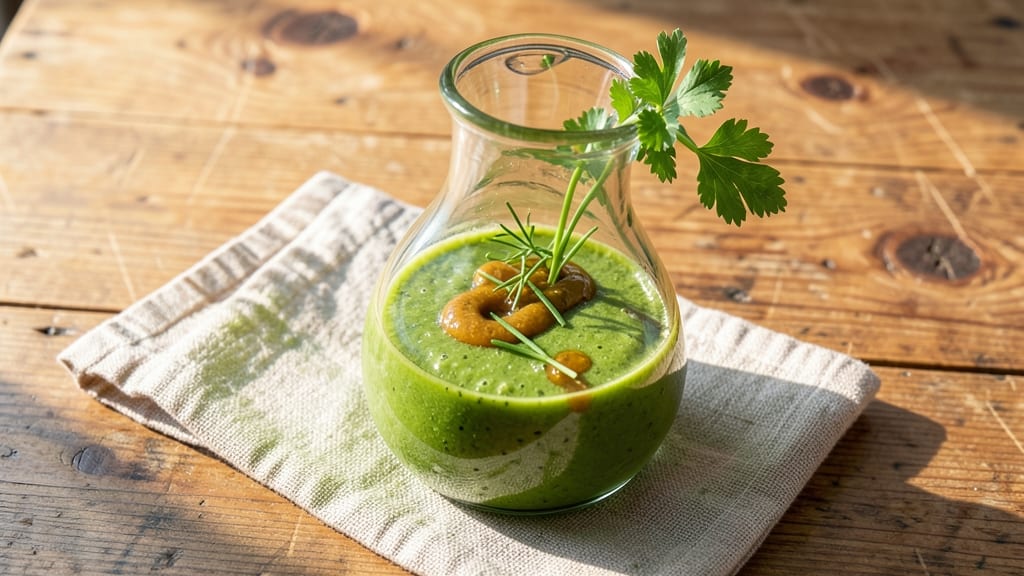
This Riviera dressing recipe transforms ordinary salads and sandwiches into vibrant, herb-scented masterpieces with just five simple ingredients. After years of perfecting dressings that actually hold up—no separation, no cloying sweetness—I developed this light, tangy blend that stays fresh for days.
The secret lies in balancing fresh herbs with a touch of Dijon mustard, creating an emulsion that clings beautifully to greens and crusty bread.
What sets this dressing apart is its versatility and professional finish. Unlike many vinaigrettes that turn bitter or separate, this recipe uses a foolproof emulsification method that keeps it silky-smooth. It’s perfect for everything from crisp garden salads to drizzling over grilled chicken or as a dip for fresh bread.
The aromatic blend of tarragon, chives, and parsley elevates even the simplest meal, making it a staple in my kitchen.
By the time you’re done whisking together the ingredients, you’ll have a dressing that’s bright, balanced, and restaurant-quality—without the fuss. The herbs stay vibrant, the acidity cuts through richness, and the texture remains velvety.
It’s the kind of dressing that makes you want to eat salads year-round, even when you’re craving something heartier. Store it in the fridge for up to five days, or make a double batch to have on hand for spontaneous lunches.
This dressing works equally well as a marinade for fish or chicken, adding a fragrant touch to proteins. Pair it with seasonal produce like asparagus, strawberries, or roasted vegetables for a meal that feels effortlessly sophisticated. Let’s make dressing that tastes like a vacation in every bite.
Ingredients for riviera dressing
Five fresh ingredients create this restaurant-quality Riviera dressing that stays silky-smooth.
| Ingredient | Amount | Notes |
|---|---|---|
| Fresh Tarragon Leaves 🌿 | ½ cup | Packed, stems removed |
| Fresh Chive Stems 🌱 | ¼ cup | Finely chopped, mild flavor |
| Fresh Parsley Leaves 🌿 | ¼ cup | Flat-leaf preferred |
| Dijon Mustard 🍯 | 1 tbsp | High-quality, tangy |
| Extra-Virgin Olive Oil 🫒 | ¾ cup | Light, fruity variety |
| White Wine Vinegar 🍷 | ⅓ cup | Dry, crisp vinegar |
| Granulated Sugar 🍚 | 1 tsp | Balances acidity |
| Salt 🧂 | ½ tsp | Diamond Crystal preferred |
| Black Pepper 🌶️ | ¼ tsp | Freshly cracked |
The herbs are the heart of this dressing, so farmers market finds make all the difference. Tarragon should smell like licorice and anise—if yours smells flat, it's past its prime. Whole Foods or Trader Joe's usually carry the freshest bunches. For chives, look for vibrant green stems with no yellowing. Parsley? Flat-leaf has more flavor than curly. If you're using dried herbs, reduce to one-third the amount, but honestly, fresh is worth the effort. The Dijon mustard needs to be real Dijon—none of that yellow mustard with additives. Maille or Amora are solid choices if you want to splurge.
No tarragon? Fresh basil or thyme can step in, though the flavor will shift. Short on chives? Green onion tops work perfectly. The olive oil matters here—use something you'd drizzle on bread, like California Early Harvest or Colavita. White wine vinegar? Bartles & Jaymes is reliable, but any dry vinegar will do. The sugar balances the acidity, but if you're avoiding it, a pinch of honey works too. For a nut-free version, skip the mustard entirely and add an extra teaspoon of vinegar for tang.
This dressing keeps beautifully—5 days in the fridge if stored in a clean, airtight jar. The herbs stay bright if you pour a thin layer of olive oil over the top before sealing. Double the batch and freeze half in ice cube trays for 3 months of instant salad upgrades. It's also perfect for marinating fish or chicken—just add a splash of lemon juice before using. The emulsion holds up for days, so there's no rush to use it all at once.
Why You'll Love This Recipe
- No-Chop Trick: Honestly, I keep tarragon and chives in the fridge just for this—toss them whole into the blender with the parsley, and boom, no tiny herb bits to clean up. The mustard and olive oil do all the heavy lifting while you sip your coffee.
- Herb Bomb Brightness: That tarragon’s anise kick meets the chive’s sharpness—it’s like a French bistro’s secret in a jar. I’ll be real: the Dijon mustard ties it all together without overpowering, so it’s fresh, tangy, and just right.
- Salad to Sandwich: Between us, this dressing turns my sad office salads into lunch-worthy meals, but it’s also my go-to for chicken salad or even drizzled over grilled fish. (Yes, even on a Tuesday night.)
- Lasts All Week: I make a big batch Sunday and it’s still vibrant by Friday—no slimy leftovers, just a jar of flavor waiting to elevate whatever’s in my fridge. Plus, olive oil’s cheap, so you’re not breaking the bank for fancy dressing.
Step-by-step instructions for Riviera dressing
Here's how to craft this bright, herb-forward dressing that elevates any dish effortlessly.
Prepare the Herb Base
In a food processor, combine the 0.5 cup fresh tarragon leaves, 0.25 cup fresh chive stems, and 0.25 cup fresh parsley leaves. Pulse until finely chopped but not paste-like—you want visible texture, not a smooth purée. The herbs should resemble a coarse herb salt, with visible flecks of green throughout. This texture gives the dressing its signature depth and prevents it from tasting like a single herb.
Transfer the chopped herbs to a medium mixing bowl. Here's the thing—don't skip this chopping step. Whole herbs won't infuse properly, and you'll end up with a dressing that tastes like you just sprinkled garnish on top. I like to use a food processor for this because it's consistent, but you could also finely chop by hand if you prefer—just take your time for even results.
Whisk the Wet Ingredients
To the bowl with chopped herbs, add the 1 tablespoon Dijon mustard, 0.33 cup white wine vinegar, 1 teaspoon granulated sugar, 0.5 teaspoon salt, and 0.25 teaspoon black pepper. Using a whisk, combine these ingredients until the sugar and salt dissolve completely. You'll notice the mixture will look slightly thick and pasty at this stage—that's normal and exactly what we want for proper emulsification later.
This is where the magic starts. The Dijon mustard acts as an emulsifier, helping the oil and vinegar blend smoothly. The sugar balances the acidity of the vinegar, while the salt and pepper provide foundational seasoning. Give everything a good stir here—you want no dry spots of sugar or salt remaining. If you're using a high-quality mustard, you might even catch a hint of its tangy flavor starting to develop.
Gradually Incorporate the Olive Oil
With the whisk still in the bowl, begin adding the 0.75 cup extra-virgin olive oil very slowly—about 1 tablespoon at a time. After each addition, whisk vigorously until fully incorporated before adding more. This gradual approach is critical because it allows the mustard to properly emulsify the oil, creating that signature silky texture rather than a separated dressing.
You'll know you're doing it right when the mixture starts to thicken and become more cohesive. If you add the oil too quickly, you'll end up with a dressing that looks like vinaigrette soup. Be patient here—this step takes about 3-4 minutes of steady whisking. The final texture should be like a thick, velvety sauce that clings beautifully to greens or sandwich fillings.
Taste and Adjust the Balance
After all the oil is incorporated, taste the dressing straight from the whisk. It should be bright, herbaceous, and tangy with a touch of sweetness from the sugar. If it tastes too sharp, add a pinch more sugar. If it needs more acidity, add another ½ teaspoon white wine vinegar. For more depth, you might want to add a tiny pinch of salt—remember, we're building layers of flavor here.
This is your chance to make it perfect for your taste. The dressing should be vibrant and complex, not just a simple herb blend. If you're using it for salads, you might want it slightly thinner for easier tossing. If it's for sandwiches or dipping, you can leave it on the thicker side. The beauty of this recipe is its flexibility—adjust to your specific needs while keeping the herb-forward character intact.
Rest and Serve
Transfer the dressing to a clean jar or airtight container. Let it rest at room temperature for at least 15 minutes before using. This resting period allows all the flavors to meld together and the emulsification to stabilize. You'll notice the dressing becomes even more cohesive and its colors deepen slightly during this time.
When ready to use, give it one final stir before drizzling over your favorite greens, grain bowls, or sandwiches. The dressing will keep in the refrigerator for up to 1 week, making it perfect for meal prep. For best results, shake or stir well before each use, as the oil might separate slightly over time. This dressing is incredibly versatile—try it on arugula salads, grilled chicken sandwiches, or even as a marinade for fish. The possibilities are endless!
Pro Tips For Making Riviera Dressing
- PULSE THE HERBS: Tear the tarragon and parsley by hand instead of chopping—it releases more flavor. The chive stems? Give them a quick rough chop, but don’t overdo it or you’ll turn the dressing bitter. I learned this the hard way when I pulsed everything in the food processor and ended up with a muddy, grassy mess.
- WHISK THE MUSTARD FIRST: Mix the Dijon with a splash of olive oil and a pinch of salt before adding the herbs. This creates a smooth emulsion base that prevents clumping later. I used to just dump everything in and stir—now my dressing is silky every time.
- SALT THE OIL: Add a tiny pinch of salt to the olive oil before emulsifying. It balances the herbs and rounds out the mustard’s sharpness. Sounds weird, but it works—trust me, your taste buds will notice the difference.
- LET IT REST: After whisking, let the dressing sit for 10 minutes before using. The flavors meld, and the mustard mellows out. I know, I know—you’re impatient—but skipping this step means your dressing will taste disjointed. (Your future self will thank you.)
Creative variations of these flavors
Mediterranean Vacation
This dressing is inspired by the coastal flavors of the French Riviera, where fresh herbs like tarragon thrive alongside bright citrus notes. I first tasted something similar while vacationing in Nice—simple, herb-forward, and perfectly balanced. The key is using farm-fresh tarragon and white wine vinegar for that signature tangy brightness.
For an extra Mediterranean touch, add 1 teaspoon lemon zest to the base ingredients. It’s the kind of dressing that makes you crave summer even in winter. 🌊
Herb Swaps
No tarragon? Swap it for 1 tablespoon fresh basil or 1 teaspoon dried tarragon (reduce by ⅓). For chives, green onion tops work perfectly—they add a milder onion note. If you prefer a bolder flavor, add ½ teaspoon dried oregano to the herb mix.
I’ve even tested this with fresh dill for a Scandinavian twist, though the tarragon remains the star. The dressing’s flexibility makes it easy to adapt to what you have on hand.
Sweet & Spicy Twist
For a modern take, add ½ teaspoon honey and ¼ teaspoon smoked paprika to the wet ingredients. The honey balances the acidity, while the paprika adds a subtle smokiness that pairs beautifully with grilled meats or roasted vegetables.
This variation works especially well with strawberry salads or as a dip for warm pita bread. Trust me, the contrast of sweet and spicy elevates this dressing to new heights. 🌶️
Citrus Brightener
Brighten the dressing with 1 tablespoon fresh lemon juice and 1 teaspoon lemon zest added to the wet ingredients. The citrus cuts through the richness of the olive oil and adds a refreshing note. This variation is perfect for spring salads or as a marinade for seafood.
I’ve also used it with asparagus and goat cheese salads, where the acidity makes the dish sing. The zest adds a pop of color too—your plate will look as vibrant as it tastes.
Nut-Free Option
Skip the Dijon mustard entirely and replace it with an extra ½ teaspoon white wine vinegar plus 1 teaspoon honey to help emulsify the dressing. The honey acts as a natural binder, keeping the oil and vinegar blended without relying on mustard.
This version is just as silky and works perfectly for those avoiding nuts or mustard. It’s a game-changer for allergy-friendly meals without sacrificing flavor. 💛
Make-Ahead Magic
Double the recipe and store it in glass jars in the fridge for up to 1 week. The flavors deepen over time, making it perfect for meal prep. For longer storage, freeze individual portions in ice cube trays—just thaw in the fridge overnight.
This dressing keeps beautifully, so you’ll always have a restaurant-quality option on hand. I like to keep a batch in my fridge for spontaneous lunches or last-minute dinner upgrades.
Nutrition facts
Frequently asked questions
Can I make this dressing without a food processor?
Finely chop the herbs by hand with a sharp knife—aim for tiny pieces about the size of coarse salt. Just take your time for even texture. The key is getting the herbs small enough to infuse properly, not turning them into paste. A mortar and pestle works beautifully too for that fresh herb intensity.
Why does my dressing separate after a few days?
This happens when oil and vinegar aren't properly emulsified. The Dijon mustard is your secret weapon—it binds them together. For extra stability, whisk in 1 teaspoon cornstarch or arrowroot powder dissolved in 1 tablespoon water before adding oil. Store in a tightly sealed jar with the oil layer on top to prevent oxidation. Give it a good shake before each use.
What's the best way to use leftover dressing?
Beyond salads, try it as a marinade for grilled chicken or fish (add 1 tablespoon lemon juice first). It also makes an elegant dip for warm crusty bread or crudité platters. For extra flair, drizzle over roasted vegetables or grain bowls. The herbs keep their brightness when used this way too.
Can I substitute balsamic vinegar for white wine vinegar?
Not ideal—balsamic adds sweetness that changes the dressing's balance. For a similar depth, use ½ cup white wine vinegar + 1 teaspoon honey instead. The original recipe relies on white wine vinegar's crisp acidity to cut through the herbs and oil. If you must use balsamic, reduce to ¼ cup and add ¼ cup extra vinegar to maintain tang.
How do I make this dressing thicker or thinner?
For a thicker consistency, whisk in 1 teaspoon ground mustard or cornstarch. For a thinner version, add 1-2 tablespoons water or extra vinegar while whisking. The dressing should coat the back of a spoon but still pour smoothly. Remember, thicker works better for dips while thinner is ideal for tossing salads. Adjust gradually—you can always fix it, but you can't un-thicken!