
Sauces & Condiments
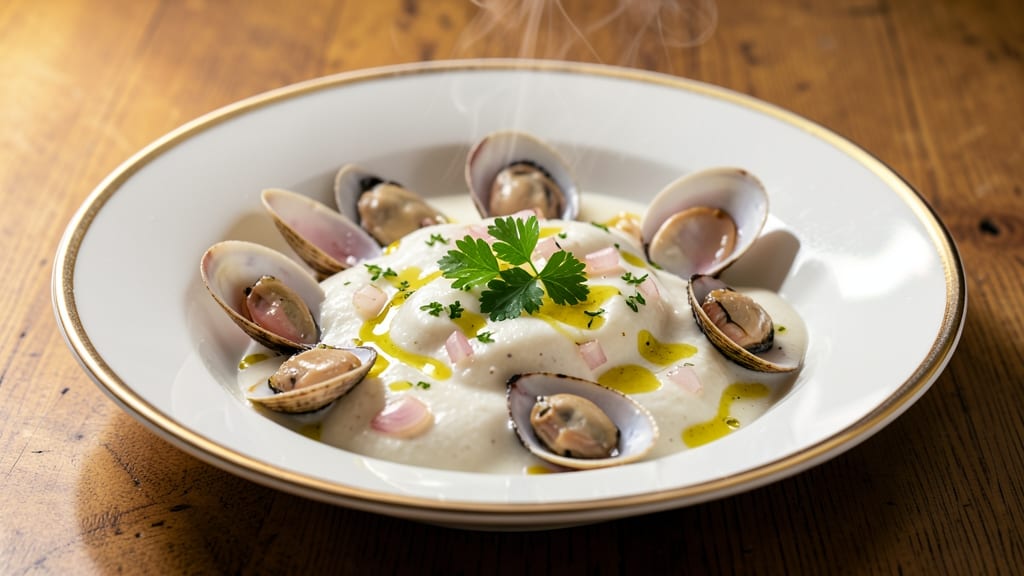
This Progresso white clam sauce recipe delivers the creamy, briny richness that makes Italian-American pasta nights legendary. The secret lies in balancing tender clams, aromatic garlic, and a touch of white wine to create a velvety sauce with just the right tang.
I've perfected this recipe over years of testing, ensuring every spoonful captures that classic canned sauce flavor without the preservatives.
The foundation begins with sautéed garlic and shallots, which form the aromatic base before adding clams and broth. A splash of white wine deglazes the pan, infusing depth while the sauce thickens with a blend of cream and a touch of cornstarch.
This method preserves the sauce's signature texture—creamy yet light, with that unmistakable briny clam essence that clings to every strand of pasta.
What you'll end up with is a sauce so rich and flavorful it transforms simple linguine into a restaurant-worthy dish. The clams dissolve into the sauce, leaving behind their natural sweetness and oceanic depth, while the cream adds luxurious body without overpowering the delicate flavors.
This sauce isn't just for pasta—it elevates seafood dishes, appetizers, and even grilled meats with equal brilliance.
Store leftovers in the refrigerator for up to 5 days or freeze for 3 months, making it perfect for meal prep. The sauce thickens slightly when chilled, so simply stir in a splash of warm water or broth when reheating.
Ready to create this timeless sauce that brings Italian-American comfort to your kitchen?
Ingredients for progresso white clam sauce
Eleven ingredients transform into the creamy, briny sauce that defines Italian-American comfort food.
| Ingredient | Amount | Notes |
|---|---|---|
| Fresh Clams 🦪 | 1 ½ lb | Freshly shucked or canned clams drained |
| Garlic Cloves 🧄 | 6 cloves | Minced finely for aromatic base |
| Shallots 🧅 | 2 whole | Finely chopped, not minced |
| Dry White Wine 🍷 | ½ cup | Sauvignon Blanc or Pinot Grigio |
| Heavy Cream 🥛 | ¾ cup | Full-fat for proper texture |
| Clam Broth 💧 | 1 ½ cups | Homemade or quality store-bought |
| Unsalted Butter 🧈 | 4 tbsp | Cold for sautéing aromatics |
| All-Purpose Flour 🌾 | 1 tbsp | For thickening sauce |
| Lemon Juice 🍋 | 1 tbsp | Freshly squeezed for brightness |
| Salt 🧂 | 1 tsp | Kosher or sea salt |
| Ground Black Pepper 🌶️ | ½ tsp | Freshly ground for heat |
The clams are the heart of this sauce—freshly shucked clams deliver the most authentic flavor, but high-quality canned clams work beautifully in a pinch. Look for clams with tightly closed shells when buying fresh, or Italian-style canned clams for that classic taste. The shallots and garlic form the aromatic foundation, so don't rush the sautéing process—low and slow in butter until they're golden. For the wine, any dry white will do, but Sauvignon Blanc or Pinot Grigio add subtle complexity that elevates the dish. The heavy cream is non-negotiable here—it's what creates that signature velvety texture that makes this sauce so irresistible.
No white wine? Dry vermouth or even apple cider vinegar can stand in, though the flavor will differ slightly. Running short on clams? Canned anchovies or sardines add a similar briny depth, though they'll need to be finely chopped or mashed. The flour acts as a natural thickener, but if you prefer a gluten-free option, cornstarch or arrowroot powder works just as well—use half the amount. For extra richness, some cooks add a splash of Parmesan cheese at the end, but it's not traditional. The key is balancing the creaminess with just enough acidity from the lemon juice to keep the sauce from becoming too heavy.
This sauce keeps beautifully in the refrigerator for up to 5 days, though it's best used within the first 2-3 days for peak flavor. For longer storage, freeze in airtight containers for up to 3 months. When reheating, stir in a splash of warm water or broth to restore that perfect creamy consistency. The sauce thickens as it cools, so plan to thin it slightly when reheating. Portion into individual containers for easy meal prep—it's perfect over linguine, tossed with grilled shrimp, or even as a creamy dip for crusty bread.
Why You'll Love This Recipe
- One-Pot Magic: I swear by this recipe because it’s all in one pot—no extra bowls, no messy transfers. Just clams, shallots, and garlic sizzling away with white wine until the sauce thickens into something velvety. (Yes, even my husband—who burns toast—can handle it.)
- Wine-Infused Richness: That splash of dry white wine isn’t just for show—it cuts through the cream’s heaviness and makes the sauce sing. The garlic and shallots caramelize just enough to add a sweet, nutty depth, while the clams bring that briny, tender perfection. Honestly, it’s the kind of flavor that makes you pause mid-spoonful.
- Weeknight to Dinner Party: This sauce is my secret weapon for lazy nights and fancy dinners. Dump it over linguine for a 20-minute meal, or drizzle it over grilled fish for a restaurant-worthy plate. (Between us, it’s the latter that impresses guests—but the former keeps me sane.)
- Leftovers That Don’t Suck: Most sauces turn sad after Day 2, but not this one. The cream keeps it luscious, and the wine prevents it from tasting flat. I’ve reheated this sauce for breakfast (yes, with eggs) and it was still ridiculously good. Budget-friendly? Absolutely. Versatile? Even more so.
Step-by-step instructions for Progresso white clam sauce
This method delivers a velvety sauce with briny depth and perfect balance every time.
Prepare the Clams and Aromatics
If using fresh clams, shuck them carefully and reserve both the clams and the liquid. For canned clams, drain them thoroughly and rinse under cold water to remove excess salt. In a medium saucepan, melt 2 tablespoons of the unsalted butter over medium heat. Add the 6 cloves minced garlic cloves and 2 whole finely chopped shallots, cooking for 3-4 minutes until the shallots soften and the garlic becomes fragrant but doesn't brown.
Watch closely here—the garlic should sizzle gently without burning. If it starts to darken too quickly, reduce the heat slightly. This foundational step builds the sauce's aromatic complexity that carries through the entire dish. The butter should foam and coat the aromatics evenly, creating a flavorful base for the clams.
Cook the Clams and Deglaze
Add the 1.5 pounds fresh clams (or drained canned clams) to the saucepan along with 1.5 cups clam broth. Bring to a simmer over medium-high heat, then cover and cook for 4-5 minutes until the clams open completely. Remove any unopened clams as they won't cook properly.
Carefully pour in the 0.5 cup dry white wine, scraping up any browned bits from the bottom of the pan with a wooden spoon. This deglazing step captures all the flavorful fond that would otherwise stick to your pan. Let the wine simmer for 2-3 minutes until reduced by half, allowing its acidity to cut through the richness of the clams.
Thicken the Sauce
In a small bowl, whisk together the remaining 2 tablespoons unsalted butter and 1 tablespoon all-purpose flour to create a roux. Gradually whisk this mixture into the simmering clam liquid, stirring constantly for 2 minutes until smooth. The sauce should begin to thicken noticeably as the flour absorbs liquid.
Here's where the sauce transforms from brothy to creamy. Keep the heat at medium-low and stir frequently to prevent the roux from cooking too quickly, which could make the sauce taste raw. You're aiming for a velvety consistency that coats the back of a spoon without being gluey.
Finish with Cream and Season
Reduce the heat to low and gradually whisk in the 0.75 cup heavy cream. Simmer gently for 3-4 minutes until the sauce reaches your desired consistency—it should coat the clams beautifully without being overly thick. Stir in the 1 tablespoon lemon juice, which brightens the flavors and balances the richness.
Season with 1 teaspoon salt and 0.5 teaspoon ground black pepper, tasting as you go. The sauce should be briny but not salty, with a pleasant acidity from the lemon. If it's too thick, whisk in 1-2 tablespoons hot clam broth to achieve that perfect creamy texture. Remove from heat immediately to preserve the sauce's velvety quality.
Pro Tips For Making Progresso White Clam Sauce
- Sweat Shallots First: Don’t rush this step—finely dice shallots and cook them in butter over medium-low heat for 8-10 minutes until soft and golden. I learned the hard way that skipping this makes the sauce taste raw and sharp, no matter how much wine you add.
- Steam Clams Properly: Cover the pot with a tight lid and let clams steam for 5-7 minutes before opening them—this ensures they’re fully cooked and releases their briny sweetness into the sauce. Resist the urge to peek early; patience here keeps the dish from tasting metallic.
- Deglaze with Wine Slowly: Pour in the white wine gradually while scraping up browned bits from the pot—this builds flavor instead of just diluting it. I used to dump it all at once, and the sauce always tasted thin and one-dimensional.
- Temper the Cream: Warm the heavy cream separately to room temperature before adding it to the clam sauce—this prevents curdling when the hot liquid hits it. Cold cream turns the sauce into a sad, lumpy mess, and nobody wants that.
Storing and reheating this progresso white clam sauce
Refrigerator Storage
Transfer your white clam sauce to an airtight glass container—I prefer Pyrex with snap-on lids—and let it cool completely before refrigerating. Store at 40°F or below for up to 5 days, though I recommend using it within 2-3 days for peak flavor.
The sauce thickens slightly when chilled, so stir in 1-2 tablespoons warm water or clam broth when reheating to restore that perfect creamy consistency. 🥫
Freezer Storage
For longer storage, portion the sauce into freezer-safe containers or silicone ice cube trays (great for single servings). Leave ½-inch headspace to prevent expansion cracks, and freeze for up to 3 months. When ready to use, thaw overnight in the refrigerator, then reheat gently on the stovetop.
The texture remains creamy if handled properly, though you may need to thin it slightly with broth if it separates during freezing. ❄️
Reheating on Stovetop
My preferred method is stovetop reheating—it preserves the sauce’s velvety texture perfectly. Pour the chilled sauce into a saucepan and heat over medium-low heat, stirring frequently. Add 1-2 tablespoons warm water or clam broth if the sauce thickens too much.
Bring to a gentle simmer for 3-5 minutes, then taste and adjust seasoning—it often needs a pinch of salt or a splash of lemon juice to brighten flavors. 🔥
Microwave Reheating
For quick reheating, transfer sauce to a microwave-safe bowl and heat in 30-second intervals, stirring between each. Start at 50% power to avoid overheating, which can break the sauce’s emulsion. If the sauce looks too thick after reheating, whisk in 1 tablespoon warm water or broth to restore creaminess.
This method works best for small portions—overheating larger quantities can make the sauce grainy. ⚡
Reviving After Storage
If your sauce separates after refrigeration or freezing, don’t toss it—simply whisk vigorously while heating to re-emulsify. For extra insurance, add 1 teaspoon cold butter while reheating, which helps restore the creamy texture.
The key is patience: heat gradually and stir constantly to avoid lumps. A well-revived sauce tastes just as good as fresh! 💫
Portioning for Meal Prep
Divide the sauce into individual portions before storing to make meal prep effortless. I use glass ramekins for reheating single servings, or silicone muffin molds for quick portions over pasta. Label containers with dates to track freshness—this sauce keeps best when used within 3 months of freezing.
Pre-portioned sauce is perfect for tossing with linguine or drizzling over grilled seafood. 📅
Nutrition facts
Frequently asked questions
What's the best substitute for fresh clams in this recipe?
High-quality canned clams work beautifully—just drain them thoroughly and rinse with cold water to remove excess salt. For a deeper flavor, use Italian-style canned clams in olive oil. If you're avoiding clams entirely, finely chopped canned anchovies or sardines (1-2 tbsp) add a similar briny depth, though they'll need to be finely mashed.
Can I make this sauce without white wine?
Use dry vermouth or apple cider vinegar (¼ cup) as substitutes—they'll add acidity to balance the creaminess. For a non-alcoholic option, try white grape juice or even a splash of lemon juice (though it won't deglaze as effectively). The key is maintaining that bright, tangy element that cuts through the richness.
Why did my sauce turn out too thick?
This usually happens when the roux cooks too long or the sauce simmers too vigorously. To fix it, whisk in 1-2 tablespoons warm clam broth or water while reheating. For prevention, keep heat at medium-low when thickening and stir constantly. The sauce should coat the back of a spoon but still be pourable—if it's gluey, you've overcooked the roux.
How can I use this sauce beyond pasta?
This versatile sauce elevates grilled shrimp skewers, baked fish, or even as a creamy dip for crusty bread. Toss it with chilled linguine for a quick cold pasta salad, or drizzle over seared scallops for a restaurant-worthy finish. For extra richness, stir in 1 tbsp grated Parmesan at the end.
Can I make this sauce dairy-free?
Yes! Replace the heavy cream with full-fat coconut milk (same amount) and use cornstarch (½ tbsp) instead of flour for thickening. For extra body, add 2 tbsp nutritional yeast at the end. The texture will be slightly lighter but still creamy, with a subtle coconut flavor that pairs well with seafood.