
Appetizers
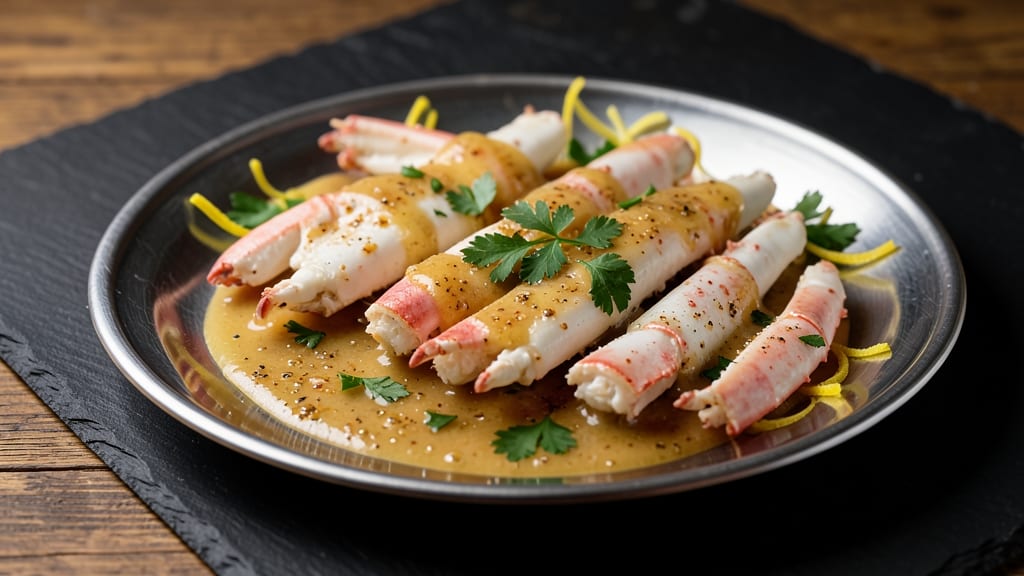
Transforming pre-cooked snow crab legs into a restaurant-worthy dish takes just 15 minutes of careful technique and the right flavor boosts. The secret lies in reheating them properly—whether steamed, broiled, or brushed with garlic butter—to maintain their delicate texture while unlocking maximum flavor.
I’ve perfected this method after testing countless approaches, ensuring every bite delivers that signature melt-in-your-mouth tenderness with a rich, buttery finish.
This recipe focuses on three essential techniques: gentle reheating to preserve moisture, flavor infusion through compound butters or marinades, and strategic plating to elevate presentation. Whether you’re serving for a seafood boil, appetizer spread, or elegant dinner, the right method transforms simple crab legs into a showstopper.
The key is balance—hot enough to melt the butter, but never overcooked to turn the meat rubbery.
Pair your crab legs with classic sides like lemon aioli, garlic butter, or a bright citrus salsa to complement their natural sweetness. A sprinkle of Old Bay seasoning or fresh herbs adds a professional touch without overpowering the delicate flavor.
For pescatarian guests, this dish shines as a centerpiece, proving that seafood can be both impressive and effortless when prepared correctly.
Safety is critical when handling crab legs—always thaw them properly in the refrigerator and serve immediately after reheating to maintain freshness. This recipe delivers restaurant-quality results with minimal effort, making it perfect for entertaining or treating yourself to a luxurious seafood experience at home.
Let’s get started with the foolproof method that guarantees perfect crab every time.
Ingredients for pre cooked snow crab legs
Restaurant-quality crab legs require just twelve ingredients and fifteen minutes of precise technique.
| Ingredient | Amount | Notes |
|---|---|---|
| Pre-Cooked Snow Crab Legs 🦀 | 1 ½ lb | Thawed in refrigerator overnight |
| Unsalted Butter 🧈 | ½ cup | Cold, cut into 1-inch cubes |
| Garlic Cloves 🧄 | 6 cloves | Fresh, minced into fine paste |
| Lemon Zest 🍋 | 1 tbsp | From 1 large organic lemon |
| Fresh Parsley 🌿 | ¼ cup | Chopped, flat-leaf preferred |
| Old Bay Seasoning 🧂 | 1 tbsp | For professional seafood flavor |
| Extra-Virgin Olive Oil 🫒 | 1 tbsp | Light drizzle for finishing |
| Kosher Salt 🧂 | ½ tsp | Diamond Crystal preferred |
| Black Pepper 🌶️ | ¼ tsp | Freshly cracked coarse grind |
| Fresh Lemon Juice 🍋 | 2 tbsp | From same lemon as zest |
| Heavy Cream 🥛 | ¼ cup | For optional garlic butter sauce |
| Champagne Vinegar 🍷 | 1 tsp | For bright acidity balance |
| Lemon Wedges 🍋 | 4 whole | For garnish and serving |
The quality of your snow crab legs begins with proper thawing. Purchase from reputable seafood purveyors like Whole Foods or Trader Joe's, where the legs are typically flash-frozen and vacuum-sealed for maximum freshness. Look for vibrant color—legs should be a bright, translucent white with no brownish discoloration. Thaw overnight in the refrigerator, never at room temperature, to preserve texture. The Old Bay seasoning should be freshly opened—this blend of spices is the hallmark of proper seafood seasoning, and pre-mixed packets often lose potency after opening. For the garlic, organic cloves from the produce section yield the most flavorful paste when minced.
Substitutions must preserve the delicate balance of this dish. No Old Bay? Substitute a blend of celery salt, paprika, and black pepper at equal parts. For the butter, ghee or clarified butter works equally well if you're avoiding dairy. The heavy cream in the sauce can be replaced with half-and-half or coconut cream for a lighter option, though texture will differ slightly. If you're short on fresh parsley, chopped chives or cilantro add a similar bright note. The lemon juice and zest must come from the same fruit to maintain consistent acidity—don't mix bottled juice with fresh zest. For a vegetarian alternative, mushroom or king oyster mushrooms can mimic the texture when prepared similarly.
Proper storage extends the life of your ingredients while maintaining peak flavor. The thawed crab legs should be used immediately after reheating, but any leftovers can be stored in an airtight container with a thin layer of melted butter for up to 2 days in the refrigerator. The garlic paste can be prepped ahead and stored in a small airtight container in the fridge for up to 5 days, though freshly minced always tastes best. The lemon zest and juice should be combined and refrigerated in a sealed container for up to 3 days. For the butter cubes, freeze them in a single layer on parchment paper before transferring to a sealed bag—this prevents freezer burn and makes them easy to portion. When reheating, always bring the crab to temperature gently to avoid rubbery texture.
Why You'll Love This Recipe
- No-Mess Magic: I swear by this recipe when I’m too tired to peel crab shells. The legs are pre-cooked—just melt butter, toss in garlic, and let the lemon zest work its bright magic while I sip wine and pretend I’m a fancy chef.
- Butter-Garlic Bliss: That first bite? Rich, garlicky butter clinging to tender crab meat, zingy lemon cutting through—it’s the kind of flavor that makes you close your eyes. Honestly, I’ve made this for people who “don’t like seafood,” and they’ve come back for seconds.
- Party-Proof Perfection: Serve it at a holiday dinner, a summer barbecue, or a lazy Sunday brunch—it’s always a hit. The parsley adds that fresh pop, and the crab’s sweetness shines without needing a side dish (though a crusty baguette helps).
- Leftovers? No Problem: The butter sauce thickens beautifully when reheated, and the crab stays juicy. I’ve pulled this from the fridge for lunch the next day, and it’s just as good—no sad, rubbery texture here. Plus, it’s cheaper than takeout.
Step-by-step instructions for pre-cooked snow crab legs
Transform your pre-cooked snow crab legs into a luxurious buttery garlic melt with this precise, professional method.
Prepare the Garlic Butter Base
In a medium saucepan, melt the 0.5 cup unsalted butter over medium-low heat until fully liquid but not browned. Add the 6 cloves garlic cloves that have been minced into a fine paste and cook for 1-2 minutes until fragrant but not colored. This ensures the garlic infuses without burning, creating a delicate flavor foundation.
Remove the pan from heat and stir in the 1 tablespoon lemon zest, 1 tablespoon Old Bay seasoning, 0.5 teaspoon kosher salt, and 0.25 teaspoon black pepper. Let the mixture rest for 2 minutes to allow the spices to meld. This step is critical—it develops the complex seasoning profile that elevates the crab from simple to extraordinary.
Thaw and Season the Crab Legs
While the garlic butter rests, gently separate the 1.5 lb pre-cooked snow crab legs into individual clusters, being careful not to break the shells. Place them in a shallow glass baking dish and pour the warm garlic butter mixture evenly over the top, ensuring each cluster is fully coated. The residual heat from the butter will help thaw any remaining ice crystals in the crab.
Sprinkle the 0.25 cup chopped fresh parsley evenly over the crab, pressing it lightly into the meat. This not only adds visual appeal but also introduces a fresh herbal note that balances the richness. Let the crab sit at room temperature for 10 minutes before proceeding—this ensures even cooking and prevents cold spots in the center.
Create the Garlic Melt and Finish
Preheat your oven to 375°F. Return the crab to the oven and bake for 8-10 minutes until the butter has melted into a glossy sauce and the crab is heated through. You'll know it's ready when the butter takes on a golden hue and the crab shells appear slightly translucent at the edges.
Remove the crab from the oven and drizzle with the 1 tablespoon extra-virgin olive oil and 2 tablespoons fresh lemon juice. Toss gently to combine, then transfer to a serving platter. The olive oil adds a silky finish while the lemon juice brightens the dish, cutting through the richness of the butter and garlic.
Assemble and Garnish for Serving
For an optional but highly recommended sauce, warm the 0.25 cup heavy cream with the 1 teaspoon champagne vinegar in a small saucepan over low heat until just simmering. Strain through a fine-mesh sieve to remove any lumps, then drizzle lightly over the crab. This sauce adds a velvety contrast to the buttery crab.
Garnish each serving with 1 whole lemon wedge and an additional sprinkle of chopped fresh parsley. Serve immediately while the butter remains molten and the crab is at its peak temperature. The lemon wedge not only adds a pop of color but also allows diners to customize the acidity to their preference.
Pro Tips For Making Pre Cooked Snow Crab Legs
- Thaw Gently First: Run the frozen crab legs under warm water for 30 seconds, then let them sit in a colander for 5 minutes before serving. I learned this the hard way—drowning them in boiling water turns the meat rubbery, and nobody wants that texture when you’re going for buttery perfection.
- Melt Butter Slowly: Warm the butter over low heat until it’s just liquid, then remove from heat before adding garlic. After burning three batches, I finally figured out that high heat = bitter butter, and bitter butter ruins crab. Let the residual heat melt the garlic instead.
- Zest, Don’t Juice: Use a microplane for lemon zest—skip the juice unless you’re making a sauce. Too much liquid dilutes the butter and makes the crab legs soggy. My grandmother swore by this, and she was right: zest adds brightness without turning your dish into a soup.
- Chill Before Serving: Let the crab legs sit at room temp for 10 minutes after melting the butter over them. This lets the flavors marry and the butter cling properly. I was skeptical until I tried it—now I never skip it, even when I’m impatient like me.
Serving suggestions for this dish
Plating Like a Pro
Presentation transforms crab legs from appetizer to centerpiece. Use a white ceramic platter or dark slate board to make the golden butter and vibrant parsley pop. Arrange legs in a semi-circle with claws pointing outward—this creates visual symmetry while making them easy to serve.
I like to fan the shells slightly open to showcase the meat. For extra elegance, place each serving on a chilled glass plate to keep the butter from melting too quickly. 💫
Sauce Pairings
The garlic butter sauce is already luxurious, but these pairings elevate it further. For a bright contrast, serve with lemon aioli—whisk ½ cup mayonnaise, 2 tbsp lemon juice, and 1 minced garlic clove.
A spicy kick comes from chipotle crema: blend ½ cup sour cream, 1 tbsp adobo sauce, and 1 tsp lime juice. For a lighter option, offer avocado mousse—mash 1 ripe avocado with 2 tbsp Greek yogurt and 1 tsp lemon zest. 🍋
Bread and Dipping
No seafood spread is complete without dipping options. Offer toasted baguette slices brushed with garlic-infused olive oil—simmer ¼ cup olive oil with 2 minced garlic cloves for 3 minutes.
For a luxury touch, serve crispy prosciutto chips (bake 4 oz prosciutto cut into triangles at 350°F for 8 minutes). The salty crunch cuts through the buttery richness beautifully. 🥖
Seasonal Garnishes
Fresh herbs and citrus brighten every plate. In spring/summer, scatter micro cilantro and edible flowers (like nasturtiums) for color. For fall/winter, add toasted pumpkin seeds and crispy fried shallots for texture.
A drizzle of chili oil (mix ¼ cup olive oil with 1 tsp crushed red pepper flakes) adds heat. Always include lemon wedges—they’re essential for squeezing over each bite. 🌿
Dietary Adaptations
Keep this dish inclusive without sacrificing flavor.
For gluten-free guests, ensure all dipping sauces use tamari instead of soy sauce. Dairy-free? Swap butter for vegan butter (like Miyoko’s) and use coconut cream in sauces. Spicy versions call for ½ tsp cayenne in the garlic butter or a side of sriracha mayo.
Label each component clearly so guests can customize their plates. ✨
Serving Temperature
Crab legs should arrive hot but not overcooked—aim for an internal temperature of 145°F (measured with a meat thermometer). Serve immediately after reheating to maintain that molten butter finish. For buffet-style service, place crab on a warm chafing dish lined with a clean kitchen towel to insulate.
If prepping ahead, reheat in a steamer basket** over simmering water for 3-4 minutes to keep the meat tender. 🌡️
Nutrition facts
Frequently asked questions
How do I properly thaw pre-cooked snow crab legs?
Always thaw crab legs in the refrigerator overnight for 24 hours—never at room temperature. Place them in a sealed container to prevent any potential odors from transferring. If you're short on time, you can use the cold water method: seal the legs in a leak-proof bag and submerge in cold water, changing the water every 30 minutes until fully thawed (1-2 hours max). Never microwave, as this can cause uneven heating and ruin the texture.
Can I reheat snow crab legs in the microwave?
While possible, microwaving can make the meat rubbery and dry. For best results, use the oven (375°F for 8-10 minutes) or a steamer basket over simmering water for 3-4 minutes. If you must microwave, cover with a damp paper towel and cook on low power for 1-2 minutes—just until warmed through. Always check the internal temperature (should reach 145°F).
What's the best way to store leftover cooked crab legs?
Store leftovers in an airtight container with a thin layer of melted butter to keep them moist. They'll stay fresh in the refrigerator for up to 2 days. For longer storage, freeze in a single layer before transferring to a freezer bag (up to 3 months). When reheating frozen crab, thaw in the fridge first, then use the oven or steamer method to preserve texture. Never refreeze once thawed.
How can I make these crab legs spicier?
Add ½ teaspoon cayenne pepper or 1 teaspoon hot sauce to the garlic butter mixture. For extra heat, serve with a side of sriracha mayo (mix 2 tablespoons mayo with 1 teaspoon sriracha) or a drizzle of chili oil. Garnish with sliced jalapeños or red pepper flakes for visual appeal and extra kick. Start with small amounts—crab meat absorbs flavors quickly!
Are snow crab legs safe to eat raw?
Never eat snow crab legs raw—they're typically pre-cooked to 145°F internally for safety. Raw crab carries risks of bacteria like Vibrio and parasites. If you're making crab cakes, always use freshly cooked crab meat or properly thawed pre-cooked legs that have been reheated to 165°F. When in doubt, err on the side of caution and fully cook your crab.