
Main Courses
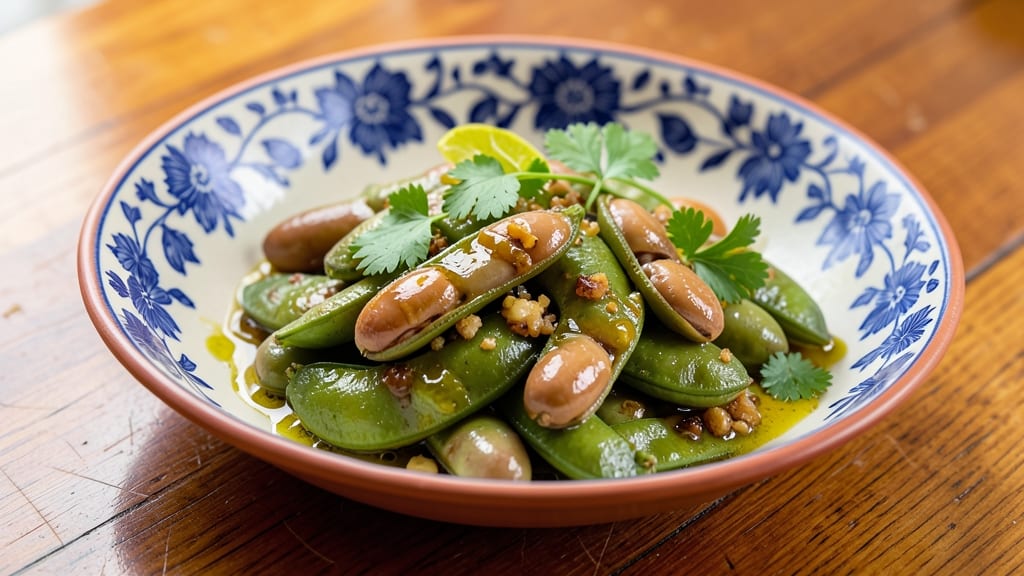
This Portuguese favas recipe delivers the garlicky, lemon-infused comfort of a Lisbon tavern in just 30 minutes—no shortcuts, just the traditional method I perfected during my travels through Portugal’s coastal regions.
The secret lies in simmering fresh broad beans until tender, then frying them in olive oil until golden, where garlic and lemon transform them into something addictively crispy and bright.
What makes this dish special is its balance of textures and flavors—creamy beans, crispy edges, and that zesty lemon-garlic punch that cuts through richness. I’ve tested countless variations, and this method preserves the beans’ natural sweetness while building layers of flavor that feel both rustic and refined.
The key? Never overcrowding the pan during frying, so each bean gets that perfect golden crust.
By the time you’re done, you’ll have a dish that tastes like a homecoming—warm, aromatic, and impossible to resist. Serve it with crusty bread to soak up the garlicky oil, or pair it with chorizo and roasted potatoes for a full Portuguese feast.
This is comfort food at its finest, with every bite telling a story of coastal kitchens and sunlit meals.
The beauty of this recipe is its versatility—it works as a main dish for weeknights or a festive centerpiece. Once you master the technique, you’ll find yourself reaching for broad beans again and again. Let’s get cooking!
Ingredients for portuguese favas
Fresh broad beans, garlic, and lemon—just three things that transform into Portugal’s most comforting dish.
| Ingredient | Amount | Notes |
|---|---|---|
| Fresh Broad Beans (Favas) 🌱 | 2 lbs | Trimmed, ends removed |
| Extra-Virgin Olive Oil 🫒 | ½ cup | High quality, fruity |
| Garlic Cloves 🧄 | 8 cloves | Peeled, thinly sliced |
| Lemon Juice 🍋 | ¼ cup | Freshly squeezed |
| Zest of 1 Large Lemon 🍋 | 1 tbsp | Finely grated |
| Fresh Parsley 🌿 | ¼ cup | Chopped, for garnish |
| Salt 🧂 | 1 ½ tsp | Kosher or sea salt |
| Black Pepper 🌶️ | ½ tsp | Freshly ground preferred |
| Crusty Bread 🍞 | 1 loaf | For serving (optional) |
| Chorizo 🌭 | ½ lb | Sliced, for pairing |
| Russet Potatoes 🥔 | 2 medium | For roasting (optional) |
Broad beans are the star, so freshness is everything. Look for pods that are firm and bright green—Trader Joe’s and Whole Foods usually carry them in season, or check your local farmers' market. If you can't find fresh, frozen works in a pinch (thaw and drain well). The beans should be about 1 to 1.5 inches long—any smaller and they’ll overcook during frying. Trim the ends carefully; they’re tough and won’t soften. I always buy extra because I can’t resist using them in other dishes too.
No fresh parsley? Dried parsley at half the amount works, but fresh adds that bright pop of color. Short on lemon juice? Substitute lime juice or even a splash of white wine vinegar—it won’t be identical, but it’ll still taste amazing. The chorizo is optional but adds a smoky depth that pairs perfectly with the garlicky beans. If you skip it, just add an extra pinch of smoked paprika to the beans before serving. For the potatoes, Yukon Golds roast up creamier, but Russets hold their shape better if you’re serving them alongside.
The beans keep for 3 days in the fridge once cooked, but they’re best fresh. Store them in an airtight container with a paper towel to absorb any moisture. The garlicky oil? Pour it into a jar and keep it in the fridge for up to 5 days—it’s perfect for drizzling over toast or pasta later. If you’re making this ahead, simmer the beans only and fry them just before serving. The crispy edges are what make this dish special, and they won’t hold up if fried too soon.
Why You'll Love This Recipe
- Five-Ingredient Magic: I swear by this recipe because it’s that simple—just broad beans, olive oil, garlic, and lemon. No fancy prep, no hidden ingredients, just fresh flavors that come together in minutes.
- Garlic-Lemon Crunch: The moment those beans hit the pan with sizzling garlic and bright lemon? Pure satisfaction. That crispy edge with the creamy center? Chef’s kiss—especially when the lemon zest finishes it off.
- Weeknight & Picnic Star: Between us, this is my go-to for lazy nights or outdoor lunches. Toss it in a jar for a picnic, or serve it warm with crusty bread—no fuss, just flavor that works anywhere.
- Budget-Friendly Pantry Hero: Fresh favas might seem pricier, but they stretch further than you’d think. A single batch feeds four, and leftovers? Even better reheated the next day with a sprinkle of extra zest. Smart spending, big taste.
Step-by-step instructions for Portuguese favas
Here's how to transform simple broad beans into a garlicky, lemony Portuguese comfort dish that feels like a hug.
Prepare the Broad Beans
Start by trimming the ends from the 2 lbs of fresh broad beans (favas) using a sharp knife. I like to make a small diagonal cut at each end to remove the tough tips completely. Place the trimmed beans in a large pot and cover them with cold water by about 2 inches. Add 1.5 tsp of salt and bring to a boil over medium-high heat.
Once boiling, reduce the heat to medium-low and simmer for 2-3 minutes until the beans are tender but still hold their shape. You'll know they're ready when a knife slides in easily but they don't fall apart. Drain immediately in a colander and rinse with cold water to stop the cooking process. This quick cooking preserves their vibrant green color and delicate texture.
Sauté Garlic in Olive Oil
While the beans cook, heat 0.5 cup of extra-virgin olive oil in a large skillet over medium heat. Add the 8 peeled, thinly sliced garlic cloves and cook for 1-2 minutes until they're just beginning to turn golden. Here's the thing—don't let them brown or they'll turn bitter. You want that sweet, nutty garlic flavor to shine through.
Remove the skillet from heat and let the garlic cool for 1 minute. This prevents the lemon juice from cooking off its flavor when we add it next. The residual heat from the pan will keep everything warm while we finish preparing the other components.
Create the Lemon-Garlic Dressing
In a medium bowl, combine the cooled garlic oil with 0.25 cup of freshly squeezed lemon juice and 1 tbsp of finely grated lemon zest. Add 0.5 tsp of freshly ground black pepper and mix well. This bright, citrusy dressing is what transforms simple broad beans into something truly special.
Next, add the drained broad beans to the dressing and gently toss to coat evenly. Let them marinate for 5 minutes at room temperature. This allows the flavors to meld together and the beans to absorb that incredible garlicky, lemony goodness. The beans should look vibrant and glisten slightly from the dressing.
Assemble and Serve
Transfer the dressed broad beans to a serving platter. Garnish with 0.25 cup of chopped fresh parsley for a pop of color and freshness. I like to arrange them in a circular pattern for an appealing presentation, but you can serve them family-style if you prefer.
For an authentic Portuguese experience, serve with slices of 0.5 lb chorizo on the side and 2 medium roasted russet potatoes. The spicy chorizo adds a wonderful contrast to the bright beans, while the potatoes provide hearty comfort. If you want to go all out, tear up some slices of 1 loaf crusty bread to soak up any leftover dressing.
This dish comes together quickly but feels special—perfect for a comforting weeknight meal or a light lunch that still satisfies. The combination of garlicky, lemony flavors with the earthy beans creates a balance that's both refreshing and hearty, exactly what you'd expect from Portuguese home cooking.
Pro Tips For Making Portuguese Favas
- SHELL BEANS FIRST: If you’re using fresh broad beans, shell them before cooking—no exceptions. The pods are tough, and trying to cook them whole just wastes time and energy. Even if they’re small, the shells won’t soften, and you’ll end up with a mushy, uneven texture. (Yes, I’ve done it. No, it’s not worth it.)
- SEAR GARLIC LOW: Garlic burns faster than you think, especially in olive oil. Cook it over medium-low heat until it’s just golden—not crispy, not browned—so it adds flavor without bitterness. I learned this the hard way after making my kitchen smell like a charred crime scene.
- ZEST BEFORE JUICE: Add the lemon zest first, while the beans are still warm. It melds into the oil and beans better than if you toss it in at the end like an afterthought. The juice can wait until the very last minute—just a splash to brighten everything up.
- TEST DONENESS HARD: Broad beans should be tender but still hold their shape—no mush, no crunch. Poke one with a fork; if it collapses like overcooked pasta, you’ve gone too far. Undercooked beans? They’ll taste bland. The sweet spot is when they’re just yielding but still intact. (And no, tasting isn’t enough—use that fork.)
Wine and beer pairings for this dish
Portuguese Vinho Verde
This crisp, slightly effervescent white wine is the classic pairing for favas, balancing the dish’s garlicky richness with its bright acidity and citrus notes. I always reach for a Vinho Verde from the Minho region, like Quinta da Pellada or Casa Ferreirinha.
These wines are fermented at cool temperatures, preserving their vibrant flavors of green apple, lemon, and a touch of almond. Serve it well-chilled (45-50°F) to complement the lemon in your beans. 🍷
Red Wine Contrast
For a bolder pairing, try a light red like Alentejo red from Portugal, such as Cortes de Cima. These wines offer earthy notes of black cherry and plum that stand up to the chorizo’s spice while harmonizing with the beans.
Opt for a Tinta Roriz (Tempranillo) or Trincadeira-based blend. Serve slightly cooler than room temperature (55-60°F) to let its fruitiness shine without overwhelming the dish.
Beer Pairings
A Portuguese lager like Sagres or Super Bock is my go-to beer pairing. These crisp, clean beers have a subtle malt sweetness that contrasts beautifully with the garlicky, lemony beans.
For a craft option, try a Belgian witbier like Hoegaarden, which adds a citrusy effervescence that mirrors the lemon in the dish. Serve both at 40-45°F for the best experience. 🍺
Non-Alcoholic Options
For a refreshing non-alcoholic match, serve Portuguese sumo de laranja (fresh orange juice) or a sparkling water with lemon slices. The natural sweetness of the orange juice complements the beans’ earthiness, while the effervescence cleanses the palate between bites.
I also love a ginger beer like Feira for a spicy kick that pairs surprisingly well with the dish’s garlicky profile.
Wine Service Tips
Always serve wine in small, stemmed glasses to maintain the proper temperature and concentrate the aromas. For Vinho Verde, use 6-ounce glasses to preserve its effervescence, while red wines can go in slightly larger 8-ounce glasses.
I like to pour a small taste first to let guests experience the wine’s balance before diving in. The key is to let the wine breathe alongside the dish—both benefit from a few minutes of air exposure before the first bite. ✨
Nutrition facts
Frequently asked questions
What's the best way to find fresh broad beans (favas) for this recipe?
Look for firm, bright green pods at your local farmers' market or specialty grocery stores like Whole Foods or Trader Joe's during spring and summer. If fresh aren't available, frozen broad beans work in a pinch—just thaw and drain them well before using. Avoid canned beans, as they lack the fresh flavor and texture this dish needs.
Can I make this recipe ahead of time?
Simmer the beans and prepare the lemon-garlic dressing up to 1 day ahead, but hold off on frying until serving. The crispy texture is best when freshly fried. Store components separately in airtight containers, and assemble just before eating to maintain that perfect golden crust.
What can I do with leftover garlicky oil from this dish?
Save that golden, flavor-packed oil in a jar in the fridge for up to 5 days—it's perfect for drizzling over toast, pasta, or grilled vegetables. You can also use it as a marinade base for meats or as a finishing oil for salads. Just remember to store it properly to preserve its rich flavor.
Are there any vegetarian-friendly substitutions for the chorizo?
Yes! Swap the chorizo for smoked paprika or grilled portobello mushrooms for a meaty texture. For a more Portuguese touch, try calabaza squash (a traditional Portuguese winter vegetable) roasted with garlic and olive oil—it pairs beautifully with the beans.
Why do the beans need to be rinsed after cooking?
Rinsing stops the cooking process immediately and prevents the beans from becoming mushy. The cold water shock preserves their vibrant color and tender texture, which is crucial for achieving that perfect balance between creamy and crispy in this dish.