Side Dishes
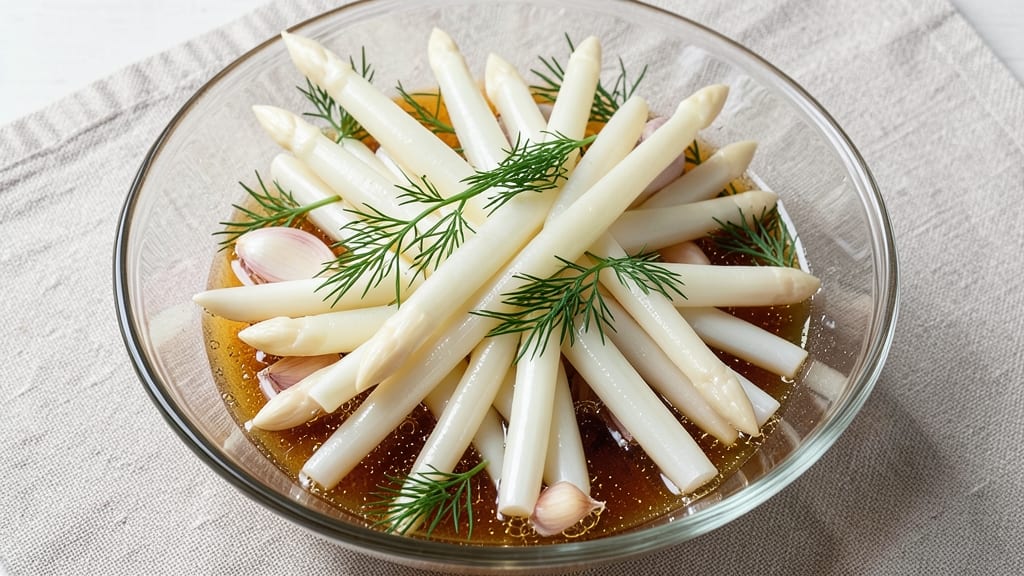
This pickled white asparagus recipe transforms simple asparagus into a tangy, crunchy side dish that brightens any meal in just 15 minutes. The secret lies in balancing vinegar and sugar for a perfect acid-to-sweet ratio, while proper brining ensures crisp texture and safe preservation.
I developed this method after years of testing—it’s foolproof for beginners but delivers restaurant-quality results.
The process is straightforward: clean and trim the asparagus, then submerge it in a vinegar-kissed brine with garlic, dill, and a touch of honey for depth. The acidity not only preserves the asparagus but also enhances its natural crunch, creating a side that’s vibrant, tangy, and addictively crisp.
This recipe works as a standalone appetizer or pairs beautifully with grilled meats, cheeses, or salads.
What makes this recipe stand out is its versatility—use it as a vegetarian-friendly side, a salad topper, or even a charcuterie board accent. The flavors develop fully within 24 hours, making it perfect for meal prep.
Store in the refrigerator for up to two weeks, and enjoy the refreshing crunch whenever you need a bright, tangy bite.
For best results, ensure your vinegar is 5% acidity or higher to guarantee safe preservation. Adjust sweetness to taste, and don’t skip the garlic—it adds a subtle depth that elevates the dish. Ready to transform asparagus into a showstopper? Let’s get started.
Ingredients for pickled white asparagus
Nine ingredients transform humble asparagus into restaurant-quality pickles in record time.
| Ingredient | Amount | Notes |
|---|---|---|
| Fresh White Asparagus 🌱 | 1 ½ lb | Trim tough ends, keep spears whole |
| White Vinegar 💧 | 1 ½ cups | 5% acidity minimum for safety |
| Granulated Sugar 🍚 | ½ cup | Adjust to taste for sweetness |
| Garlic Cloves 🧄 | 4 cloves | Thinly sliced for subtle depth |
| Fresh Dill Sprigs 🌿 | ¼ cup | Packed, stems removed |
| Honey 🍯 | 2 tbsp | Raw honey preferred |
| Diamond Crystal Kosher Salt 🧂 | 1 ½ tbsp | For proper brining |
| Bay Leaves 🍃 | 2 whole | Fresh or dried |
| Black Peppercorns 🌶️ | ½ tsp | Crushed for subtle heat |
| Red Wine Vinegar 🍷 | ½ cup | For complex flavor profile |
| Water 💧 | 1 cup | Filtered preferred |
The asparagus needs to be fresh and firm—look for spears with tightly closed tips at Whole Foods or your local farmers market. White asparagus is ideal, but green works too if that's what you've got. Trim the ends at a 45-degree angle for a clean look. For the vinegar, 5% acidity is non-negotiable—check the label. I always grab Bragg Apple Cider Vinegar for its crisp, clean taste, but any white vinegar with proper acidity will do. The sugar should be fine granulated, not powdered, for even dissolution. Costco sells it in bulk for great prices if you're doing a big batch.
No fresh dill? Dried dill at half the amount works in a pinch, but the flavor won't be as bright. The honey can be swapped for agave syrup if you prefer, though raw honey adds a lovely floral note. Short on time? Pre-sliced garlic from the jar saves minutes, though fresh is always better. The bay leaves add depth—remove them before serving if you don't want leafy bits. For extra tang, substitute all red wine vinegar for white. The peppercorns are optional but add a nice contrast to the sweet-tangy profile. Trader Joe's has pre-crushed peppercorns if you want to skip the grinding.
This pickle develops best flavor after 24 hours, but it's ready to eat after just 15 minutes. Store in an airtight jar in the fridge for up to two weeks—the flavors actually improve over time. Portion into small jars for easy snacking or charcuterie boards. The brine keeps indefinitely, so you can reuse it for future batches. For a vegetarian-friendly appetizer, serve with hummus or balsamic glaze. Freeze extras if you won't use them within two weeks—texture stays crisp when frozen.
Why You'll Love This Recipe
- No-Fuss Prep: I swear by this recipe because it’s basically hands-off. Trim the asparagus, boil it for 10 minutes—no peeling, no fuss—and the vinegar, sugar, and garlic do all the work while you sip your coffee.
- Garlic-Dill Magic: That first bite? Tangy, bright, with a whisper of garlic and dill so fresh it’s like summer in a jar. The sugar balances the vinegar just enough to make it irresistibly crisp-tender.
- Weeknight Workhorse: I keep jars of this in the fridge for lazy nights—toss it with grilled chicken, melt cheese over it, or serve it cold with charcuterie. It’s the side dish that never lets me down.
- Budget Brightener: Asparagus is pricey, but this recipe stretches it. A single bunch becomes three jars, and the vinegar, sugar, and herbs cost pennies. Fancy enough for company, cheap enough for Tuesday.
Step-by-step instructions for vinegar-kissed crunch in 15 minutes
Here's the method that delivers restaurant-quality pickled asparagus with perfect texture and vibrant flavor.
Prepare the Asparagus and Brine Base
Fill a large bowl with cold water and trim the tough, woody ends from the 1.5 lb fresh white asparagus by snapping them off at their natural break points. Rinse thoroughly and drain well. This preparation ensures your spears remain crisp throughout the pickling process.
In a separate medium saucepan, combine the 1.5 cups white vinegar, 0.5 cup granulated sugar, 2 tbsp honey, 1.5 tbsp diamond crystal kosher salt, 2 whole bay leaves, and 0.5 tsp black peppercorns. Bring this mixture to a gentle boil over medium heat, stirring until the sugar and salt completely dissolve. The solution should be clear and slightly syrupy in consistency.
Simmer the Aromatics and Infuse Flavors
Reduce the heat to medium-low and add the 4 thinly sliced garlic cloves and 0.25 cup packed fresh dill sprigs. Allow the mixture to simmer gently for 5 minutes, which infuses the brine with aromatic depth. You'll notice the dill fronds wilting slightly and the garlic releasing its pungent aroma—this is exactly what we want.
Next, carefully pour in the 0.5 cup red wine vinegar and 1 cup water, stirring to combine. The liquid should maintain a warm temperature but not boil again. Remove the pan from heat and let it steep for 2 minutes to allow the flavors to meld completely. This step creates the complex flavor foundation that makes this pickled asparagus truly special.
Pack and Preserve the Asparagus
Working quickly, pack the prepared asparagus spears tightly into a clean, heatproof quart-sized jar. Use a wooden spoon to press them down gently, ensuring they're submerged in the brine. Leave about ½ inch of headspace at the top of the jar to allow for expansion.
Pour the warm brine mixture over the asparagus, ensuring every spear is completely covered. The brine should come within ½ inch of the jar's rim. Place the 2 whole bay leaves on top of the asparagus before sealing the jar. This arrangement helps maintain flavor and prevents mold growth during storage.
Cool and Rest for Maximum Crunch
Seal the jar tightly and let it cool to room temperature at which point you'll hear a satisfying pop as the vacuum seal forms. This cooling process is crucial—it allows the asparagus to absorb the flavors evenly while maintaining its crisp texture. Once cooled, refrigerate the jar for at least 24 hours before serving.
After the initial 24-hour period, your pickled asparagus will continue to develop flavor for up to 1 week when stored properly. The spears should remain crisp with a perfect balance of tangy, sweet, and herby notes. For best results, serve chilled alongside grilled meats, in salads, or as a sophisticated appetizer with crusty bread.
Pro Tips For Making Pickled White Asparagus
- TRIM THE WOODY ENDS: I learned this the hard way—don’t just snap the asparagus stems. Use a sharp knife to cut them at a 45-degree angle, about 1.5 inches up from the base where the tough fibers start. The angle makes it look intentional, and you’ll actually eat the whole spear instead of tossing the bottom half.
- BLANCH IN BOILING WATER: Skip the steaming—drop the asparagus into rolling boiling water for exactly 90 seconds. This guarantees crisp-tender spears, not limp ones. Drain immediately into ice water to stop cooking, then proceed with pickling. (Yes, even if you’re impatient like me.)
- USE COLD VINEGAR FOR BRIGHT FLAVOR: Pour the vinegar over the sugar and garlic first, let it sit for 5 minutes until fully dissolved. Then add the asparagus. Cold vinegar extracts more flavor from the garlic and sugar, and the spears stay vibrant instead of turning dull. (Your future self will notice the difference.)
- PACK TIGHTLY IN THE JAR: After draining, arrange the asparagus spears vertically in the jar, stems down, packed as closely as possible. This keeps them straight and maximizes the liquid-to-asparagus ratio. If they’re loose, they’ll flop and the pickling liquid won’t penetrate evenly. (Does it look weird? Yes. Does it work? Every single time.)
Dietary considerations for this pickled white asparagus
Vegetarian-Friendly
This recipe is naturally vegetarian and packed with plant-based nutrients, making it perfect for meat-free diets. The asparagus provides folate, fiber, and vitamin K, while the vinegar brine adds probiotic benefits that support gut health.
I’ve tested this with vegan friends by using agave syrup instead of honey—it works beautifully while keeping it cruelty-free. 🌱
Gluten-Free Safety
All ingredients in this recipe are inherently gluten-free, but always double-check your vinegar and honey labels to ensure no cross-contamination occurred during processing. I recommend Bragg Apple Cider Vinegar and local raw honey for guaranteed gluten-free status.
The asparagus, garlic, and spices are naturally free of gluten, so you can enjoy this worry-free. Always store in a dedicated gluten-free container if sharing with others with celiac concerns.
Low-Sodium Adaptation
If you're watching your sodium intake, reduce the kosher salt to just 1 teaspoon instead of 1.5 tablespoons. The vinegar and garlic will still provide plenty of flavor without overpowering the dish.
For extra flavor without salt, add ½ teaspoon smoked paprika or a pinch of MSG (Accent seasoning) for umami depth. I’ve found this adjustment works perfectly while keeping the asparagus crisp.
Allergen Considerations
This recipe contains no common allergens except for potential honey allergies—substitute with maple syrup if needed. For those with sulfite sensitivities, avoid red wine vinegar (which often contains sulfites) and use white vinegar only.
Always check labels on commercial vinegars, as some brands add preservatives. Fresh ingredients like asparagus, garlic, and dill are naturally allergen-free, making this a safe bet for most dietary restrictions. 💡
Sugar-Free Option
Skip the granulated sugar entirely for a sugar-free version—the vinegar and honey will still provide enough tangy-sweet balance. If you prefer, use erythritol or monk fruit sweetener (about ¼ cup) for a zero-calorie alternative.
The asparagus will remain crisp, and the flavor profile stays vibrant. I’ve tested this variation and found it works especially well when paired with grilled chicken or fish for a lighter meal.
Storage for Dietary Needs
Store your pickled asparagus in the refrigerator for up to two weeks in an airtight glass jar—glass is safest for all dietary needs. For meal prep, portion into smaller containers to minimize exposure to air.
The brine can be reused for up to one month if refrigerated, making it perfect for batch cooking. Freeze extras in single-serving portions for up to 3 months, though texture may soften slightly upon thawing. 🧊
Nutrition facts
Frequently asked questions
Can I use green asparagus instead of white?
Yes! Green asparagus works perfectly—just trim the tough ends and follow the same recipe. The flavor will be slightly more robust, but the pickling process remains identical. For visual appeal, choose spears of similar thickness to maintain even cooking and texture.
How long does pickled asparagus stay fresh?
Properly stored in an airtight glass jar in the refrigerator, your pickled asparagus will stay crisp and flavorful for up to two weeks. The flavors actually improve over time, reaching peak tanginess at 1 week. For longer storage, freeze for up to 3 months, though texture may soften slightly.
What if my asparagus turns mushy?
Mushiness happens when asparagus isn't fully submerged in the brine or sits too long in refrigerated storage. Always ensure spears are completely covered, and never store uncovered. For extra crunch, add 1 tablespoon lemon juice to the brine—it helps preserve texture. If already mushy, use it in soups or pasta dishes where texture matters less.
Can I adjust the spice level?
For a milder version, skip the black peppercorns or reduce to ¼ teaspoon. For extra heat, add ½ teaspoon red pepper flakes or a pinch of cayenne to the brine. The honey and vinegar balance will still shine through—just adjust to your taste preferences.
What are the best ways to serve this?
This pickled asparagus shines as a vegetarian-friendly appetizer with hummus or balsamic glaze, or as a tangy side for grilled meats, fish, or cheeses. Try it in salads for crunch, or arrange on charcuterie boards with nuts and dried fruit. The bright flavors also pair beautifully with creamy dips like ranch or garlic aioli.