
Side Dishes
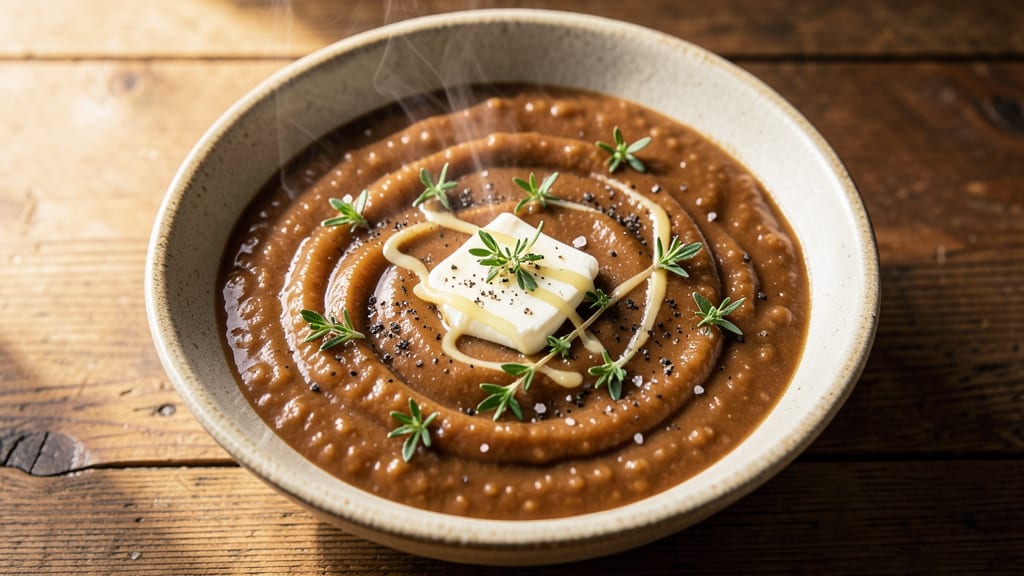
Pease porridge recipe brings hearty, creamy comfort to your table with just five simple ingredients and a single pot. This Scottish classic transforms humble split peas into a velvety, savory dish that's perfect for chilly evenings or Sunday family meals.
I first discovered it while researching traditional British recipes, and it quickly became a staple in my kitchen—especially during winter months when we crave warm, nourishing food.
The beauty of this recipe lies in its simplicity and versatility. With just split peas, water or broth, butter, salt, and a touch of pepper, you create a dish that's naturally creamy without needing heavy cream.
The peas soak overnight to soften, then simmer until tender, creating a thick, satisfying porridge that's rich in flavor and texture. For extra depth, you can add herbs like thyme or bay leaf, or even crispy bacon for a non-vegetarian twist.
What you'll end up with is a bowl of golden, velvety porridge that's creamy yet light, with a subtle earthy sweetness from the peas. The texture is smooth and comforting, while the savory notes make it hearty enough to serve as a main dish or a satisfying side.
It's the kind of food that feels like a hug in a bowl—warm, nourishing, and full of love.
Serve it alongside roasted meats, grilled fish, or even as a standalone dish with crusty bread. This recipe scales perfectly for families or small gatherings, and leftovers reheat beautifully. Here's everything you need to make it—simple, traditional, and full of comfort.
Ingredients for pease porridge
Five simple ingredients transform into velvety, comforting pease porridge perfect for cozy nights.
| Ingredient | Amount | Notes |
|---|---|---|
| Dried Split Peas 🌾 | 1 ½ cups | Green or yellow, uncooked |
| Vegetable Broth 💧 | 4 cups | Low-sodium preferred |
| Unsalted Butter 🧈 | 4 tbsp | Full-fat for richness |
| Sea Salt 🧂 | 1 ½ tsp | Adjust to taste |
| Freshly Ground Black Pepper 🌶️ | ½ tsp | Freshly cracked preferred |
| Fresh Thyme Leaves 🌿 | ¼ cup | Or 1 tsp dried thyme |
| Bay Leaves 🍃 | 1 whole | Remove before serving |
The split peas are the star here—green or yellow both work, but yellow tends to be slightly sweeter. Bob's Red Mill or Trader Joe's carry good quality dried peas, but any store's bulk bin will do. Look for peas that are plump and free of debris. I always soak mine overnight (or at least 8 hours) in plenty of cold water to soften them—this cuts cooking time dramatically. For extra depth, add a pinch of nutmeg to the soaking water if you're feeling fancy, though it's totally optional.
No thyme? Fresh parsley or rosemary works in a pinch, though thyme's earthy notes are ideal. Short on broth? Water plus 1 tsp soy sauce adds umami depth. The butter is key—don't use margarine (trust me). For a richer version, stir in 1 tbsp heavy cream at the end. If you're making this ahead, the porridge actually tastes better the next day as flavors meld. The bay leaves add subtle aroma, but remove them before serving—they're tough to chew.
This keeps for 5 days in the fridge, reheating beautifully with a splash of water or broth. Freezes well for up to 3 months—portion into containers for easy lunches. For serving, I like to top it with a pat of extra butter and a sprinkle of freshly cracked pepper. Pair with crusty bread or serve alongside roasted vegetables for a complete meal.
Why You'll Love This Recipe
- Five-Ingredient Magic: I swear by this—just dried peas, broth, butter, salt, and pepper. That’s it. No chopping, no fuss, no hunting for obscure spices. Honestly, if you can boil water, you can make this.
- Earthy & Creamy: The split peas soak up the broth until it’s thick and velvety, while the butter melts into every spoonful. Between us, that first bite of warm, savory porridge with a crack of fresh pepper? It’s the kind of simple food that makes you pause mid-day.
- Meal Prep MVP: Make a big batch on Sunday, and you’ve got breakfast, lunch, or a cozy dinner covered all week. I keep mine in the fridge for up to five days—just reheat with a splash of water, and it’s even better the second time around.
- Budget Warmth: A pound of dried peas feeds four for under five bucks. That’s real food, not a gimmick. Plus, it’s one of those dishes that tastes better the next day, so you’re not scrambling to eat leftovers before they go bad.
Step-by-step instructions for creamy, savory split pea comfort
This simple method delivers velvety, hearty pease porridge that tastes like a warm hug in a bowl.
Soak the Split Peas for Even Cooking
Place the 1.5 cups dried split peas in a large bowl and cover them with cold water by about 2 inches. Let them soak for at least 4 hours or overnight in the refrigerator. This step is crucial—it shortens cooking time and prevents the porridge from becoming gummy. I've found that soaking also helps create that signature creamy texture we're after.
After soaking, drain the peas thoroughly and give them a quick rinse under cold water. This removes any excess starch that could make your porridge too thick. The drained peas should feel soft when squeezed between your fingers, but still hold their shape—this is your signal they're ready for cooking.
Sauté the Butter and Aromatics
In a large, heavy-bottomed pot, melt the 4 tablespoons unsalted butter over medium heat. Once the butter has completely melted and is foaming gently, add the 0.25 cup fresh thyme leaves and the 1 whole bay leaf. Let them cook for about 1 minute until the thyme leaves become fragrant and the butter develops a golden hue.
Here's where the magic starts: the butter should smell nutty and rich, not burnt. If it starts to brown too quickly, reduce the heat slightly. The thyme will release its earthy aroma, while the bay leaf adds subtle depth—both essential for that comforting flavor profile we're building.
Simmer the Peas in Broth
Add the drained split peas to the pot and stir to coat them in the buttery aromatics. Pour in the 4 cups vegetable broth, making sure all the peas are submerged. Bring the mixture to a gentle boil over medium-high heat, then immediately reduce the heat to low. The porridge should simmer steadily—not roll over or bubble vigorously.
Cover the pot with a tight-fitting lid and let the peas cook for about 1 hour. You'll know it's ready when the peas are tender but still hold their shape when pressed between your fingers. The liquid should have reduced slightly, creating a thick, creamy consistency. If it's still too thin after 1 hour, continue simmering uncovered for another 10-15 minutes, stirring occasionally.
Season and Finish to Perfection
Once the peas are tender, remove the bay leaf and discard it. Stir in the 1.5 teaspoons sea salt and 0.5 teaspoon freshly ground black pepper. Taste the porridge and adjust the seasoning if needed—this is where you can really make it your own. The salt should enhance the natural sweetness of the peas, while the pepper adds a subtle kick that balances the richness of the butter.
For that final touch of creaminess, use an immersion blender to blend about half of the porridge until smooth. This creates a luxurious texture without making the dish too thick. If you don't have an immersion blender, transfer half the porridge to a regular blender, blend until smooth, then stir it back into the pot. The result should be a velvety, comforting porridge with pockets of texture from the unblended peas.
Serve Warm with Crusty Bread
Let the pease porridge sit off the heat for 5 minutes to allow the flavors to meld together. Serve it immediately in warm bowls, garnished with additional fresh thyme leaves if desired. The porridge should be thick enough to coat the back of a spoon but still easy to ladle, with a creamy consistency that feels indulgent yet wholesome.
This dish tastes even better the next day, as the flavors continue to develop. Store any leftovers in an airtight container in the refrigerator for up to 3 days, or freeze for up to 3 months. When reheating, add a splash of water or broth to restore the creamy texture. Pair it with crusty bread to soak up every last bit of that rich, savory goodness.
Pro Tips For Making Pease Porridge
- SOAK THE PEAS FIRST: I learned this the hard way—skipping the soak means your porridge will taste mealy and take forever to soften. Toss 1 cup dried split peas in 4 cups cold water for at least 2 hours (overnight is best). Drain before cooking to shave 30+ minutes off your total time.
- SIMMER, DON’T BOIL: After the initial 10-minute boil to wake up the peas, drop the heat to a gentle simmer—just small bubbles breaking the surface. Too much aggression turns the broth cloudy and splits the peas into mush. Cover the pot and let them work their magic low and slow.
- SALT THE BROTH HALFWAY: Add half the sea salt with the broth, then the rest after 45 minutes of cooking. This keeps the peas from absorbing too much salt too fast, which can make them tough. (Yes, even if you’re impatient like me—wait for it.)
- STIR IN BUTTER AT THE END: The butter’s job isn’t to cook—it’s to coat. Once the peas are creamy and the broth’s reduced to your desired thickness, take the pot off the heat and fold in the butter. This keeps it from burning and makes every bite richer. (No, you can’t taste the difference if you add it early—I tried.)
Make-ahead tips for leftovers
Overnight Prep
The key to stress-free pease porridge starts the night before. Place 1.5 cups dried split peas in a bowl and cover with cold water by 2 inches. I always use a quart-size mason jar for this—it's perfect for soaking and fits neatly in the fridge.
Let it sit overnight (or at least 8 hours) in the refrigerator. This step reduces cooking time by nearly half and ensures your porridge turns out creamy rather than gummy. 🌾
Broth Swap Options
You can customize your porridge's depth by swapping broths. For a classic version, use 4 cups vegetable broth. For extra richness, I sometimes use half vegetable broth and half chicken broth—the umami from the chicken elevates the dish.
If you're vegetarian or vegan, mushroom broth works beautifully. Always opt for low-sodium broths to control the final seasoning.
Batch Cooking
Double the recipe and freeze half for future meals. Portion the cooked porridge into 2-cup airtight containers (like Glasslock containers) and store in the freezer for up to 3 months.
When ready to eat, thaw overnight in the fridge, then reheat on the stovetop with 2 tablespoons water or broth per container. This method saves time on busy weeknights—I often make a big batch on Sundays for lunches all week.
Flavor Boost Add-Ins
Add flavor enhancers while the porridge simmers. Stir in 1 teaspoon soy sauce for umami, ½ teaspoon smoked paprika for depth, or 1 minced garlic clove for a savory kick.
For a modern twist, I sometimes add 1 tablespoon nutritional yeast at the end—it adds a cheesy, nutty flavor that pairs perfectly with the creamy texture. These additions work beautifully when prepped ahead.
Reheating Secrets
Reheating properly is crucial for maintaining texture. On the stovetop, warm the porridge over low heat for 5-7 minutes, stirring occasionally. If it thickens too much, add 1-2 tablespoons water or broth to restore creaminess.
For microwave reheating, cover with a damp paper towel and heat in 1-minute intervals until steaming hot. The microwave method is faster but can make the porridge slightly grainier—stovetop reheating always gives better results. ✨
Make-Ahead Serving
When serving make-ahead porridge, garnish with fresh herbs or a pat of butter right before eating. I love adding crispy fried shallots or toasted breadcrumbs for texture contrast. For a restaurant-style presentation, drizzle with truffle oil or top with crumbled feta cheese.
These finishing touches elevate the dish and make it feel special, even when reheated.
Nutrition facts
Frequently asked questions about pease porridge
Why do I need to soak the split peas overnight?
Soaking helps break down the tough outer skins, reducing cooking time by 30-40 minutes and preventing a gummy texture. The peas absorb water and soften, creating that signature creamy consistency we want. Plus, it's a great way to prep ahead for busy weeknights!
Can I make this recipe without butter?
Yes! For a dairy-free version, replace the butter with 4 tablespoons olive oil or vegetable oil. The porridge will still be flavorful, though the texture will be slightly lighter. Add a splash of lemon juice at the end for brightness if desired.
How do I fix pease porridge that's too thick?
Simply stir in 2-3 tablespoons water or broth while reheating. If it's still too thick, blend half the porridge until smooth, then stir it back in. For prevention, simmer uncovered for the last 5 minutes of cooking to reduce liquid gradually.
What's the best way to serve this as a main dish?
Top with crispy fried shallots, a dollop of sour cream, and fresh dill for a restaurant-style presentation. Serve with crusty bread or alongside grilled salmon. The creamy texture makes it satisfying enough to stand alone for lunch or dinner.
Can I use canned peas instead of dried?
Not recommended! Canned peas are too soft and will turn mushy. Dried split peas develop that perfect creamy texture through slow cooking. If you're short on time, you could use 1 cup cooked dried peas (from a separate pot) blended into the porridge for thickness.