
Main Courses
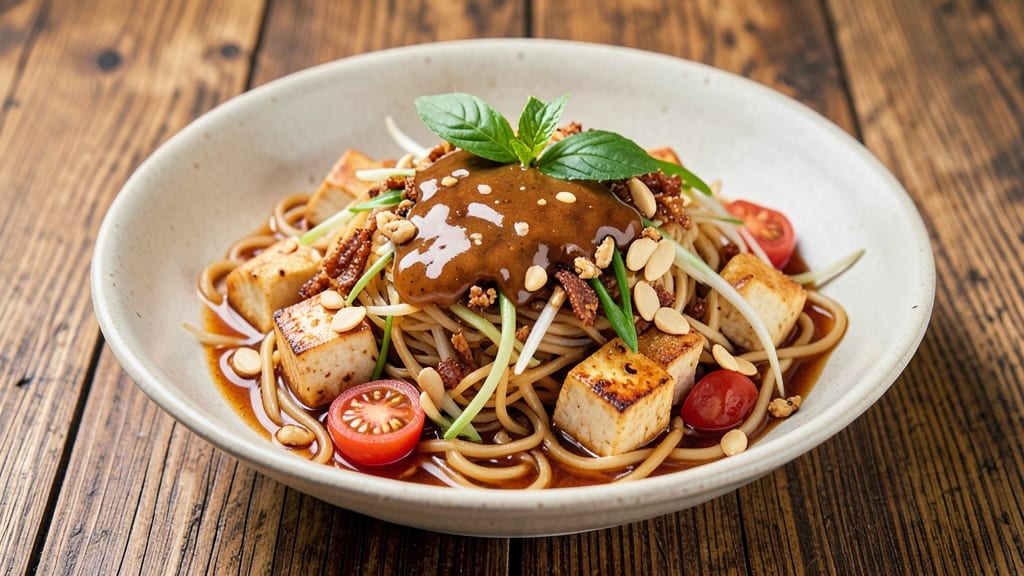
This Pad Thai recipe delivers the perfect balance of wok-tossed noodles, tangy tamarind sauce, and rich peanut butter zing—just like your favorite Thai street stall. The secret lies in high-heat stir-frying and precise timing to achieve that signature chewy-yet-tender texture in every strand.
I developed this version after years of testing, ensuring it stays true to traditional flavors while offering flexibility for vegetarian adaptations with tofu or eggs.
What sets this recipe apart is the homemade tamarind sauce, which provides that authentic sour-sweet kick without the need for store-bought substitutes. The wok technique isn’t just about speed—it’s about creating a smoky aroma and caramelized edges on the shrimp or tofu.
For vegetarians, the tofu absorbs the sauce beautifully, becoming crispy on the outside while staying tender inside.
By the time you finish tossing everything together, you’ll have a dish that’s vibrant, aromatic, and packed with contrasting textures—crispy edges on the noodles, creamy peanut butter sauce, and fresh bean sprouts for crunch.
The sauce clings to every noodle, delivering that perfect balance of sweet, sour, and umami in every bite.
Serve it immediately for the best experience, garnished with crushed peanuts and lime wedges. This recipe is designed to be adaptable—swap shrimp for chicken, use firm tofu for vegetarians, or adjust the spice level to your preference. Let’s get cooking!
Ingredients for padthai
Wok-tossed noodles, tangy tamarind sauce, and creamy peanut butter—this Pad Thai is a flavor explosion in every bite!
| Ingredient | Amount | Notes |
|---|---|---|
| Rice Noodles (Pad Thai Noodles) 🍜 | 12 oz | Flat, medium-width, dried |
| Extra-Firm Tofu 🥜 | 14 oz | Pressed, cubed for crispiness |
| Natural Peanut Butter 🥜 | ½ cup | Creamy, unsweetened, no additives |
| Tamarind Paste 🍋 | ¼ cup | 100% pure, no sugar added |
| Fish Sauce Substitute (Vegetarian) 🥢 | 2 tbsp | Soy sauce or coconut aminos |
| Palm Sugar or Brown Sugar 🍯 | ¼ cup | Lightly packed, for balance |
| Lime Juice 🍋 | ½ cup | Freshly squeezed, seeds removed |
| Fresh Bean Sprouts 🌱 | 3 cups | Crunchy, rinsed well |
| Red Bell Pepper 🌶️ | 1 whole | Thinly sliced, seeds removed |
| Garlic Cloves 🧄 | 6 cloves | Minced, aromatic |
| Green Onions 🧅 | 4 whole | Thinly sliced, white parts trimmed |
| Vegetable Oil 🫒 | ½ cup | High smoke point, neutral flavor |
| Diamond Crystal Kosher Salt 🧂 | 1 ½ tsp | Fine grain, for seasoning |
| Sriracha or Chili Garlic Sauce 🌶️ | 1 tbsp | Adjust for spice preference |
| Crushed Peanuts 🥜 | ¼ cup | Toasted, for garnish |
The tamarind paste is your secret weapon—Thai Kitchen or Mae Ploy brands are my go-tos, but any 100% pure version works. Palm sugar adds that authentic caramel depth, but light brown sugar is a solid swap if you can't find it. Look for extra-firm tofu with minimal water content—it crisps up beautifully. The bean sprouts should be vibrant and crisp; if they're wilted, soak them in ice water for 10 minutes to revive. Garlic and green onions are non-negotiable for that aromatic punch—don't skip the mincing, it makes all the difference.
No tamarind? Lime juice plus a splash of date syrup gets you close, though it won't be identical. Swapping peanut butter for almond butter? Use the same amount, but add a pinch of salt to balance. The fish sauce substitute is crucial—soy sauce or coconut aminos work, but reduce the amount slightly since they're less salty. For extra protein, toss in edamame or scrambled eggs. And if you're feeling adventurous, a dash of Thai chili crisp at the end adds that smoky, spicy kick that street Pad Thai craves.
Prep the tofu and sauce ahead—they keep beautifully. Store the sauce in a jar in the fridge for up to 5 days, and the tofu can be marinated overnight for maximum flavor. The noodles are best fresh, but if you're prepping ahead, soak them in cold water with a splash of lime juice to keep them pliable. Garnish with crushed peanuts and lime wedges right before serving—this dish is all about that fresh, vibrant finish. Leftovers reheat well, but the texture won't be quite as crispy as fresh.
Why You'll Love This Recipe
- One-Pan Magic: I swear by this—no chopping boards, no extra pots. Toss the tofu, noodles, and veggies straight into the wok, and let the tamarind and peanut butter sauce do the work. Ten minutes later, you’ve got a sizzling, fragrant dish with one spatula to wash.
- Tamarind-Peanut Bliss: That tangy-sweet balance? Chef’s kiss. The tamarind paste cuts through the richness of the peanut butter, while the fish sauce substitute (vegetarian or not) adds this deep, umami punch. It’s the kind of flavor that makes you pause mid-bite—honestly, I’ve caught myself staring at my plate.
- Lunchbox Hero: Between us, this is my go-to for meal prep. The noodles hold up surprisingly well, and the sauce clings to everything like it’s glued on. Pack it cold or reheat it—either way, it’s a hit with my kids (yes, even the picky one). Bonus: the tofu stays crispy, so no sad, soggy leftovers.
- Budget-Friendly Staple: Natural peanut butter, tamarind paste, and extra-firm tofu? Those are my wallet’s best friends. A single batch feeds four for under $8, and the ingredients last for weeks. I’ll be real: I’ve made this three times in a row just to avoid takeout. Solid move.
Step-by-step instructions for Pad Thai recipe: wok-tossed noodles with peanut butter zing
Here's how to create restaurant-quality Pad Thai with perfect texture and bold flavors every time.
🍳 Step 1: Prepare and Soak the Rice Noodles
Rinse the 12 oz rice noodles under cold water to remove excess starch, then soak them in a large bowl of warm water for 20-30 minutes until pliable but still slightly firm. They should be flexible enough to bend without breaking—this ensures they'll hold their shape when tossed. Drain and set aside, reserving 1 cup of the soaking water for later use.
Here's the thing—over-soaking makes noodles mushy, while under-soaking creates chewy strands. You want them tender but still with a slight bite. Test one noodle by biting into it—it should yield slightly but not feel limp. This preparation step is absolutely critical for achieving that perfect wok-tossed texture.
🍳 Step 2: Create the Signature Pad Thai Sauce
In a medium bowl, whisk together the 0.5 cup natural peanut butter, 0.25 cup tamarind paste, 2 tbsp fish sauce substitute, and 0.25 cup palm sugar until completely smooth. The mixture should be thick and well-combined—no lumps allowed. Add the 0.5 cup lime juice and whisk again, tasting as you go to balance the sweet, sour, and salty flavors. You'll likely need to adjust slightly—this is where the magic happens.
This sauce is what transforms ordinary noodles into something extraordinary. The peanut butter adds richness, tamarind provides that signature tangy depth, and the sugar balances the acidity. I always taste at this stage because everyone's palate is different. Keep whisking until it reaches a consistency between thick syrup and thin batter—it should coat the back of a spoon but still flow freely.
🍳 Step 3: Cook the Tofu and Prepare Vegetables
Heat 0.25 cup vegetable oil in a wok or large skillet over medium-high heat until shimmering. Add the 14 oz extra-firm tofu (cut into 1-inch cubes) and cook for 8-10 minutes, stirring occasionally, until golden brown and crispy on all sides. Remove and set aside on a paper towel-lined plate.
In the same pan, add the 6 cloves minced garlic and cook for 30 seconds until fragrant. Add the 1 whole red bell pepper (thinly sliced) and cook for 3-4 minutes until just tender. Toss in the 3 cups fresh bean sprouts and cook for another 1 minute. Finally, add the 4 whole green onions (thinly sliced) and stir for 30 seconds. Remove from heat and set aside with the tofu.
🍳 Step 4: Wok-Toss the Noodles
Return the wok to medium-high heat and add the remaining 0.25 cup vegetable oil. Add the drained rice noodles and toss vigorously for 2-3 minutes until they begin to soften and take on a slight sheen. This is where the real action happens—keep moving them constantly to prevent sticking.
Pour the prepared sauce over the noodles and toss everything together for 1-2 minutes until the noodles are fully coated and heated through. Add the cooked tofu and vegetables back to the wok, along with the 1 tbsp sriracha or chili garlic sauce. Toss for another 30 seconds to combine all the flavors. If the mixture seems too dry, add 2-3 tablespoons of the reserved noodle soaking water to create a glossy, saucy consistency.
🍽️ Step 5: Finish and Serve with Crushed Peanuts
Remove the wok from heat and sprinkle with the 1.5 tsp diamond crystal kosher salt. Taste and adjust seasoning—you want a perfect balance of sweet, sour, salty, and spicy. The dish should be vibrant and complex, with each component shining through. Transfer to serving plates and garnish immediately with the 0.25 cup crushed peanuts.
Serve this Pad Thai immediately while still hot and sizzling. The crushed peanuts add a delightful crunch that contrasts beautifully with the tender noodles and crispy tofu. Each bite should deliver a symphony of textures and flavors—creamy peanut sauce, chewy noodles, crispy tofu, fresh vegetables, and that perfect balance of sweet, sour, and spicy. Don't forget to serve with lime wedges on the side for those who want extra tang!
Pro Tips For Making Padthai
- Soak Noodles Right: Pad Thai noodles need a 20-30 minute soak in warm water—not boiling—before draining. I used to skip this, and they’d turn mushy or stay rock-hard. The soak makes them pliable and ready to absorb flavors without falling apart when tossed.
- Press Tofu Hard: Wrap extra-firm tofu in a towel, place a heavy pan on top for 10 minutes, then slice. This removes excess water and gives you that crispy, chewy texture that holds up in the stir-fry. No pressing? Your tofu will steam instead of sear.
- Balance the Tamarind: Tamarind paste is sour—way sourer than you’d guess. Start with 1 tablespoon, taste, then adjust with a pinch of sugar or a splash of fish sauce substitute. I’ve ruined batches by overdoing it; the sauce should taste sharp but not pucker your lips.
- Peanut Butter First: Whisk natural peanut butter into your sauce before adding it to the wok. The heat will emulsify it instantly, giving you that silky, glossy coating instead of lumpy peanut bits. Cold peanut butter + hot oil = disaster.
Best sauces and condiments for this recipe
Peanut Butter Sauce
This is the heart of your Pad Thai—creamy peanut butter provides the rich, nutty base that balances the tangy tamarind. I recommend natural, unsweetened peanut butter like Smucker's Natural or 365 by Whole Foods for the cleanest flavor.
For a smoother texture, whisk it with 2 tbsp hot water first to eliminate any graininess before combining with the tamarind mixture. 🥜
Pro tip: If you prefer a thinner sauce, add 1-2 tbsp of warm water while whisking. The sauce should coat the noodles beautifully without being overly thick.
For extra authenticity, stir in 1 tsp of toasted sesame oil at the end for a nutty aroma that elevates the dish to restaurant-quality levels.
Tamarind Base
The tamarind paste is non-negotiable for that signature sour-sweet flavor. Brands like Thai Kitchen or Mae Ploy are my go-tos, but any 100% pure tamarind paste works. If you can't find tamarind, mix 3 tbsp lime juice with 1 tbsp date syrup as a substitute—though it won't be identical.
For a deeper flavor, simmer the tamarind with 1 cup water and 1 tbsp palm sugar for 5 minutes to create a concentrated sauce. 🍋
Balance is key here. Start with the full 0.25 cup of tamarind paste, then adjust the palm sugar and lime juice to taste. The sauce should taste tangy with a hint of sweetness—like biting into a ripe mango with a squeeze of lime.
If it's too sour, add a pinch more sugar; if it's too sweet, squeeze in more lime.
Umami Boosters
For that authentic Thai umami depth, use fish sauce if you're not vegetarian. For a plant-based version, soy sauce or coconut aminos work well—just reduce the amount slightly since they're less salty.
I like San-J Tamari for its rich, savory profile. Add 1 tsp of miso paste to the sauce for an extra layer of complexity that pairs beautifully with the peanut butter. 🥢
Don't overlook the garlic and chili. The 6 cloves of minced garlic should be cooked until fragrant but not browned—this prevents bitterness. For heat, Sriracha or Thai chili garlic sauce adds a bright, spicy kick.
If you want smokiness, stir in ½ tsp of smoked paprika or a dash of Thai chili crisp at the end.
Finishing Touches
Crushed peanuts are a must—they add crunch and protein while complementing the creamy sauce. Toast ½ cup of peanuts in a dry skillet over medium heat for 3-4 minutes until golden and fragrant, then crush them with a rolling pin or mortar and pestle.
For extra flavor, toss the peanuts with ½ tsp of salt and ¼ tsp of smoked paprika before crushing. 🥜
Fresh lime wedges and green onions are essential garnishes. The lime brightens each bite, while the green onions add a fresh, grassy note. For a pop of color, sprinkle with thinly sliced red chili or cilantro.
Serve immediately while everything is hot and sizzling—this dish is all about that vibrant, restaurant-style presentation.
Nutrition facts
Frequently asked questions
Can I make Pad Thai without tamarind paste?
Yes, but the flavor won't be identical. Mix 3 tbsp lime juice with 1 tbsp date syrup or agave for a close substitute. For deeper flavor, simmer 1 cup water with 1 tbsp palm sugar and 2 tbsp lime juice for 5 minutes to create a concentrated base. The sauce will be less tangy but still delicious!
How do I get the noodles perfectly chewy and not mushy?
Soak the rice noodles in warm water for exactly 20-30 minutes until pliable but still slightly firm. They should bend without breaking—this ensures they hold their shape when tossed. Drain well and toss immediately in a hot wok with oil before adding sauce. Over-soaking is the #1 cause of mushy noodles!
Can I use regular peanut butter instead of natural?
Natural, unsweetened peanut butter works best for authentic flavor. If using regular peanut butter, reduce the sugar in the sauce by 1 tbsp since it often contains added sugar. Whisk with 2 tbsp hot water first to eliminate graininess for a smoother sauce.
What's the best way to make vegetarian Pad Thai?
Use extra-firm tofu pressed for 30 minutes and cubed into 1-inch pieces. Marinate in 1 tbsp soy sauce and 1 tsp cornstarch for 15 minutes before cooking. For extra protein, add scrambled eggs or edamame. The tofu absorbs the sauce beautifully when cooked crispy!
Why does my Pad Thai sauce separate?
This happens when the peanut butter isn't fully emulsified. Whisk it with 2 tbsp hot water first to create a smooth base before combining with other ingredients. For extra insurance, stir in 1 tsp sesame oil at the end—it helps bind the sauce and adds nutty depth.