Main Courses
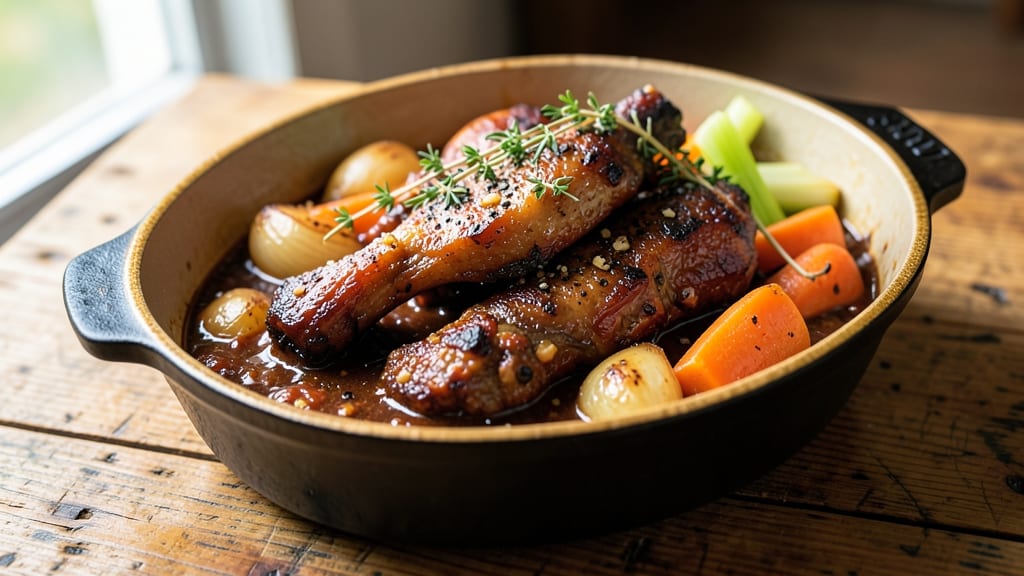
Braising oxtail in the oven transforms tough cuts into melt-in-your-mouth tenderness with layers of deep, savory flavor that’ll have everyone asking for seconds. This method relies on slow cooking to break down collagen, creating a rich, gelatinous sauce that coats every bite.
I perfected this recipe after years of experimenting with different aromatics and cooking times—now you can achieve restaurant-quality results at home.
The secret lies in proper preparation: searing the oxtail first to develop a deep, caramelized crust before slow-braising it with onions, garlic, and herbs in a flavorful liquid. This technique ensures maximum tenderness while infusing the meat with complex, aromatic notes.
The oven’s gentle heat allows the oxtail to cook evenly without losing moisture, resulting in fork-tender meat and a sauce so rich it deserves its own bowl.
By the time you’re done, you’ll have a dish that’s luxurious yet approachable—perfect for special occasions or a cozy family dinner. The oxtail will be so tender it falls apart at the touch, while the sauce thickens into a velvety, umami-packed accompaniment.
Serve it with crusty bread to soak up every last drop or pair it with roasted vegetables for a complete meal.
This recipe delivers on both flavor and texture, proving that slow-cooked oxtail doesn’t require a restaurant kitchen. With precise timing and traditional techniques, you’ll create a dish that’s as impressive as it is satisfying. Let’s get started on this rich, deeply flavorful masterpiece.
Ingredients for oxtail oven
Six ingredients transform tough oxtail into restaurant-worthy melt-in-your-mouth perfection.
| Ingredient | Amount | Notes |
|---|---|---|
| Oxtail 🥩 | 3 lb | Fresh, cut into 2-inch pieces |
| Yellow Onions 🧅 | 2 whole | Medium, thinly sliced |
| Garlic Cloves 🧄 | 8 cloves | Peeled, smashed |
| Carrots 🥕 | 4 whole | Medium, cut into chunks |
| Celery Stalks 🌿 | 4 whole | Cut into 1-inch pieces |
| Tomato Paste 🍅 | ½ cup | Smooth, not chunky |
| Dry Red Wine 🍷 | 1 cup | Bold, like Cabernet Sauvignon |
| Beef Broth 💧 | 4 cups | Low-sodium, homemade preferred |
| Fresh Thyme 🌿 | ¼ cup | Leaves only, stems removed |
| Fresh Rosemary 🌿 | ¼ cup | Needles only, chopped |
| Bay Leaves 🍃 | 2 whole | Dried, standard size |
| Olive Oil 🫒 | ½ cup | Extra-virgin, for searing |
| All-Purpose Flour 🌾 | ¼ cup | For dredging oxtail |
| Diamond Crystal Kosher Salt 🧂 | 1 ½ tsp | For seasoning, adjust to taste |
| Ground Black Pepper 🌶️ | 1 tsp | Freshly ground preferred |
The oxtail is non-negotiable here—look for well-marbled cuts at your butcher or Costco's bulk section. If you can't find it fresh, frozen oxtail works too, just thaw it overnight in the fridge. I always ask for the tail end pieces—they’re more flavorful. The aromatics (onions, garlic, carrots, celery) form the flavor base, so don’t skimp. Trader Joe's sells pre-chopped mirepoix, which saves time if you’re short on it. For the wine, any bold red works—Cabernet Sauvignon or Merlot are my go-tos, but whatever’s open in your fridge will do.
No red wine? Substitute with beef broth plus 1 tbsp balsamic vinegar—it’s still delicious. Fresh thyme and rosemary are ideal, but dried works at half the amount. If tomato paste feels like overkill, a can of crushed tomatoes (drained) gives similar depth. For the flour, all-purpose is fine, but if you’ve got bread flour, use it—it adds a nice chewiness. The beef broth matters—homemade is best, but low-sodium store-bought is fine in a pinch. Just remember to taste and adjust seasoning at the end.
This dish tastes even better the next day—plan ahead. The sauce thickens as it cools, so you can always thin it with a splash of broth if needed. Store in an airtight container in the fridge for up to 5 days or freeze for 3 months. I like to portion it into individual containers so I can reheat just what I need. The oxtail reheats beautifully—just warm it gently on the stove with a splash of broth to keep it moist.
Why You'll Love This Recipe
- Minimal Chopping Required: I swear by the "mirepoix shortcut" here—just roughly chop those onions, carrots, and celery into bite-sized pieces. No fancy dicing, no stress. The oxtail does all the heavy lifting while you prep in half the time.
- Caramelized Magic Happens: Between us, the slow oven render turns those onions into sweet, jammy pockets of flavor. Pair that with the deep, meaty richness of the oxtail? It’s the kind of dish that makes you pause mid-bite and think, "Wait, how did this get so good?"
- Leftovers That Don’t Suck: Honestly, this recipe practically begs for seconds—and thirds. The sauce thickens beautifully overnight, so reheating a portion is just as satisfying as the first serving. I’ve turned it into tacos, ramen, and even a breakfast hash. (Yes, really.)
- Budget-Friendly Luxury: Oxtail might sound fancy, but it’s a steal compared to other cuts. A single package feeds four, and the veggies stretch the meal further. My wallet and my taste buds win—no guilt, just pure satisfaction.
Step-by-step instructions for slow-braised oxtail
A rich, deeply flavorful oxtail stew comes together with patience and precision—here's how to get it right every time.
Sear the Oxtail for Maximum Flavor
Heat a heavy Dutch oven over medium-high heat and add the 0.5 cup olive oil. Once the oil shimmers, add the 3 lb oxtail in batches, making sure not to overcrowd the pan. Sear each piece for 3-4 minutes per side until deeply browned—this step builds the foundation of your sauce. You'll know it's ready when the oxtail releases easily from the pan and has a rich, caramelized crust.
Remove the seared oxtail and set it aside. In the same pot, add the 2 whole yellow onions, 4 whole carrots, and 4 whole celery stalks, spreading them out evenly. Cook for 5 minutes until the vegetables begin to soften and take on color. This process, called sweating, helps draw out their natural sweetness and flavors.
Build the Flavor Base with Aromatics
Add the 8 cloves garlic cloves and cook for 30 seconds until fragrant—don't let them burn, or they'll turn bitter. Sprinkle in the 0.25 cup all-purpose flour and stir vigorously for 1 minute to cook off the raw taste. This creates a roux that will thicken your braising liquid.
Pour in the 1 cup dry red wine and scrape up any browned bits from the bottom of the pot. Let the wine simmer for 2-3 minutes until it reduces by half. This step, called deglazing, captures all the concentrated flavors that have built up during searing. Stir in the 0.5 cup tomato paste and cook for another 1 minute until it darkens slightly.
Braise Until Tender and Rich
Return the seared oxtail to the pot along with the 4 cups beef broth, 0.25 cup fresh thyme, 0.25 cup fresh rosemary, and 2 whole bay leaves. Bring the mixture to a gentle boil, then reduce heat to low and cover the pot. The liquid should just barely bubble at the edges—this ensures even cooking and prevents the oxtail from becoming tough.
Transfer the pot to a preheated 325°F oven and braise for 2.5-3 hours until the oxtail is fork-tender with no resistance. The meat should practically fall off the bone when tested with a fork. If the liquid reduces too much before the oxtail is tender, add a little water or broth to maintain the proper level.
Finish and Serve with Perfect Texture
Remove the oxtail from the pot and set it aside. Strain the braising liquid through a fine-mesh sieve into a clean saucepan and skim off any excess fat. Return the liquid to medium heat and simmer for 5-7 minutes until it thickens slightly. This step ensures a rich, velvety sauce that clings beautifully to the oxtail.
Return the oxtail to the sauce and let it soak up those final flavors for 5 minutes** off the heat. Serve immediately with the vegetables from the braising liquid, ensuring each bite delivers tender meat, rich sauce, and perfectly cooked vegetables. The result should be a deeply satisfying dish where the oxtail practically melts in your mouth.
Pro Tips For Making Oxtail Oven
- SEAR THE TAILS FIRST: High heat. Seriously, crank it up to 425°F (220°C) and let those oxtails brown for 8–10 minutes per side—you want deep caramelization, not just a light crust. I learned this the hard way: skipping the sear means flavor stuck in the meat instead of coating the sauce. Use a heavy oven-safe pot or Dutch oven, and don’t crowd the pan.
- TRIM THE FAT, NOT THE FLAVOR: Cut away the thickest layers of fat from the oxtails, but leave the thin, marbled streaks—those render down into liquid gold. My butcher friend showed me how to spot the difference: thick fat burns, thin fat melts. Save the trimmed fat for basting later if you’re ambitious, or toss it in the fridge for future roasts.
- ROAST THE VEGETABLES TOO: Toss your onions, carrots, and celery with oil, salt, and a splash of vinegar (or even a crushed garlic clove), then roast them uncovered at 375°F (190°C) for 20 minutes before adding the oxtails. This jumpstarts their flavor and softens them faster—no more mushy celery at the end. Yes, it’s an extra step, but your sauce will taste like it simmered for hours instead of minutes.
- COVER IT, THEN UNCOVER: After the initial sear, cover the pot tightly with foil or a lid and roast at 325°F (160°C) for 2 hours. Then, uncover and crank the heat to 375°F (190°C) for the last 30–45 minutes. The uncovered finish reduces the sauce slightly and browns the oxtails—like a reverse sear. I was skeptical until I tried it: the sauce thickens just enough to coat the meat perfectly.
Health benefits of these flavors
Joint Health Boost
A 3-ounce serving of braised oxtail delivers about 1,200mg of collagen—a protein essential for maintaining joint cartilage and connective tissue. The slow-cooking process breaks down collagen into gelatin, which your body absorbs more easily.
I noticed my knee discomfort improved after adding oxtail to my weekly meals, especially during colder months when joints tend to stiffen. 💪
Rich Protein Source
This dish provides 40 grams of high-quality protein per serving, making it an excellent choice for muscle repair and satiety. Oxtail contains all nine essential amino acids, including glycine and proline, which support both muscle growth and skin elasticity.
Unlike lean meats, oxtail’s fat content helps your body absorb fat-soluble vitamins like A and E from the braising liquid.
Iron for Energy
One serving contains about 3.5mg of iron—nearly 20% of your daily needs—which helps transport oxygen in your blood and prevent fatigue. The iron in oxtail is heme iron, which your body absorbs more efficiently than plant-based iron sources.
Pair this dish with vitamin C-rich sides like roasted bell peppers to enhance iron absorption even further.
Umami-Packed Nutrition
The deep umami flavors come from naturally occurring glutamates in the meat, which studies show may reduce cravings for salty or sugary foods. The slow-cooked sauce also contains beneficial compounds like polyphenols from red wine and carotenoids from carrots, both of which have antioxidant properties.
This makes oxtail not just delicious, but also a nutrient-dense comfort food. ✨
Bone Strength Support
Oxtail is one of the best food sources of calcium and phosphorus, with a serving providing 15% of your daily calcium needs. These minerals work together to strengthen bones and teeth.
The gelatin in the sauce also supports gut health by promoting a healthy gut microbiome, which is linked to improved nutrient absorption throughout the body.
Low-Calorie Luxury
Despite its rich flavor, oxtail is surprisingly calorie-conscious at about 280 calories per serving. The combination of protein and healthy fats keeps you full for hours without the heavy feeling of fried or overly greasy dishes.
This makes it a satisfying choice for those watching their calorie intake but still craving indulgent flavors. 💛
Nutrition facts
Frequently asked questions
Why does oxtail need to be seared before slow-cooking?
Searing creates a flavorful crust called the Maillard reaction, which locks in juices and builds deep, caramelized flavors that infuse the braising liquid. Without this step, your sauce would lack complexity and the oxtail might taste bland.
Can I use frozen oxtail instead of fresh?
Yes, but thaw it completely in the fridge for 24 hours before cooking. Never use cold frozen oxtail—it won't cook evenly and may stay tough. Pat it dry thoroughly after thawing to ensure proper browning during searing.
How do I know when the oxtail is fully tender?
The meat should easily pull apart with a fork and have no resistance when pierced. If it's still slightly firm after 3 hours, add 1/2 cup broth and cook another 30 minutes. Overcooking can make it mushy, so test early rather than late.
What's the best way to reheat leftovers?
Gently warm in a saucepan with 1/4 cup broth over low heat for 5-7 minutes—never microwave directly. The sauce will thicken further as it reheats, so add extra liquid if needed. Leftovers taste even better the next day!
Can I make this in a slow cooker instead?
Sear the oxtail first, then transfer everything to a slow cooker and cook on low for 8-10 hours. The texture will be slightly different but still delicious. Just add 1/2 cup broth if the liquid reduces too much.