Breakfast & Brunch
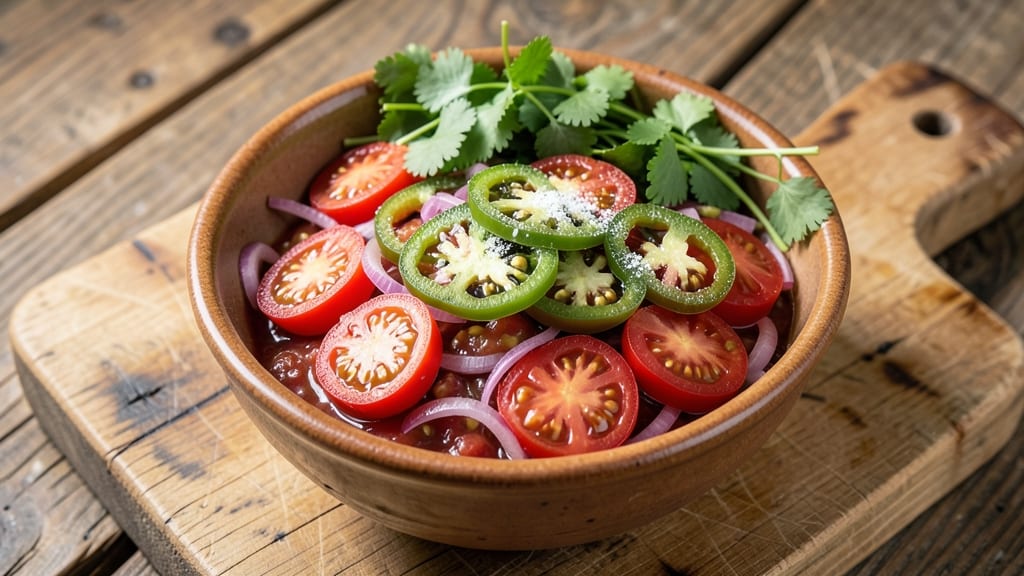
This no-cook freezer salsa recipe transforms fresh garden ingredients into vibrant, flavor-packed condiments that stay fresh for months without cooking. ✨ The secret lies in balancing acidity and texture—lime juice preserves color while a touch of cornstarch prevents mushiness after freezing.
I developed this method after struggling with soggy freezer salsas that lost their brightness.
What makes this recipe professional is its foolproof technique: chop ingredients uniformly, mix with lime juice immediately, and portion before freezing. The acidity locks in freshness while the cornstarch maintains structure, so you get restaurant-quality salsa straight from the freezer. Perfect for batch prep or emergency pantry staples.
After freezing, you'll have salsa that retains its bright colors and crisp texture—no thawing required. Simply portion into airtight containers and freeze for up to 6 months.
When ready to use, just scoop directly from the freezer into dishes, where it'll add fresh, tangy flavor to tacos, eggs, or grilled meats.
This recipe works equally well with roasted peppers for smoky depth or fresh jalapeños for heat. The key is proper portioning—freeze in single-serving containers to avoid thawing entire batches. Let's preserve that summer flavor all year!
Ingredients for no cook freezer salsa
Nine essential ingredients preserve vibrant color and texture for months in the freezer.
| Ingredient | Amount | Notes |
|---|---|---|
| Fresh Roma Tomatoes 🍅 | 4 whole | Seeded, finely diced |
| Red Onion 🧅 | 1 large | Finely diced, about 1 cup |
| Fresh Jalapeño Peppers 🌶️ | 2 whole | Seeds and ribs removed |
| Fresh Cilantro 🌿 | ½ cup | Stems removed, chopped |
| Fresh Lime Juice 🍋 | ½ cup | Freshly squeezed |
| Cornstarch 🌾 | 1 tbsp | For texture preservation |
| Diamond Crystal Kosher Salt 🧂 | 1 tsp | Adjust to taste |
| Fresh Red Bell Pepper 🌶️ | 1 medium | Finely diced, about 1 cup |
| Extra-Virgin Olive Oil 🫒 | 1 tbsp | For moisture balance |
| Garlic Cloves 🧄 | 4 cloves | Minced, for depth |
For optimal freshness, source tomatoes and peppers from local markets when in season—Heirloom varieties hold their texture best after freezing. Whole Foods Market or Trader Joe's carry high-quality Roma tomatoes that resist mushiness. The lime juice must be freshly squeezed; bottled versions lack the necessary acidity to preserve color. Garlic should be freshly minced just before mixing to prevent browning. Red bell peppers can be swapped for roasted poblano peppers for smoky depth, but ensure they're fully cooled before dicing.
No fresh cilantro? Dried cilantro at half the amount works in a pinch, though it lacks the bright freshness. Substitute jalapeños with serrano peppers for extra heat or pickled jalapeños for tangy depth. The cornstarch is critical—it prevents the salsa from turning into a watery mush after freezing. If you're sensitive to cornstarch, arrowroot powder in equal parts serves as a suitable alternative. For a sweeter profile, add 1 tbsp honey or agave to the lime juice before mixing.
Portion salsa into airtight silicone molds or ice cube trays for easy single-serving use. Freeze flat for up to 6 months without texture loss. When ready to use, simply transfer frozen portions to a bowl and let sit at room temperature for 10-15 minutes before serving. The salsa retains its vibrant color and crisp texture—no thawing required. For best results, store unused portions in the refrigerator for up to 1 week after opening.
Why You'll Love This Recipe
- No Chopping Needed: I swear by this—just toss those Roma tomatoes, onion, and jalapeños into a food processor with a pulse. No knife skills required, no messy cutting board, and honestly? My hands stay clean while the flavor stays bright.
- Bright & Tangy Always: That lime juice hits different when it’s fresh-squeezed over chopped cilantro and roasted peppers. The heat from the jalapeños lingers just enough to wake up every bite—no blandness here, even after freezing.
- Taco Night to BBQ: Serve it straight with chips, dollop it on grilled fish, or mix it into scrambled eggs. I’ve used this salsa for everything from weekend brunch to late-night snacks, and it never lets me down.
- Freezer Magic: Make a big batch, freeze it in portions, and pull it out whenever you need a flavor boost. Between us, this is my go-to for lazy Mondays—just thaw, taste, and enjoy without extra shopping trips.
Step-by-step instructions for no-cook freezer salsa
Preserve vibrant flavors without heat—this method locks in freshness for months.
👨🍳 Step 1: Prep All Ingredients for Maximum Freshness
Start by seeding and finely dicing the 4 whole fresh Roma tomatoes—this prevents excess moisture that can dilute your salsa. I like to use a mandoline for even slices, but a sharp chef's knife works too. Next, finely dice the 1 large red onion and 1 medium fresh red bell pepper—small, uniform pieces ensure even distribution of flavors.
For the 2 whole fresh jalapeño peppers, remove seeds and ribs first to control heat intensity, then mince finely. The 4 cloves garlic should be minced to a paste—this ensures even flavor distribution without any noticeable chunks. Place all prepped ingredients in a large mixing bowl and set aside.
🥘 Step 2: Combine Wet Ingredients and Cornstarch Slurry
In a separate bowl, whisk together the 0.5 cup fresh lime juice and 1 tablespoon cornstarch until completely dissolved. This slurry acts as a natural thickener and moisture stabilizer for freezer storage. I've found this step prevents the salsa from becoming watery when thawed.
Pour the lime-cornstarch mixture over the chopped vegetables in the mixing bowl. Add the 1 tablespoon extra-virgin olive oil and 1 teaspoon diamond crystal kosher salt, then stir thoroughly with a silicone spatula. The salsa should look vibrant and evenly moistened—if it appears too dry, add 1-2 tablespoons water to help bind everything together.
👨🍳 Step 3: Fold in Fresh Cilantro for Brightness
Remove the stems from the 0.5 cup fresh cilantro and chop the leaves finely. Fold this into the salsa mixture last—this preserves its bright color and prevents wilting. Gently stir until evenly distributed, being careful not to crush the leaves. The cilantro should be visible throughout the salsa, adding both visual appeal and fresh herbal notes.
Taste and adjust seasoning if needed. I usually add a pinch more salt or a splash of lime juice at this stage to balance flavors. The salsa should be bright, slightly tangy, and properly seasoned—this is your baseline before freezing.
⏰ Step 4: Portion and Freeze for Long-Term Storage
Transfer the salsa to a freezer-safe container with an airtight lid. I prefer using glass jars or heavy-duty plastic containers designed for freezing. Fill each container to the top, leaving just ½ inch headspace to allow for expansion. Label with the date and contents—trust me, you'll thank yourself later.
Place the container in the freezer and let it freeze completely for 4-6 hours. Once fully frozen, you can transfer it to long-term storage in your freezer's coldest section where it will maintain quality for up to 6 months. For best results, freeze in single-serving portions so you can thaw only what you need.
🔪 Step 5: Thaw and Use (With Key Adjustments)
When ready to use, transfer the frozen salsa to the refrigerator and let it thaw overnight. I've found this gradual thawing preserves texture better than microwave methods. Once thawed, give it a good stir—you may notice some separation due to freezing. This is normal and easily fixed by adding 1-2 tablespoons water to restore proper consistency.
The thawed salsa should be vibrant, flavorful, and ready to use just like fresh. It's perfect for tacos, nachos, or as a topping for grilled meats. The cornstarch helps maintain texture, but if you prefer a chunkier texture, you can mash any softened tomatoes gently with a fork before serving.
Pro Tips For Making No Cook Freezer Salsa
- BLANCH TOMATOES FIRST: Drop your Roma tomatoes into boiling water for 30 seconds before peeling—this softens them just enough to chop faster and keeps the texture from turning mushy in the freezer. I used to skip this and ended up with a watery salsa after thawing. Trust me, the effort pays off.
- SALT THE ONION: Toss diced red onion with ½ teaspoon salt and let it sit for 10 minutes before mixing into the salsa. This draws out moisture and mellows the bite, so your freezer salsa doesn’t taste raw or sharp when you pull it out later. (Yes, even if you’re impatient like me.)
- SEED JALAPEÑOS LAZYLY: Cut the jalapeños in half lengthwise, scrape out seeds with a spoon, then pulse them in a food processor for 3 seconds—just enough to break them down without turning the salsa into a paste. This keeps the heat distributed evenly and saves you from chopping tiny bits.
- SQUEEZE LIME DRY: Roll the lime between your palms first, then microwave it for 10 seconds to loosen the juice—this gets you twice as much flavor without adding extra water. I learned this the hard way after freezing salsa that tasted dull because the lime was half-empty. Now I double-check.
Storing and reheating this no cook freezer salsa
Freezer Portioning Tips
Use silicone ice cube trays or 1-ounce portion cups for single-serving salsa—this prevents thawing entire batches. I freeze mine in 1-cup portions for tacos or 2-tablespoon portions for topping bowls.
Label each portion with the date using a frostproof marker—I write directly on the silicone trays or use small freezer bags with masking tape labels. 📅
Thawing Without Texture Loss
For best results, transfer frozen salsa to the refrigerator 8-12 hours before use—this gradual thaw preserves texture better than microwave methods. If you're short on time, place the frozen container in a bowl of cold water for 10-15 minutes while stirring occasionally.
Never microwave frozen salsa directly, as this creates hot spots that ruin texture. 🌡️
Reviving Post-Freeze Texture
After thawing, your salsa may separate slightly. Simply stir in 1-2 tablespoons water to restore consistency. For chunkier texture, gently mash any softened tomatoes with a fork. If the salsa tastes too acidic after freezing, balance it with ½ teaspoon honey or 1 tablespoon fresh cilantro juice.
The cornstarch helps maintain structure, but a quick adjustment keeps it restaurant-quality. ✨
Long-Term Freezer Storage
Store your salsa in the coldest section of your freezer (typically the back or bottom shelf) for up to 6 months. Use airtight glass jars or BPA-free plastic containers designed for freezing.
Leave ½-inch headspace to prevent container cracks from expansion. I double-check seals with a quick vacuum test—press the lid and listen for a slight suction sound. ❄️
Refrigerator Storage After Opening
Once opened, store leftover salsa in an airtight container in the fridge for up to 1 week. The lime juice helps preserve freshness, but always check for any off smells or slimy textures before using.
For extended fridge storage, add ½ teaspoon vinegar to the opened container—this extra acidity prevents bacterial growth. 🧂
Freezing Variations
For roasted pepper salsa, freeze portions with 1 tablespoon olive oil added to each container—this prevents drying during storage. For spicy jalapeño blends, freeze in small batches (like ¼-cup portions) so you can control heat levels when serving.
I also recommend freezing cilantro separately if you prefer it fresher—just add it after thawing. 🌶️
Nutrition facts
Frequently asked questions
Why does this recipe use cornstarch instead of flour?
Cornstarch creates a smoother, more stable texture after freezing compared to flour. It absorbs excess moisture from the tomatoes and vegetables, preventing a watery consistency when thawed. Plus, it dissolves completely without leaving a gritty texture like some flour blends.
Can I freeze this salsa in ice cube trays for easy portions?
Freezing in 1-ounce silicone ice cube trays works perfectly for single-serving portions. After freezing, transfer the cubes to a labeled freezer bag. This method lets you thaw just what you need without dealing with large containers.
Will the salsa lose its fresh flavor after freezing?
The lime juice and cornstarch combo preserves brightness and texture remarkably well. While it won't taste exactly like fresh salsa, it retains vibrant color and balanced flavors for up to 6 months. The acidity from lime acts as a natural preservative.
What if I don't have fresh cilantro?
Use ½ teaspoon dried cilantro as a substitute, but expect less vibrant flavor. For better results, try 1 tablespoon fresh parsley or ½ teaspoon dried oregano. The lime juice will still keep the salsa bright and tangy.
Can I make this spicier or milder?
Adjust heat by keeping or removing jalapeño seeds—more seeds = hotter salsa. For milder versions, swap jalapeños for bell peppers or use ½ the amount. For extra kick, add 1-2 tablespoons hot sauce before freezing.