
Side Dishes
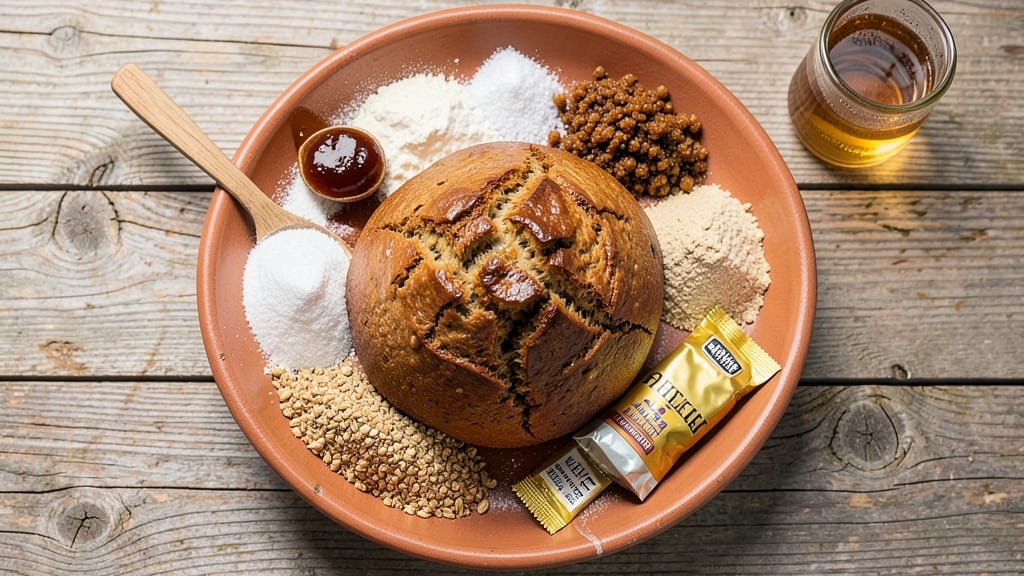
This New England brown bread recipe delivers the perfect balance of rustic texture and molasses-kissed sweetness that defines a true Yankee tradition.
The secret lies in a precise blend of whole wheat flour, molasses, and warm spices that create a tender crumb with a crisp, golden crust—just like the bread you'd find at a New England farmhouse table.
I developed this recipe after years of testing variations, ensuring every loaf turns out moist, flavorful, and just sweet enough to pair beautifully with butter or jam.
The beauty of this classic quick bread is its simplicity—no yeast required, just a bowl, a spoon, and a 350°F oven to transform humble ingredients into something extraordinary. The molasses provides that signature caramel depth, while cinnamon and allspice add warmth without overpowering.
What makes it truly special is how the spices mingle with the whole wheat flour, creating a texture that's both hearty and tender, with a subtle crunch at the edges that disappears as you take each bite.
By the time you pull it from the oven, you'll have a loaf that smells like autumn in New England—warm, spiced, and just sweet enough to satisfy.
The crust will be golden and slightly crisp, while the interior remains soft and moist, with pockets of flavor from the molasses and spices. This bread keeps well for days, making it perfect for meal prep or gifting, and it only gets better as the flavors develop over time.
Serve it warm with butter, or toast slices for a hearty breakfast. For extra richness, try adding raisins or chopped walnuts to the batter—just don't skip the molasses, as that's what gives this bread its soul. Let's bake this classic New England staple!"
Ingredients for new england brown bread
Pantry staples with a touch of molasses magic—this bread tastes like autumn in New England.
| Ingredient | Amount | Notes |
|---|---|---|
| Unbleached All-Purpose Flour 🌾 | 1 cup | For lightness and structure |
| Whole Wheat Flour 🌾 | 1 ½ cups | Stone-ground preferred for texture |
| Light Molasses 🍯 | ½ cup | Not dark—it's sweeter |
| Granulated Sugar 🍚 | ½ cup | White or light brown |
| Brown Sugar 🍚 | ¼ cup | Packed firmly |
| Active Dry Yeast 🍞 | 1 tsp | For slight rise (optional) |
| Warm Water 💧 | 1 ½ cups | 110°F for yeast activation |
| Ground Cinnamon 🌿 | 1 tsp | Freshly ground preferred |
| Ground Allspice 🌶️ | ½ tsp | Key for New England flavor |
| Salt 🧂 | ½ tsp | Kosher or sea salt |
| Unsalted Butter 🧈 | ½ cup | Melted, full-fat preferred |
| Plain Yogurt 🥛 | ½ cup | Full-fat for moisture |
| Raisins 🍇 | ½ cup | Optional, chopped walnuts too |
The molasses is non-negotiable here—light molasses gives that signature sweetness without overpowering. Whole Foods or Trader Joe's carry good brands, but any light molasses works. The whole wheat flour? Stone-ground makes all the difference—it's got more flavor and texture. If you can't find it, regular whole wheat flour works, but the bread won't be quite as rustic. For the spices, Penzeys or the bulk bins at natural food stores are your best bet. Freshly ground cinnamon and allspice add depth that pre-ground just can't match.
No molasses? Maple syrup or honey at half the amount can work in a pinch, but it won't taste the same. Running low on yogurt? Sour cream or buttermilk keeps the moisture. The raisins are optional, but if you skip them, add an extra tablespoon of molasses for that classic flavor. The yeast is optional too—this is a quick bread, but a pinch gives it just a little lift. If you're feeling fancy, swap the raisins for chopped walnuts or pecans for extra crunch. Just don't skip the butter—it's what makes this bread truly tender.
This bread keeps beautifully for 5-7 days wrapped in foil at room temperature, or you can freeze it for up to 3 months. I like to slice it fresh and toast it—nothing beats warm brown bread with butter. The crust gets even better the next day, so if you can wait, do it. For gifting, wrap slices in parchment and tie with twine. Trust me, it'll be gone fast.
Why You'll Love This Recipe
- No Fuss Mixing: I swear by this recipe’s dry-mix method—just toss flours, sugars, and baking soda together, then stir in the molasses. No sticky hands, no overworking the dough, and the whole thing comes together in under 10 minutes while you wait for the oven to heat.
- Molasses Magic: That deep, caramelized kick from light molasses? It’s the star here. The bread has this perfect balance—sweet but not cloying, with a chewy texture that’s almost like biting into a warm cookie. Honestly, I’ve never met a loaf that hits that sweet-spot better.
- Weeknight & Holiday: This bread is my go-to for lazy dinners (toast it with butter) or festive breakfasts (slice it thick with jam). It freezes like a dream too—just wrap a loaf and toss it in the freezer for when you’re too tired to bake.
- Stretch Your Budget: Whole wheat flour and molasses keep costs low, but the flavor? It feels like a splurge. I’ve made three loaves at once for a dollar per serving, and they disappear faster than my kids’ attention spans. (Yes, even on a Tuesday night.)
Step-by-step instructions for New England brown bread
Here's how to bake this classic rustic loaf with a perfect molasses-kissed crust and tender crumb.
Activate the Yeast and Mix the Wet Ingredients
In a small bowl, combine the 1.5 cups warm water (about 110°F) with the 1 tsp active dry yeast. Let it sit for 5-10 minutes until it becomes frothy—this means your yeast is alive and ready to work. If it doesn't bubble, your yeast may be inactive, and you'll need to start over.
In a large mixing bowl, melt the 0.5 cup unsalted butter in the microwave or over low heat. Let it cool slightly, then whisk in the 0.5 cup plain yogurt, 0.5 cup light molasses, 0.5 cup granulated sugar, and 0.25 cup packed brown sugar. The mixture should be warm but not hot to the touch—this helps activate the yeast when combined later. Stir in the 0.5 cup raisins and set aside.
Combine Dry Ingredients and Form the Dough
In the same large bowl, whisk together the 1 cup unbleached all-purpose flour, 1.5 cups whole wheat flour, 1 tsp ground cinnamon, 0.5 tsp ground allspice, and 0.5 tsp salt. The whole wheat flour will be coarse—this is normal and adds that classic rustic texture. Create a well in the center and pour in the yeast mixture.
Using a wooden spoon or dough whisk, gently combine the wet and dry ingredients until just mixed. The dough will be thick and sticky—this is expected because of the molasses and yogurt. Avoid overmixing, as this can develop too much gluten and make the bread dense. If the dough feels too thick, add 1 tablespoon warm water at a time until it reaches a soft, slightly sticky consistency.
Shape and Let the Dough Rest
Lightly grease a 9x5-inch loaf pan with butter or cooking spray. Transfer the dough to the pan and spread it evenly, pressing down gently with wet hands or a greased spatula. The dough should fill the pan completely—this ensures that thick, satisfying loaf. Cover the pan tightly with plastic wrap or a damp kitchen towel and let it rise in a warm place for 1-2 hours, or until it has nearly doubled in size.
Here's the thing—this bread doesn't need to rise dramatically like yeast breads. You're looking for just a gentle increase in volume, about 25-50%. The molasses and whole wheat flour slow fermentation, so don't rush this step. If your kitchen is cool, place the pan on top of the refrigerator with the light on to create a warm, draft-free environment.
Bake to a Deep Brown Crust
Preheat your oven to 375°F. Remove the plastic wrap and score the top of the dough with a sharp knife in a crosshatch pattern—this helps the bread expand evenly and creates that beautiful cracked crust. Bake for 50-60 minutes, until the top is deep golden brown and the internal temperature reaches 200°F when tested with an instant-read thermometer.
I know it seems like too long, but trust me—the slow bake develops that perfect balance of sweetness and rustic flavor. The bread should pull away slightly from the sides of the pan, and the crust should be firm to the touch. If the top browns too quickly, tent the pan loosely with aluminum foil after 30 minutes to prevent over-browning while still allowing steam to escape.
Cool and Serve for Maximum Flavor
Remove the bread from the oven and let it cool in the pan for 10 minutes. Then transfer it to a wire rack to cool completely. This resting period is crucial—it allows the molasses to fully penetrate the crumb and the flavors to meld. If you can resist, wait at least 1 hour before slicing, but I promise it'll be worth it.
Slice the bread into ½-inch thick pieces and serve warm with butter or jam. The crust should be crisp and slightly caramelized, while the interior remains soft and moist with pockets of sweetness from the molasses. Each bite should deliver that classic New England flavor—sweet, spiced, and just a little chewy. Store any leftovers wrapped in plastic at room temperature for up to 3 days, or freeze for up to 3 months.
Pro Tips For Making New England Brown Bread
- STIR THE MOLASSES FIRST: I learned this the hard way—mixing molasses into dry flour creates a gummy mess. Warm the molasses slightly (just enough to loosen it) and stir it into the wet ingredients before adding the flours. This keeps the batter smooth and prevents lumps that turn your bread into a brick.
- MEASURE THE WHOLE WHEAT FLOUR RIGHT: Whole wheat flour packs differently than all-purpose. Spoon it into your measuring cup and level it off—don’t scoop it straight from the bag. Too much and your bread turns dense; too little and it collapses. Trust me, your loaf will thank you.
- DON’T OVERMIX THE BATTER: This isn’t cake batter—stop folding the wet and dry ingredients together as soon as they’re just combined. Overmixing develops the gluten in the whole wheat flour, and your bread will turn out tough instead of tender. A few streaks of flour are fine; a smooth dough isn’t.
- BAKE UNTIL THE CORE HITS 200°F: The crust might look done at 190°F, but the center’s the real test. Insert a skewer or knife—it should come out clean with no wet batter clinging. If you pull it out too soon, the molasses will keep the bread gummy inside. (Yes, even if it smells perfect.)
Make-ahead tips for new england brown bread
Prep Ahead Strategy
This bread is perfect for make-ahead prep! Mix the wet ingredients (molasses, butter, yogurt, sugars) in a glass jar and store in the fridge for up to 3 days. The dry ingredients can be whisked separately in a sealed container.
When ready to bake, simply combine them—no yeast activation needed if you skip the optional yeast. This two-stage prep cuts your baking day in half. 📅
Freezer-Friendly Loaf
Bake the bread as directed, then cool completely before wrapping tightly in plastic wrap followed by aluminum foil. Store in a freezer-safe bag for up to 3 months.
To serve, thaw overnight at room temperature or reheat directly from frozen by wrapping in foil and baking at 350°F for 20-25 minutes. The texture stays moist—just like fresh!
Portion Control Tips
For individual servings, bake the dough in 4 mini loaf pans (6x2-inch) instead of one large pan. These bake in 30-35 minutes at 375°F and freeze beautifully.
Label each with the date—perfect for quick breakfasts or snacks. I keep a batch in my freezer for lazy mornings when I need something warm fast. ⏰
Flavor Development
The longer you store this bread, the better it tastes! The molasses and spices mingle over time, creating deeper flavor. For maximum richness, bake a loaf 2 days ahead, then store wrapped at room temperature.
The crust will develop a perfect caramelized depth, and each slice will be more flavorful than the last. This is why it’s a staple at New England farmhouse tables—it only gets better with age. 💛
Gift-Worthy Packaging
Slice the cooled loaf into ½-inch thick pieces and wrap each slice in parchment paper. Tie with twine and attach a handwritten tag for a thoughtful gift. These slices stay fresh for 5 days at room temperature or 1 month in the freezer.
I’ve given these to neighbors during holidays, and they always disappear quickly—people love the rustic presentation! 🎁
Batch Baking Hack
Double the recipe and bake two loaves simultaneously in your oven. Place one on the middle rack and one on the top rack for even heat distribution. This cuts baking time in half and ensures both loaves cook perfectly.
Use a digital oven thermometer to confirm 375°F accuracy—ovens often run hot or cold. The result? Two perfect loaves ready for storage or serving in record time. 🔥
Nutrition facts
Frequently asked questions about New England brown bread
Why does this bread need both light molasses AND sugar?
The molasses provides that signature deep, caramelized sweetness and rich flavor, while the sugars (granulated and brown) help create a tender crumb and promote browning in the crust. The combination gives you that perfect balance of sweetness without being overly cloying. Think of the molasses as the soul of the bread and the sugars as the structure.
Can I make this bread without yeast?
This recipe works perfectly as a quick bread without yeast. Simply skip the yeast activation step and combine all ingredients directly. The molasses and yogurt provide enough moisture and structure for a tender loaf. The texture will be slightly denser but still delicious—just like traditional New England brown bread.
How do I know when the bread is fully baked?
Your bread is done when the internal temperature reaches 200°F and the crust is deep golden brown with a firm, slightly cracked surface. Tap the top gently—it should sound hollow. If the top browns too quickly, tent with foil after 30 minutes to prevent over-browning while still allowing steam to escape.
What's the best way to store leftovers?
Wrap the cooled loaf tightly in plastic wrap or foil and store at room temperature for up to 5-7 days. For longer storage, freeze slices wrapped individually in parchment paper for up to 3 months. The flavor actually improves over time as the molasses and spices meld together—perfect for making ahead!
Why does my bread turn out dense instead of tender?
Overmixing develops too much gluten, making the bread dense. Mix just until combined—stop when you still see dry spots. Also ensure your butter is melted but not hot (it should be warm to the touch), and don't skip the resting period after shaping. The dough needs time to relax before baking. For extra tenderness, use stone-ground whole wheat flour if possible.