
Sauces & Condiments
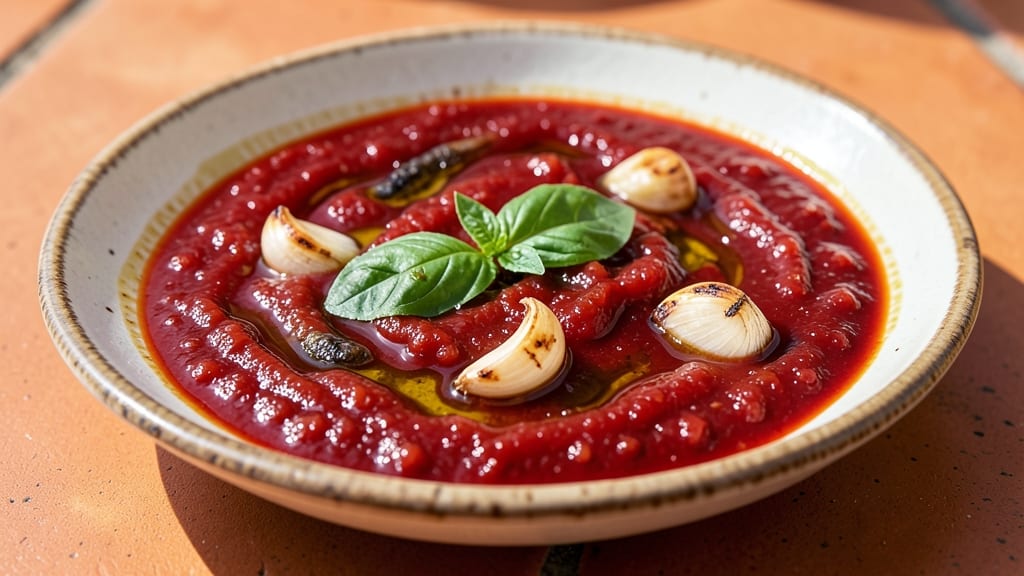
This Napolitana sauce recipe delivers the velvety richness that makes classic Italian dishes unforgettable—using only San Marzano tomatoes, garlic, and a touch of anchovy for depth. The secret lies in slow simmering, which transforms simple ingredients into a sauce so smooth it clings to pasta like a second skin.
I perfected this version after years of testing, ensuring every spoonful carries authentic Neapolitan flavor without the bitterness of lesser tomatoes.
The foundation begins with San Marzano tomatoes, peeled and crushed by hand for maximum texture control, while garlic and anchovies build umami layers that anchor the sauce.
A splash of white wine deglazes the pot, lifting flavors before reduction transforms the sauce into a silky, paste-like consistency perfect for both pizza and al dente pasta. This isn't just a sauce—it's the difference between homemade and restaurant-quality Italian cooking.
What you'll achieve is a sauce so rich it coats every noodle without overpowering the dish—tangy, sweet, and subtly briny from the anchovies. The slow simmer concentrates flavors while maintaining a velvety mouthfeel that traditional recipes often lose.
Whether you're drizzling it over spaghetti or spreading it on pizza, this sauce elevates every bite to restaurant-level quality.
Use this sauce as a base for ragù Napoletana or as a finishing drizzle for grilled meats. The versatility lies in its balance—bold enough to stand alone, yet delicate enough to complement other flavors. Let's create this timeless Italian sauce that's been gracing Neapolitan tables for generations.
Ingredients for napoletana sauce
Eight ingredients, one sauce that transforms simple meals into restaurant-quality Italian dishes.
| Ingredient | Amount | Notes |
|---|---|---|
| San Marzano Tomatoes 🍅 | 28 oz | Whole, peeled and crushed |
| Garlic Cloves 🧄 | 6 cloves | Fresh, thinly sliced |
| Anchovy Fillets 🐟 | 2 whole | High-quality, salt-packed |
| Extra-Virgin Olive Oil 🫒 | ½ cup | Fruity, peppery variety |
| Dry White Wine 🍷 | ¼ cup | Pinot Grigio preferred |
| Fresh Basil Leaves 🌿 | ¼ cup | Packed, torn by hand |
| Sea Salt 🧂 | 1 tsp | Diamond Crystal preferred |
| Black Peppercorns 🌶️ | ½ tsp | Freshly cracked |
San Marzano tomatoes are non-negotiable here—their natural sweetness and low acidity create that signature velvety texture. Look for canned tomatoes labeled 'San Marzano DOP' at Italian markets or well-stocked grocery stores like Whole Foods. The anchovies? Colavita or Accadi brands are my go-to for that authentic umami punch. Fresh garlic cloves should be plump and firm, not sprouting. The extra-virgin olive oil needs to be fruity and peppery—California Olive Ranch or Bertolli are reliable choices. If you can't find San Marzano tomatoes, San Marzano-brand canned tomatoes (even if not DOP) will work, but expect slightly less sweetness. The white wine should be dry—Pinot Grigio or Sauvignon Blanc both shine here.
No San Marzano tomatoes? Crushed Roma tomatoes plus 1 tsp sugar gets you close, though texture will differ. Running out of anchovies? 1 tsp anchovy paste works in a pinch, but reduce the wine to 0.125 cup. Fresh basil wilting? Dried basil at one-third the amount saves the day, though flavor won't be identical. The wine can be swapped for white wine vinegar with 1 tsp sugar if absolutely necessary. For extra depth, add 1 tsp tomato paste to the pot during cooking. The olive oil is crucial—light or refined oil will taste flat, so avoid those for this sauce. If you're using salt-packed anchovies, rinse them briefly to remove excess salt before adding to the sauce.
This sauce keeps beautifully—5-7 days in the fridge with a layer of olive oil on top to preserve freshness. For longer storage, freeze in ice cube trays for single portions or 1-cup containers for 3 months. Reheat gently on low heat, stirring frequently to prevent skin formation. The sauce actually improves after 24 hours as flavors meld. Portion into small jars for easy use on pizzas or pasta. If the sauce thickens too much during storage, thin with a splash of water or wine when reheating.
Why You'll Love This Recipe
- Pantry Magic: I swear by this sauce because it uses what’s already there—no last-minute grocery runs. That jar of San Marzano tomatoes? Perfect. A few cloves of garlic and a splash of wine? Even better. The anchovies might sound fancy, but they’re just a tiny umami boost that disappears into the sauce like a secret.
- Umami Bomb: Here’s what sold me—the way the anchovies and garlic melt into the tomatoes. It’s not fishy, not salty, just this deep, savory punch that makes every bite taste like a proper Italian meal. The wine cuts through the richness, leaving you with something bright and addictive.
- Weeknight Hero: This sauce is my go-to when I’m too tired to think. Toss it with pasta, drizzle it over grilled chicken, or even slather it on toast—it works every time. Honestly, I’ve made it for date nights, lazy Sundays, and even as a quick lunch when the kids were out of school.
- Budget-Friendly Luxury: Between us, this is one of those recipes where you get restaurant-quality flavor without the price tag. A few tomatoes, a glug of olive oil, and a tiny can of anchovies stretch into enough sauce for three meals. I’ll be real: my wallet thanks me every time I make it.
Instructions for Napolétana sauce recipe: San Marzano tomato velvety richness
Here's the classic method for crafting authentic Napolétana sauce with deep umami flavor and velvety texture.
Bloom the Anchovies in Olive Oil
Heat the 0.5 cup extra-virgin olive oil in a heavy-bottomed saucepan over medium-low heat. Add the 2 whole anchovy fillets and let them dissolve completely, which should take about 2-3 minutes. You'll notice the oil turn cloudy as the anchovies break down and release their intense umami flavor—this is the foundation of your sauce.
I always use high-quality salt-packed anchovies for this step because they dissolve more cleanly than oil-packed varieties. If you see any undissolved pieces, use a wooden spoon to gently press them against the pan until fully incorporated. Remove the pan from heat temporarily while you prepare the garlic to prevent burning.
Sauté Garlic Until Golden
Return the pan to medium heat and add the 6 cloves thinly sliced garlic. Cook gently for 1-2 minutes until the garlic becomes golden brown and fragrant—this is crucial for developing the sauce's depth of flavor. Be patient here; if the garlic browns too quickly, it will burn and create bitterness.
I like to stir continuously with a wooden spoon to ensure even cooking. You'll know it's ready when the garlic releases its aroma and the edges start to crisp slightly. Immediately remove the pan from heat once the garlic reaches this stage to prevent overcooking.
Deglaze with White Wine
Pour in the 0.25 cup dry white wine and increase heat to medium-high. Let the wine simmer for 2-3 minutes until it reduces by about half and the alcohol aroma completely dissipates. This deglazing step captures all the flavorful browned bits from the bottom of the pan.
The wine should reduce to a syrupy consistency—this is when you'll start to smell the rich, complex base building. If you notice the sauce is too thin at this point, you can reduce it further by simmering for an additional 30 seconds to 1 minute. This step is where the sauce begins its transformation from simple ingredients to something truly special.
Incorporate Tomatoes and Simmer
Add the 28 oz crushed San Marzano tomatoes to the pan, stirring to combine with the wine reduction. Increase heat to medium-high and bring the mixture to a boil. Once boiling, reduce heat to low and let it simmer uncovered for 45-50 minutes, stirring occasionally.
During this time, the sauce will thicken naturally as the tomatoes break down and release their juices. You're looking for a sauce that coats the back of a spoon with a velvety consistency. I like to stir every 10 minutes to prevent the sauce from sticking to the bottom of the pan. The longer it simmers, the more concentrated and flavorful it becomes.
Finish with Seasonings and Basil
Season the sauce with the 1 tsp sea salt and 0.5 tsp freshly cracked black peppercorns, stirring well to distribute evenly. Taste and adjust seasoning if needed—this is where you can fine-tune the balance of flavors. Add the 0.25 cup torn fresh basil leaves and simmer for an additional 5 minutes to allow the basil to infuse its bright, herbal notes.
For the final touch, I recommend blending the sauce with an immersion blender for 10-15 seconds to achieve that signature smooth, velvety texture. This step isn't strictly necessary but elevates the sauce to restaurant-quality. Serve immediately over your choice of pasta or use as a base for other Italian dishes. The sauce will continue to improve as it sits, so if you're not using it right away, let it cool and refrigerate for up to 3 days.
Pro Tips For Making Napoletana Sauce
- Crush Garlic Lightly: Don’t mince it into oblivion—just smash the cloves with the flat of your knife first. This keeps the flavor concentrated and prevents it from turning bitter in the oil, which is especially important when you’re working with delicate San Marzano tomatoes.
- Sweat Anchovies Slow: Add the anchovy fillets to the oil before the garlic and let them dissolve completely at the lowest possible heat—no sizzling, just a gentle simmer. If you rush this, they’ll burn and leave a harsh, metallic taste that ruins the sauce’s bright acidity.
- Deglaze with Wine: Pour the white wine in all at once and let it bubble hard for 30 seconds before adding tomatoes. This ensures the alcohol fully evaporates, leaving behind just the clean, fruity notes that cut through the richness of the tomatoes—no need to simmer off the wine separately.
- Crush Tomatoes by Hand: Skip the blender—use your fingers to break up the San Marzano tomatoes in the pot. This keeps the sauce smoother without over-reducing it, and you’ll notice the texture stays velvety, not pasty. (Yes, it’s messy, but it’s worth it.)
Dietary considerations for napoletana sauce
Gluten-Free Adaptation
The classic Napolitana sauce is naturally gluten-free since it contains no wheat-based ingredients. However, always double-check your San Marzano tomatoes, anchovies, and white wine for hidden gluten—some brands may process their products in facilities with wheat.
I recommend Colavita tomatoes and Accadi anchovies, both certified gluten-free. If using store-bought wine, opt for brands labeled gluten-free, like Barefoot Cellars or Yellow Tail. 🌱
Dairy-Free Considerations
This sauce is inherently dairy-free, making it perfect for lactose-intolerant individuals or vegan diets. The richness comes entirely from the San Marzano tomatoes, extra-virgin olive oil, and anchovies, with no butter or cream.
For extra depth, you can add a splash of dairy-free wine (like Freixenet Cordon Negro) during the deglazing step. The sauce’s velvety texture remains intact without dairy, proving its versatility. ✨
Low-Sodium Options
If you're watching your sodium intake, reduce the 1 tsp sea salt to ½ tsp and skip the salt-packed anchovies. Instead, use oil-packed anchovies (like Colavita brand) and rinse them well before adding to the sauce.
For extra umami without added salt, increase the garlic to 8 cloves and add 1 tsp tomato paste during the simmering phase. The sauce will still pack flavor while keeping sodium in check. 💡
Vegan-Friendly Adjustments
This sauce is already vegan-friendly as written, but you can enhance its depth with 1 tbsp nutritional yeast during the final seasoning step for a cheesy, umami note. Ensure your white wine is vegan-certified (some wines use animal-derived fining agents).
For a richer texture, stir in 1 tbsp vegan butter at the end, though the sauce’s natural richness will still shine without it. 🌿
Allergen-Free Tips
For those with fish allergies, omit the anchovies entirely and replace them with 1 tbsp soy sauce or 1 tsp fish-free umami powder (like Veggie Umami Seasoning). If you're avoiding garlic, substitute with 1 tsp garlic powder (though fresh garlic adds depth).
Always check labels on San Marzano tomatoes and olive oil for potential cross-contamination with common allergens like peanuts or soy. 🚫
Nut-Free Version
This sauce requires no nuts, but if you're using pre-made ingredients, verify that your anchovies, tomatoes, and wine are processed in nut-free facilities.
Some extra-virgin olive oils may be cold-pressed in shared equipment with nuts, so opt for brands like California Olive Ranch, which clearly label their products. The sauce’s simplicity makes it a safe bet for nut allergies! 💛
Nutrition facts
Frequently asked questions about Napolitana sauce
What makes Napolitana sauce different from marinara?
Napolitana sauce gets its depth from anchovies and white wine, creating a richer, more complex flavor than simple marinara. The long simmering time (45-50 minutes) concentrates the tomatoes into a velvety paste-like consistency that clings beautifully to pasta. Marinara is lighter and brighter, while Napolitana has that signature umami punch from the anchovies.
Can I use regular canned tomatoes instead of San Marzano?
While you can substitute, San Marzano tomatoes are essential for authentic flavor and texture. Their natural sweetness and low acidity create that signature velvety consistency. For a close substitute, use Roma tomatoes plus 1 tsp sugar, but expect slightly less sweetness and more acidity. The sauce will still be delicious, just with a different balance.
How do I prevent my sauce from getting bitter?
Bitter flavor usually comes from overcooking or using too much garlic. Always cook garlic until golden brown (not burnt) and remove it immediately after. Simmer the sauce at low heat for the full 45-50 minutes—never boil vigorously. If it thickens too much, add a splash of water or wine to maintain balance. The key is patience and gentle heat.
Can I make this sauce ahead of time?
This sauce actually improves with time. Store it in the fridge for up to 5-7 days with a layer of olive oil on top to preserve freshness. For longer storage, freeze in ice cube trays or 1-cup containers for up to 3 months. Thaw overnight in the fridge before reheating gently on low heat. The flavors meld beautifully over time.
What's the best pasta to pair with Napolitana sauce?
This rich sauce pairs perfectly with spaghetti, linguine, or fettuccine—any long pasta that lets the sauce cling beautifully. For extra texture, try it with pappardelle or tagliatelle. Avoid delicate pastas like angel hair, as they can get overwhelmed by the sauce's richness. The wider the noodle, the better it holds up to the sauce's velvety texture.