
Sauces & Condiments
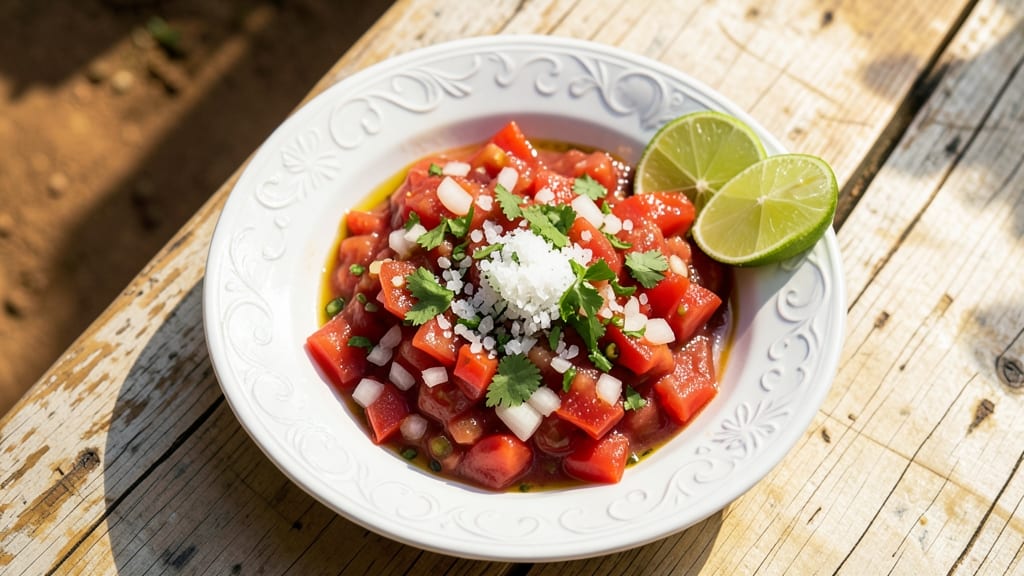
This Mexican white salsa recipe transforms fresh cilantro, lime, and tomatoes into a bright, cooling condiment that elevates everything from tacos to grilled fish. The secret lies in balancing acidity and texture—blending just enough to create a smooth yet vibrant sauce that stays fresh for days.
I developed this version after realizing store-bought salsas never capture the crisp, zesty essence of homemade.
The ingredients are simple but precise: ripe tomatoes, fresh cilantro, lime juice, and a touch of jalapeño for subtle heat. What sets this recipe apart is the resting time—letting the flavors meld for 30 minutes before serving unlocks a depth you won’t find in rushed versions.
The result is a sauce that’s tangy, herbaceous, and perfectly balanced, with a texture that’s neither too chunky nor too thin.
This salsa works as a dip, topping, or marinade—its versatility makes it a pantry staple. The lime keeps it bright, the cilantro adds freshness, and the tomatoes provide a mild, sweet base.
Whether you’re serving it with chips or drizzling it over grilled meats, the cooling zing cuts through richness beautifully. Ready in just 15 minutes, it’s the perfect way to add authentic flavor to any meal.
For best results, use ripe but firm tomatoes and freshly squeezed lime juice. Store any leftovers in an airtight container in the refrigerator for up to 5 days, though it’s likely to disappear long before then.
The key to success? Don’t skip the resting time—it’s what transforms this from good to extraordinary.
Ingredients for mexican white salsa
Fresh cilantro, ripe tomatoes, and zesty lime juice create this vibrant Mexican white salsa in minutes.
| Ingredient | Amount | Notes |
|---|---|---|
| Fresh Cilantro 🌿 | 1 cup | Stems removed, loosely packed |
| Ripe Roma Tomatoes 🍅 | 2 cups | Diced, seeds removed |
| Fresh Lime Juice 🍋 | ½ cup | Freshly squeezed, strained |
| White Onion 🧅 | ¼ cup | Finely diced, about 1 small |
| Fresh Jalapeño 🌶️ | 1 whole | Seeds removed, finely chopped |
| Extra-Virgin Olive Oil 🫒 | ¼ cup | High quality, fruity |
| Salt 🧂 | ½ tsp | Kosher or sea salt |
| Garlic Cloves 🧄 | 2 cloves | Minced, about 1 tsp |
| Fresh Cilantro Stems 🌿 | ½ cup | Optional, for extra texture |
| Lime Zest 🍋 | 1 tbsp | From 1 lime, for brightness |
The cilantro is non-negotiable—farmers market bunches have the most vibrant flavor, but grocery store cilantro works if it's bright green and firm. Roma tomatoes should be ripe but firm; Trader Joe's or local markets often carry perfect ones. For the jalapeño, serrano peppers work too if you want more heat. The lime juice needs to be freshly squeezed—Mexican limes if you can find them, or regular limes in a pinch. The onion and garlic should be fresh, not dried or powdered—they carry the base flavor here.
No fresh cilantro? Dried cilantro at one-third the amount works, but it lacks that fresh brightness. Short on Roma tomatoes? Cherry tomatoes or vine-ripened will do, just seed them well. The jalapeño can be omitted entirely if you prefer no heat. For the olive oil, use something fruity and peppery—none of that bland cooking oil. The lime zest is what elevates this from good to extraordinary, so don’t skip it. If you’re making this ahead, add the zest and extra lime juice just before serving to keep it bright.
This salsa tastes even better after 30 minutes of resting—the flavors meld beautifully. Store in an airtight container in the fridge for up to 5 days. For longer storage, freeze in ice cube trays and transfer to a bag. The texture will soften slightly after chilling, but it’s still perfect for drizzling. Double the batch—it disappears fast with chips or over grilled fish.
Why You'll Love This Recipe
- No Chopping Chaos: I swear by this recipe because it’s the only salsa where I don’t have to dice onions or tomatoes—just roughly chop them and pulse in the food processor. That lime juice and cilantro do all the work for you, turning it into a creamy, dreamy sauce in minutes.
- Bright & Zesty Magic: The lime juice and fresh cilantro give it this lively kick that makes it taste like summer in a bowl. Honestly, the jalapeño’s heat balances perfectly with the sweetness of the ripe tomatoes—no bitterness, just pure, tangy satisfaction.
- Weeknight Superstar: I keep a jar of this in my fridge because it’s the ultimate lazy dinner side—great with chips, tacos, or even grilled fish. (Yes, even on a Tuesday night.) It’s also the go-to for game day or when friends drop by unexpectedly.
- Budget-Friendly Staple: Fresh ingredients don’t break the bank here—cilantro, tomatoes, and onions are cheap, and a single lime lasts for multiple batches. Plus, it keeps for days in the fridge, so I’m not scrambling to buy more every time I want flavor.
Step-by-step instructions for Mexican white salsa
This bright, cooling salsa comes together in minutes with fresh ingredients and simple technique.
Prepare the Base Ingredients
In a large mixing bowl, combine the 2 cups ripe Roma tomatoes, 0.25 cup finely diced white onion, and 1 whole fresh jalapeño with seeds removed and finely chopped. The tomatoes should be diced into small, even pieces—this ensures they break down evenly and create a smooth texture. If you prefer less heat, remove more of the jalapeño's seeds before chopping.
Add the 2 cloves minced garlic cloves to the bowl and stir gently to distribute. The garlic should be finely minced—about 1 teaspoon total—to prevent any large pieces that might remain unincorporated. This foundational mixture will form the heart of your salsa, so take your time with this step to ensure everything is evenly combined.
Add Fresh Herbs and Acid
To the tomato mixture, add the 1 cup fresh cilantro and the 0.5 cup fresh cilantro stems (if using) and stir well. The stems add subtle texture and depth of flavor that leafy cilantro alone can't provide. Add the 1 tablespoon lime zest and the 0.5 cup fresh lime juice, stirring again to ensure everything is thoroughly mixed.
Here's where the magic happens—the lime juice brightens the flavors and helps balance the acidity, while the zest adds a citrusy aroma that elevates the entire dish. The combination of fresh herbs and citrus creates that signature cooling zing that makes this salsa so refreshing.
Finish with Olive Oil and Salt
Drizzle in the 0.25 cup extra-virgin olive oil while stirring continuously. The oil should coat the ingredients evenly, creating a glossy finish that helps the salsa cling to chips or tacos. Sprinkle in the 0.5 teaspoon salt and mix well to distribute.
Taste the salsa at this stage and adjust the seasoning if needed. You might want to add a bit more lime juice for acidity or salt for flavor. The salsa should be bright, fresh, and slightly tangy—this is the perfect balance of cooling and zesty flavors that define Mexican white salsa.
Let It Rest and Serve
Cover the bowl and let the salsa rest at room temperature for at least 15 minutes. This resting period allows the flavors to meld together and the ingredients to fully absorb the lime juice and olive oil. The salsa will develop a more cohesive texture and deeper flavor profile during this time.
Serve the salsa immediately or store it in an airtight container in the refrigerator for up to 3 days. It's best enjoyed fresh, but the flavors will continue to develop slightly over time. This cooling, herbaceous salsa pairs beautifully with grilled meats, fish tacos, or as a refreshing dip with tortilla chips.
Pro Tips For Making Mexican White Salsa
- CHAR THE ONION: Char it over direct heat—yes, even if you’re using a stovetop. The blackened edges add smoky depth that no knife or blender can replicate. I used to peel and dice it raw, and the salsa always tasted flat until I learned this.
- DESEED THE JALAPEÑO: Cut the stem end off, slice open, and scrape out the seeds and the white pith—it’s where the bitterness hides. I skipped this once and ended up with a salsa that tasted like a spicy soap opera.
- BLADE FIRST, THEN BLEND: Pulse the ingredients in short bursts with a knife blade in the blender first. This chops the cilantro and onion into smaller pieces before they turn to mush. I’ve seen too many batches where the cilantro just disappears into a gray sludge.
- LET THE TOMATOES SWEAT: Core and quarter the tomatoes, then let them sit in a colander for 10 minutes before blending. This draws out excess water, so your salsa isn’t watery. I learned this after making a batch so thin it could’ve been soup.
Troubleshooting this dish
Watery Texture Fix
If your salsa turns out too watery, it’s likely from overripe tomatoes or excess lime juice. To fix this, simply strain the salsa through a fine-mesh sieve or cheesecloth, pressing gently with a spoon to remove excess liquid.
For prevention, use firmer tomatoes and reduce lime juice to 3 tablespoons instead of ½ cup. A splash of extra-virgin olive oil also helps emulsify the mixture. 💧
Muddled Ingredients
When ingredients look mushy or over-blended, it’s usually from over-chopping or using a food processor. For the best texture, chop ingredients by hand with a sharp knife—this keeps the salsa bright and chunky.
If you’ve already blended too much, stir in 1 tablespoon of cornstarch mixed with 2 tablespoons cold water and simmer gently for 2 minutes to thicken. 🥄
Lacking Brightness
Dull flavor often means the lime juice wasn’t fresh or the salsa sat too long before serving. Always use freshly squeezed lime juice and add the zest right before serving. If your salsa tastes flat, boost it with an extra 1 tablespoon lime juice and ½ teaspoon salt.
For a quick fix, stir in 1 teaspoon of apple cider vinegar to restore acidity. 🍋
Overpowering Heat
Too much jalapeño heat? Reduce it by adding 1 tablespoon of honey or agave to balance the spice. If the heat is already in the salsa, stir in 1 teaspoon of lime zest and a pinch of salt to cool the palate.
For future batches, remove all seeds and membranes from the jalapeño before chopping. 🌶️
Separation Issues
If the salsa separates into layers, it’s likely due to too much oil or insufficient mixing. Whisk the salsa vigorously for 1-2 minutes to re-emulsify. For prevention, mix the oil into the tomatoes first, then add the remaining ingredients.
A splash of 1 teaspoon of lemon juice can also help bind the mixture. 🔄
Storing Problems
If your salsa spoils quickly, it may have been contaminated by bacteria. Always store it in a clean, airtight container and refrigerate within 2 hours of making. For longer storage, freeze in ice cube trays and transfer to a freezer bag.
To reheat, thaw in the fridge overnight and stir in 1 teaspoon of lime juice to revive freshness. ❄️
Nutrition facts
Frequently asked questions
What's the difference between white salsa and regular salsa?
White salsa gets its name from the bright green cilantro and lime juice that dominate the color, unlike red salsa which relies on tomatoes. The texture is also smoother since it's typically blended or finely chopped without chunks. White salsa has a cooling, citrus-forward flavor that pairs perfectly with spicy dishes like tacos al pastor or grilled shrimp.
Can I make this salsa without cilantro?
You can substitute with 1 tablespoon of dried cilantro (about 1/3 the amount) or 1 tablespoon of fresh parsley, though the flavor won't be identical. For the best results, try to find fresh cilantro—it's the star ingredient that gives white salsa its signature brightness. If you're allergic, omit it completely and increase lime juice to 3 tablespoons for acidity.
How long does this salsa keep in the fridge?
This fresh white salsa stays vibrant for 3-5 days when stored in an airtight container. The lime juice acts as a natural preservative, but for longer storage, freeze in ice cube trays and transfer to a bag. Thaw overnight in the fridge—never at room temperature—and give it a quick stir with an extra 1 teaspoon lime juice before serving to revive freshness.
What's the best way to serve this salsa?
This cooling white salsa is perfect as a dip for tortilla chips or as a topping for grilled meats, fish tacos, and even chilled seafood like ceviche. For extra flair, drizzle it over avocado slices or use it as a marinade for shrimp. The bright flavors also make it an excellent accompaniment to spicy dishes that need balancing.
Why does my white salsa taste bland?
Blandness usually comes from old lime juice or insufficient salt. Always use freshly squeezed lime juice and add the zest right before serving. Taste as you go and adjust with ½ teaspoon more salt or 1 teaspoon apple cider vinegar to restore acidity. For extra depth, add 1 minced garlic clove or a pinch of cumin to the original recipe.