
Desserts
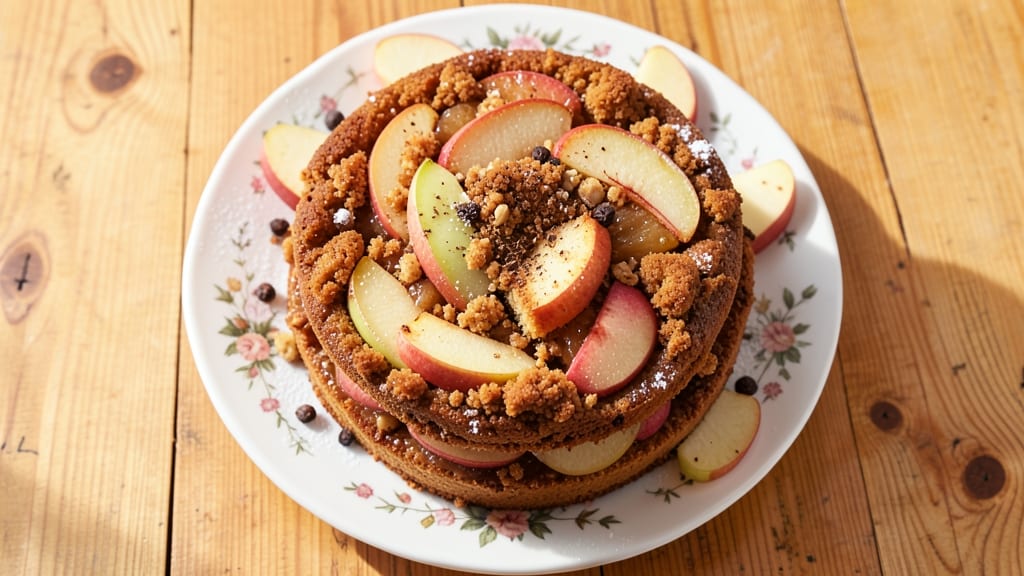
Martha Stewart's apple cake recipe delivers the perfect balance of moist, spiced layers and a delicate lattice top that makes every slice look like it came from a bakery. The secret lies in combining tart apples with warm cinnamon and nutmeg, then layering them between tender cake batter.
I've baked this version dozens of times, and it never fails to impress—whether for a family gathering or a quiet afternoon treat.
What sets this recipe apart is the lattice crust, which adds visual appeal without overpowering the cake's natural sweetness. The apples stay juicy thanks to a precise baking technique that prevents them from turning mushy, while the spice blend creates layers of warmth in every bite.
With just 30 minutes of prep and 45 minutes in the oven, you'll have a showstopping dessert that tastes homemade.
By the time you pull this cake from the oven, you'll have golden-brown layers with a crisp lattice top and tender, moist crumb that practically melts in your mouth.
The aroma alone will have everyone gathering around the kitchen, and the first slice reveals perfectly balanced flavors—sweet apples, spiced cake, and just enough tartness to keep it interesting. This is the kind of dessert that makes baking feel like an art form.
Serve warm with vanilla ice cream or whipped cream for the full experience, or enjoy it at room temperature with a dusting of powdered sugar. The leftovers keep well for days, making this an ideal recipe for meal prep or holiday baking. Here's how to make it perfectly every time.
Ingredients for martha stewart apple cake
Nine essential ingredients transform into Martha's legendary apple cake with crisp lattice top.
| Ingredient | Amount | Notes |
|---|---|---|
| All-Purpose Flour 🌾 | 3 cups | Sifted for even texture |
| Granulated Sugar 🍚 | 2 cups | White or light brown |
| Light Brown Sugar 🍚 | ½ cup | Packed firmly |
| Baking Powder 🧂 | 2 tsp | Aluminum-free preferred |
| Ground Cinnamon 🌿 | 2 tsp | Freshly ground preferred |
| Ground Nutmeg 🌿 | ½ tsp | Freshly grated for warmth |
| Salt 🧂 | ½ tsp | Fine sea salt |
| Unsalted Butter 🧈 | 1 cup | Cold, cubed for cutting |
| Large Eggs 🥚 | 2 whole | Room temperature |
| Vanilla Extract 🍯 | 1 tsp | Pure vanilla preferred |
| Tart Apples 🍎 | 4 medium | Peeled, cored, sliced thin |
| Lemon Juice 🍋 | 2 tbsp | Freshly squeezed |
| Powdered Sugar 🍚 | ¼ cup | For dusting |
The apples are non-negotiable—Granny Smiths or Fuji work best for that perfect tart-sweet balance. Trader Joe's or Whole Foods always have the best selection, but grocery store apples (even the sad-looking ones) work if they're firm and vibrant. Avoid anything mealy or bruised. I like to peel them for a cleaner look, but the skin-on version adds texture. Pro tip: Toss the slices with 1 tbsp lemon juice right away to keep them from browning while you prep the rest. The butter should be cold—no melting here, or your lattice will turn out greasy instead of crisp.
No vanilla extract? 1 tsp vanilla sugar works in a pinch (mix 1 tsp sugar + 1/4 tsp vanilla). Running low on nutmeg? Allspice at half the amount gives a similar warmth. For the apples, substitute pear slices if needed—just add a pinch more cinnamon. The brown sugar can be swapped for white, but you'll lose that caramel depth. And if your baking powder is old (over 6 months), test it first—mix with hot water to see if it bubbles. If not, time for a new canister. The flour? King Arthur or Gold Medal brands are my go-tos—they bake up lighter every time.
This cake tastes even better the next day, so bake it ahead if you can. Store wrapped at room temp for 3 days, or in the fridge for 5 days if you're prepping for a party. For longer storage, freeze the whole cake (unwrapped) for up to 3 months. Thaw at room temp, then dust with powdered sugar. The lattice top? Best served warm, but if you must reheat, 10 seconds in the microwave with a damp paper towel keeps it moist without sogging the crust. And save those apple peels—they make great compost or homemade apple cider!
Why You'll Love This Recipe
- No Fuss Mixing: I swear by this recipe’s dry-and-wet-ingredient combo—just toss everything in a bowl, stir until just combined, then bake. No egg whites to whip, no butter creaming, no stress. Honestly, I’ve made it in my daughter’s tiny kitchen while she stood on a stool mixing in the apples.
- Spiced Perfection: That brown sugar and cinnamon? It’s magic. The cake’s got this warm, caramelized edge where the sugar melts slightly, while the crumb stays tender—like a hug in dessert form. (Yes, even on a Tuesday night.)
- Bake-Then-Use Flex: Here’s what sold me—this cake stays moist for days, so I’ll bake one on Sunday, slice it for breakfast toast, pack it for lunches, and still have pieces for dessert. No sad, dry cake here.
- Budget-Friendly Staples: All you need is flour, sugar, and a cinnamon stick’s worth of spice. I’ve made this for under $3 a serving, and it’s the kind of cake that makes people ask, “Wait, this was cheap?” while they go back for seconds.
Step-by-step instructions for Martha Stewart's apple cake
Here's how to create layers of spiced apple goodness with that signature lattice top.
Prepare the Apples and Dry Ingredients
Begin by peeling, coring, and thinly slicing the 4 medium tart apples. Toss them with the 2 tablespoons lemon juice to prevent browning while you prepare the rest. This keeps them vibrant and bright in the cake.
In a medium bowl, whisk together the 3 cups all-purpose flour, 2 teaspoons baking powder, 2 teaspoons ground cinnamon, 0.5 teaspoon ground nutmeg, and 0.5 teaspoon salt. Sift the mixture once to ensure no lumps remain—this guarantees an even texture throughout your cake layers. I like to press the dry ingredients through a fine-mesh sieve for extra smoothness.
Cream Butter and Sugars for Moist Layers
In a large mixing bowl, combine the 1 cup cold unsalted butter, 2 cups granulated sugar, and 0.5 cup packed light brown sugar. Beat with an electric mixer on medium speed for 3-4 minutes until light and fluffy. You'll see the mixture nearly double in volume and turn pale—the air incorporated here is what keeps your cake moist.
Add the 2 room-temperature large eggs one at a time, mixing well after each addition. After the second egg, stir in the 1 teaspoon vanilla extract. Scrape down the sides of the bowl to ensure everything is fully incorporated before adding the dry ingredients.
Combine Wet and Dry Ingredients
Gradually add the sifted dry ingredients to the butter mixture, mixing on low speed just until combined. Avoid overmixing—stop as soon as the flour disappears. This prevents tough cake layers. Gently fold in the prepared apple slices using a rubber spatula, ensuring even distribution throughout the batter.
Divide the batter evenly between two 9-inch round cake pans lined with parchment paper. I use a kitchen scale for precision, aiming for about 1½ cups batter per pan. Smooth the tops with a spatula and bake at 350°F for 25-30 minutes, until a toothpick inserted in the center comes out clean.
Create the Lattice Topping
While the cake layers bake, prepare the lattice topping. Cut 12 strips of dough (about 2 inches wide) from the remaining batter—you'll need about 2 cups total. Arrange 6 strips horizontally across a baking sheet, spacing them evenly. Then lay 6 vertical strips perpendicular to the horizontal ones, creating a classic lattice pattern.
Bake the lattice at 350°F for 15-18 minutes, until golden brown. The strips should be firm enough to handle but still slightly soft in the center. Let cool completely before assembling.
Assemble and Bake the Final Cake
Once the cake layers have cooled, place one layer on a serving plate. Spread a thin layer of the reserved apple mixture (if any) or simply place the lattice on top. Gently press the lattice strips into place, creating that iconic crisscross pattern. Add the second cake layer on top, pressing lightly.
Dust the entire cake with the 0.25 cup powdered sugar for a sweet finish. Bake the assembled cake at 325°F for 15-20 minutes, just until the top is golden and the lattice is set. Let cool completely before slicing. The result? A perfectly moist apple cake with that signature lattice top that Martha Stewart is famous for.
Pro Tips For Making Martha Stewart Apple Cake
- Whisk Dry Ingredients First: I learned this the hard way—skipping this step means lumps in your cake. Sift the flour, baking powder, and cinnamon together before adding wet ingredients. That way, the baking powder distributes evenly, and your cake rises properly instead of sinking in the middle.
- Use Cold Butter: Martha’s recipe likely calls for softened butter, but don’t let it get warm. Cold butter creates flaky layers that make this cake tender, not greasy. Cut it into small cubes, then mix it into the sugar until it’s just combined—no need to overwork it.
- Don’t Overmix the Batter: This isn’t the prettiest method, but it’s the tastiest. Stir the wet and dry ingredients just until combined—about 10 strokes. Overmixing develops gluten, which makes the cake dense. A slightly lumpy batter is normal and won’t ruin the texture.
- Test Apples for Ripeness: If your apples are too firm, they’ll turn mushy in the oven. Press gently—if they yield slightly, they’re perfect. For extra flavor, toss them in lemon juice and a pinch of sugar before folding into the batter. This keeps them bright and prevents a soggy center.
Troubleshooting perfect results
Cake Too Dense?
If your apple cake turns out dense instead of tender, overmixing the batter is likely the culprit. I’ve found that stopping as soon as the flour disappears—no more than 10-12 strokes—prevents gluten formation.
Also, ensure your butter is cold (not softened) when creaming with sugars. If your oven runs hot, reduce the temperature to 325°F and add 5 minutes to the baking time to avoid overcooking the layers.
Lattice Won’t Stay Crisp
The lattice top often loses its crispness if the cake layers aren’t fully cooled before assembly. Let the layers rest for at least 30 minutes at room temperature before placing the lattice on top.
Another trick? Brush the lattice strips lightly with egg wash (1 egg white + 1 tbsp water) before baking—they’ll turn golden and crispy instead of pale and soft. 🌟
Apples Too Mushy
Over-slicing or using overly ripe apples can turn your filling into a watery mess. Stick to firm, tart apples like Granny Smiths, and slice them ¼-inch thick—no thinner!
Tossing the slices with 1 tbsp cornstarch before folding into the batter absorbs excess moisture. Also, avoid pre-baking the apples; raw slices keep their texture better in the cake.
Cake Sinks in Center
A sunken center usually means the cake wasn’t baked long enough or the oven temperature fluctuated. Use an oven thermometer to confirm your oven is at 350°F—many home ovens run 25°F hotter or colder than set.
If your toothpick comes out clean but the center still looks underdone, add 5-10 minutes to the bake time. For extra insurance, place the pans on the middle rack—hot spots at the top or bottom can cause uneven baking.
Dry or Crumbly Texture
Dry cake often results from overbaking or using too much flour. To fix this, reduce the baking powder to 1½ teaspoons (instead of 2) for a lighter crumb. If your cake still feels dry, try adding 2 tbsp sour cream or 1 tbsp applesauce to the batter for moisture.
For storage, wrap the cake tightly in plastic wrap and place it in an airtight container to retain freshness.
Lattice Strips Break
If your lattice strips crack or fall apart during assembly, the batter was likely too warm when cut. Chill the dough strips for 10-15 minutes in the fridge before baking to firm them up.
For extra stability, use a pizza cutter to score the strips into ½-inch sections before arranging them on the cake. This creates a more forgiving, flexible lattice that holds together beautifully. 💡
Nutrition facts
Frequently asked questions
Can I make this apple cake without a lattice top?
The lattice is iconic, but you can absolutely skip it! Simply bake the cake layers as directed, then top with a simple cream cheese frosting or dust with powdered sugar. The spiced apple filling will still shine through—just lose that beautiful visual detail. For a rustic look, try a crumb topping made with ½ cup flour, ¼ cup brown sugar, and 3 tbsp cold butter.
What's the best way to store leftovers?
Wrap the cake tightly in plastic wrap and place it in an airtight container at room temperature for up to 3 days. For longer storage, freeze the whole cake (unwrapped) for up to 3 months. Thaw overnight in the fridge, then dust with powdered sugar to refresh. The texture stays moist even after freezing when stored properly.
Can I substitute pears for apples?
Yes! Use 4 medium pears instead, but reduce the cinnamon to 1½ teaspoons since pears are naturally sweeter. Toss the pear slices with 1 tbsp lemon juice to prevent browning. For extra flavor, add ½ teaspoon vanilla extract to the batter. The texture will be slightly different but still delicious.
Why does Martha Stewart's version use both granulated and brown sugar?
The combination creates the perfect balance: granulated sugar dissolves quickly for even sweetness, while brown sugar adds moisture and caramel depth. The ½ cup brown sugar also enhances the apple flavor and keeps the crumb tender. For a lighter cake, you can replace all brown sugar with granulated, but you'll lose that signature richness.
How do I make this cake gluten-free?
Replace the all-purpose flour with a 1:1 gluten-free baking flour blend (like Bob's Red Mill) plus ½ teaspoon xanthan gum. Use the same measurements, but add 2 tbsp extra liquid (like apple juice) to compensate for dryness. The lattice may be slightly more fragile, so chill the strips before baking. Expect a denser texture, but still delicious!