
Main Courses
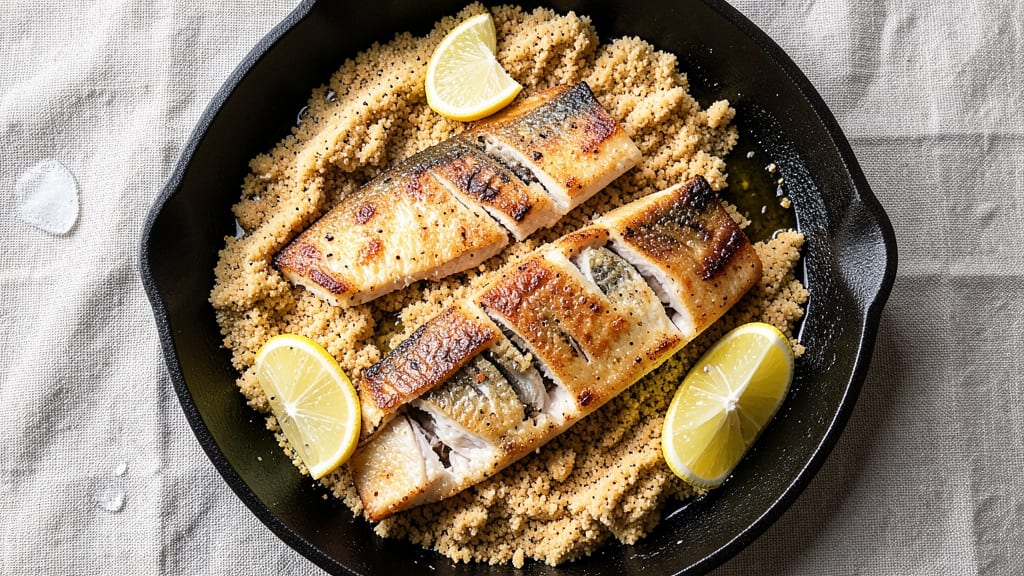
This mackerel fish deep fry recipe delivers the perfect balance of crispy gold skin and flaky centers that melt in your mouth—exactly what makes fried fish worth the effort. After years of perfecting the technique, I’ve cracked the code for achieving that restaurant-quality crunch without the mess or guesswork.
The secret lies in the right batter ratio and maintaining precise oil temperature, which transforms even the simplest mackerel into something extraordinary.
What sets this recipe apart is the foolproof batter that creates a lacy, airy crust while keeping the fish tender inside. You’ll need just five key ingredients—flour, baking powder, salt, a splash of soda, and ice-cold water—to build a coating that crisps to perfection.
The fish fries in just 3 to 4 minutes per side, ensuring the center stays moist and the exterior achieves that coveted crispy, golden-brown finish.
By the time you plate this dish, you’ll have crispy, aromatic mackerel with a delicate crunch that gives way to tender, flavorful flesh. The aroma of sizzling fish fills the kitchen, and the first bite delivers that satisfying contrast—crunchy outside, flaky inside.
Serve with lemon wedges, tartar sauce, or a spicy mayo dip to elevate the experience even further.
This recipe is perfect for weeknight dinners, seafood lovers, or anyone craving a restaurant-style meal at home. Whether you’re feeding a family or treating yourself, the results are always impressive. Let’s get started on creating your own crispy, golden mackerel that’ll have everyone asking for seconds.
Ingredients for mackerel fish deep fry
Five simple ingredients transform mackerel into crispy gold perfection with flaky centers.
| Ingredient | Amount | Notes |
|---|---|---|
| Fresh Mackerel Fillets 🐟 | 1 ½ lb | Skin-on, boneless, cut even thickness |
| All-Purpose Flour 🌾 | 1 ½ cups | White or whole wheat preferred |
| Baking Powder 🍞 | 1 tbsp | Aluminum-free for best results |
| Diamond Crystal Kosher Salt 🧂 | 1 ½ tsp | Fine grain preferred |
| Ice-Cold Water 💧 | 1 cup | Tap or filtered preferred |
| Vegetable Oil 🫒 | 3 cups | High smoke point, like Crisco |
| Lemon Wedges 🍋 | 4 whole | For serving, fresh preferred |
| Tartar Sauce 🥣 | ½ cup | Store-bought or homemade |
| Spicy Mayo Dip 🌶️ | ½ cup | Optional, homemade preferred |
| Paprika 🌶️ | ½ tsp | Smoked for extra flavor |
| Black Pepper 🌶️ | ¼ tsp | Freshly ground for best flavor |
| Digital Kitchen Thermometer 🌡️ | 1 whole | For oil temperature monitoring |
The mackerel is everything here—fresh, skin-on fillets are non-negotiable. Look for sushi-grade quality at specialty seafood markets or well-stocked grocery stores like Whole Foods. If your fillets vary in thickness, pound them gently with a meat mallet to even 1/2-inch thickness. The skin should be intact and shiny, not dried or discolored. For best results, use the fish within 24 hours of purchase. If you're feeling fancy, ask the fishmonger to skin and portion the fillets for you—it saves time and ensures consistency.
No baking powder? Self-rising flour at 1.5 cups works perfectly—just skip the extra salt. Running short on vegetable oil? Peanut or canola oil both work great, but avoid olive oil (it burns too easily). The batter needs to be ice-cold—if it warms up, your crust will be tough. For extra crunch, add 1 tbsp cornstarch to the flour mix. The lemon wedges should be bright yellow with no blemishes—they add that final pop of freshness that makes all the difference. And if you're making the spicy mayo dip, Sriracha and mayo is the perfect combo.
Keep your oil temperature steady at 350°F using that digital thermometer—it's the secret to perfect crispiness. The batter will keep in the fridge for up to 24 hours if you mix it ahead, but let it come to room temperature before using. Fried mackerel stays crispy for about 20 minutes after frying, so work quickly. Store leftovers in the fridge for up to 2 days—they reheat beautifully in a skillet with a splash of oil. For a restaurant-style touch, serve with extra lemon and a sprinkle of flaky sea salt right after frying.
Why You'll Love This Recipe
- No-Fuss Batter Magic: I swear by that ice-cold water trick—just mix the flour, baking powder, and salt, then stir in the water until it’s smoother than my morning coffee. Three ingredients, two minutes of work, and zero stress.
- Crispy-Creamy Heaven: That golden crust? It’s all in the kosher salt and baking powder combo—crunchy outside, tender inside, with just enough oceanic richness from the mackerel. Honestly, it’s the kind of bite that makes you forget to set the table.
- Weeknight & Party Star: Fry up a batch for Tuesday dinners or double it for game day—it reheats like a dream (air fryer or oven, no questions asked). My roommates still don’t know half the time it’s “fancy” or “takeout.”
- Budget-Friendly Protein: Fresh mackerel is cheaper than chicken, and this recipe stretches it far. Leftovers? Toss them in salads or wraps the next day—no waste, all flavor, and my wallet thanks me every time.
Step-by-step instructions for crispy gold mackerel
Perfectly golden, flaky mackerel with a crunchy exterior and tender interior—here's how to achieve it every time.
Prepare the Battering Mixture
In a large bowl, whisk together the 1.5 cups all-purpose flour, 1 tbsp baking powder, 1.5 tsp diamond crystal kosher salt, 0.5 tsp paprika, and 0.25 tsp black pepper until evenly combined. This dry blend is the foundation for that irresistible crispy crust. I like to sift the flour first to eliminate any lumps, which helps create a lighter, more delicate batter.
Gradually pour in the 1 cup ice-cold water while whisking continuously. The water should be ice-cold—this prevents the baking powder from activating too quickly and ensures a tender, not gummy, batter. Whisk until you achieve a smooth, pourable consistency, similar to heavy cream. If it's too thick, add 1-2 teaspoons of ice-cold water until it flows easily. Let the batter rest for 5 minutes at room temperature—this allows the flour to fully hydrate and the baking powder to bloom properly.
Cut and Pat Dry the Mackerel Fillets
Using a sharp fillet knife, cut the 1.5 lb fresh mackerel fillets into 4 equal portions, ensuring each piece is uniform in thickness—about ½-inch thick. Uniform thickness guarantees even cooking. Pat the fillets dry with paper towels, pressing firmly to remove any surface moisture. Wet skin prevents the batter from adhering properly and can cause the fillets to steam instead of crisp.
Place the dried fillets on a wire rack set over a plate to catch any excess moisture. Let them air-dry for 10 minutes at room temperature. This step is crucial—it maximizes surface area for the batter to cling to, resulting in a thicker, more stable crust. If you're short on time, you can skip the rack and pat them dry again just before frying, but the extra drying time makes all the difference.
Heat the Oil to the Perfect Temperature
Fill a deep, heavy-bottomed pot or Dutch oven with the 3 cups vegetable oil to a depth of about 2 inches. Insert the digital kitchen thermometer and heat the oil over medium heat until it reaches 350°F. This temperature is critical—too low, and the mackerel will absorb oil and turn greasy; too high, and the exterior will burn before the interior cooks through. Maintain the oil at 350°F throughout the frying process, adjusting the heat as needed.
To test the oil's readiness, drop a small piece of batter into the oil. If it sizzles immediately and rises to the surface within 10 seconds, the oil is ready. Keep a small bowl of ice water nearby—this is where you'll plunge the fried mackerel to halt cooking and maintain crispness. Never reuse oil for multiple batches of frying, as it breaks down and loses its ability to create a proper crust.
Fry the Mackerel to Crispy Perfection
Working in batches to avoid overcrowding, carefully dip each mackerel fillet into the batter, allowing any excess to drip off. Gently lower the coated fillets into the 350°F oil, being careful not to splash. Fry for 3-4 minutes per side, or until the exterior turns a deep golden brown and the internal temperature reaches 145°F on the thermometer. The fillets are done when they release easily from the oil and the crust is firm to the touch.
Use a slotted spoon to transfer the fried mackerel to the prepared ice water bath. This shock treatment stops the cooking process instantly and helps preserve the crispy texture. Let the fillets sit in the ice water for 1 minute, then transfer them to a wire rack set over a paper towel-lined plate. Sprinkle with a pinch of diamond crystal kosher salt while still hot to enhance the flavor.
Serve Immediately with Classic Dipping Sauces
Serve the crispy mackerel fillets immediately, accompanied by the 4 whole lemon wedges, 0.5 cup tartar sauce, and 0.5 cup spicy mayo dip. The lemon wedges add a bright, acidic contrast to the rich, fried fish, cutting through the oil and highlighting the natural flavors. The tartar sauce and spicy mayo dip complement the crispy exterior and flaky interior, adding layers of texture and heat.
For the best experience, arrange the fillets on a platter with the dipping sauces in small bowls. The contrast of the crispy, golden crust with the tender, flaky fish inside is what makes this dish truly special. Enjoy while the mackerel is still warm and the crust is at its peak crispiness—this dish doesn't wait, and every bite is worth it.
Pro Tips For Making Mackerel Fish Deep Fry
- Pat the fillets DRY: Mackerel holds moisture like a sponge, and that’s the enemy of a crispy crust. After cleaning, press each fillet between two paper towels—hard—for at least 30 seconds. I learned this the hard way when my first batch turned out soggy despite perfect frying. Trust me, the extra 30 seconds now saves you from greasy, limp fish later.
- Use ice-cold water for batter: Your batter needs to be colder than a winter morning. Mix the flour, baking powder, and salt first, then slowly add ice-cold water (not tap water) until it’s just thick enough to coat the back of a spoon. Cold water keeps the gluten relaxed, so your coating stays light and crispy—not dense and gluey. Yes, even if you’re impatient like me.
- Fry in small batches: Crowding the pan drops the oil temperature faster than a mackerel in a net. Fry 2 fillets at a time max—any more and the oil will sputter like a bad campfire. Use a slotted spoon to gently lower and remove them, and resist the urge to flip too soon. The crust needs 3-4 minutes per side to turn golden, not just "cooked."
- Add a pinch of salt to the oil: Sounds weird, but it works: sprinkle ½ teaspoon of kosher salt into the hot oil before frying. It seasoning the crust from the inside out, cutting through the fish’s natural richness. Skip this, and your bite will taste like plain fried fish—no matter how perfect the crust looks. (Your future self will thank you.)
Common mistakes when making your mackerel fish deep fry
Skipping the Drying Step
One of the most common mistakes is rushing through the drying process. Mackerel skin needs to be completely dry before battering—any moisture causes the batter to steam instead of crisp. I’ve seen people skip this step entirely, resulting in soggy, uneven crusts.
Pat your fillets dry with paper towels and let them air-dry on a wire rack for 10 minutes at minimum. This ensures the batter adheres properly and creates that perfect crunch. 🌡️
Overcrowding the Oil
Overcrowding the fryer is a rookie mistake that leads to uneven cooking and greasy fish. When you drop too many fillets into the oil at once, the temperature plummets, causing the batter to absorb oil instead of crisping.
Fry in batches of 2 fillets max to maintain that critical 350°F temperature. I always use a slotted spoon to carefully lower each piece—patience here makes all the difference.
Incorrect Oil Temperature
Frying at the wrong temperature ruins everything—too low, and your mackerel turns greasy; too high, and it burns before cooking through. Always use a digital thermometer to confirm 350°F. I’ve seen people eyeball it and end up with fish that’s either raw inside or charred outside.
Test the oil by dropping in a small batter piece—if it sizzles and floats within 10 seconds, you’re golden. Adjust heat as needed to keep it steady.
Reusing Frying Oil
Many home cooks reuse oil for multiple batches, thinking it saves time. But fried fish oil breaks down quickly, losing its ability to create a crispy crust and absorbing flavors from previous batches.
Always use fresh oil for each fry—it’s worth the extra 3 cups to guarantee that perfect golden finish. Discard used oil properly (I store it in a sealed container for disposal) and never mix old oil with new.
Batter Too Warm
A warm batter activates the baking powder too quickly, leading to a dense, gummy crust instead of a light, crispy one. The water in your batter must be ice-cold—I even keep it in the freezer for 10 minutes before mixing.
If your kitchen is warm, chill the bowl in the fridge for 5 minutes before adding the water. This small step transforms your crust from sad to spectacular. ⚡
Skipping the Ice Bath
Plunging fried mackerel into ice water might seem extreme, but it’s the secret to maintaining crispiness. Without this step, the fish continues cooking and loses its crunch. After frying, transfer your fillets to a bowl of ice water for 1 minute, then pat dry before serving.
This shock treatment stops cooking instantly and keeps the crust firm. I’ve seen people skip this entirely—don’t make that mistake!
Nutrition facts
Frequently asked questions
Can I use frozen mackerel for this recipe?
Fresh mackerel delivers the best texture, but you can use frozen fillets if thawed properly. Pat them completely dry after thawing and air-dry for 15 minutes to remove excess moisture. Never fry partially frozen fish—it steams instead of crisps. For best results, purchase sushi-grade frozen mackerel and thaw it overnight in the fridge.
How do I know when the oil is ready?
Use a digital thermometer to confirm 350°F—this is non-negotiable for crispy results. Test it by dropping in a small piece of batter: if it sizzles immediately and floats within 10 seconds, your oil is perfect. Avoid the "candle test" (it's inaccurate) and never rely on visual cues alone—they're misleading.
What's the best way to store leftovers?
Keep fried mackerel in an airtight container in the fridge for up to 2 days. Reheat gently in a skillet with 1 tablespoon oil over medium-low heat for 2-3 minutes per side to restore crispiness. Avoid microwaving—it makes the crust soggy. For longer storage, freeze for 1 month, but expect the texture to be slightly less crisp after thawing.
Can I make the batter ahead of time?
Yes, but keep it in the fridge for up to 24 hours and bring it to room temperature before using. For extra crispiness, chill the batter for 1 hour before frying—this prevents premature activation of the baking powder. Stir well before using and adjust consistency with 1-2 teaspoons ice water if needed.
What if my mackerel comes out greasy?
Greasy fish usually means the oil was too cool or the fish wasn't dry enough. Next time, pat fillets extra dry, maintain 350°F oil, and fry in smaller batches. For immediate fixes, sprinkle with 1 teaspoon cornstarch and broil for 1 minute to restore crispiness. Also ensure your oil is fresh—reused oil loses its ability to create a proper crust.