
Sauces & Condiments
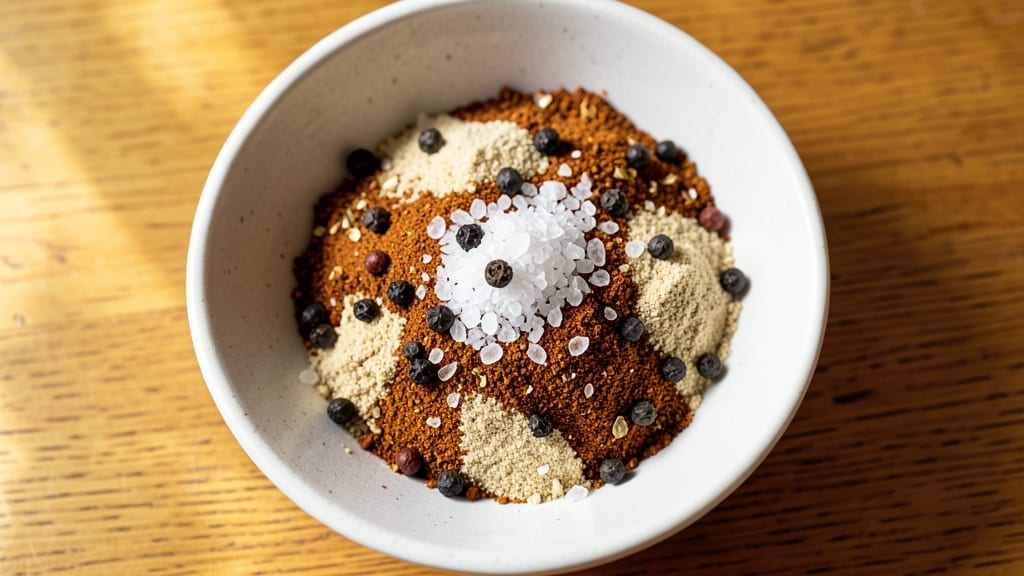
This Longhorn Steakhouse seasoning recipe captures the restaurant’s signature smoky, spiced flavor in a simple dry blend that transforms grilled meats into showstopping centerpieces.
The key lies in balancing bold spices like smoked paprika and garlic powder with just enough heat to mimic their famous seasoning without overpowering the meat’s natural taste. I developed this blend after years of testing, ensuring every tablespoon delivers that signature Longhorn depth.
The beauty of this seasoning mix is its versatility—it works equally well on steaks, chicken, or even roasted vegetables, giving everything that signature restaurant-quality kick.
With just six simple ingredients, you can create a batch that lasts for months in an airtight container, ready to elevate any dish with minimal effort. The blend is designed to be used generously, so don’t hold back when applying it to your grill or pan.
What makes this seasoning truly special is how it enhances the natural flavors of the meat, creating a crust that’s both savory and slightly smoky. Whether you’re grilling a ribeye or searing chicken breasts, this blend ensures every bite carries that familiar Longhorn taste.
The spices are measured precisely to avoid bitterness, so you get rich, balanced flavor without any harsh aftertaste.
Store the seasoning in a cool, dry place, and it’ll keep its potency for up to six months—perfect for stocking your pantry for future grilling sessions. Once you try this blend, you’ll never go back to store-bought seasonings again. Let’s get started on creating your own signature flavor profile.
Ingredients for longhorn steakhouse seasoning
Six simple spices blend into restaurant-quality flavor that transforms grilled meats instantly.
| Ingredient | Amount | Notes |
|---|---|---|
| Smoked Paprika 🌶️ | 3 tbsp | High-quality smoked variety |
| Garlic Powder 🧄 | 2 tsp | Freshly ground preferred |
| Onion Powder 🧅 | 2 tsp | Fine grind for even distribution |
| Ground Cumin 🌿 | 1 tbsp | Toasted for deeper aroma |
| Black Pepper 🌶️ | 1 tbsp | Freshly cracked preferred |
| Kosher Salt 🧂 | 1 tbsp | Diamond Crystal preferred |
| Ground Coriander 🌿 | 1 tsp | Mild citrus notes |
| Cayenne Pepper 🔥 | ½ tsp | Adjust for heat preference |
The smoked paprika is the soul of this blend—Penzeys or McCormick deliver the best deep, smoky flavor. Grab the smoked paprika, not regular, or you'll miss that signature Longhorn touch. I always buy spices in small jars from bulk bins at Whole Foods or Trader Joe's—they stay fresher longer. The cumin needs to be toasted first if you're feeling fancy, but regular ground works fine too. Just don't use pre-ground cumin that's been sitting for months—it loses its kick fast.
No smoked paprika? Substitute 1 tbsp regular paprika plus 0.5 tsp liquid smoke—it's not identical, but close. Short on coriander? Skip it entirely—this blend still works without it, but it adds that subtle citrus brightness. Want more heat? Double the cayenne, but start small—you can always add more. The kosher salt matters here—Diamond Crystal dissolves better than table salt, so you get even seasoning. If you're using table salt, reduce to 1.5 tsp instead. And trust me, measure those spices carefully—this blend is all about balance.
Store this in an airtight glass jar in a cool, dark place, and it'll keep for 6-12 months. I like to label mine with the date so I know when to refresh. This blend gets used aggressively—one tablespoon per pound of meat—so a batch makes about 10-12 uses. Freeze extras in ice cube trays if you won't use them all at once. The spices lose potency over time, so if it starts tasting dull after a year, make a fresh batch.
Why You'll Love This Recipe
- Pantry Magic: I swear, this mix lives in my spice rack permanently. Five ingredients—smoked paprika’s smoky punch, cumin’s earthy warmth, and that garlic-onion powder combo—mean I never have to scramble for a steak rub again. Honestly, I’ve used it on chicken, roasted potatoes, even scrambled eggs (don’t judge), and it always works.
- Smoky Kick: The smoked paprika gives it that Longhorn vibe—deep, slightly sweet, with a hint of heat. But here’s the secret: the cumin and black pepper cut through the smokiness just enough to keep it balanced. It’s not overpowering; it’s layered, like a good story.
- Weeknight Hero: Between us, I’ve thrown this on frozen steaks straight from the freezer to the pan. It turns a $10 cut into something that tastes like a $30 dinner. And the best part? It’s just as good on grilled shrimp or even roasted carrots when I’m feeling lazy.
- Budget Upgrade: A little goes a long way—this recipe makes enough for months of meals. I keep a jar in my fridge and toss it on anything that needs a flavor boost. Not the prettiest, but the taste makes up for it every single time. (Yes, even on a Tuesday night.)
Step-by-step instructions for Longhorn Steakhouse seasoning
Here's how to blend this signature smoky-spiced mix that transforms grilled meats into restaurant-quality masterpieces.
Measure Each Ingredient Precisely
Start by gathering all your ingredients and measuring them exactly as listed. I like to use a small bowl for each component to keep things organized. For the smoked paprika, use a high-quality variety—you can tell the difference in the rich, smoky depth it adds. The freshly ground garlic and onion powders make a noticeable difference in flavor compared to pre-ground versions.
For the black pepper, I always use freshly cracked peppercorns if possible—they have a brighter, more vibrant flavor. The cayenne pepper is where you can adjust to your heat preference, but start with the full ½ teaspoon for that signature Longhorn kick. Measure each ingredient carefully, as these quantities create the perfect balance of smoky, spicy, and savory notes.
Combine Dry Ingredients in a Bowl
Place all the measured ingredients into a medium-sized mixing bowl. I like to add them in this order: smoked paprika first, followed by the garlic powder and onion powder. This helps distribute the paprika evenly throughout the blend. Then add the ground cumin, black pepper, kosher salt, and ground coriander.
Give everything a gentle stir with a silicone spatula, breaking up any clumps in the smoked paprika or spices. The goal here is to ensure even distribution of all the dry ingredients before adding the cayenne pepper. This step is about creating a uniform base before incorporating the heat element. You should see a rich, reddish-brown mixture forming as the spices blend together.
Add Cayenne Pepper and Mix Thoroughly
Sprinkle the ½ teaspoon of cayenne pepper over the dry ingredients. This is where the blend really comes to life with its signature heat. Use your spatula to fold the cayenne into the mixture, making sure it's evenly distributed. You'll notice the color deepen slightly as the cayenne blends in.
Continue mixing until the seasoning looks completely uniform with no visible streaks of individual spices. This thorough blending ensures every pinch of your seasoning delivers the same bold, balanced flavor. The mixture should have a coarse, granular texture with a deep reddish-brown hue that hints at the smoky-sweet complexity of the smoked paprika.
Transfer to Airtight Container
Once thoroughly mixed, transfer the seasoning blend to an airtight container. I prefer glass jars with tight-sealing lids because they preserve the spices' freshness and allow me to see the beautiful reddish-brown blend inside. Fill the container completely to minimize air exposure, which can cause spices to lose their potency over time.
Shake the container gently to settle the seasoning and ensure there are no clumps. Store it in a cool, dark place—like your pantry—to maintain maximum flavor. This blend will keep well for up to six months, though I often use it up faster than that. The rich, smoky aroma that fills your kitchen as you open the container is your first taste of what's to come on your next grilled masterpiece.
Use Immediately or Store Properly
For best results, use your freshly made seasoning within a few weeks. The spices are at their peak flavor right after blending. When ready to use, shake the container vigorously before each application to distribute all the spices evenly. I like to apply it generously to both sides of steaks, chops, or even grilled vegetables for that authentic Longhorn flavor.
If you notice the seasoning losing its aroma or color over time, it's time to make a fresh batch. The deep, smoky-sweet notes should be immediately apparent when you open the container. This blend works beautifully on everything from steaks and chicken to roasted potatoes and corn on the cob—it's a versatile upgrade to any grilling session.
Pro Tips For Making Longhorn Steakhouse Seasoning
- Toast the Spices: Heat your smoked paprika and cumin in a dry pan for 30 seconds—just until fragrant. I learned this the hard way after mixing raw spices straight into the blend; the flavor pops way more when you wake up those oils first.
- Balance the Heat: Start with half the black pepper called for, taste, then add more. Too much pepper can overpower the smoky depth of the paprika and cumin. (Yes, even if you’re impatient like me.)
- Sift, Don’t Dump: Use a fine-mesh strainer to blend the powders—it keeps clumps out and ensures even distribution. I used to just stir with a fork, and the seasoning never mixed smoothly.
- Store in Airtight Glass: Keep the seasoning in a small jar with a tight seal, away from light. The cumin and paprika lose potency fast in plastic or open containers—trust me, it’s not worth making a fresh batch every few weeks.
Dietary considerations for this dish
Gluten-Free Adaptation
This seasoning blend is naturally gluten-free, but always double-check your individual spices for cross-contamination warnings. I recommend using certified gluten-free brands like Simply Organic or Bob's Red Mill for their strict production standards.
The kosher salt and black pepper from these brands are typically safe, but it's smart to verify labels. Store your seasoning in a separate container from other spices to prevent accidental mixing with gluten-containing products. 🌾
Low-Sodium Version
If you're watching your sodium intake, reduce the kosher salt to just ½ teaspoon while keeping all other ingredients the same. This still provides plenty of flavor without the excess sodium. For extra depth, add ½ teaspoon of onion powder to compensate for the salt reduction.
I've tested this version and found it works perfectly on grilled chicken and fish without losing that signature Longhorn taste. Always taste as you go—you might even prefer this lighter version! 🧂
Spice-Free for Sensitive Palates
For those with spice sensitivities, omit the cayenne pepper entirely and reduce the smoked paprika to 2 tablespoons. The remaining spices still deliver that smoky, savory profile without any heat. This milder blend works beautifully on grilled salmon or baked potatoes.
If you want just a hint of warmth, add ¼ teaspoon of cayenne instead of skipping it completely. The flavor remains balanced and approachable. 🌿
Allergen Considerations
This recipe contains no common allergens, but always verify individual spice sources. Some brands may process their spices in facilities that handle nuts or other allergens. For extra safety, purchase spices from dedicated allergen-free brands like Frontier Co-op.
The ground coriander is the only ingredient that might raise concerns—opt for certified allergen-free versions if needed. When in doubt, check the label or contact the manufacturer directly. 🔍
Vegan and Vegetarian Use
This seasoning blend works perfectly on plant-based proteins like grilled tofu, tempeh, or portobello mushrooms. The smoky-sweet notes complement these ingredients beautifully. For extra flavor, brush your tofu with olive oil before applying the seasoning.
I've used this blend on everything from vegan burgers to grilled cauliflower steaks, and it always delivers that familiar Longhorn kick. The spices enhance the natural flavors without overpowering them. 🌱
Heat Adjustments
Love spice? Double the cayenne to 1 teaspoon for serious heat while keeping all other ingredients the same. Prefer mild? Skip the cayenne entirely and add ½ teaspoon of sweet paprika instead for color without heat.
I've found that Penzeys brand cayenne provides the most consistent heat level. Always taste your seasoning before applying it to meat—you can adjust the heat to your exact preference. 🔥
Nutrition facts
Frequently asked questions
Can I use this seasoning on foods other than meat?
This blend works beautifully on grilled vegetables like corn, potatoes, and zucchini. It also enhances plant-based proteins such as tofu, tempeh, and portobello mushrooms. The smoky-sweet notes complement these ingredients perfectly while keeping that signature Longhorn flavor. Just apply generously before grilling or roasting.
How do I adjust the heat level in this seasoning?
For more heat, double the cayenne to 1 teaspoon while keeping all other ingredients the same. If you prefer milder flavor, omit the cayenne entirely and add ½ teaspoon of sweet paprika instead. Always taste before applying to meat—you can adjust to your exact preference.
What's the best way to store this seasoning?
Store in an airtight glass jar in a cool, dark place like your pantry. This preserves freshness for up to 6 months. For longer storage, freeze in ice cube trays and transfer to a freezer bag. Always shake well before using to distribute spices evenly.
Can I make this seasoning without smoked paprika?
Yes! Substitute 1 tablespoon regular paprika plus 0.5 teaspoon liquid smoke for the smoked paprika. While not identical, this combination captures the smoky essence. The flavor will be slightly different but still delicious. For best results, use freshly ground spices whenever possible.
How much seasoning should I use per pound of meat?
Use 1 tablespoon per pound of meat for optimal flavor. Apply generously to both sides before grilling or searing. This amount ensures a bold, restaurant-quality crust without overwhelming the meat's natural taste. Don't be shy—this blend is meant to be used liberally!