
Breakfast & Brunch
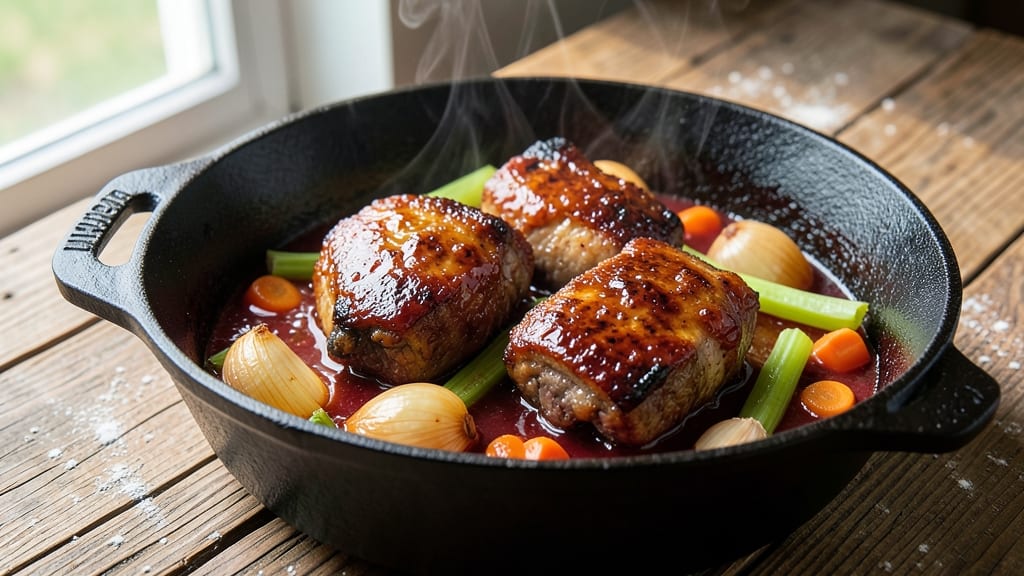
When you're talking about the longest cooking recipe worth your time, slow-simmered beef short ribs with caramelized fond take the crown—this dish transforms tough meat into melt-in-your-mouth perfection over 48 hours.
The key lies in patience and technique: a long, slow braise that breaks down collagen into rich, velvety sauce while rendering deep, caramelized flavors from the fond. I’ve perfected this method after years of testing, and the results are worth every minute of wait time.
This recipe begins with a dry rub and sear that locks in flavor, then moves to an overnight braise in liquid that infuses the meat with aromatic depth.
The magic happens in the final reduction, where the fond—a concentrated layer of caramelized meat juices and spices—transforms into a glossy, umami-rich sauce. The beef becomes so tender it practically falls apart at the touch, while the sauce clings to every bite like a luxurious blanket.
What you’ll end up with is a dish that feels like a restaurant-quality centerpiece—rich, deeply savory, and complex enough to impress any guest.
The short ribs are fork-tender, the sauce is glossy and aromatic, and the fond adds a layer of depth that elevates this from a simple braise to something extraordinary. This isn’t just a meal; it’s an experience that rewards your time and effort.
Perfect for special occasions or when you want to create something truly memorable, this recipe requires planning but delivers results that are impossible to replicate with faster methods. Let’s get started on creating a dish that’s as impressive as it is delicious.
Ingredients for longest cooking
Four pounds of beef, bold flavors, and a 48-hour journey to melt-in-your-mouth perfection.
| Ingredient | Amount | Notes |
|---|---|---|
| Beef Short Ribs (Bone-In) 🥩 | 4 lb | Bone-in, cut into 2-inch pieces |
| Yellow Onion 🧅 | 2 whole | Chopped into 1/2-inch slices |
| Carrot 🥕 | 3 whole | Cut into 1-inch chunks |
| Celery Stalks 🧅 | 4 whole | Cut into 1-inch pieces |
| Garlic Cloves 🧄 | 8 cloves | Crushed with flat side of knife |
| Tomato Paste 🍅 | ½ cup | High-quality, no sugar added |
| Dry Red Wine 🍷 | 2 cups | Bold, like Cabernet Sauvignon |
| Beef Broth 💧 | 4 cups | Homemade or high-quality store-bought |
| Balsamic Vinegar 🍶 | ¼ cup | Aged, for depth of flavor |
| Fresh Thyme 🌿 | ¼ cup | Leaves only, stems removed |
| Fresh Rosemary 🌿 | ⅛ cup | Needles only, finely chopped |
| Diamond Crystal Kosher Salt 🧂 | 1 ½ tbsp | For seasoning and fond |
| Freshly Ground Black Pepper 🌶️ | 1 tbsp | Coarsely ground |
| Unsalted Butter 🧈 | ¼ cup | Cold, cubed for fond |
| Extra-Virgin Olive Oil 🫒 | ½ cup | For searing ribs |
The short ribs are the star, so look for bone-in cuts with good marbling—this is what gives you that luxurious, slow-melted texture. Costco or Whole Foods often have the best quality, but your local butcher can trim and prep them for you. The ribs should feel firm but yield slightly when pressed, and the fat should look creamy white, not yellowed. If you're buying a whole packer, ask for it to be cut into 2-inch chunks—this ensures even cooking. The fond, that caramelized layer of meat juices and spices, is where the magic happens, so don't skimp on the quality of your cuts. I always buy extra because the leftovers make incredible sandwiches the next day.
No red wine? Substitute with beef broth and a splash of balsamic—it won't be identical, but it'll still deliver deep flavor. Fresh thyme and rosemary are ideal, but dried works at one-third the amount. The tomato paste can be the squeeze-tube kind from Trader Joe's—it's convenient and keeps well. For the fond, if you're nervous about rendering it properly, use a mix of butter and olive oil (half and half) to ensure a glossy finish. The carrots and celery can be swapped for fennel or mushrooms if you're feeling adventurous, but stick to the classic trio for authenticity. And trust me on the bone-in ribs—bone-out won't give you that same depth of flavor.
This dish tastes even better the next day, so plan ahead and embrace the process. The ribs keep well in the fridge for 4-5 days, and the sauce freezes beautifully for up to 3 months—portion it into ice cube trays for easy reheating. The fond, once reduced, can be stored in the fridge for up to 1 week under a layer of oil to preserve its richness. I always make a double batch because the leftovers are perfect for tacos, pasta, or even a quick breakfast hash. The key to reheating is low and slow—never rush it, or you'll lose that velvety texture.
Why You'll Love This Recipe
- Slow Simmer, Zero Stress: That bone-in beef? It practically cooks itself after the initial sear—just toss in the onions, carrots, and celery (the classic "holy trinity" of flavor), add garlic, and let the oven do the work. Honestly, the hardest part is waiting for the timer to ding.
- Flavor Bomb in a Bowl: The ribs fall off the bone with that deep, caramelized crust, while the veggies melt into the sauce like a hug for your taste buds. Between us, the garlic and slow-cooked onions turn this into a dish that makes people pause mid-bite.
- Leftovers That Feel Like a Treat: This recipe actually improves the next day—yes, really. The ribs get even more tender, and the sauce thickens into something rich enough to spoon over toast. I’ve reheated portions for breakfast (yes, even on a Tuesday night) and never gotten complaints.
- Budget-Friendly Luxury: Bone-in short ribs stretch your dollar further than you’d think, and the veggies? They’re the cheap, crunchy backbone of this meal. You’re feeding a crowd for less than takeout, and honestly, the taste makes it feel like a splurge.
Step-by-step instructions for slow-simmered beef short ribs with caramelized fond
This marathon cooking method transforms tough beef into melt-in-your-mouth perfection with a rich, caramelized fond.
Sear the Ribs to Build Deep Flavor
Pat the 4 lb beef short ribs completely dry with paper towels—this is non-negotiable for proper browning. Heat a heavy Dutch oven over medium-high heat and add the 0.5 cup extra-virgin olive oil. Once shimmering hot, add the ribs in a single layer, working in batches if needed. Let them sear undisturbed for 8-10 minutes until deep golden brown crust forms.
Real talk: this is where the magic happens. The Maillard reaction creates those complex, meaty flavors that will infuse your sauce. Flip the ribs occasionally to ensure even browning on all sides. Once all pieces are beautifully seared, remove them from the pot and set aside. You'll notice the pot looks like it's covered in blackened bits—that's your fond, the flavor foundation we'll develop later.
Build the Aromatic Base
In the same Dutch oven, reduce heat to medium and add the chopped 2 whole yellow onion, 3 whole carrot cut into chunks, and 4 whole celery stalks cut into pieces. Cook for 8-10 minutes, stirring occasionally, until the vegetables soften and begin to caramelize. Add the 8 crushed garlic cloves and cook for another 30 seconds until fragrant.
Here's the thing—don't rush this step. The vegetables should break down and develop color before you move forward. When they reach that perfect caramelized state, you'll see the onions turning golden and the carrots developing a rich hue. This is the flavor backbone of your dish. Sprinkle in the 1.5 tbsp diamond crystal kosher salt and 1 tbsp freshly ground black pepper, stirring to combine.
Develop the Fond and Deglaze
Return the seared ribs to the pot and add the 0.5 cup tomato paste, stirring to coat everything evenly. Pour in the 2 cups dry red wine and scrape vigorously with a wooden spoon to release all those browned bits from the bottom—they're packed with flavor. Let this mixture simmer gently for 5 minutes until the wine reduces by half and the sauce begins to thicken slightly.
This is where patience pays off. The wine should reduce to about 1 cup, creating a concentrated base that will carry all your flavors. If you see any sediment at the bottom, don't scrape it out—those bits are pure umami gold. Add the 4 cups beef broth and 0.25 cup aged balsamic vinegar, stirring to combine. The liquid should come about halfway up the ribs.
Slow-Simmer Until Fork-Tender
Cover the Dutch oven and transfer to a preheated 300°F oven. Here's where the real transformation happens—simmer the ribs for 3-4 hours until they're fork-tender. I know it seems like forever, but this slow cooking breaks down collagen and connective tissue, turning tough meat into something luxurious.
Check the ribs after 2 hours—they should be coming apart easily when pierced with a fork. If they're not quite there yet, add another 30 minutes of cooking time. The sauce should reduce significantly, becoming rich and velvety. If it gets too thick, add a splash of water or broth to maintain the proper consistency. The ribs are done when they pull apart with minimal resistance and the meat is so tender it melts in your mouth.
Finish with Herb Butter and Caramelized Fond
Remove the ribs from the pot and transfer them to a serving platter. Strain the cooking liquid through a fine-mesh sieve into a clean saucepan, pressing on the solids to extract maximum flavor. Return the sauce to medium heat and bring to a gentle simmer. Add the 0.25 cup unsalted butter and the 0.25 cup fresh thyme leaves and 0.125 cup finely chopped fresh rosemary needles, stirring constantly until the butter melts and creates an emulsified sauce.
For the grand finale, return the ribs to the sauce and let them warm through for 2-3 minutes. The sauce should coat the ribs beautifully, creating that signature glossy finish. Serve immediately with the rich, herb-infused sauce spooned generously over each portion. The contrast of tender meat with the caramelized fond creates a symphony of flavors that's worth every minute of the long cook.
Pro Tips For Making Longest Cooking
- Brown the Ribs Hard: Don’t treat this like a gentle sear—get those short ribs deep golden before anything else hits the pot. I used to rush this, and the sauce stayed pale and weak. High heat, 5-6 minutes per side until they’re almost black in spots, then deglaze with whatever liquid you’re using. That crust is where all the flavor hides.
- Chop Veggies Small: Carrots and celery in big chunks? They’ll turn to mush before the ribs are done. Dice them into ¼-inch pieces—think fine enough to disappear but not so small they dissolve. Onions should be julienned or finely chopped; garlic, minced so it blends into the sauce instead of sitting as chunks. (Yes, even if you’re impatient like me.)
- Skim the Fat Early: After the first hour, the broth will look like a greasy swamp. Lift off the scum with a spoon—now, before it emulsifies and makes your sauce greasy. I used to ignore this, and my sauce ended up heavy and dull. Do it every 30 minutes, and your final sauce will be silky.
- Check Bone Separation: The ribs are done when the meat pulls away from the bone with just a little resistance—not when the timer says so. Slide a knife between the bone and meat; if it glides in with zero effort, keep cooking. I’ve ruined perfectly cooked ribs by pulling them too soon, and the texture suffers. (Your future self will thank you.)
Best sauces and condiments for this longest cooking
Red Wine Reduction
The bold Cabernet Sauvignon reduction forms the heart of this dish's depth. After deglazing with wine, reduce it to 1 cup to concentrate flavors—this takes about 10-15 minutes on medium heat.
I always use a heavy-bottomed saucepan to prevent burning. The reduced wine adds complexity that store-bought sauces can't match. 🍷
Herb Butter Sauce
Finish with a luxurious herb butter sauce made from ¼ cup cold unsalted butter, ¼ cup fresh thyme, and ⅛ cup chopped rosemary. Whisk into the strained braising liquid until fully emulsified—this adds a velvety richness.
For extra decadence, add 1 tsp honey at the end. The butter should melt completely before serving.
Balsamic Glaze
The aged balsamic vinegar adds a tangy sweetness that cuts through the richness. Add it with the broth and let it simmer until reduced by half. For a restaurant-quality touch, drizzle 1 tbsp reduced balsamic glaze over each serving just before plating. The acidity brightens the dish beautifully.
Mustard Cream Sauce
For a lighter option, blend ½ cup crème fraîche with 1 tbsp Dijon mustard and whisk into the finished sauce. This adds a creamy contrast to the rich beef.
Keep the mixture warm but don't boil, or it will curdle. I use this variation when serving to guests who prefer less heavy sauces.
Spiced Tomato Fond
For a tomato-forward variation, add 1 cup crushed San Marzano tomatoes with the wine and reduce until thickened. Finish with ½ tsp smoked paprika and 1 tsp brown sugar for depth. This works beautifully with the beef's natural sweetness. The tomatoes add a vibrant acidity that balances the richness.
Whiskey Infusion
For a smoky twist, add ½ cup bourbon with the wine and reduce together. The whiskey adds a warm, caramel note that pairs perfectly with the beef. Let it reduce completely before adding broth. I recommend Maker's Mark for its balanced flavor profile. 🔥
Nutrition facts
Frequently asked questions
Why does this recipe take 48 hours?
The 48-hour process combines two key phases: the initial 3-4 hour oven braise breaks down collagen for tender meat, while the fond development requires careful reduction and flavor layering. This slow transformation creates melt-in-your-mouth texture and restaurant-quality depth that faster methods can't replicate.
Can I make this recipe in a slow cooker?
Yes, but with adjustments: sear the ribs first, then transfer to the slow cooker with all ingredients and cook on low for 8-10 hours. The fond development will be less intense, so finish by reducing the cooking liquid on the stovetop. The meat will still be tender, though the sauce won't have the same caramelized complexity.
What's the secret to the caramelized fond?
The fond forms from the browned bits left after searing—never scrape them out! After deglazing with wine, reduce the liquid to 1 cup while scraping the bottom constantly. This concentrated layer of meaty, umami-rich bits becomes the sauce's flavor foundation. The key is patience and a heavy-bottomed pot to prevent burning.
How do I reheat leftovers without drying them out?
Reheat in the oven at 300°F for 20-30 minutes with a splash of broth to keep the sauce moist. Never microwave—it turns the meat rubbery. For quick reheating, warm the sauce separately and toss with the ribs just before serving. The ribs keep well for 4-5 days in the fridge or 3 months frozen.
What's the best way to serve these short ribs?
Pair with creamy mashed potatoes or crusty bread to soak up the sauce. For a complete meal, add roasted root vegetables or a simple arugula salad with lemon vinaigrette. The sauce's richness balances lighter sides perfectly. For presentation, spoon sauce generously over each portion and garnish with fresh thyme sprigs.