
Desserts
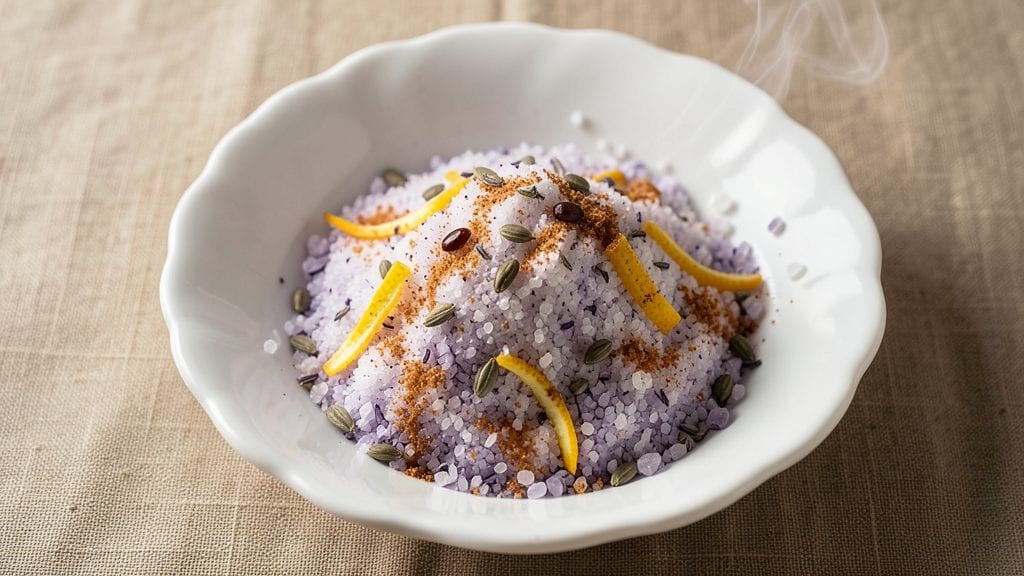
This lavender sugar recipe transforms ordinary desserts and drinks into fragrant, floral masterpieces with just two ingredients and five minutes of prep time. The delicate aroma of lavender pairs beautifully with vanilla, citrus, and spiced treats, elevating everything from shortbread cookies to iced tea.
I developed this blend after discovering how a simple sprinkle of lavender-infused sugar could turn a basic dessert into something restaurant-worthy.
The magic lies in the balance—just enough dried lavender buds to perfume the sugar without overpowering it. This simple dry blend keeps indefinitely in an airtight container, making it a pantry staple for bakers and mixologists alike.
Whether you're dusting scones, sweetening cocktails, or stirring into yogurt, the floral notes add sophistication without complicating the process.
What you'll achieve is a versatile seasoning mix that works in both sweet and savory applications. The sugar absorbs the lavender's essence while maintaining its granulated texture, perfect for measuring directly into recipes.
This isn't just about flavor—it's about creating moments that taste like a French patisserie or a cozy English afternoon tea.
Use it to sweeten lemonade, enhance chocolate truffles, or even sprinkle over vanilla ice cream for an elegant finish. The possibilities are limited only by your creativity, and the results speak for themselves. Let's get started on making this floral sweetness your new kitchen essential.
Ingredients for lavender sugar
Two core ingredients plus optional floral touches create this elegant pantry staple.
| Ingredient | Amount | Notes |
|---|---|---|
| Granulated White Sugar 🍚 | 1 cup | Fine grain preferred for even blending |
| Dried Culinary Lavender Buds 🌸 | 2 tbsp | Food-grade, organic preferred |
| Ground Cinnamon 🌿 | ½ tsp | Optional for warmth (omit for pure lavender) |
| Vanilla Bean Seeds 🍫 | ¼ tsp | Scraped from 1 vanilla bean |
| Orange Zest 🍊 | 1 tsp | Freshly grated for citrus brightness |
| Sea Salt 🧂 | ¼ tsp | Fine grain for subtle seasoning |
The lavender buds are the star—food-grade quality matters. I always source mine from Mountain Rose Herbs or Penzeys Spices, where they're tested for safety and potency. Look for vibrant purple buds, not faded or dusty ones. The sugar should be fine-grained (like Domino or C&H), so it blends evenly. If you can't find culinary lavender, dried lavender flowers from a craft store work in a pinch, but they might have a stronger scent. For the vanilla, Madagascar bourbon vanilla beans give the best flavor, but any quality bean will work. The orange zest adds brightness—use a microplane for fine, even strips.
No lavender on hand? Dried rose petals at half the amount create a similar floral note. Skip the cinnamon for a purer lavender taste, or swap it for cardamom or cloves for a spiced twist. The vanilla bean seeds can be omitted if you don't have one, but the blend will taste less complex. For a citrus-free version, lemon peel powder works as a substitute. If you're making this for savory applications (like sprinkling on roasted meats), reduce the lavender to 1 tbsp and increase the salt to 1 tsp. The sugar absorbs the lavender's aroma best when it's dry—don't use raw sugar, which has moisture content.
Store in an airtight glass jar away from light and heat—this keeps the lavender's potency for 6-12 months. I like to label mine with the date and contents. For best results, shake the jar before each use to redistribute the lavender buds. This blend works in both sweet and savory dishes—start with 1 tsp per recipe and adjust to taste. The sugar loses its floral aroma if exposed to moisture, so keep it in a cool, dry place. Once opened, the vanilla and citrus notes fade faster, so use it within 3-4 months for peak flavor.
Why You'll Love This Recipe
- No-Fuss Infusion: I swear by this method—just toss everything into a jar, shake it once, and let it sit. No straining, no mess, and honestly? The lavender and orange zest blend right into the sugar like magic.
- Unexpectedly Addictive: That first sprinkle on warm milk or baked goods? It’s like sunshine and spice had a baby—bright, floral, and just a hint of vanilla warmth. My kids now ask for it in their cereal (yes, even on a Tuesday).
- Jarred for Everything: I keep a jar of this in my pantry for quick desserts, morning coffee, or even savory glazes. The cinnamon and orange zest make it work in unexpected places—like roasted nuts or holiday cookies.
- Lasts Forever: This stuff doesn’t spoil. I’ve had jars from last summer still perfuming desserts perfectly. Plus, it’s cheaper than buying flavored sugar—just a pinch of lavender goes a long way.
Step-by-step instructions for lavender sugar recipe
Transform simple pantry staples into aromatic lavender sugar with layers of floral, citrus, and vanilla notes.
Combine Sugar and Lavender Buds
In a medium bowl, add the 1 cup granulated white sugar. Using your hands, gently crush the 2 tablespoons dried culinary lavender buds between your palms to release their delicate aroma and oils. This is crucial—it ensures the lavender's essence infuses fully into the sugar rather than sitting as whole buds.
Sprinkle the crushed lavender over the sugar and use a clean silicone spatula to gently fold everything together. You want the lavender to coat the sugar crystals evenly, not clump. Work in small batches if needed, as the sugar will stick slightly to your hands. This step is where the magic begins—the floral notes start developing right away.
Add Vanilla, Citrus, and Warm Spice
To the lavender-sugar mixture, add the 0.25 teaspoon vanilla bean seeds (scraped from a single bean), 1 teaspoon orange zest, and 0.5 teaspoon ground cinnamon. The vanilla seeds bring deep, creamy undertones, while the orange zest adds a bright, zesty contrast that balances the lavender's floral sweetness. The cinnamon adds warmth without overpowering.
Use the spatula to gently mix these ingredients into the sugar. You'll notice the mixture becoming more fragrant—take a moment to inhale deeply. The orange zest should be finely grated, with no large chunks remaining. If you're using pre-grated zest, pulse it briefly in a food processor to remove any excess pith, which can make the sugar bitter.
Incorporate Sea Salt for Depth
Finally, sprinkle in the 0.25 teaspoon sea salt and fold it into the mixture. The salt might seem like a small addition, but it enhances all the other flavors, creating a more complex and well-rounded profile. The fine grain of sea salt ensures it dissolves evenly without leaving gritty bits.
At this stage, your lavender sugar should look like a speckled, golden-hued mixture with tiny flecks of lavender, orange zest, and cinnamon. Give it one final stir to ensure everything is evenly distributed. The texture should be dry and free-flowing, though you might notice a faint floral aroma clinging to your hands—this is a good sign!
Rest for Maximum Flavor Development
Transfer the lavender sugar to an airtight container, such as a small jar or resealable bag. Seal it tightly and let it rest at room temperature for at least 24 hours. This resting period allows the lavender's oils to fully infuse into the sugar, deepening its floral aroma and ensuring every grain is evenly flavored.
After 24 hours, give the mixture a gentle shake to redistribute any settled ingredients. The longer you store it—up to 2 weeks in a cool, dark place—the more pronounced the lavender flavor becomes. If you're in a hurry, you can use it immediately, but the resting time guarantees the best results. Store any unused portion in the refrigerator for up to 3 months to preserve freshness.
Pro Tips For Making Lavender Sugar
- TOAST THE LAVENDER FIRST: I learned this the hard way—raw lavender buds can taste bitter and release too much herbaceousness. Lightly toast them in a dry pan for 30 seconds until fragrant, then cool completely before crushing. This softens the flavor and prevents a grassy aftertaste.
- USE A MORTAR AND PESTLE: Sure, a blender works, but it pulverizes the lavender into dust, which can make the sugar clump and lose its delicate floral notes. A mortar and pestle gives you control—crush the buds just until they break open, leaving visible specks for texture and aroma.
- WEIGH THE SUGAR: Scooping sugar by volume leads to inconsistent ratios, especially when adding lavender, cinnamon, and zest. Use a kitchen scale for precision—aim for a 1:1 sugar-to-lavender ratio (e.g., 1 cup sugar to 1 tablespoon buds) to balance sweetness and floral depth.
- STORE IT RIGHT: This isn’t a recipe you want to make once and forget. Keep the lavender sugar in an airtight container away from light and moisture—it’ll stay fresh for weeks, not days. If it starts clumping, toss it in a sieve to break up lumps before using.
Perfect pairings for lavender sugar
Dessert Pairings
Sprinkle this lavender sugar over vanilla bean ice cream or shortbread cookies for an elegant finish. I love dusting it on lemon tarts or macarons—just ½ teaspoon per serving adds floral sophistication without overpowering.
For a showstopper, mix 1 tablespoon into whipped cream and pipe over strawberries or panna cotta. 🌸
Beverage Infusions
Stir 1 teaspoon into hot chamomile tea or earl grey for a spa-like aroma. For cocktails, rim a gin and tonic glass with the sugar and add a lavender sprig for garnish.
I also muddle ½ teaspoon into sparkling lemonade or prosecco for a refreshing floral twist. The citrus notes in the sugar complement the acidity beautifully.
Pastry Enhancements
Fold 1 tablespoon into scones or biscotti dough before baking for a fragrant surprise. Sprinkle over baked apples or peaches with a drizzle of honey. For a savory touch, mix ½ teaspoon into ricotta cheese for a dessert spread with honeycomb and toasted nuts.
The salt in the blend balances the sweetness perfectly.
Cocktail Rims
Wet the rim of a margarita glass with lime juice, then dip in lavender sugar for a floral-sweet contrast. I also use it to rim espresso martinis or bourbon smashes—the lavender pairs unexpectedly well with smoky or herbal liqueurs.
For a non-alcoholic option, try it on sparkling water with cucumber slices. 🍹
Cheese Board Elevations
Pair this sugar with brie, goat cheese, or mascarpone for a sweet-savory balance. Dot ½ teaspoon portions around a board with fig jam, walnuts, and honey for a sophisticated appetizer.
The floral notes complement creamy cheeses beautifully, while the salt enhances their richness. A pinch on aged cheddar adds a surprising twist to a classic pairing.
Yogurt and Parfaits
Stir 1 teaspoon into Greek yogurt with honey and almonds for a breakfast or dessert option. Layer it with granola and berries in a parfait glass for a fragrant, crunchy-sweet combination.
The vanilla and citrus in the blend make it especially bright when paired with blueberries or raspberries. For extra flair, garnish with a few edible lavender buds.
Nutrition facts
Frequently asked questions
Can I make lavender sugar without vanilla or citrus?
The core recipe only needs 1 cup sugar and 2 tablespoons dried lavender—vanilla and citrus are optional enhancers. For a purer lavender flavor, skip them entirely. The floral notes will still shine, though the blend will taste simpler.
How do I know if my lavender is food-safe?
Always use culinary lavender labeled for food use—avoid floral lavender from craft stores. Look for brands like Mountain Rose Herbs or Penzeys Spices. The buds should be vibrant purple, not faded or dusty. If unsure, check the packaging for "edible" or "culinary" labels.
Can I adjust the lavender amount for stronger/weaker flavor?
Yes! For a lighter floral touch, reduce lavender to 1 tablespoon. For a more intense aroma, increase to 3 tablespoons (but don't exceed 4 tablespoons—too much can taste bitter). Start with small adjustments and taste as you go.
Will this sugar work in savory dishes?
Sprinkle lightly on roasted vegetables, grilled meats, or ricotta cheese for a floral-sweet contrast. Reduce lavender to 1 tablespoon and increase salt to 1 teaspoon for savory applications. The citrus and vanilla notes work surprisingly well with charred flavors.
How long does homemade lavender sugar last?
Store in an airtight glass jar away from light/heat for 6-12 months. For maximum freshness, refrigerate after opening and use within 3-4 months. The vanilla and citrus flavors fade first, while the lavender aroma lingers longest. Shake before use to redistribute ingredients.