
Snacks
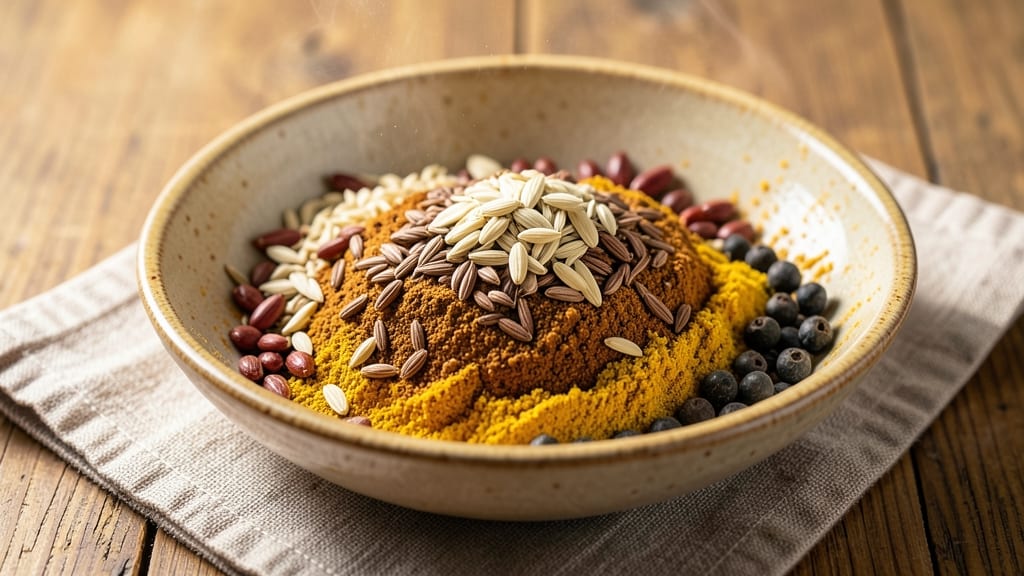
Creating a kitchari spice mix transforms simple rice and lentils into a nourishing, Ayurvedic powerhouse that supports digestion and balance. This carefully crafted blend of whole spices—cumin, coriander, turmeric, and more—delivers authentic flavor while aligning with traditional healing principles.
I developed this mix after years of studying Ayurvedic cooking, ensuring each spice plays its role in both taste and therapeutic benefits.
The foundation of this spice mix lies in its simplicity and precision: 1 tablespoon cumin seeds, 1 tablespoon coriander seeds, 1 teaspoon turmeric powder, and 1 teaspoon fennel seeds form the core, with optional additions like ginger and black pepper for depth.
These spices are toasted lightly to enhance their natural oils and aromas, creating a blend that's far more potent than store-bought alternatives. The result is a versatile seasoning that elevates kitchari while maintaining its gentle, digestive properties.
Once blended, this spice mix stays fresh for up to 6 months when stored in an airtight container away from light and heat. Use it to season 1 cup each of rice and lentils—simmered together with ghee or coconut oil—for a complete, warming meal.
The spices infuse the dish with earthy, slightly sweet warmth, making every bite both satisfying and healing. This blend works equally well in soups, stews, or even roasted vegetables for a digestive-friendly flavor boost.
What sets this kitchari spice mix apart is its adaptability—it bridges traditional Ayurvedic practices with modern convenience, allowing you to recreate restaurant-quality results at home. Whether you're preparing a healing meal or simply craving comforting flavors, this blend delivers consistent, professional-quality seasoning with every use.
Let’s create it step by step.
Ingredients for kitchari spice mix
Nine whole spices transform simple rice and lentils into an Ayurvedic healing blend.
| Ingredient | Amount | Notes |
|---|---|---|
| Cumin Seeds 🌿 | 1 tbsp | Whole seeds, lightly toasted |
| Coriander Seeds 🌿 | 1 tbsp | Whole seeds, lightly toasted |
| Turmeric Powder 🧂 | 1 tsp | Freshly ground preferred |
| Fennel Seeds 🌿 | 1 tsp | Whole seeds, lightly toasted |
| Ground Ginger 🌿 | ½ tsp | Freshly ground preferred |
| Black Peppercorns 🌶️ | ½ tsp | Freshly cracked preferred |
| Cardamom Pods 🌿 | 4 whole | Green cardamom preferred |
| Asafoetida Powder 🌶️ | ¼ tsp | Optional, for depth |
| Cinnamon Sticks 🌿 | ¼ tsp | Ground for consistency |
The foundation of this blend lies in its whole spices—cumin and coriander seeds are non-negotiable for that earthy, slightly sweet warmth. Penzeys or Spicewalla are my go-tos for high-quality seeds, but any reputable grocery store’s bulk section works too. Look for seeds that smell vibrant and fresh; if they’re stale or dusty, they’ll compromise the blend’s potency. Toasting the seeds lightly in a dry pan before grinding unlocks their natural oils, making the flavor far more complex. The turmeric and ginger bring anti-inflammatory benefits, while cardamom and cinnamon add aromatic depth. Asafoetida, though optional, is a game-changer for that umami richness—it’s the secret ingredient in many traditional kitchari recipes.
No cardamom? 1/4 teaspoon ground cinnamon can mimic its warmth, though it won’t be identical. Running short on fennel seeds? Substitute with anise seeds at the same amount, but taste first—anise can be more licorice-forward. Freshly ground spices always win, but if you’re using pre-ground, toast them in a dry pan for 30 seconds to revive their flavor. The cinnamon sticks can be ground into powder for easier blending, but keep a few whole for garnish if you’re feeling fancy. For a milder blend, reduce the black pepper to 1/4 teaspoon, but don’t skip it entirely—it’s essential for balancing the earthiness.
This blend keeps its magic for up to 6 months in an airtight glass jar, stored in a cool, dark place like your pantry. For extra freshness, add a bay leaf to the jar—it preserves the spices longer. Portion into smaller jars for convenience, especially if you’re using it frequently. The spices infuse best when toasted fresh, but the pre-made blend still delivers deep flavor. Use it to season 1 cup each of rice and lentils with 2 tablespoons of ghee or coconut oil for that authentic, nourishing kitchari experience.
Why You'll Love This Recipe
- Five-Minute Mix: I swear by this spice blend because it’s that simple—just toast the whole seeds (cumin, coriander, fennel) in a dry pan for 2 minutes until fragrant, then grind with turmeric and ginger. No measuring cups, no second thoughts, just pure ease.
- Earthy Warmth Bomb: That golden turmeric and toasted cumin? It’s like sunshine in a jar. The ginger adds a slow-building heat, while fennel’s licorice note keeps it bright—perfect for soups, grains, or even roasted veggies without overpowering.
- Meal Prep MVP: Make a big batch and it’s your secret weapon for detox days, lazy Sundays, or when you’re too tired to think. Stir it into lentils, rice, or even scrambled eggs—it’s the same magic, every time.
- Budget Brightener: A handful of these spices costs pennies but transforms basic meals into something special. Honestly, I’ve used this to dress up store-brand rice or canned chickpeas, and it still feels like a restaurant meal. Zero waste, maximum flavor.
Instructions for kitchari spice mix: Ayurvedic digestion-boosting blend
This blend transforms simple grains and legumes into a healing, easily digestible meal.
Toast the Whole Spices
In a dry skillet over medium-low heat, toast the 1 tablespoon cumin seeds and 1 tablespoon coriander seeds for 2-3 minutes until they release their aromatic oils and begin to sizzle gently. You'll notice the kitchen fill with a warm, earthy scent—this is your cue that they're ready. Remove immediately to prevent burning, which would turn the spices bitter.
Next, add the 1 teaspoon fennel seeds and toast for another 1-2 minutes until they darken slightly and smell sweetly citrusy. The seeds should be warm to the touch but not scorched. Transfer all toasted seeds to a clean bowl to cool completely—this prevents moisture from forming when you grind them later.
Lightly Toast the Cardamom
In the same skillet (no need to clean it—the residual spices add depth), gently toast the 4 whole cardamom pods over low heat for 30-45 seconds until they become fragrant and slightly puffed. You'll hear a faint popping sound as the pods release their essential oils. Be careful not to over-toast—they should remain whole and intact, not cracked open.
Remove the pods and let them cool alongside the other spices. The slight warmth helps release their aromatic compounds, which will infuse your blend with a floral, slightly sweet complexity that's essential for balancing the earthy spices.
Grind the Spices to a Fine Powder
Using a high-quality spice grinder or clean coffee grinder, pulse the toasted cumin, coriander, and fennel seeds until they reach a fine powder—similar to the consistency of flour. You want to eliminate any texture, as this ensures even distribution when cooking. If you're using a mortar and pestle, work in small batches to achieve a uniform grind.
Add the 1 teaspoon turmeric powder and 0.5 teaspoon ground ginger to the grinder. Pulse just until combined—no need to grind these further as they're already finely powdered. The turmeric will add its signature golden color and anti-inflammatory properties, while the ginger brings warmth and digestive benefits.
Combine All Ingredients
In a small bowl, combine the ground spices with the 0.5 teaspoon black peppercorns (preferably freshly cracked) and the 0.25 teaspoon asafoetida powder. The asafoetida, though used sparingly, adds a deep, umami richness that's characteristic of traditional kitchari. If you're using 0.25 teaspoon ground cinnamon sticks, add this last to preserve its delicate flavor.
Mix thoroughly with a clean spoon or fork until all ingredients are evenly distributed. The blend should have a vibrant golden hue from the turmeric and a complex aroma that combines earthy, floral, and slightly sweet notes. Store in an airtight container in a cool, dark place for up to 3 months to preserve freshness.
Test Your Blend
To ensure your spice mix is balanced, use it in a small batch of kitchari: heat 1 tablespoon ghee in a pot, add 1 teaspoon of your blend, and toast for 30 seconds until fragrant. Add ½ cup each of cooked rice and mung dal, along with 1 cup water. Simmer for 10 minutes and taste.
The flavor should be warm, aromatic, and subtly complex—not overpowering. If it tastes too strong, reduce the amount slightly in future batches. If it lacks depth, consider adding a pinch more asafoetida or cinnamon next time. This test ensures your blend is perfectly calibrated for digestion and flavor.
Pro Tips For Making Kitchari Spice Mix
- TOAST THE WHOLES FIRST: Cumin and coriander seeds burn faster than you’d think—start them in a dry pan over medium heat for 30 seconds before adding fennel. The moment they start to pop (not smoke), immediately toss in the fennel seeds—they’re the most delicate and need just enough warmth to wake up their flavor without turning bitter.
- GRIND WHEN HOT: Let the toasted seeds cool for 10 seconds, then grind them while still warm. The residual heat helps release more aroma and prevents the turmeric from turning bitter. (Yes, even if you’re impatient like me—wait those 10 seconds.)
- SIFT OUT THE LUMPS: Ground ginger and turmeric have a habit of clumping like stubborn guests at a party. After mixing, sift the blend through a fine-mesh sieve to break up any hidden lumps—especially before adding it to soups or stews. Smooth texture = better distribution.
- STORE IN DARK GLASS: Light turns turmeric into a sad, flavorless ghost faster than you’d believe. Transfer the finished mix to a dark amber jar (or wrap the regular jar in aluminum foil) and keep it in a cool, dry place. A well-stored batch stays vibrant for 3 months—no sad, dull-tasting kitchari here.
Pro cooking tips for perfect results
Toast Perfection
Toast your whole spices over medium-low heat—never high heat—to prevent burning, which creates bitterness. I use a cast-iron skillet for even heat distribution, toasting cumin and coriander seeds for 2-3 minutes until they sizzle and release their oils.
The moment they darken slightly but still smell fresh, remove them immediately. Over-toasting by even 30 seconds can ruin the delicate balance of flavors in your blend. 🌡️
Grinding Technique
Use a high-quality spice grinder (like a KitchenAid spice grinder) for consistent results—mortar and pestle can leave uneven textures. Pulse the toasted seeds until they reach a fine powder, similar to flour. Avoid over-grinding, which can turn spices into a paste.
For the turmeric and ginger, pulse just until combined—they’re already finely powdered and need minimal processing. This step ensures even distribution in your kitchari. ✨
Cardamom Handling
Toast whole cardamom pods over low heat for just 30-45 seconds—they’re done when they puff slightly and release their aroma. Cracking them open releases too much oil, making the blend overly potent.
Let them cool completely before grinding (if using) to avoid moisture. For convenience, I often keep a few whole pods to infuse into warm milk or tea later. 🌿
Storage Secrets
Store your blend in an airtight glass jar (like Le Parfait spice jars) in a cool, dark pantry—never the fridge. Add a bay leaf to the jar to preserve freshness for up to 6 months.
For frequent use, divide into smaller jars to minimize air exposure. If the blend loses aroma, toast it lightly in a dry pan for 1 minute before reusing. ❄️
Adjusting Heat
If your blend tastes too spicy, reduce the black pepper to ¼ teaspoon next time. For extra warmth, add ½ teaspoon ground cinnamon (but skip the cinnamon sticks—ground is more potent).
The asafoetida is optional but adds umami depth; start with ¼ teaspoon and adjust to taste. Always test with a small batch of kitchari before scaling up. 💡
Equipment Upgrades
Invest in a small coffee grinder (like Baratza Encore) for grinding whole spices—it’s more consistent than a mortar and pestle. A digital kitchen scale ensures precise measurements, especially for tiny amounts like asafoetida.
For toasting, a cast-iron skillet or clay pot distributes heat evenly, while a fine-mesh strainer helps sift out any accidental debris. These tools make a noticeable difference in flavor quality. 🔥
Nutrition facts
Frequently asked questions
Can I use this spice mix for dishes other than kitchari?
This blend works beautifully in vegetable stews, lentil soups, or even as a seasoning for roasted sweet potatoes. The gentle warmth of the spices enhances any dish while keeping it digestive-friendly. Just reduce the amount by half for lighter applications.
How do I store the blend to keep it fresh?
Store in an airtight glass jar in a cool, dark pantry for up to 6 months. For extra freshness, add a bay leaf to the jar. Avoid refrigeration—moisture will make the spices clump. If the aroma fades, toast the blend lightly in a dry pan for 1 minute before reusing.
What if I don’t have asafoetida? Can I substitute it?
Yes! If you lack asafoetida, skip it or substitute with ¼ teaspoon ground mustard seeds for a similar umami kick. For a milder option, use ½ teaspoon nutritional yeast, though the flavor won’t be identical. Asafoetida is optional but adds depth that’s hard to replicate.
Can I make this blend without a spice grinder?
Certainly! Use a mortar and pestle for whole spices, grinding in small batches until fine. For pre-ground spices like turmeric and ginger, mix them in by hand. Just be patient—uneven grinding can create texture issues in your dish. A clean rolling pin also works in a pinch.
Why does my blend smell stronger than the recipe suggests?
Freshly toasted spices release more aroma immediately. Let the blend cool completely before storing—this prevents moisture buildup, which can amplify the scent. If it’s still too potent, reduce the amount by ¼ teaspoon next time. Over-toasting during preparation can also intensify flavors, so stick to medium-low heat for toasting.