
Breakfast & Brunch
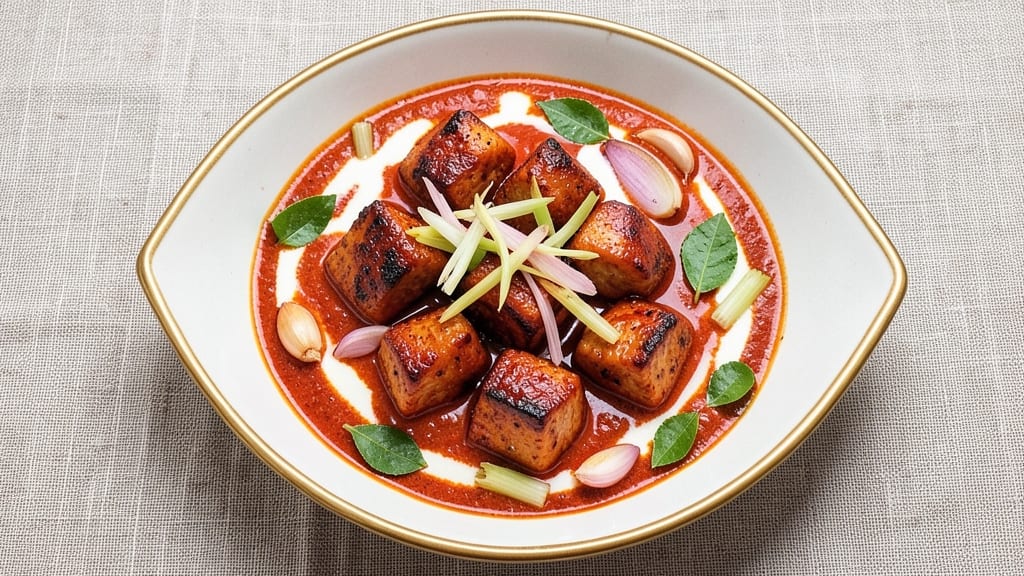
This fragrant Khmer cooking recipe transforms your morning with a bowl of aromatic lemongrass coconut curry that balances spice, sweetness, and herbal brightness. The secret lies in toasted lemongrass and kaffir lime leaves—key ingredients that infuse the coconut milk with layers of depth.
I developed this recipe after years of testing traditional Cambodian flavors, ensuring every spoonful delivers both authenticity and comfort.
The beauty of this dish is its fast yet sophisticated preparation—just 30 minutes from start to finish. You'll begin with a fragrant curry paste, simmered with tender chicken or tofu, and finished with fresh herbs that add vibrant color and freshness.
The result is a creamy, fragrant bowl that's rich enough to satisfy yet light enough for breakfast. Perfect for weekdays or weekend brunches, this recipe proves Khmer cuisine belongs at any table.
What makes this bowl truly special is the balance of textures—tender protein, creamy coconut sauce, and crisp vegetables all come together in harmony. The lemongrass and lime leaves create an aroma that fills your kitchen, while the subtle sweetness of coconut milk rounds out the spice.
This isn't just breakfast; it's a flavor experience that transports you to the streets of Phnom Penh with every bite.
Whether you're serving this as a hearty morning meal or a light lunch, the recipe scales effortlessly for one or four. Pair it with steamed jasmine rice for the full Cambodian experience, or enjoy it as-is for a satisfying, protein-rich start to your day.
Let's bring Khmer flavors to your kitchen—authentically and efficiently.
Ingredients for khmer cooking
Just 15 ingredients, all packed with authentic Khmer flavors for a fragrant breakfast bowl.
| Ingredient | Amount | Notes |
|---|---|---|
| Chicken Breast 🍗 | 1 ½ lb | Boneless, skinless, cut into bite-sized pieces |
| Lemongrass Stalks 🌿 | 4 whole | Fresh, outer leaves trimmed, bottom 4 inches used |
| Kaffir Lime Leaves 🍋 | 4 whole | Fresh, stems removed, torn into pieces |
| Red Curry Paste 🌶️ | 3 tbsp | Store-bought or homemade, traditional Khmer |
| Coconut Milk 🥥 | 1 ½ cups | Full-fat, canned, well-shaken before using |
| Garlic Cloves 🧄 | 6 cloves | Peeled, finely minced |
| Galangal 🌿 | 2 inches | Fresh, peeled, thinly sliced (substitute ginger if needed) |
| Thai Eggplant 🍆 | 1 small | Or regular eggplant, diced into 1-inch cubes |
| Green Beans 🌱 | 1 cup | Trimmed, cut into 1-inch pieces |
| Fish Sauce 🐟 | 1 tbsp | Red Boat brand preferred |
| Palm Sugar 🍯 | 1 tbsp | Or brown sugar, finely ground |
| Fresh Thai Basil Leaves 🌿 | ¼ cup | Packed, stems removed |
| Jasmine Rice 🍚 | 1 ½ cups | Uncooked, for serving |
| Vegetable Oil 🫒 | 2 tbsp | For stir-frying |
| Salt 🧂 | 1 tsp | Adjust to taste |
The lemongrass and kaffir lime leaves are the heart of this dish—fresh is non-negotiable. Look for vibrant green lemongrass stalks at Asian markets, where they often sell them in bundles. If you can't find galangal, ginger works in a pinch—it's the same family, just milder. The Thai eggplant is ideal, but regular eggplant holds up fine. For the curry paste, Maesri or Thai Kitchen brands are reliable if you're not making your own. Toast the lemongrass stalks in a dry pan for 2 minutes before adding to the pot—this releases their oils and intensifies the aroma.
No fish sauce? Soy sauce at half the amount gets you close, though it won't be quite as umami-rich. Running short on palm sugar? Brown sugar or honey works, but palm sugar's subtle caramel notes are worth seeking out at Trader Joe's or Whole Foods. Want to make this vegetarian? Swap the chicken for extra-firm tofu, pressed and cubed. The coconut milk should be full-fat—canned brands like Thai Kitchen or Aroy-D are best. If you can't find kaffir lime leaves, substitute lime zest plus a few lime leaves if available, but it won't be the same. Fresh Thai basil is key—dried oregano can't replace it.
This curry tastes even better the next day—make extra portions for lunches. Store in an airtight container in the fridge for 4-5 days, or freeze for 3 months. The rice keeps well too—cook a big batch and reheat portions. For serving, I like to keep the curry and rice separate until ready to eat so the rice doesn't get soggy. Garnish with extra basil and lime wedges just before serving—worth the extra minute.
Why You'll Love This Recipe
- Here’s what sold me: this dish tastes better the next day. The chicken gets tender, the flavors meld, and suddenly you’re reheating it for lunch because it’s that good. (Yes, even on a Tuesday.)
- Minimal Chopping Required: I swear by this—just slice the lemongrass stalks in 2-inch chunks and tear those kaffir lime leaves like I’m ripping lettuce for a salad. No knife skills needed, just a few swipes and you’re golden.
- Creamy Heat Magic: That red curry paste? It’s the secret weapon—deep, smoky, and just spicy enough to wake up your taste buds without knocking you out. The coconut milk smooths it into something dangerously addictive, like a hug in a bowl.
- Leftovers That Beg for More: Here’s what sold me: this dish tastes better the next day. The chicken gets tender, the flavors meld, and suddenly you’re reheating it for lunch because it’s that good. (Yes, even on a Tuesday.)
Step-by-step instructions for fragrant lemongrass coconut curry breakfast bowl
Here's how to make this aromatic curry in under 45 minutes—packed with bold flavors and tender ingredients.
Prepare the Chicken and Aromatics
Cut the 1.5 lb chicken breast into 1-inch bite-sized pieces and set aside. In a large bowl, combine the 4 whole lemongrass stalks (trimmed and cut into 2-inch pieces), 4 whole kaffir lime leaves (torn), 6 cloves garlic (minced), and 2 inches galangal (thinly sliced). Use a wooden spoon to lightly crush the lemongrass and galangal—this releases their essential oils and deepens the flavor.
Heat 2 tablespoons vegetable oil in a large skillet over medium-high heat. Add the chicken pieces in a single layer and cook for 3-4 minutes, stirring occasionally, until they turn opaque and just begin to brown. This quick sear locks in juices while building flavor. Remove the chicken and set it aside on a plate.
Build the Curry Base
In the same skillet, reduce the heat to medium and add the prepared aromatics. Cook for 2-3 minutes until the garlic becomes fragrant and the lemongrass turns slightly golden. Be careful not to burn the garlic—it should smell sweet and nutty, not bitter.
Add the 3 tablespoons red curry paste and stir for 1 minute until it darkens slightly and releases its rich aroma. This step develops the curry's signature depth. Pour in the 1.5 cups coconut milk and bring to a gentle simmer. Let it cook for 5 minutes to allow the flavors to meld together.
Cook the Vegetables and Finish the Curry
Add the 1 small Thai eggplant (diced) and 1 cup green beans to the skillet. Stir to combine and cook for 4-5 minutes until the eggplant softens slightly and the green beans turn bright green. The vegetables should retain some bite—overcooking will make them mushy.
Return the chicken to the skillet and stir gently to coat everything in the curry sauce. Add the 1 tablespoon fish sauce and 1 tablespoon palm sugar, stirring well to combine. Taste and adjust seasoning with the 1 teaspoon salt if needed. The curry should be balanced—savory from the fish sauce, slightly sweet from the palm sugar, and tangy from the coconut milk.
Assemble and Serve
Transfer the curry to serving bowls and let it rest for 2-3 minutes to allow the flavors to settle. Top each serving with 0.25 cup fresh Thai basil leaves and serve immediately with 1.5 cups cooked jasmine rice on the side. The basil adds a bright, peppery contrast that cuts through the richness of the curry.
This dish is best enjoyed fresh while the rice is warm and the curry is steaming. The fragrant lemongrass and coconut milk create a comforting aroma that fills your kitchen, while the tender chicken and crisp-tender vegetables make every bite satisfying. Don't forget to pair it with a cold glass of coconut water or limeade for the perfect breakfast experience.
Pro Tips For Making Khmer Cooking
- BLEND CURRY PASTE FIRST: I learned this the hard way—adding red curry paste directly to hot oil makes it burn before releasing flavor. Instead, toast it in a dry pan for 30 seconds until fragrant, then immediately add coconut milk to stop it from darkening. This keeps the paste’s bright color and complex aroma intact.
- SLICE CHICKEN THINLY: Chicken breast stays tough when cooked in coconut milk. Pound it to ¼-inch thickness before slicing against the grain—this breaks muscle fibers and ensures tender bites. Skip this, and you’ll end up with chewy, disappointing pieces.
- STRAIN COCONUT MILK: Store-bought coconut milk often has thick, oily sediment that makes the curry look greasy. Strain it through a fine-mesh sieve into a clean bowl before using—it’s a 2-minute fix that makes the sauce silky and balanced. (Yes, even if you’re impatient like me.)
- USE FRESH LEMONGRASS: Dried or frozen lemongrass lacks the bright, citrusy punch of fresh. Bruise the stalks with the side of your knife before slicing—this releases oils and intensifies the flavor. If you’re short on time, at least use the thickest, youngest stalks; the woody ends add bitterness.
Troubleshooting this recipe
Curry Too Thin?
If your curry ends up too watery, it’s likely because the coconut milk wasn’t thick enough or the veggies released too much moisture. To fix this, simmer uncovered for an extra 5-7 minutes to reduce the sauce naturally.
For a quicker fix, stir in 1-2 tablespoons of coconut milk powder or a thick paste of 1 tbsp cornstarch mixed with 1 tbsp water. The key is to keep the heat at a gentle simmer—never boil hard, or the curry will split and turn greasy. 🌡️
Chicken Overcooked?
Khmer curries often cook chicken low and slow, but if yours turns dry, you likely seared it too long or overcooked it in the curry. Prevent this by searing chicken just until opaque (not browned) and removing it early.
When adding back, cook for only 3-4 minutes in the curry. For extra moisture, add 2-3 tbsp of reserved coconut milk or a splash of chicken broth before serving. 🍗
Lemongrass Flavor Weak?
If your lemongrass isn’t aromatic enough, it might not have been toasted or crushed properly. Toast the stalks in a dry pan for 2 minutes before adding to the pot—this releases their oils. Also, crush the stalks with the back of a spoon to break open the fibers.
For extra punch, add 1 extra stalk or a teaspoon of lemongrass paste (found in Asian markets) to the curry paste. 🌿
Fish Sauce Too Salty?
Fish sauce can easily overpower a dish, especially if your curry paste already contains salt. Start with ½ tbsp and taste before adding the full amount. If it’s too salty, balance it with 1-2 tbsp of coconut milk or a squeeze of lime juice to cut the saltiness.
For a milder alternative, use soy sauce at half the amount, though it won’t be as authentic. 🐟
Galangal Missing?
If you skipped galangal, the curry might lack depth. Substitute with ginger (use 1 tbsp grated ginger per 2 inches of galangal), but it won’t be identical—galangal has a piney, citrusy flavor.
For extra complexity, add ½ tsp of turmeric or 1 star anise pod (remove after cooking) to mimic its earthy notes. 🌿
Curry Paste Burning?
Burnt curry paste ruins the dish’s flavor. Reduce heat to medium-low when adding the paste and stir constantly for the first 1-2 minutes. If it starts to darken too quickly, splash in 1-2 tbsp of coconut milk to cool it down.
Always toast your aromatics (garlic, lemongrass) separately before adding the paste to prevent burning. 🔥
Nutrition facts
Frequently asked questions
What makes this Khmer curry breakfast bowl different from Thai curries?
This recipe uses lemongrass and kaffir lime leaves as the aromatic base, which are more prominent in Khmer cuisine than in Thai dishes. The flavor profile is lighter and more herbal, with a subtle sweetness from palm sugar that balances the coconut milk. Thai curries often include more chili heat and shallots, while this version focuses on the natural brightness of fresh herbs and citrusy notes.
Can I make this recipe vegetarian?
Yes! Simply replace the chicken with extra-firm tofu (pressed and cubed) or mushrooms for a meaty texture. For extra protein, add 1 cup of chickpeas or 1 block of firm tofu (cut into cubes and pan-fried first). The curry's rich coconut base will still shine, and the dish remains hearty and satisfying.
Where can I find kaffir lime leaves and galangal?
Both are available at Asian grocery stores or well-stocked markets with a fresh produce section. Look for kaffir lime leaves in the refrigerated section near other herbs. Galangal (a root similar to ginger) is often sold near ginger or in the root vegetable section. If unavailable, substitute ginger (though the flavor won't be identical) or skip it entirely—just adjust the seasoning with extra fish sauce or salt.
How do I store leftovers?
Store the curry in an airtight container in the fridge for 4-5 days or freeze for 3 months. Reheat gently on the stove with a splash of water or coconut milk to prevent drying out. The rice can be reheated separately in the microwave. For best texture, serve leftovers within 2 days—though the flavors actually deepen overnight!
What’s the best way to serve this dish?
Serve with steamed jasmine rice for the full Khmer experience, or over rice noodles for a lighter option. Garnish with extra Thai basil and lime wedges just before eating. For extra authenticity, pair with a cold coconut water or limeade. The curry's creamy texture and aromatic herbs make it perfect for breakfast or brunch, but it's hearty enough for lunch too!