
Breakfast & Brunch
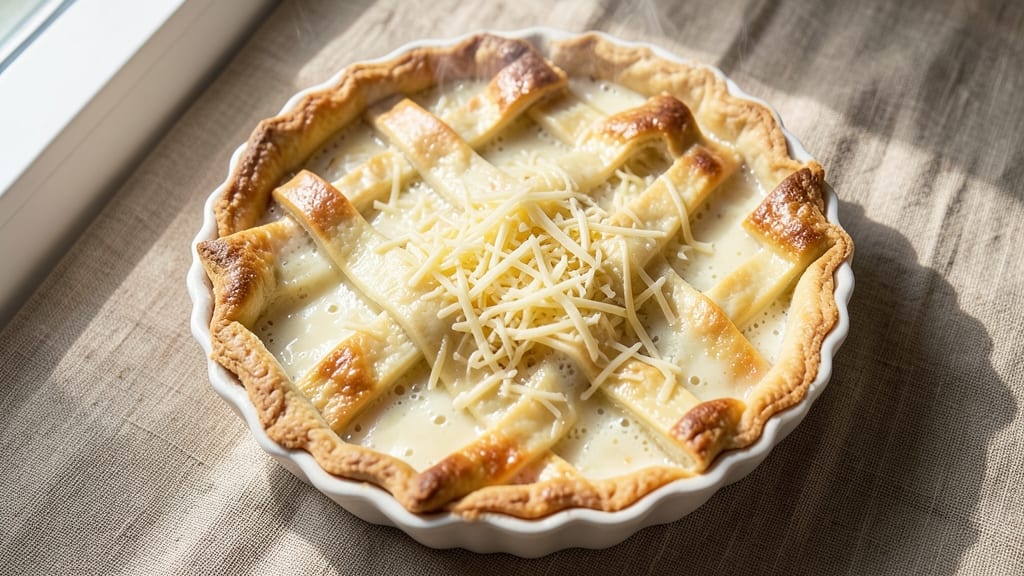
There’s nothing quite like the joy of cooking this cheese quiche recipe—where a flaky crust cradles a rich, melty center that turns every breakfast into a celebration. The secret lies in a precise blend of sharp cheddar and Gruyère, combined with a buttery crust that achieves golden perfection through blind-baking.
I've perfected this technique over years of testing, ensuring the filling stays creamy while the crust maintains its delicate structure.
What sets this recipe apart is the ability to customize it without sacrificing quality—whether you opt for a classic all-butter crust or a gluten-free alternative. The filling comes together in minutes with simple ingredients: eggs, cream, and a mix of vegetables or cheese of your choice.
Baking at the right temperature ensures the quiche emerges with a crisp edge and a custardy center that's impossible to resist.
Once out of the oven, the aroma alone will have everyone gathering around the table. The crust remains tender yet sturdy, while the filling holds its shape beautifully.
This quiche is ideal for brunch gatherings, meal prep, or a special weekend breakfast that feels like a restaurant-quality treat. Let's create something truly memorable.
Pair it with a fresh salad or crusty bread to complete the meal. The versatility of this recipe means it works equally well as a standalone dish or alongside other breakfast favorites. With just a few key ingredients and precise techniques, you'll achieve restaurant-quality results every time.
Ingredients for joy of cooking cheese quiche
Twelve essential ingredients transform into a restaurant-worthy cheese quiche with golden crust and velvety filling.
| Ingredient | Amount | Notes |
|---|---|---|
| All-Purpose Flour 🌾 | 2 ½ cups | Sifted for light texture |
| Cold Unsalted Butter 🧈 | 1 cup | Cubed, full-fat preferred |
| Ice Water 💧 | ½ cup | Chilled for crisp crust |
| Large Eggs 🥚 | 4 whole | Room temperature preferred |
| Heavy Cream 🥛 | 1 cup | Whole milk alternative |
| Sharp White Cheddar 🧀 | 1 ½ cups | Shredded, aged 6+ months |
| Gruyère Cheese 🧀 | 1 cup | Finely grated, nutty flavor |
| Salted Butter 🧈 | 2 tbsp | Melted for filling richness |
| Diamond Crystal Kosher Salt 🧂 | 1 ½ tsp | Fine grain preferred |
| Freshly Ground Black Pepper 🌶️ | ½ tsp | Cracked peppercorns preferred |
| Nutmeg 🌿 | ¼ tsp | Freshly grated for warmth |
| Fresh Chives 🌿 | ¼ cup | Thinly sliced for garnish |
| All-Purpose Flour 🌾 | ½ tsp | For dusting work surface |
The foundation begins with high-quality unsalted butter—European-style brands like Plugrá or Irish Gold yield superior flakiness due to their higher fat content. For the crust, sift the flour to eliminate lumps, which prevents a dense texture. Diamond Crystal kosher salt is preferred over table salt for its finer grain and superior dissolution. The cheese selection is critical: Gruyère from France adds nutty depth, while sharp white cheddar provides tangy contrast. Whole milk heavy cream ensures a rich custard, though full-fat sour cream can substitute for a tangier profile. Freshly grated nutmeg elevates the filling beyond basic seasoning—pre-grated lacks potency. Chives should be added last for vibrant color and freshness.
For the crust, melted butter can replace half the cold butter if needed, though texture may suffer slightly. Gluten-free flour blends work for crusts but require 1 tbsp xanthan gum for structure. Substitute Gruyère with Comté for similar nutty notes, though texture may vary. Sharp cheddar alternatives like Pecorino Romano add saltiness but lose meltability. Heavy cream shortages? Whole milk plus 1 tbsp cornstarch mimics viscosity. Pre-shredded cheese contains anti-caking agents that prevent proper melting—always grate fresh. Nutmeg substitutes include mace (1:3 ratio) or cinnamon (½ tsp), though flavor profiles differ significantly. Chives unavailable? Green onions provide similar brightness though with milder onion notes.
Store the crust dough between parchment-lined sheets in the refrigerator for up to 48 hours to prevent drying. Blind-baked crusts freeze beautifully for 3 months—thaw at room temperature before adding filling. Assembled quiches keep 3 days refrigerated or 2 months frozen when wrapped tightly in plastic wrap. Reheat from frozen at 325°F for 45 minutes covered with foil, then uncovered for final 10 minutes. Leftovers transform into quiche crostini—slice, toast, and serve with arugula salad for brunch reinvention. Crust scraps make perfect pot pie crusts or tart shells when baked.
Why You'll Love This Recipe
- No-Fuss Crust: I swear by that cold butter cut into flour—no food processor, no overworking. The dough comes together with ice water like magic, and honestly? It’s the kind of crust that forgives mistakes.
- Creamy Without Trying: That heavy cream and egg combo yields a filling so rich, it practically melts in your mouth. The butter’s richness shines through without being heavy, and the eggs bind everything into pure, velvety satisfaction.
- Weeknight or Weekend: Same recipe, different vibes—throw it together for a lazy Sunday brunch or prep it ahead for a weeknight dinner. The crust holds up, the filling stays luscious, and it’s the kind of dish that makes you look like a hero.
- Budget-Friendly Luxury: Five ingredients, zero frills, but it tastes like a restaurant quiche. The butter and eggs make it feel special, while the flour and cream keep it simple—no fancy cheese or add-ons needed. Leftovers? Even better.
Step-by-step instructions for perfect cheese quiche
Mastering this recipe delivers a golden, shatteringly flaky crust and a velvety custard center.
Prepare the Signature Flaky Crust
In a large mixing bowl, combine the 2.5 cups all-purpose flour and 1.5 teaspoons diamond crystal kosher salt. Cut in the 1 cup cold unsalted butter using a pastry cutter or your fingers until the mixture resembles coarse crumbs with pea-sized butter pieces. This texture is crucial for achieving that signature flakiness.
Gradually add the 0.5 cup ice water, one tablespoon at a time, mixing gently with a fork until the dough just comes together. Avoid overmixing—this develops gluten and destroys the delicate layers. Form the dough into a disk, wrap tightly in plastic, and refrigerate for at least 1 hour (up to 24 hours). The cold resting period relaxes the gluten and ensures maximum flakiness when baked.
Roll and Blind-Bake the Crust
On a lightly floured surface, roll the chilled dough into a 12-inch circle, about ⅛-inch thick. Transfer carefully to a 9-inch pie dish, trimming any excess dough. Press gently to remove air bubbles and create a smooth base. The dough should extend slightly up the sides of the dish.
Preheat your oven to 375°F. Line the crust with parchment paper, fill with pie weights or dried beans, and bake for 15 minutes. Remove the weights and bake for an additional 10 minutes until the crust is golden brown and set. This blind-baking step prevents a soggy bottom and ensures the crust holds its shape during baking. Prick the bottom with a fork to release any trapped air.
Prepare the Rich Cheese Filling
In a medium bowl, whisk together the 4 whole large eggs, 1 cup heavy cream, 0.5 teaspoon freshly ground black pepper, and 0.25 teaspoon nutmeg until well combined. In a separate bowl, combine the 1.5 cups sharp white cheddar and 1 cup gruyère cheese, ensuring both cheeses are finely shredded or grated. The gruyère adds a nutty depth that complements the sharp cheddar beautifully.
Gradually fold the cheese mixture into the egg mixture until fully incorporated. The batter should be thick but pourable—if it appears too thick, whisk in 1-2 tablespoons of ice water to achieve the proper consistency. This step ensures a smooth, velvety texture in the final quiche.
Assemble and Bake to Golden Perfection
Pour the cheese mixture evenly into the pre-baked crust. Dot the top with the 2 tablespoons salted butter, allowing it to melt slightly into the filling. This adds an extra layer of richness. Sprinkle the 0.25 cup fresh chives evenly over the top, creating a beautiful garnish and adding a fresh, oniony note that brightens the dish.
Bake at 350°F for 40-45 minutes, or until the center is just set and the edges are golden brown. The quiche is done when it jiggles slightly in the center but doesn't wobble excessively. If the top browns too quickly, tent loosely with foil to prevent over-browning. Let the quiche rest for 15 minutes before slicing—this allows the filling to set completely and makes for cleaner slices.
Serve Warm with Crisp Garnishes
Slice the quiche into 6 equal wedges using a sharp chef's knife. The crust should be crisp and flaky, while the custard center should be silky and just set. Serve warm, accompanied by a simple arugula salad or crusty bread to soak up any remaining custard. The combination of sharp cheddar, nutty gruyère, and the delicate chive garnish creates a harmonious balance of flavors and textures that makes this quiche truly extraordinary.
Pro Tips For Making Joy Of Cooking Cheese Quiche
- CHILL THE BUTTER FIRST: I learned this the hard way—when the butter warms up mid-mixing, you end up with a greasy, crumbly crust instead of flaky layers. Cut that unsalted butter into tiny cubes and pop it in the freezer for 15 minutes before mixing with flour. Trust me, your crust will thank you.
- WHISK EGGS AND CREAM TOGETHER: Don’t just crack eggs into the cream and stir. Whisk them first—beat the eggs until the yolks and whites are fully blended, then slowly pour in the heavy cream while whisking constantly. This keeps the custard smooth and prevents any weird separation later. (Yes, even if you’re impatient like me.)
- BAKE UNTIL THE CENTER JIGGLES: The quiche is done when the center still wobbles slightly—like a wobbly Jell-O—when you gently shake the pan. If you wait for it to be completely firm, you’ll dry out the custard. Pull it out at 160°F internal temp, then tent with foil while it rests for 10 minutes. That’s the sweet spot.
- USE A WATER BATH FOR EVEN COOKING: Skip the water bath if you’re lazy, but the dish is noticeably better when you do. Place your quiche dish in a larger roasting pan, then pour hot water halfway up the sides before baking. It keeps the custard creamy and prevents the edges from overcooking while the center stays tender. (No, it won’t make your kitchen flood—just monitor the water level.)
Serving suggestions for joy of cooking cheese quiche
Classic Brunch Pairings
Serve your cheese quiche alongside a crispy sourdough toast slathered with herb butter—the crusty texture contrasts perfectly with the quiche's custard. I love adding thinly sliced heirloom tomatoes and balsamic glaze for a touch of brightness.
For a lighter option, a mixed greens salad with lemon vinaigrette and toasted walnuts balances the richness beautifully. 🥖
Wine and Coffee Pairings
A chilled Sauvignon Blanc from New Zealand enhances the quiche's nutty Gruyère and sharp cheddar notes with its citrusy acidity. For coffee lovers, a strong French press brew with a splash of heavy cream mirrors the quiche's creamy filling.
If you prefer tea, an Earl Grey with its bergamot notes complements the quiche's savory depth. ☕
Garnish Elevations
Just before serving, sprinkle the quiche with extra-fresh chives and a pinch of flaky sea salt to intensify flavors. For a gourmet touch, add microgreens or edible flowers like nasturtiums for color and freshness.
A drizzle of truffle oil (just ½ teaspoon) adds earthy luxury without overpowering the dish. 🌿
Make-Ahead Serving
Quiche reheats beautifully—slice and warm 10-15 minutes at 350°F to restore its creamy texture. Serve as quiche crostini on toasted baguette slices for an elegant appetizer. For brunch buffets, arrange quiche wedges on a wooden board with small bowls of crème fraîche and hot sauce for customization. 🍽️
Seasonal Twists
In summer, top with sliced fresh peaches and a sprinkle of cinnamon for a sweet-savory contrast. For winter, add caramelized onions and thinly sliced prosciutto for depth. A balsamic reduction drizzle (simmer ¼ cup balsamic vinegar until syrupy) adds sophistication to any season. 🍑
Kid-Friendly Serving
Cut quiche into fun shapes with cookie cutters and serve with yogurt dips or fruit skewers for a balanced meal. Kids love the crust as a "cheese boat"—let them scoop out filling and eat it like a dip with crackers.
For picky eaters, offer plain cheese quiche without chives as a familiar option. 🧸
Nutrition facts
Frequently asked questions
Can I make this cheese quiche ahead of time?
The crust can be pre-baked and stored in an airtight container for up to 3 days at room temperature or 3 months in the freezer. For the fully assembled quiche, bake it, then refrigerate for up to 3 days or freeze for 2 months. Reheat slices at 350°F for 10-15 minutes to restore creaminess.
What's the secret to a flaky crust?
The key is using cold butter cut into pea-sized pieces and handling the dough minimally. Chill the dough for at least 1 hour before rolling, and avoid overmixing when adding ice water. Blind-baking at 375°F for 25 minutes ensures a sturdy base that won't get soggy.
Can I substitute any of the cheeses?
Yes! For Gruyère, try Comté or Parmigiano-Reggiano (use ½ cup each for similar nutty depth). For cheddar, Pecorino Romano adds saltiness but less melt. Avoid pre-shredded cheese—always grate fresh for best texture.
Why did my quiche filling get watery?
Overmixing the egg mixture or using too much liquid (like heavy cream) can cause this. The filling should be thick but pourable—if it's too thin, whisk in 1 tablespoon cornstarch mixed with 1 tbsp cold water. Also ensure your eggs are room temperature for proper emulsification.
How do I make this gluten-free?
Replace the all-purpose flour with a 1:1 gluten-free blend (like Bob's Red Mill) and add ½ tsp xanthan gum to the crust. For the filling, use gluten-free cream and verify all cheese brands are certified gluten-free. The texture will be slightly denser but still delicious!