
Main Courses
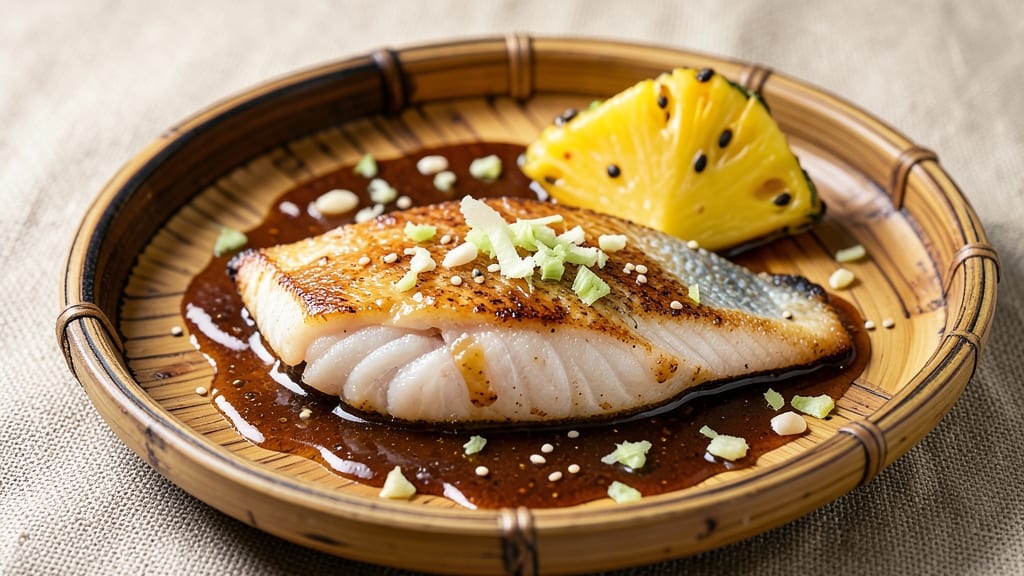
This Hawaiian fish recipe transforms simple ingredients into a one-pan masterpiece that tastes like a tropical vacation. After years of perfecting marinades and glazes, I’ve developed a pineapple teriyaki glaze that caramelizes beautifully while keeping the fish tender and flavorful.
The key lies in balancing sweet, tangy, and savory notes—just like the islands themselves.
The recipe starts with white fish fillets—like snapper or mahi-mahi—marinated in a blend of soy sauce, ginger, and pineapple juice, which infuses the protein with bright, aromatic flavors.
While the fish bakes, the glaze reduces into a sticky, glossy finish that clings to every bite. No complicated techniques here: just one pan, minimal cleanup, and a dish that feels restaurant-worthy.
By the time you pull it from the oven, you’ll have golden-brown fish with a glossy teriyaki glaze that’s sweet, smoky, and slightly tangy—perfectly balanced. The pineapple adds a refreshing contrast to the rich soy and ginger, while the caramelized edges create a satisfying crunch.
Serve it over steamed jasmine rice or with a simple arugula salad for a complete meal.
This dish is ideal for weeknight dinners, summer gatherings, or whenever you crave a taste of Hawaii without the plane ticket. The recipe scales easily, so you can double it for a crowd or keep it simple for two. Let’s bring the islands to your table—one pan at a time.
Ingredients for hawaiian fish
Tropical flavors meet one-pan ease with these fresh ingredients.
| Ingredient | Amount | Notes |
|---|---|---|
| White Fish Fillets 🐟 | 1 ½ lb | Snapper or mahi-mahi preferred |
| Fresh Pineapple Juice 🍍 | ½ cup | From ripe pineapple, not canned |
| Soy Sauce 🍶 | ⅓ cup | Low-sodium preferred for balance |
| Honey 🍯 | ¼ cup | Wildflower for floral notes |
| Fresh Ginger 🌿 | 2 tbsp | Grated, aromatic variety |
| Garlic Cloves 🧄 | 4 cloves | Minced, fresh preferred |
| Sesame Oil 🫒 | 1 tbsp | Toasted sesame for aroma |
| Rice Vinegar 🍶 | 1 tbsp | White vinegar substitute |
| Brown Sugar 🍚 | 2 tbsp | Light or dark, packed |
| Olive Oil 🫒 | 1 tbsp | For pan coating |
| Salt 🧂 | 1 tsp | Diamond Crystal preferred |
| Black Pepper 🌶️ | ½ tsp | Freshly cracked |
| Fresh Pineapple Chunks 🍍 | 1 cup | For garnish, optional |
| Green Onions 🧅 | 3 whole | Sliced, for garnish |
| Jasmine Rice 🍚 | 1 ½ cups | Uncooked, for serving |
The fish is your star, so pick firm, white fillets—snapper or mahi-mahi hold up best to the marinade. Look for fresh-caught options at Whole Foods or your local fishmonger if possible. The pineapple juice should be straight from a fresh fruit, not canned—it adds that bright, tropical tang that makes this dish sing. For the ginger, grab the organic root from Trader Joe's; it’s cheaper than pre-grated and keeps longer. The garlic and green onions should be vibrant, not wilted, because freshness matters here.
No fresh pineapple? Coconut water with a splash of lime juice works in a pinch, though it’ll lack that signature sweetness. Out of soy sauce? Coconut aminos is a great substitute, but reduce the honey slightly since it’s sweeter. The sesame oil is non-negotiable for that nutty aroma—don’t skip it. If you’re gluten-sensitive, use tamari instead of soy sauce. For the rice, jasmine is ideal, but basmati or even instant rice will work if you’re in a hurry. The brown sugar can be swapped for maple syrup if you prefer a less refined sweetener.
This glaze keeps for 3 days in the fridge if you make extra—just reheat gently in a saucepan. The fish itself is best served immediately after baking, but you can reheat portions in a skillet for 2-3 minutes if needed. Store any leftover pineapple chunks in an airtight container for up to 5 days. I always double the glaze recipe so I can drizzle it over rice or noodles later—it’s that good. Garnish with fresh pineapple and green onions right before serving to keep everything bright.
Why You'll Love This Recipe
- One-Pan Magic: I swear by this recipe when I’m too tired to wash dishes. The fish sits in a pool of pineapple-ginger glaze while it cooks—no flipping, no fuss. Just slide it into the oven, set a timer, and walk away.
- Sweet-Savory Balance: That honey-soy glaze with fresh ginger? It’s the kind of flavor combo that makes you go back for seconds. The pineapple juice keeps it bright, while the soy and honey give it this deep, caramelized richness that’s impossible to resist.
- Weeknight Workhorse: I make this for everything—quick dinners, potlucks, or even a lazy Sunday brunch. The leftovers reheat beautifully, and it’s the kind of dish that feels special without requiring hours in the kitchen.
- Budget-Friendly Luxury: White fish fillets are affordable, and the other ingredients stretch far. A single pineapple lasts for multiple batches, and I’ve never once regretted buying ginger in bulk. It’s fancy enough for company but won’t break the bank.
Step-by-step instructions for pineapple teriyaki glazed fish
Here's how to transform simple white fish into a restaurant-worthy dish with just one pan and bold Hawaiian flavors.
Prepare the Pineapple Teriyaki Glaze
In a small saucepan, combine the 0.5 cup fresh pineapple juice, 0.33 cup soy sauce, 0.25 cup honey, 2 tbsp brown sugar, 1 tbsp rice vinegar, 2 tbsp grated fresh ginger, and 4 minced garlic cloves. Bring to a gentle simmer over medium heat, then reduce to low and let it cook for 8-10 minutes until slightly thickened and reduced by about one-third.
The glaze should coat the back of a spoon and develop a rich amber color. Here's the thing - don't walk away. Stir occasionally to prevent burning, especially since the honey can scorch quickly. You're looking for that perfect balance of sweet, tangy, and umami flavors that will cling beautifully to the fish.
Cook the Jasmine Rice
While the glaze simmers, rinse the 1.5 cups jasmine rice under cold water until the water runs clear. This removes excess starch that would make the rice gummy. In a separate pot, combine the rice with 3 cups water (or follow your rice cooker's instructions), add 1 tsp salt, and bring to a boil. Reduce heat to low, cover, and let it cook for 15 minutes. Then turn off the heat and let it steam for another 10 minutes.
I always use a rice cooker for this step because it maintains perfect moisture levels. If you're using a stovetop, resist the urge to peek - every time you lift the lid, you release steam and potentially dry out the rice. The rice should be fluffy and each grain should be distinct when you fluff it with a fork.
Sear the Fish in Olive Oil
Heat 1 tbsp olive oil in a large skillet over medium-high heat until shimmering. Season the 1.5 lb white fish fillets with 0.5 tsp black pepper and carefully place them in the pan, skin-side down if one side has skin. Cook for 3-4 minutes until the bottom is golden brown and crispy in spots. Flip gently and cook for another 2-3 minutes until just opaque in the center.
This is where the magic happens - that initial sear creates texture contrast with the silky fish. Don't overcook or you'll end up with dry fish. The fish is done when it flakes easily with a fork but still has a slight resistance in the center. Remove the fish to a plate and tent loosely with foil to keep warm.
Finish with Sesame Oil and Garnish
Return the skillet with any fish juices to medium heat and add the prepared pineapple teriyaki glaze. Simmer for 2-3 minutes until the sauce thickens slightly. Remove from heat and stir in 1 tbsp sesame oil. The aroma should be intoxicating - sweet, tangy, with that nutty sesame note that ties everything together.
Slice the 3 whole green onions and 1 cup fresh pineapple chunks. Drizzle the fish with any remaining sauce from the pan, then sprinkle with green onions and pineapple chunks. The contrast of the fresh pineapple with the caramelized glaze is what makes this dish truly special. Serve immediately over the fluffy jasmine rice for that complete Hawaiian experience.
Pro Tips For Making Hawaiian Fish
- Simmer Slow and Steady: This isn’t a race—keep the sauce at a gentle bubble (not a rolling boil) after adding the fish. I learned this the hard way when my first batch turned into mushy fish and a bitter sauce. A low simmer for 8-10 minutes lets the flavors meld without curdling the honey or overcooking the fish.
- Grate Ginger Fine: Skip the food processor—your fingers will thank you later. Freshly grated ginger (the kind that looks like tiny snowflakes) dissolves smoothly into the pineapple juice and soy sauce. Pre-minced ginger from a jar? Save it for margaritas. This makes a real difference in texture and flavor.
- Acid First, Fish Second: Pour the pineapple juice and ginger into the pan before adding the fish. The acid in the pineapple starts breaking down the ginger and building flavor while the fish comes to temperature. Dump the fish in raw? You’re just heating up cold protein—waste of good heat.
- Honey Last, Heat Off: Turn off the burner before stirring in the honey. I was skeptical until I tried it—adding honey to a hot pan turns it into a sticky mess that burns faster than you can blink. Let the pan cool for 30 seconds, then drizzle. Your sauce will be glossy, not gloppy.
Flavor customization for this recipe
Sweet Heat Twist
For those who love a little kick, add 1 tbsp of minced fresh chili (like serrano or Thai bird's eye) to the glaze while simmering. The heat balances beautifully with the sweet pineapple and rich soy.
I’ve found that ½ tsp of smoked paprika in the marinade adds depth without overpowering the tropical flavors. 🌶️
Coconut Cream Variation
Swap the honey for ½ cup coconut cream and reduce the soy sauce to ¼ cup>. This creates a richer, creamier glaze with a subtle tropical sweetness. The coconut pairs perfectly with the pineapple and adds a luxurious texture. For extra flair, garnish with toasted coconut flakes before serving.
Spicy Mango Glaze
Replace the pineapple juice with ½ cup mango puree> and add 1 tsp of lime zest> to the glaze. The mango brings a fruity depth while the lime brightens the flavors.
For heat, stir in ½ tsp of cayenne pepper> at the end. This variation is especially refreshing and works beautifully with grilled mahi-mahi.
Umami Boost
For a deeper savory profile, add 1 tbsp of miso paste> to the glaze while simmering. The umami richness complements the sweetness of the pineapple and honey. I’ve also had great success using 1 tsp of fish sauce> (like Red Boat) for an extra layer of complexity.
This works particularly well with firmer fish like snapper or tuna.
Herb-Infused Glaze
Brighten the glaze with 1 tbsp of chopped cilantro or Thai basil> and a few sliced Thai chilies> while simmering. The herbs add freshness, and the chilies bring a subtle heat.
For a more aromatic twist, infuse the olive oil with 1 tsp of finely chopped lemongrass> before searing the fish. This infusion adds a citrusy, floral note that pairs wonderfully with the tropical flavors.
Nutrition facts
Frequently asked questions
What's the best fish for this Hawaiian recipe?
Firm white fish like snapper or mahi-mahi work best—they hold up perfectly to the marinade and glaze. Avoid delicate fish like tilapia, which can turn mushy. If you can't find these, sea bass or cod are great substitutes too.
Can I make this recipe without fresh pineapple?
Yes! Use ½ cup coconut water + 1 tsp lime juice as a substitute, though it'll be less sweet. For a sweeter alternative, try ¼ cup orange juice + 1 tbsp honey. The key is balancing the acidity to complement the soy and ginger.
How do I prevent the fish from sticking to the pan?
Pat the fish very dry with paper towels before cooking—moisture causes sticking. Also, make sure your pan is hot enough (oil should shimmer) and don't overcrowd the fillets. A light coating of olive oil on the pan helps too.
Can I bake the fish instead of pan-searing?
Preheat your oven to 400°F, place the fish on a parchment-lined baking sheet, and bake for 12-15 minutes until flaky. Brush with the glaze in the last 3 minutes for a sticky finish. Baking works well for thicker fillets.
What sides pair well with this dish?
Beyond jasmine rice, try garlic green beans, coconut rice, or a mango avocado salad. For a lighter option, serve with steamed bok choy or a simple sesame cucumber salad. The tropical flavors shine with fresh, bright sides!