
Main Courses
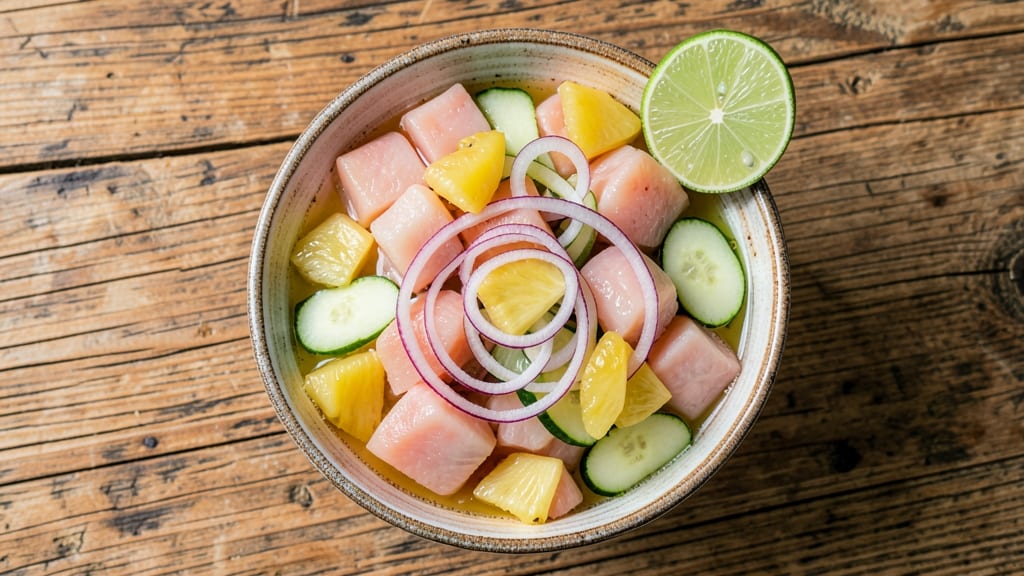
This Hawaiian ceviche recipe delivers the zesty, tropical flavors of the islands in just 20 minutes—no cooking required. The secret lies in fresh seafood like mahi-mahi or ahi tuna, tenderized by tangy citrus and bright tropical ingredients.
I first tried this version while visiting Oahu, where the combination of pineapple, cucumber, and chili transformed simple fish into something extraordinary.
The beauty of ceviche is its simplicity: just chop, marinate, and serve. You’ll need high-quality seafood, fresh citrus juice, and a few tropical vegetables to create layers of flavor that balance the acidity.
The marinating process—just 15 minutes—transforms the fish into tender, flaky bites that practically melt in your mouth. This isn’t your average ceviche; it’s a celebration of Hawaiian flavors with a modern twist.
What you’ll end up with is a dish that’s vibrant, refreshing, and packed with texture—crisp cucumber, juicy pineapple, and tender seafood all coated in a bright citrus marinade. The chili adds a subtle kick, while fresh herbs like cilantro or basil bring it all together.
Serve it with coconut rice or tostones for the full Hawaiian experience. This is the kind of recipe that feels like a vacation in every bite.
Perfect for summer gatherings, brunch, or a light weeknight dinner, this ceviche comes together faster than you can say "aloha." The best part? It’s ready in under 20 minutes, with no heat required. Let’s make it—your taste buds will thank you.
Ingredients for hawaiian ceviche
Fresh seafood, bright citrus, and tropical veggies—just 13 ingredients for Hawaiian ceviche that tastes like vacation.
| Ingredient | Amount | Notes |
|---|---|---|
| Mahi-Mahi Fillets 🐟 | 1 lb | Sushi-grade, skinless, cubed |
| Fresh Lime Juice 🍋 | 1 cup | From 6-8 limes, freshly squeezed |
| Fresh Lemon Juice 🍋 | ½ cup | From 2-3 lemons, freshly squeezed |
| Fresh Pineapple Chunks 🍍 | 1 cup | Fresh or canned in juice, diced |
| English Cucumber 🥒 | 1 whole | Seeded, diced small |
| Red Onion 🧅 | ¼ cup | Finely diced, mild sweetness |
| Fresh Cilantro 🌿 | ¼ cup | Chopped, stems removed |
| Fresh Chili Peppers 🌶️ | 2 whole | Thinly sliced, serrano or jalapeño |
| Extra-Virgin Olive Oil 🫒 | 2 tbsp | For finishing drizzle |
| Salt 🧂 | 1 tsp | Kosher or sea salt |
| Black Pepper 🌶️ | ½ tsp | Freshly ground |
| Fresh Basil Leaves 🌿 | ¼ cup | Chopped, for garnish |
| Toasted Coconut Flakes 🥥 | 2 tbsp | For garnish, optional |
The seafood is non-negotiable here. Mahi-mahi is my go-to—it stays tender and absorbs the flavors beautifully, but ahi tuna or snapper work too. Grab the sushi-grade kind from the seafood counter (not the frozen section)—it’s pricier but makes all the difference. If you’re at Whole Foods or a well-stocked grocery store, look for the freshest cuts near the back of the display. The fish should smell clean and briny, not fishy. Pro tip: buy it last so it stays coldest in your bag. And for the love of aloha, cube it yourself—pre-cut fish gets soggy fast in the citrus marinade.
No fresh limes? Key limes or a mix of lemon and lime juice works, but the balance is key—too much lemon can get bitter. Pineapple chunks can be fresh or canned in juice, not syrup. The English cucumber is a must for that crisp texture, but if you’re in a pinch, Persian cucumbers work too (just seed them extra well). Chili peppers? Serrano for heat, jalapeño for mild. If you’ve got bird’s eye chilies, use half a pepper for a serious kick. The cilantro and basil are optional but add that fresh Hawaiian vibe—skip if you’re cilantro-sensitive (trust me, I’ve been there).
This ceviche is best eaten fresh, but it’ll keep in the fridge for up to 4 hours if you need to prep ahead. The citrus marinade does its magic in about 15 minutes, but the flavors get even better after 30 minutes of chilling. Store it in an airtight container, and if you’ve got extra, freeze the pineapple and coconut flakes separately—they’ll keep for 3 months. Serve it over a bed of coconut rice or with tostones for the full Hawaiian experience. And don’t forget the extra lime wedges—everyone needs one!
Why You'll Love This Recipe
- No Fuss, No Stress: I swear, this ceviche comes together faster than I can say "vacation vibes." Just dice the mahi-mahi, toss it with lime and lemon juice—no cooking, no waiting—while the acid works its magic in 15 minutes flat. Honestly, the hardest part is deciding whether to eat it or take a photo first.
- Sweet-Tart Magic: That bright citrus punch from the lime and lemon? It’s the star. But the pineapple chunks—juicy, slightly caramelized—turn it into something totally addictive. The cucumber adds this refreshing crunch that balances everything like a tropical hug.
- Weekend or Weeknight: Between us, this is my go-to for lazy Sundays and last-minute dinner guests. Serve it in lettuce cups for a light lunch, pile it high on crackers for a party snack, or let it sit in the fridge overnight—it’s just as good (if not better) the next day. No rules, just good times.
- Budget-Friendly Luxury: Mahi-mahi is often cheaper than other white fish, and the rest? Pantry staples or seasonal finds. I’ve made this for under $12 for four servings, and it still feels like a fancy dish. Plus, leftovers keep for days—perfect for when you’re too tired to cook but still want something special.
Step-by-step instructions for Hawaiian ceviche
Here's how to make this vibrant, tropical ceviche with perfectly balanced flavors and textures.
Prepare and Marinate the Mahi-Mahi
Start by cutting the 1 lb mahi-mahi fillets into ½-inch cubes. You're aiming for even-sized pieces so they marinate uniformly. Place the cubes in a large glass or ceramic bowl—glass is best because it won't react with the citrus acids.
In a separate bowl, combine the 1 cup fresh lime juice and 0.5 cup fresh lemon juice. Pour this citrus mixture over the mahi-mahi cubes, ensuring they're completely submerged. Sprinkle with the 1 tsp salt and 0.5 tsp black pepper, then gently stir to distribute the seasoning. Cover the bowl and refrigerate for 15-20 minutes. The mahi-mahi will turn opaque and slightly firm to the touch—this signals it's properly "cooked" by the acid. Don't skip this step; proper marinating ensures tender, flavorful fish.
Dice and Combine the Vegetables
While the mahi-mahi marinates, prepare the vegetables. Peel and seed the 1 whole english cucumber, then dice it into ¼-inch pieces. Finely dice the 0.25 cup red onion and thinly slice the 2 whole fresh chili peppers. Chop the 0.25 cup fresh cilantro and 0.25 cup fresh basil leaves, removing any tough stems.
Add the diced cucumber, red onion, chili peppers, and half of the chopped cilantro to the bowl with the mahi-mahi. Gently fold everything together, being careful not to break up the fish cubes. The ceviche should look vibrant with bright green, red, and white colors. Taste a small piece of fish—it should be tender but still hold its shape. If it feels mushy, let it marinate for another 5 minutes.
Add the Pineapple and Finish the Ceviche
Add the 1 cup fresh pineapple chunks to the bowl and gently mix everything together. The pineapple's natural sweetness will balance the tangy citrus and spicy chili. Let the ceviche sit for another 5 minutes to allow the flavors to meld. You'll notice the colors deepen slightly and the aromas become more complex.
Taste and adjust the seasoning if needed. If it tastes too acidic, add a pinch more salt. If it needs more brightness, squeeze in a little extra lime juice. The ceviche should have a perfect balance of sweet, tangy, spicy, and fresh flavors. Once satisfied, drizzle with the 2 tbsp extra-virgin olive oil and gently stir to coat everything evenly.
Chill and Serve
Cover the bowl and refrigerate the ceviche for at least 10 minutes before serving. This final chilling step ensures all the flavors are fully integrated and the textures are just right. When ready to serve, transfer the ceviche to a platter or individual bowls.
Garnish with the remaining chopped cilantro and the 2 tbsp toasted coconut flakes. Serve immediately with toasted coconut bread or crackers. The ceviche should be cool but not cold, with the fish holding its shape and the vegetables retaining their crisp texture. Each bite should deliver a perfect harmony of tropical flavors and refreshing acidity.
Pro Tips For Making Hawaiian Ceviche
- Cut Fish Thin: Use a sharp knife and slice the mahi-mahi fillets against the grain into ¼-inch strips—no thicker or they’ll stay rubbery even after marinating. I used to fight this step, but thinner pieces soak up the citrus faster and stay tender.
- Juice Early, Twice: Extract lime and lemon juice immediately after cutting the fish, then add another round after 10 minutes—this prevents the mahi from drying out while the acid works. (Yes, it’s messy, but skipping this means tough, sour fish.)
- Drain Pineapple Dry: Pat pineapple chunks thoroughly with paper towels before adding them to the ceviche—excess moisture dilutes the marinade and turns your dish into a watery salad. I learned this after serving a batch that tasted like a piña colada.
- Chill the Cucumber: Toss cucumber slices in ice water for 5 minutes before mixing—it crisps them up and keeps them from turning soggy in the citrus bath. (Pro move: use a mandoline for even slices if you’re impatient like me.)
Common mistakes when making great hawaiian ceviche
Over-Marinating Fish
I’ve seen too many people ruin perfectly good ceviche by letting the fish sit too long in citrus. Mahi-mahi or ahi tuna should marinate no longer than 20 minutes—any more and the acid will start breaking down the proteins, turning your tender fish into a mushy mess.
The fish is ready when it turns opaque and feels firm to the touch, usually around 15 minutes. Set a timer, and keep an eye on it. 🌡️
Using Frozen or Low-Quality Seafood
This isn’t the time to skimp on seafood. Frozen fish or pre-cut fillets from the discount bin will turn your ceviche into a sad, watery dish. Always use sushi-grade, fresh seafood from a trusted fishmonger or the back of the seafood case.
If you’re unsure, ask the butcher for the freshest cut—they’ll point you to the right spot. I swear by Whole Foods or local markets for the best quality. 🐟
Skipping the Chill Time
Rushing the final 10-minute chill before serving is a common mistake. This step lets the flavors meld and the textures settle. If you skip it, your ceviche will taste disjointed—bright citrus, sweet pineapple, and raw fish flavors won’t harmonize.
Trust me, I’ve learned this the hard way. Let it rest, and you’ll notice the difference in every bite. ⏰
Not Balancing Flavors
Too much lime juice? Your ceviche will taste like a sour lemonade. Not enough salt? It’ll be bland. Taste as you go—adjust with pinches of salt or extra lime juice until the flavors sing.
The goal is a perfect balance of sweet, tangy, spicy, and fresh. I always taste with my Nonna’s wooden spoon—it’s my secret weapon for perfect flavor. 💡
Using the Wrong Citrus
Substituting bottled citrus juice or grapefruit for lime and lemon is a flavor disaster. Fresh lime and lemon juice are non-negotiable—they’re bright, balanced, and full of flavor. If you’re out of limes, mix key lime juice with a splash of lemon, but never skip the freshness.
Bottled juice lacks the acidity and depth your ceviche needs. 🍋
Overcrowding the Bowl
Packing too much fish or veggies into a small bowl can make your ceviche soggy. Use a large bowl—glass or ceramic—to give everything room to breathe. If your bowl is too small, the fish will release too much moisture, turning your ceviche into a watery salad.
Trust me, a bigger bowl is worth the extra space. 🥄
Nutrition facts
Frequently asked questions
Can I use frozen fish for Hawaiian ceviche?
Fresh, sushi-grade fish is essential for ceviche. Frozen fish releases too much water when thawed, making your dish soggy and diluting the flavors. If you must use frozen, opt for high-quality, previously frozen seafood (like ahi tuna or mahi-mahi sold for sushi) and thaw it overnight in the fridge—never at room temperature. The texture won't be as perfect as fresh, but it's better than skipping the dish entirely.
How do I know when the fish is "cooked" in the citrus?
The fish is ready when it turns opaque and firm to the touch, usually after 15 minutes of marinating. It should hold its shape when gently pressed with a fork. Over-marinating beyond 20 minutes will make the fish mushy—set a timer to avoid this! The acid "cooks" the fish by denaturing its proteins, so no heat is needed.
What if I don’t have fresh pineapple?
Use canned pineapple in juice (not syrup) for the best flavor. Drain it well and pat dry to avoid excess moisture. For a sweeter touch, add a pinch of sugar or a splash of honey. Fresh pineapple's brightness is ideal, but canned works in a pinch—just avoid brands with added preservatives.
Can I make this ahead of time for a party?
Ceviche is best served fresh, but you can prep components ahead: marinate the fish for up to 4 hours (no longer), chop veggies, and store everything separately in the fridge. Combine just before serving to preserve texture. For a crowd, double the recipe and serve in individual bowls with lime wedges and coconut flakes on the side. Guests can assemble their own portions.
What’s the best way to serve Hawaiian ceviche?
Garnish with toasted coconut flakes and fresh cilantro for extra flavor. Serve chilled in coconut rice bowls, over tostones, or with warm tortillas for dipping. For a tropical twist, add mango slices or avocado chunks on the side. Pair with a cold lagers or sparkling water with lime to complement the bright flavors.