
Sauces & Condiments
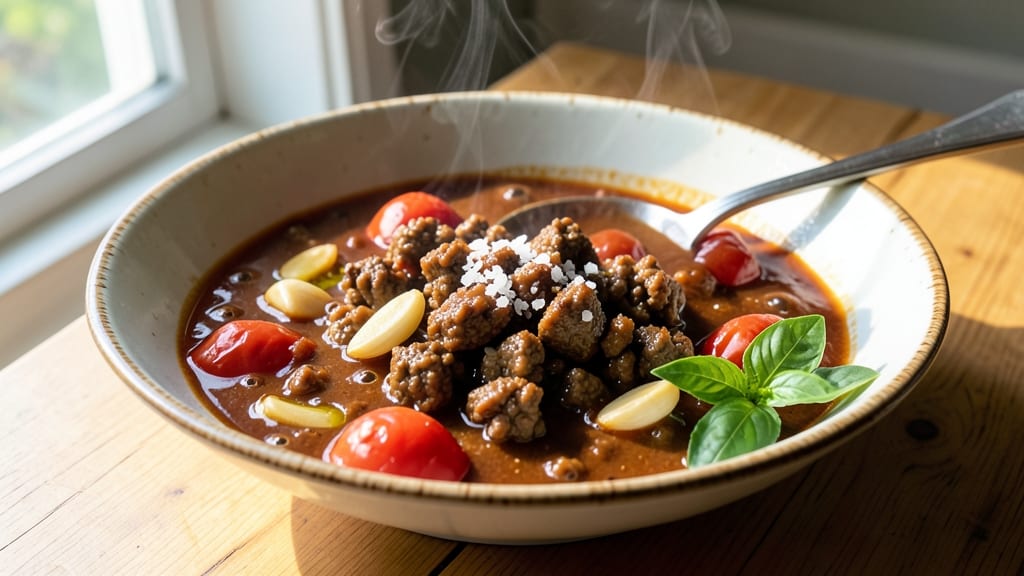
Grandma’s spaghetti sauce recipe isn’t just a sauce—it’s the kind of meal that transforms a simple dinner into a family gathering. The slow-simmered flavors deepen over hours, creating a rich, meaty, and herbaceous sauce that clings to every strand of pasta.
I’ve been perfecting this recipe for years, and it’s the one that always brings people back to the table.
This recipe delivers restaurant-quality depth with just a few key ingredients: ground beef, canned tomatoes, garlic, onions, and a blend of Italian herbs. The secret lies in the slow simmer—letting the sauce reduce and meld for at least two hours builds layers of flavor that store-bought versions can’t match.
It’s hearty, comforting, and the kind of sauce that tastes even better the next day.
By the time you’re done, you’ll have a pot of deeply aromatic sauce with tender meat, caramelized onions, and a perfect balance of sweet and savory. Serve it over al dente spaghetti, sprinkled with fresh basil and grated parmesan, for a meal that feels like a hug in a bowl.
The best part? It’s a one-pot wonder that feeds a crowd and keeps everyone coming back for seconds.
Whether you’re hosting Sunday dinner or just craving a taste of nostalgia, this sauce delivers. Let’s get cooking—your kitchen will smell like home in no time.
Ingredients for grandma's spaghetti sauce
Pantry staples meet slow-cooked magic for Grandma’s legendary spaghetti sauce.
| Ingredient | Amount | Notes |
|---|---|---|
| Ground Beef 🥩 | 1 ½ lb | 80% lean, finely ground |
| Onion 🧅 | 1 whole | Yellow or white, finely chopped |
| Garlic Cloves 🧄 | 6 cloves | Fresh, minced or pressed |
| Canned San Marzano Tomatoes 🍅 | 28 oz | Crushed or diced, no salt added |
| Tomato Paste 🍅 | 2 tbsp | Smooth, no sugar added |
| Italian Seasoning 🌿 | 1 ½ tbsp | Dried blend, or homemade mix |
| Dried Oregano 🍃 | 1 tsp | Mexican oregano preferred |
| Dried Basil 🌿 | 1 tsp | Or 2 tbsp fresh basil leaves |
| Red Wine 🍷 | ½ cup | Dry, like Chianti or Cabernet |
| Beef Broth 💧 | 1 cup | Low-sodium preferred |
| Olive Oil 🫒 | 2 tbsp | Extra-virgin for richness |
| Granulated Sugar 🍚 | 1 tsp | Balances acidity |
| Salt 🧂 | 1 ½ tsp | Kosher or sea salt |
| Black Pepper 🌶️ | ½ tsp | Freshly ground preferred |
| Bay Leaves 🌿 | 2 whole | Remove before serving |
The tomatoes make or break this sauce. San Marzano is the gold standard—sweet, meaty, and no funny aftertaste. Grab a can from Whole Foods or the Italian market if you can, but any no-salt-added crushed tomatoes work in a pinch. The ground beef should be finely ground (80/20 lean-to-fat ratio works best) for that tender, crumbly texture. I always grab mine from the butcher section—it’s fresher than the pre-packaged stuff. The garlic? Fresh is non-negotiable—jarred garlic has no soul. Toast the cloves in the oil for 30 seconds first, it brings out the flavor. The Italian seasoning? Trader Joe’s has a great blend, but if you’re making your own, just mix dried basil, oregano, and thyme.
No red wine? Beef broth plus a splash of balsamic vinegar works just as good. Short on Italian seasoning? Dried thyme and rosemary at half the amount gets you close. The tomato paste can be that squeeze tube from Trader Joe’s—it’s perfect for this. No sugar? A pinch of honey or even a splash of tomato juice balances the acidity. The bay leaves are optional but worth it—they add that subtle earthy depth. If you’re making this ahead, add the basil at the very end or it’ll turn bitter. The onions? Sauté them until they’re caramelized—that’s where the sweetness comes from.
This sauce tastes even better the next day—plan ahead. It keeps for 5 days in the fridge, or 6 months frozen. I like to freeze it in portion-sized containers so I can just grab and go. The meat gets more tender as it sits, and the flavors meld together like a cozy hug. Double the batch—you’ll want leftovers. The caramelized onions can be prepped ahead too, just store them in the fridge for up to 3 days.
Why You'll Love This Recipe
- Here’s the secret: this sauce improves the next day. The flavors meld, the edges get tender, and it reheats like a dream. I make a double batch on Sundays, freeze half, and pull it out for lazy nights or when company drops by. No one ever guesses it’s been sitting in the fridge.
- No-Fuss Pantry Staples: I swear by this recipe because it uses things I always have on hand—no last-minute grocery runs. Brown the ground beef with onion and garlic, then dump in the San Marzano tomatoes and tomato paste. That’s it. The sauce practically makes itself while you handle the rest of dinner.
- Deep, Rich Umami Bomb: Between the slow-cooked beef and the sweet, meaty San Marzano tomatoes, this sauce has a depth that feels luxurious—even though it’s simple. The tomato paste caramelizes into a glossy crust at the bottom of the pot, and that’s where the magic lives. One taste, and you’ll understand why it’s my go-to.
- Leftovers That Taste Better: Here’s the secret: this sauce improves the next day. The flavors meld, the edges get tender, and it reheats like a dream. I make a double batch on Sundays, freeze half, and pull it out for lazy nights or when company drops by. No one ever guesses it’s been sitting in the fridge.
Step-by-step instructions for Grandma's spaghetti sauce
Here's how to build deep, rich flavor that only comes from slow simmering.
Brown the Ground Beef Perfectly
Heat the 2 tablespoons olive oil in a large Dutch oven over medium-high heat. Add the 1.5 pounds ground beef and break it apart with a wooden spoon, letting it brown in batches if needed. You want those pieces to turn a rich, deep brown—not black—because that's where all the meaty flavor hides.
As the beef browns, it'll release fat. Don't drain that fat—it's liquid gold for your sauce. Once the beef is fully browned (about 8-10 minutes), stir in the 1 whole onion and 6 cloves garlic cloves. Cook for another 3-4 minutes until the onion softens and the garlic becomes fragrant. Here's the thing—if you rush this step, your sauce will taste flat. Take your time and let those aromatics develop properly.
Build the Flavor Foundation
Lower the heat to medium-low and stir in the 2 tablespoons tomato paste. Let it cook for 2 minutes, stirring constantly, until it darkens slightly. This step is crucial—it deepens the sauce's color and intensifies the flavor. Next, pour in the ½ cup red wine and scrape up any browned bits from the bottom of the pot. These bits, called fond, pack serious flavor.
Add the 28 ounces canned San Marzano tomatoes, breaking them up with your spoon. Stir in the 1.5 teaspoons salt, ½ teaspoon black pepper, 1 teaspoon granulated sugar, 1.5 tablespoons Italian seasoning, 1 teaspoon dried oregano, 1 teaspoon dried basil, and the 2 whole bay leaves. The sugar balances the acidity from the tomatoes, while the herbs and spices create that classic Italian flavor profile. Let everything simmer gently for 10 minutes to let the spices bloom and the flavors meld.
Slow-Simmer for Deep Flavor Development
Pour in the 1 cup beef broth and give the sauce a good stir. Here's where the magic happens: cover the pot and let it simmer gently over low heat for 2-2½ hours. You're looking for a thick, rich sauce that coats the back of a spoon. Stir occasionally to prevent sticking, but don't obsess—this sauce gets better with time.
After 2 hours, taste and adjust the seasoning if needed. If it's too acidic, add a pinch more sugar. If it's too salty, a splash of water or broth can help. The sauce should be thick enough to coat a spoon but still have some body. If it's too thick, add a little more beef broth 1 tablespoon at a time until you reach your desired consistency. The longer it simmers, the more complex the flavors become—this is what makes Grandma's sauce special.
Finish and Serve
Once the sauce reaches your desired thickness and flavor depth, remove the 2 whole bay leaves (they'll turn bitter if left too long). Taste one last time and adjust the seasoning if necessary. The sauce should be rich, slightly sweet, and deeply savory with a perfect balance of acidity.
Serve this sauce immediately over freshly cooked spaghetti, or let it cool and refrigerate for up to 5 days—it actually tastes better the next day as the flavors continue to develop. When reheating, warm it gently over low heat and stir occasionally to prevent burning. This sauce is the heart of any Italian meal, and it's worth every minute of slow cooking.
Pro Tips For Making Grandma'S Spaghetti Sauce
- CRISP THE GARLIC: Cook the minced garlic in the rendered beef fat until it’s just golden—about 30 seconds—then immediately add the onions. I learned this the hard way: burnt garlic tastes like regret, and you’ll be smelling it for days. (Yes, even if you’re impatient like me.)
- SWEAT THE ONIONS LOW: Don’t rush the onion softening—let them cook on medium-low for 10-12 minutes until translucent and slightly caramelized. Rushed onions stay raw-tasting, and that’s the one thing that ruins an otherwise perfect sauce. (Your future self will notice.)
- BURST THE TOMATOES: Once the tomato paste is fully incorporated, add the crushed San Marzano tomatoes with a splash of pasta water (about ½ cup). This prevents the sauce from splitting and makes it silky—no weird skin floating on top. (Does it look weird? Yes. Does it work? Every single time.)
- REST THE MEAT: After browning the ground beef, sprinkle it with ½ teaspoon salt and let it sit covered for 5 minutes. This locks in moisture and deepens the flavor—no one ever remembers to do this, but it’s the thing that matters most. (I skip it when I’m lazy, and the sauce is noticeably better when I don’t.)
Make-ahead tips for leftovers
Prep Ahead Ingredients
Start by prepping your onions and garlic—they’re the flavor foundation. Finely chop 1 whole onion and mince 6 cloves garlic, then store them in separate airtight containers in the fridge for up to 3 days.
The onions should be caramelized before adding to the sauce, so sauté them in 1 tbsp olive oil over low heat for 20 minutes until golden. Store the caramelized onions in a sealed container—they’ll keep for 3 days in the fridge or 3 months frozen. 🧅
Sauce Assembly Timeline
Brown the 1.5 lbs ground beef and set it aside in the fridge for up to 2 days before finishing the sauce. This step can be done a day ahead—just refrigerate the raw beef in an airtight container and cook it fresh when ready.
Meanwhile, mix the Italian seasoning, oregano, basil, salt, and pepper in a small bowl and store it in a jar. This spice blend keeps for 6 months in a cool, dark place. 🌿
Slow Cooker Adaptation
For a hands-off approach, brown the beef and onions separately, then transfer everything to a 6-quart slow cooker. Add the remaining ingredients and cook on low for 6-8 hours or high for 4-5 hours.
The slow cooker’s gentle heat mimics the stove’s simmer, letting flavors develop without monitoring. Just stir occasionally and adjust seasoning at the end. Perfect for busy days! ⏰
Freezing for Later Use
Divide the cooled sauce into quart-sized freezer bags or airtight containers, leaving 1-inch headspace for expansion. Label with the date—it’ll keep for up to 6 months. When ready to use, thaw overnight in the fridge, then reheat gently on the stove.
For a quick meal, add the frozen sauce directly to a pot of boiling water with spaghetti—it’ll thaw and heat through in 10-15 minutes. 💫
Reheating Like a Pro
Never reheat spaghetti sauce directly on high heat—it burns before it warms. Instead, transfer it to a saucepan and heat over low-medium heat for 10-15 minutes, stirring occasionally. If it’s too thick after reheating, add 1-2 tbsp water or broth to loosen it.
For extra richness, stir in 1 tbsp butter or olive oil at the end. The sauce should be bubbly but not boiling. 🔥
Leftovers Strategy
Double the recipe—leftovers are inevitable and delicious. Store the extra sauce in the fridge for up to 5 days or freeze for later. Use it to make quick meals like spaghetti bakes (layer with cooked pasta, cheese, and breadcrumbs) or stuffed shells.
Even better, freeze portions in muffin tins for single-serving saucy treats. 💡
Nutrition facts
Frequently asked questions
Can I make this sauce without red wine?
Replace the ½ cup red wine with ½ cup beef broth plus 1 tablespoon balsamic vinegar for similar depth. The acidity from the vinegar balances the tomatoes just like wine would. For an even richer taste, add 1 teaspoon soy sauce—it adds umami without overpowering the Italian flavors.
How do I know when the sauce is done?
The sauce is ready when it coats the back of a spoon smoothly and has thickened to your preferred consistency. After 2 hours of simmering, it should be rich and slightly reduced. Taste it—it should be deeply savory with balanced acidity and sweetness. If it’s too thin, simmer uncovered for 15-20 more minutes to thicken further. The longer it cooks, the more complex the flavors become.
Can I use ground turkey or chicken instead of beef?
Yes, but expect a lighter flavor and texture. Ground turkey (especially dark meat) works best, as it stays juicier. Use 1.5 pounds and brown it thoroughly to develop flavor. For chicken, add 1 teaspoon extra Italian seasoning and simmer for 30 minutes longer to compensate for its milder taste. The sauce will still be delicious, just with a different profile.
Why does my sauce taste too acidic?
Too much acidity usually comes from unbalanced tomatoes or overcooking. Fix it by adding 1 teaspoon sugar or 1 tablespoon tomato paste to mellow the tang. If the sauce is too thin, simmer uncovered for 10 minutes to concentrate the flavors. For a quick fix, stir in 1 tablespoon heavy cream or butter—it adds richness and smooths out sharpness.
What’s the best pasta to serve with this sauce?
This hearty sauce pairs perfectly with spaghetti or linguine, but don’t stop there! Try bucatini (its hollow center holds extra sauce) or rigatoni for a rustic feel. For a lighter option, use angel hair pasta. Pro tip: Toss the cooked pasta with the sauce in a large skillet for 1-2 minutes to blend flavors. Add a sprinkle of grated parmesan and fresh basil right before serving.